-
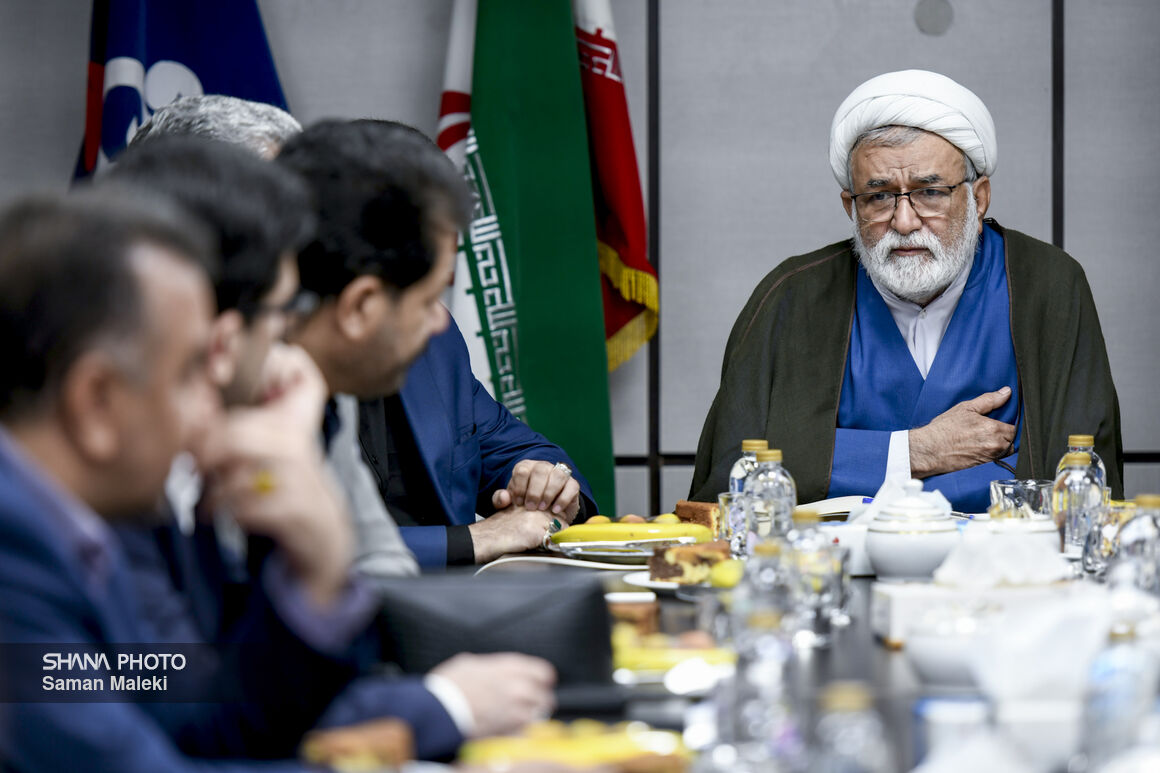
Energy task force delivers positive results
SHANA (Tehran) – The head of the Parliament’s Energy Committee said the establishment of the Energy Imbalance Mitigation Task Force has produced encouraging results, adding that the oil minister has emphasized the continuation of its activities and the Oil Ministry’s readiness to cooperate in any area required.
-
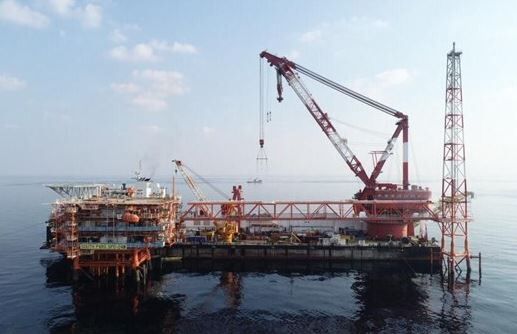
South Pars phases 22-24 set for gas output boost
SHANA (Tehran) – The operator of the South Pars phases 22-24 development project said new drilling operations are set to begin soon, with the completion of remaining project sections expected to increase the phases’ rich gas production capacity.
-
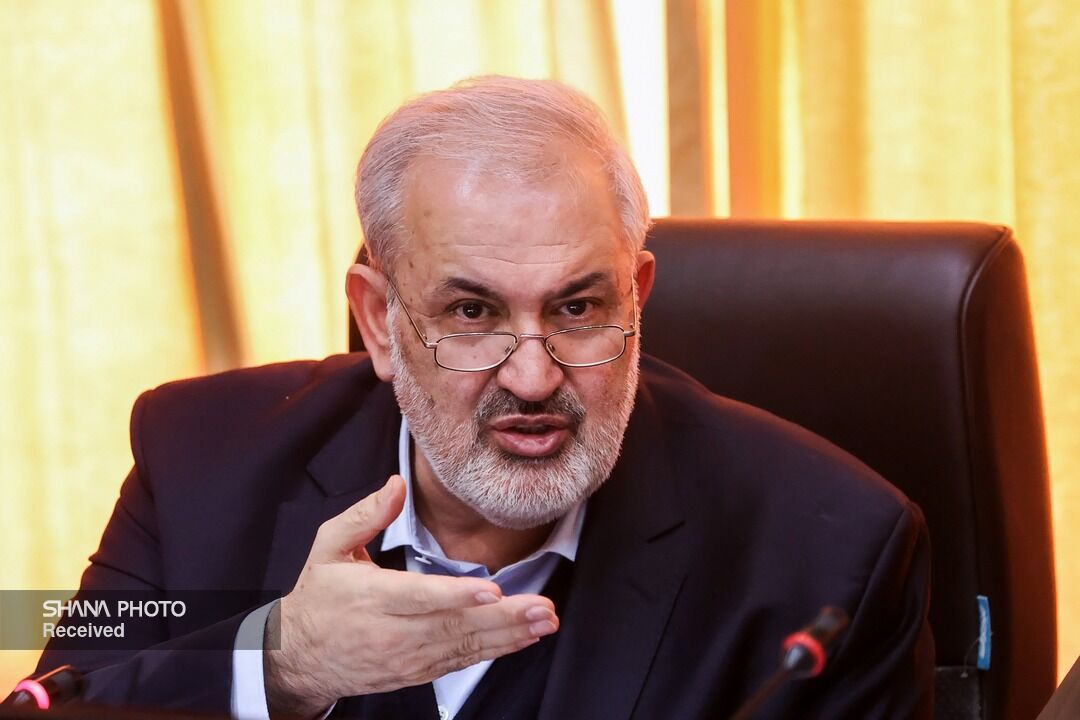
Powering change through awareness
SHANA (Tehran) – Energy minister said public awareness and education are among the most important tools for improving consumption patterns and called for the use of all available media platforms to promote energy-saving practices.
-
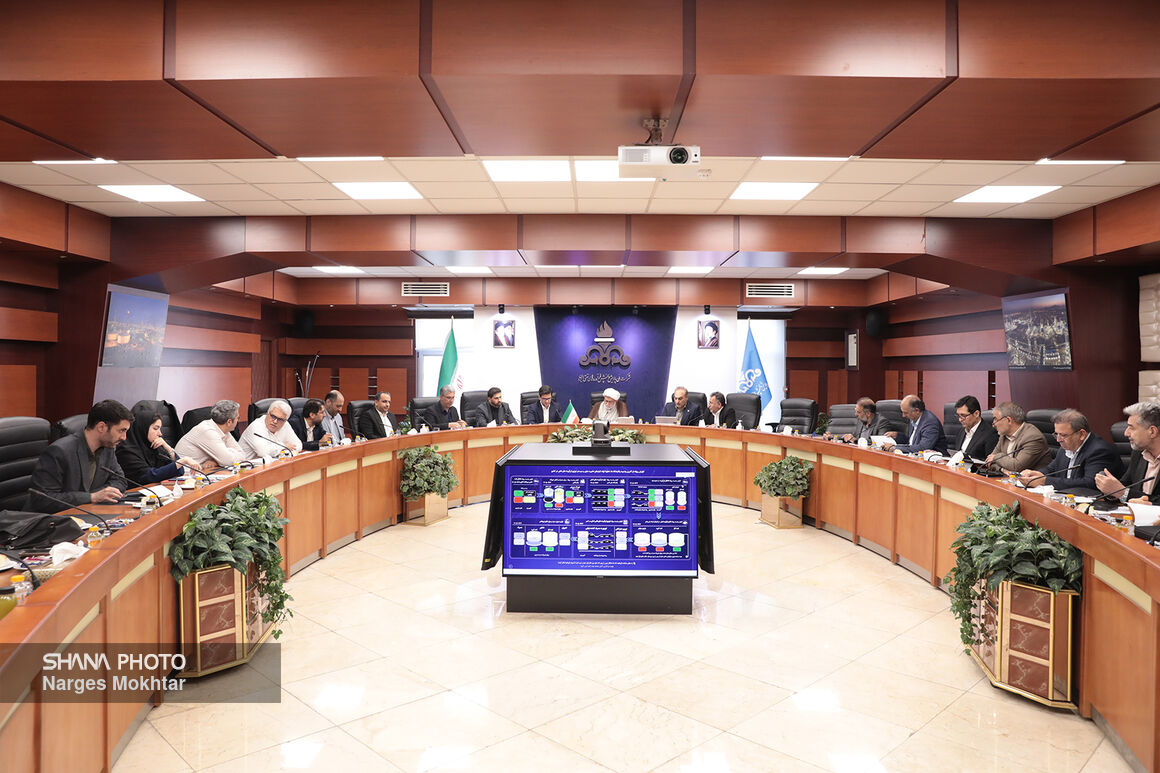
Energy supply review for industries, power plants
SHANA (Tehran) – A meeting to review energy supply for industries and power plants ahead of the upcoming summer and winter seasons was held on Monday, June 15, 2026. The session was attended by the chairman and several members of Parliament’s Energy Committee, Mohammad-Sadeq Azimifar, Deputy Oil Minister for Refining and Distribution Affairs, as well as a number of officials from the Ministry of Energy.
-

NISOC to boost processing capacity, crude output
SHANA (Tehran) – Iran’s largest oil producer plans to increase its processing capacity and crude oil output by the end of the year as development projects continue despite wartime challenges, according to the chief executive of the National Iranian South Oilfields Company (NISOC).
-
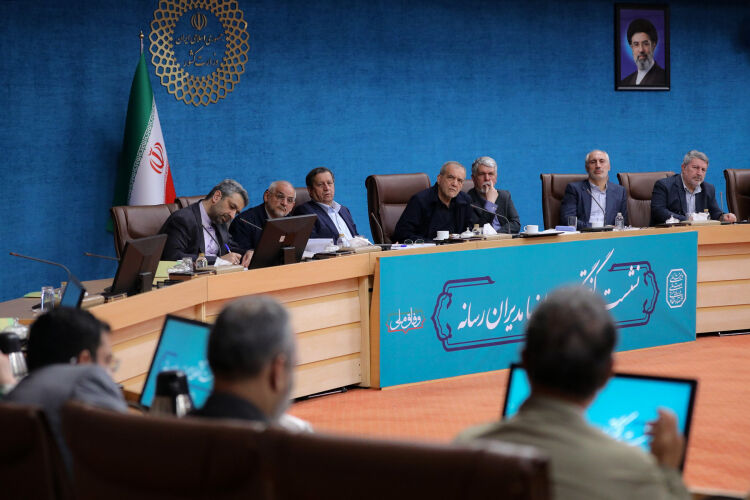
Energy sector weathers war damage, president says
SHANA (Tehran) – President Masoud Pezeshkian said Iran’s energy sector has remained under control despite significant supply imbalances and damage to parts of the country’s energy infrastructure caused by war.
-
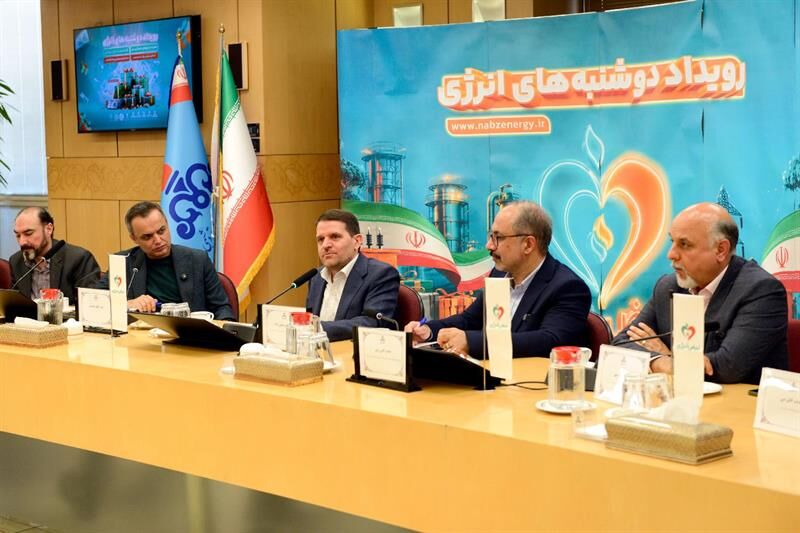
Smart energy use key to sustaining production
SHANA (Tehran) — Efficient energy management is essential to maintaining production and maximizing existing industrial capacity, even in a country with abundant energy resources, the head of the National Petrochemical Company (NPC) said Saturday.
-
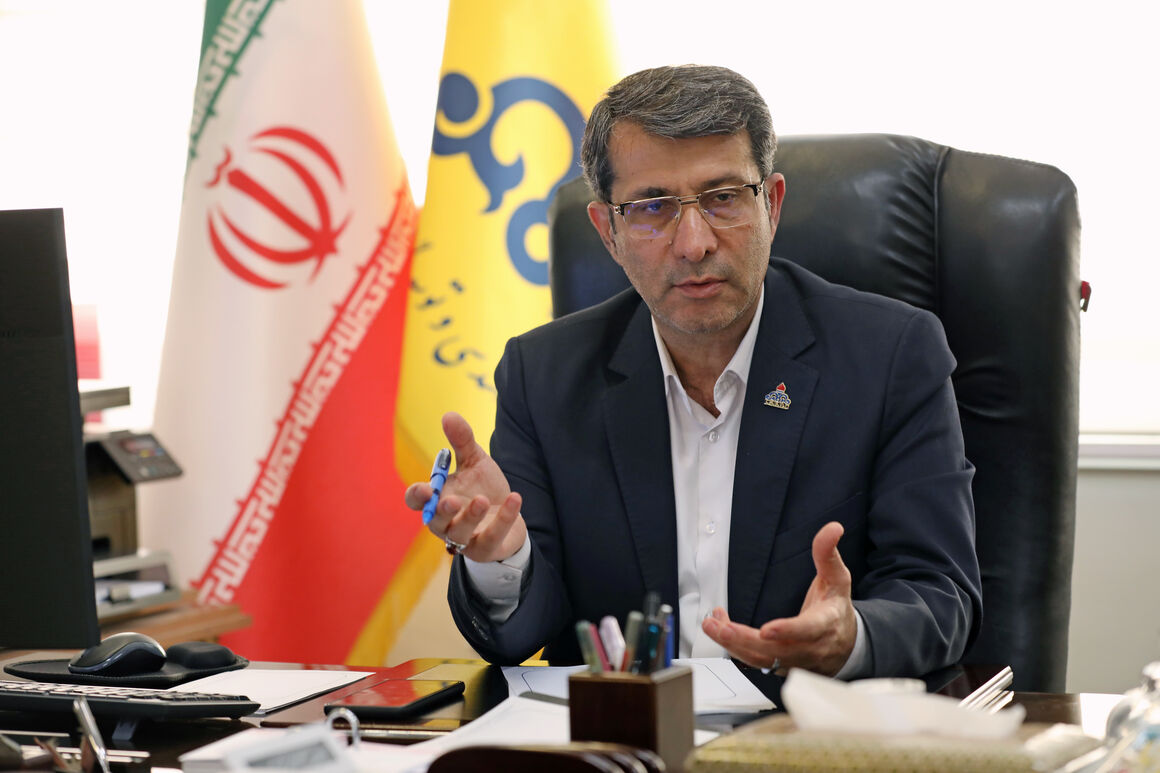
Gas artery nears completion
SHANA (Tehran) – A strategic new natural gas pipeline in northwestern Iran is nearing completion after overcoming major technical, operational and legal challenges, with commissioning scheduled by late November, according to the head of the National Iranian Gas Engineering and Development Company.
-
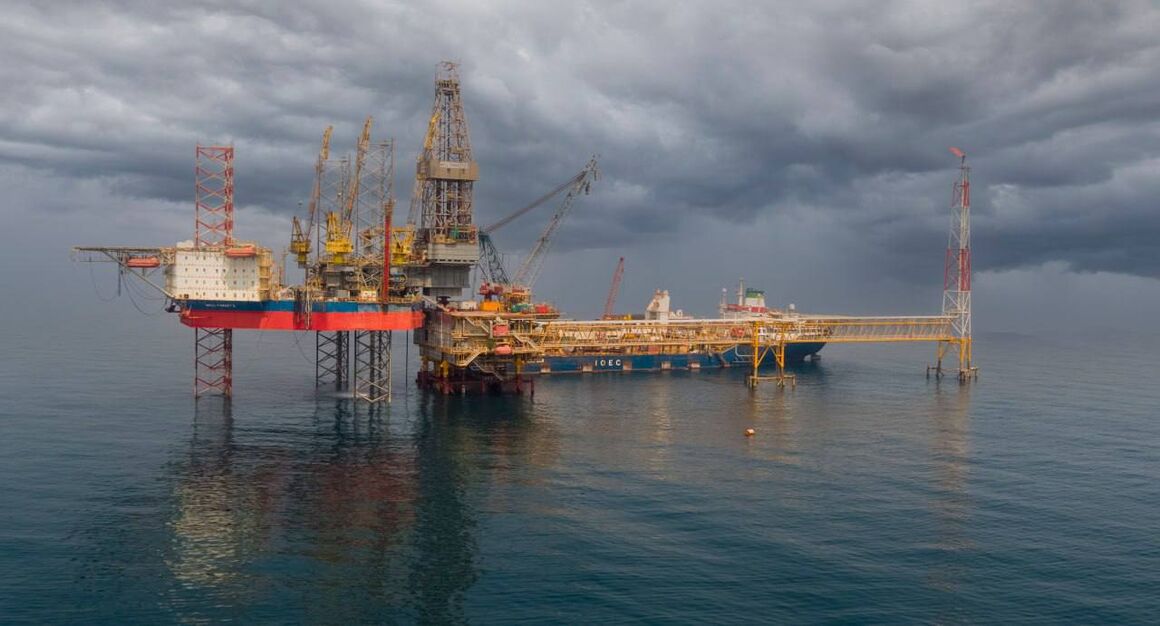
New well lifts South Pars Phase 11 output
SHANA (Tehran) — A new production well has been brought online at Phase 11 of the South Pars gas field, boosting output from the project to more than 26 million cubic meters of rich gas per day, according to the head of Pars Oil and Gas Company.
-
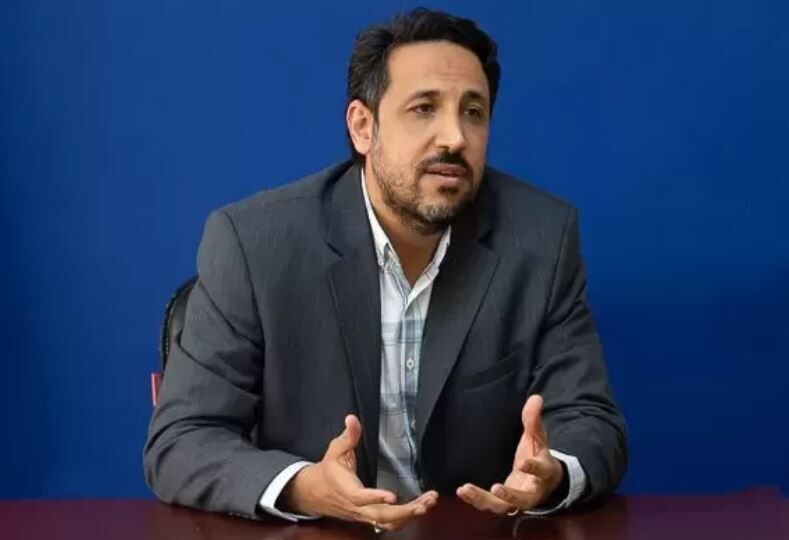
ICOFC gas output set for major increase
SHANA (Tehran) – The Iranian Central Oil Fields Company (ICOFC) has set a target to increase its gas production commitment by a cumulative 12.6 billion cubic meters in the current Iranian year (1405) compared with the previous year.
-
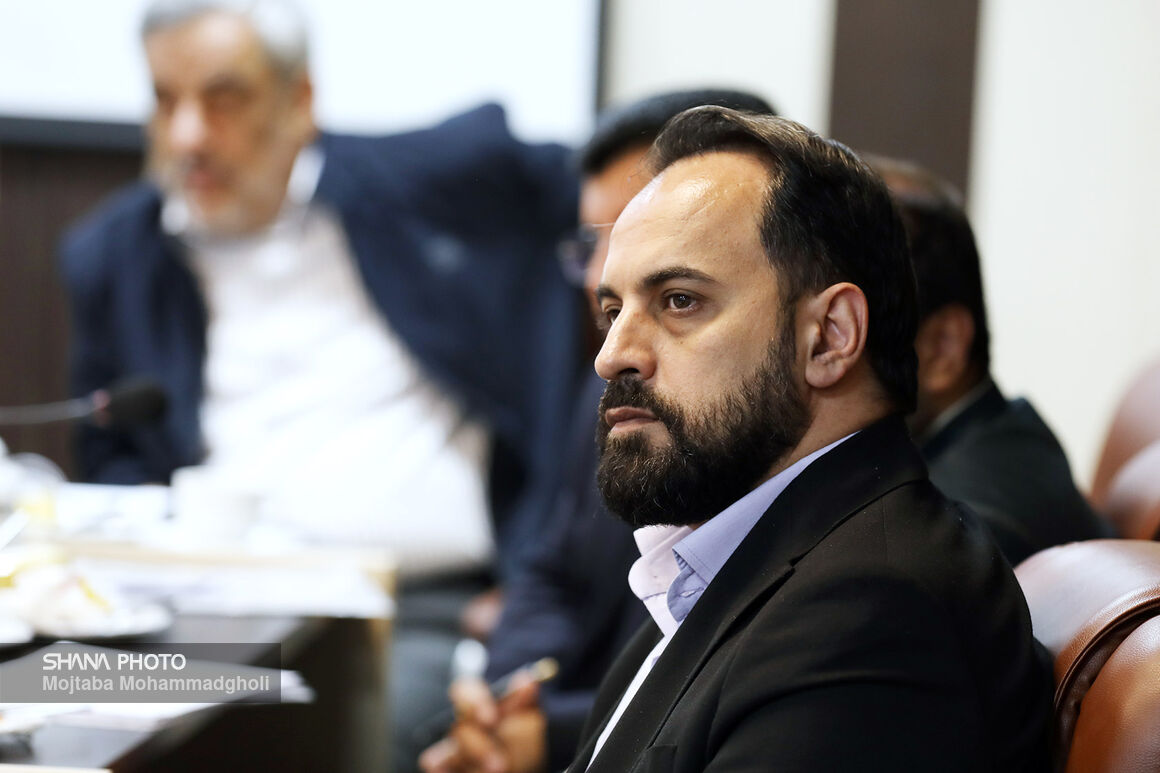
Fuel supply holds steady during wartime
SHANA (Tehran) – A member of Parliament praised the Oil Ministry’s performance during the Third Imposed War, saying fuel distribution remained uninterrupted despite the presence of more than 15 million travelers across the country, particularly in the northern provinces.
-
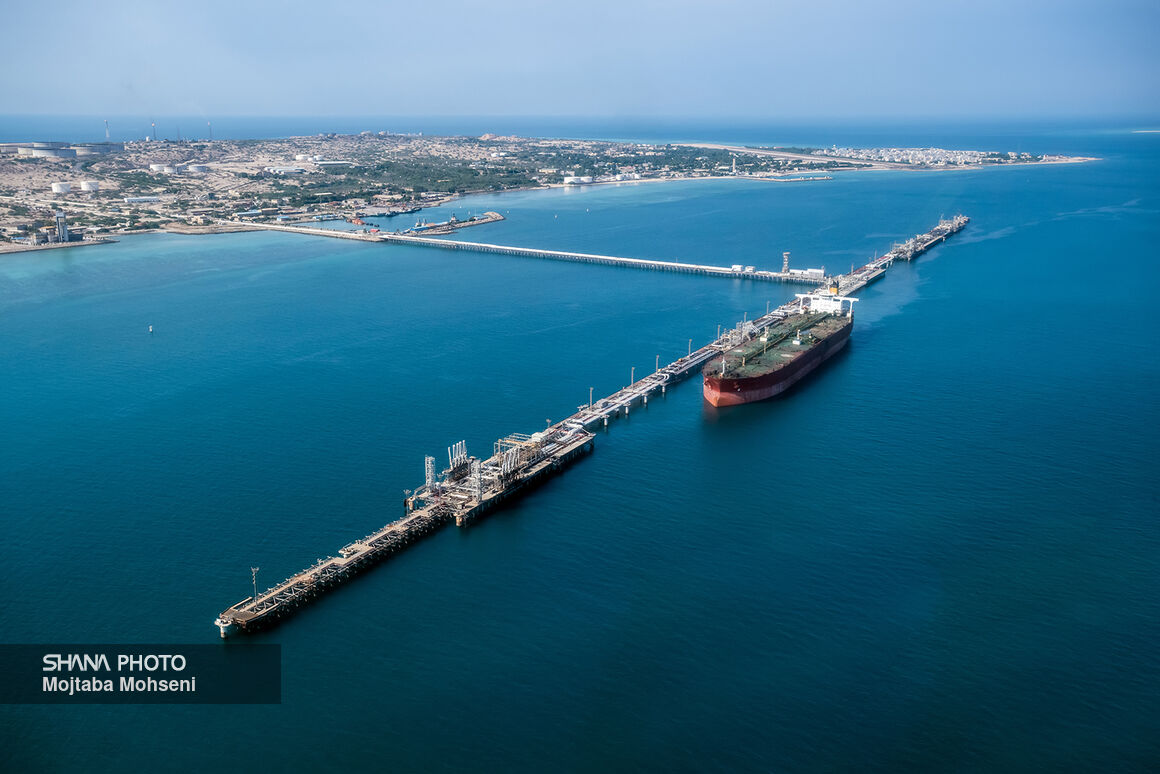
Iran heavy crude price jumps above $115 per barrel
SHANA (Tehran) – Iran’s heavy crude oil price rose by $10.24 in May 2026 from the previous month, reaching $115.39 per barrel, while total crude production by OPEC members declined by 177,000 barrels per day (bpd), according to OPEC’s latest monthly report.
-
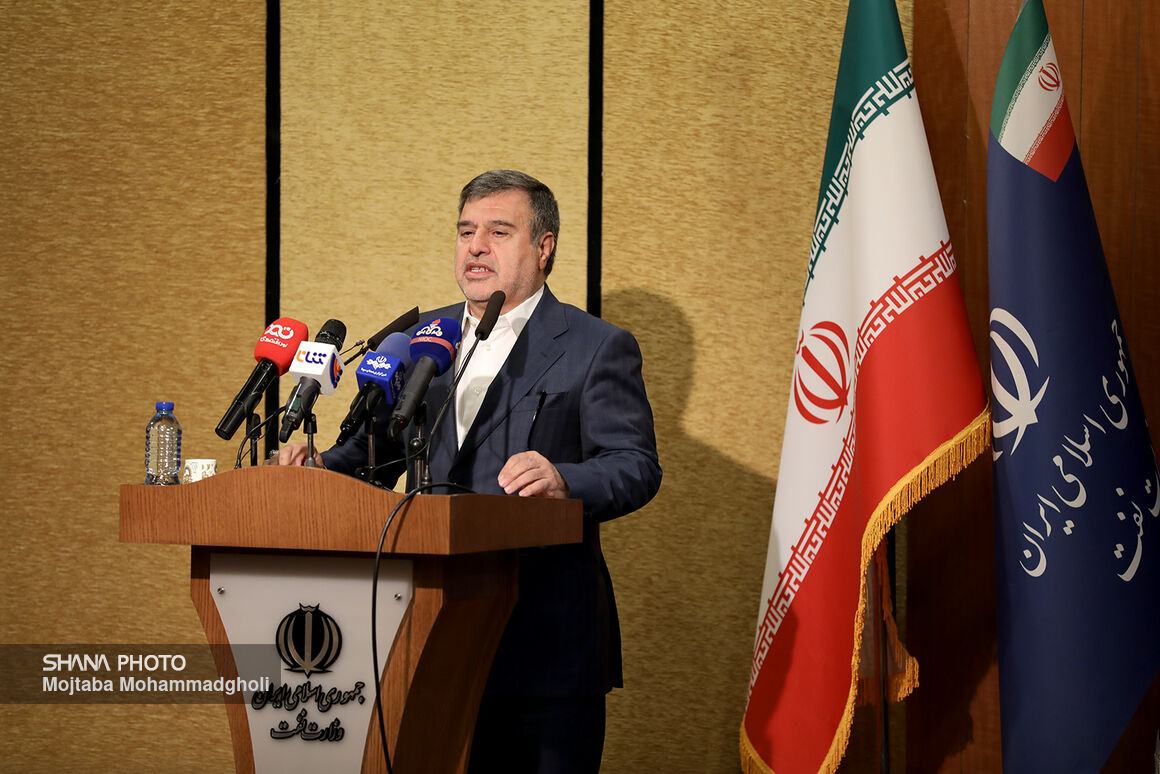
Lawmaker urges renewables to ease energy consumption
SHANA (Tehran) – A member of Parliament’s Planning and Budget Committee said expanding renewable energy can help reduce fuel consumption, particularly natural gas demand during the colder months, and should be considered a key tool for managing the country’s energy use.
-
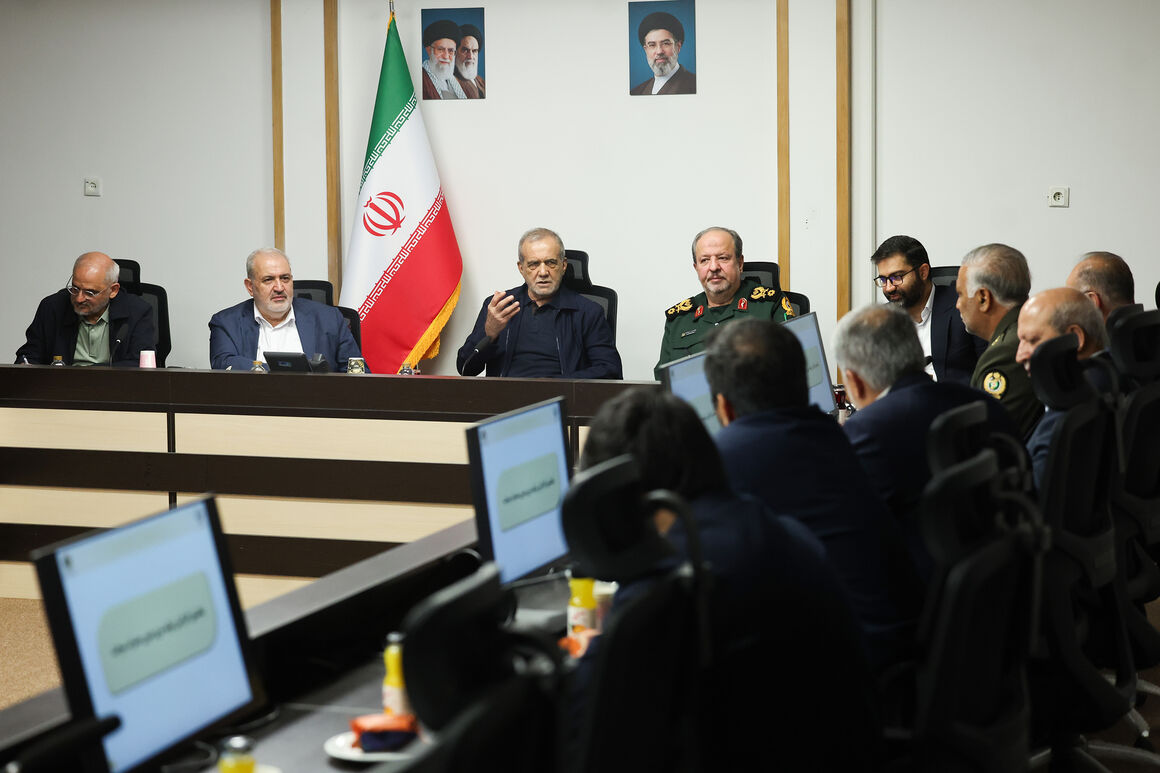
President highlights efficiency as primary energy source
SHANA (Tehran) – President Masoud Pezeshkian said improving energy efficiency is the most important source of energy supply for Iran, stressing that better consumption management is essential for economic security and the sustainability of national infrastructure.
-
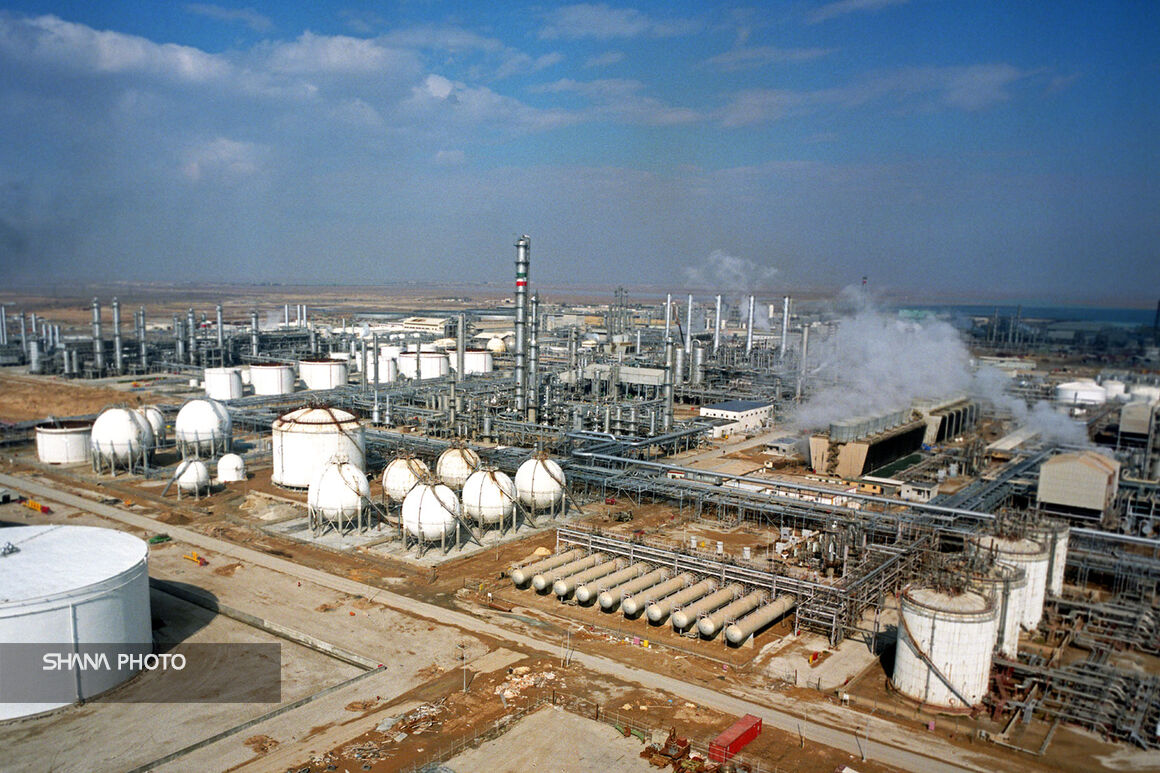
Petchem recovery gains momentum
SHANA (Tehran) – Iran has restored about 38% of the petrochemical production capacity that was lost or disrupted during recent attacks, according to National Petrochemical Company CEO Hassan Abbaszadeh.
-
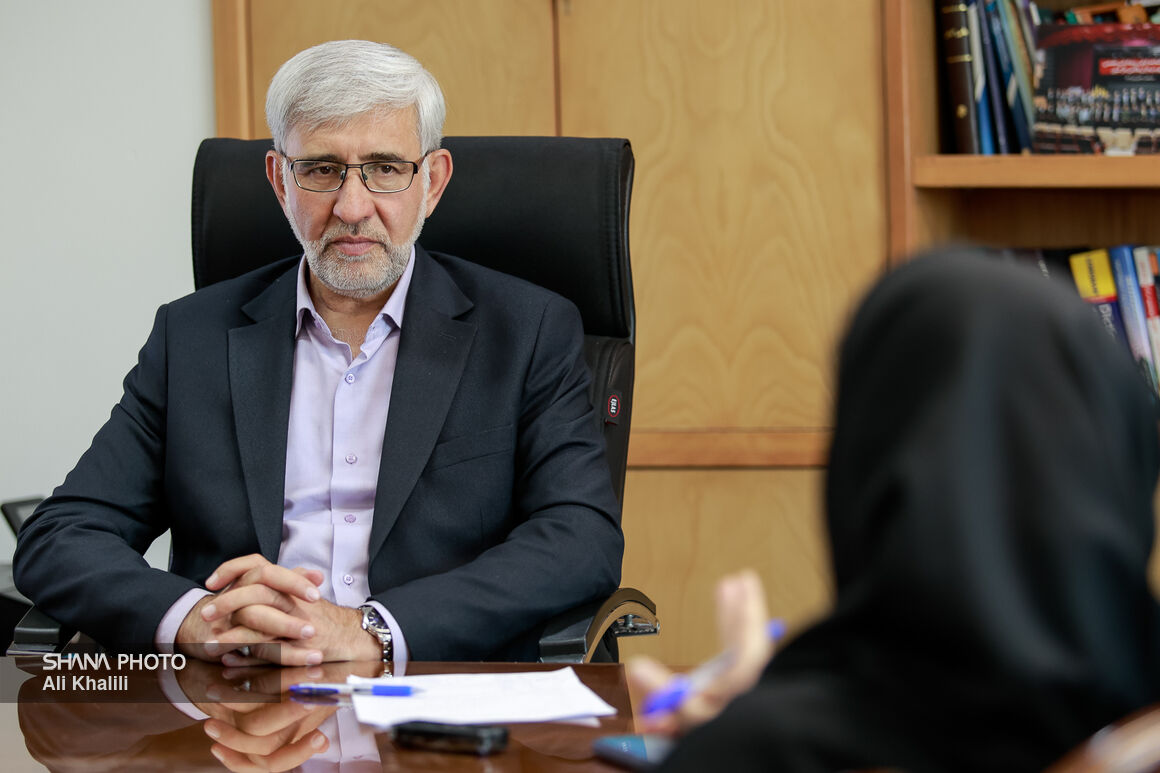
Iran nears completion of nationwide gas expansion
SHANA (Tehran) – Iran’s nationwide natural gas expansion program is approaching its final stage, with only a limited number of remote areas still awaiting connection, according to a senior official at the National Iranian Gas Company (NIGC).
-

Gas efficiency drive gains momentum through operator companies
SHANA (Tehran) – Efforts to improve energy efficiency in natural gas consumption are advancing through the operator program, a government-backed initiative that brings private-sector expertise into energy-saving projects across the country.
-
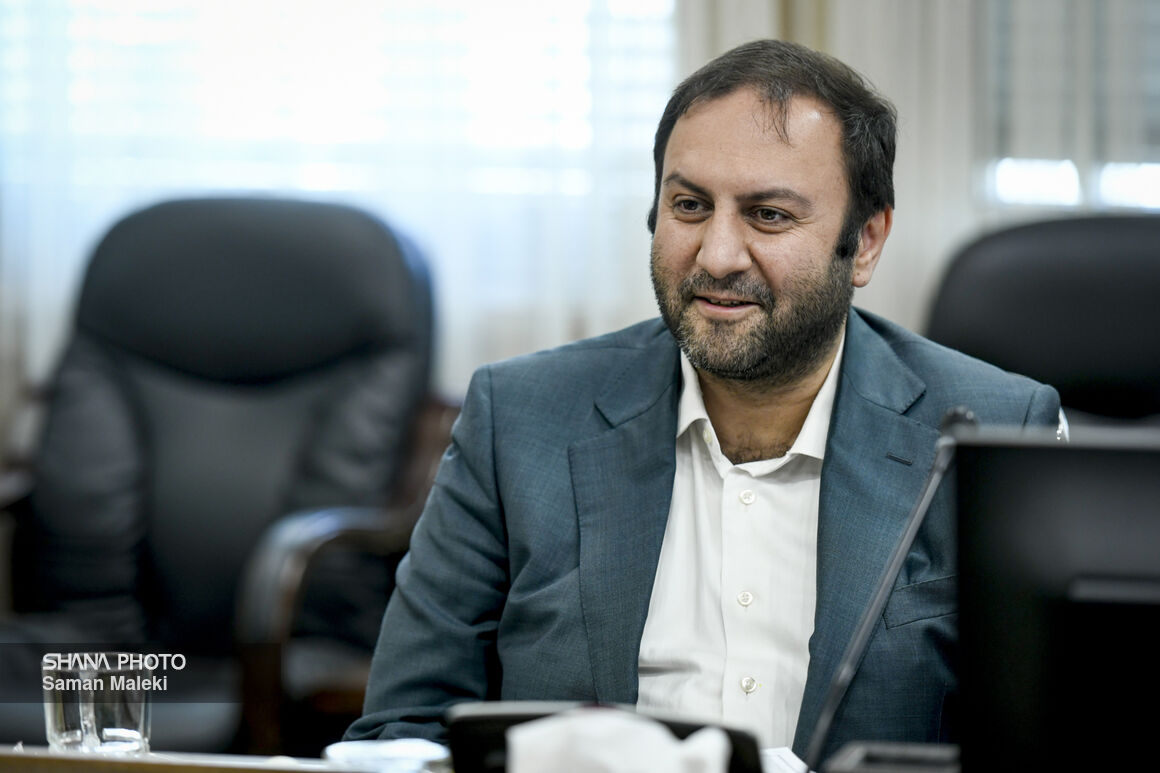
Oil Ministry, Parliament strengthen transparency drive
SHANA (Tehran) – The Oil Ministry’s cooperation with Parliament is based on constructive engagement and transparency, according to the ministry’s deputy for legal and parliamentary affairs, who said greater administrative automation could improve coordination with the Presidential Office’s parliamentary affairs department.
-
South Pars Phase 11 output equals 100m barrels of oil
SHANA (Tehran) – South Pars Phase 11 has produced a cumulative 16.6 billion cubic meters of rich gas, with an energy value equivalent to approximately 100 million barrels of crude oil, according to the project manager for the phase’s development.
-
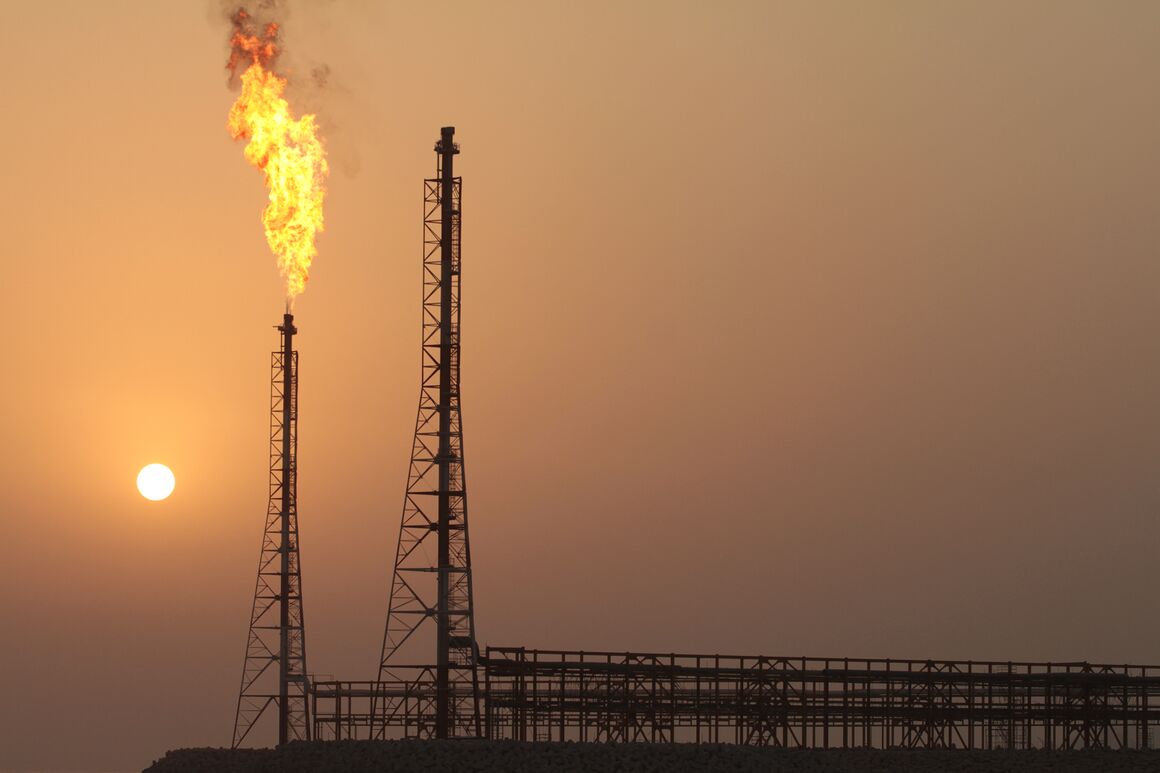
President reviews flare gas capture, oil output projects in real time
SHANA (Tehran) – President Masoud Pezeshkian reviewed key national projects, including flare gas recovery, oil production growth and solar energy expansion, through real-time online monitoring during a meeting with senior officials from the Presidential Office and the Executive Vice Presidency on Wednesday.
-
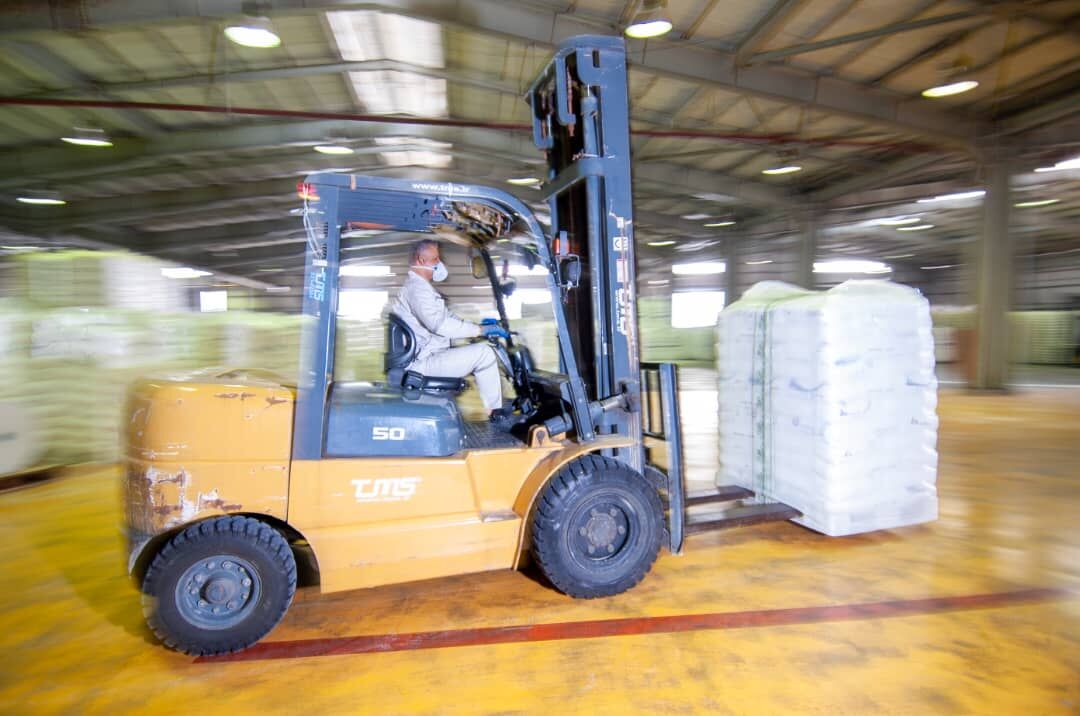
Petrochemical supply up as market stability holds
SHANA (Tehran) – The supply of petrochemical products to Iran’s downstream industries is improving, with higher product availability and continued price stability helping the market move toward balance, according to a senior official at the National Petrochemical Company (NPC).
-
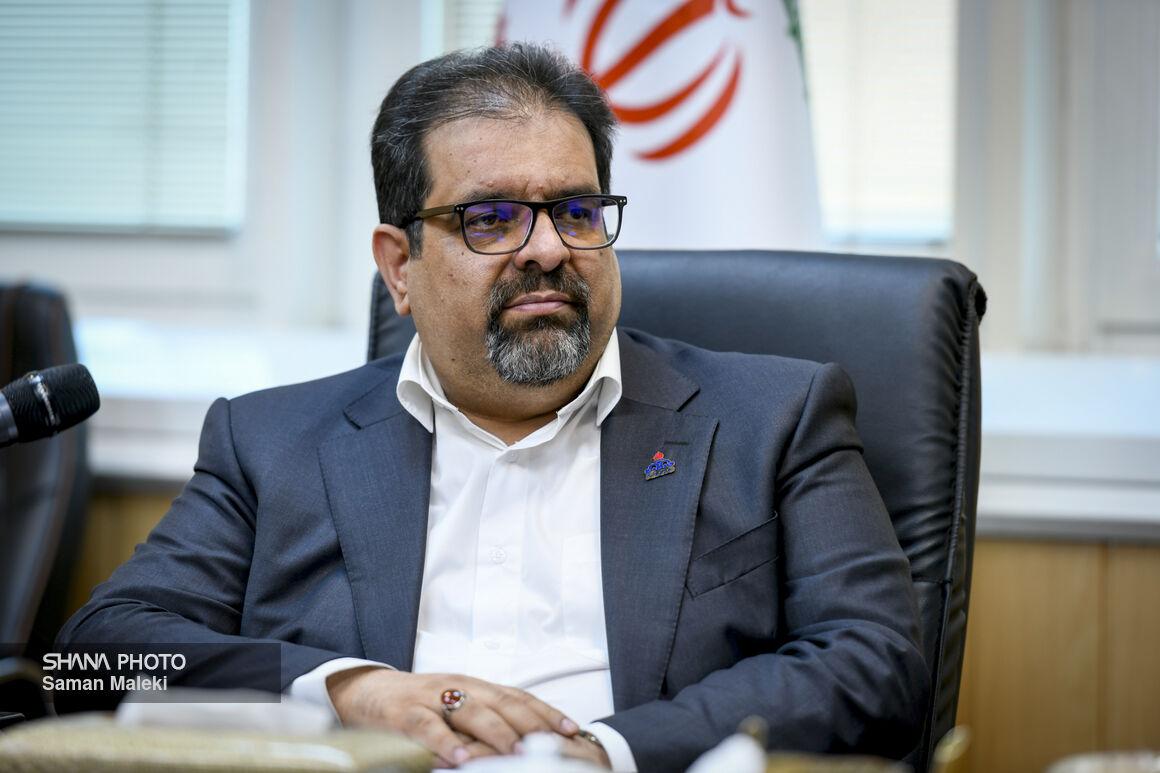
Gas output recovery gains momentum
SHANA (Tehran) – Iran has restored 30 million cubic meters per day of sweet gas processing capacity through integrated management and targeted engineering measures implemented after the Third Imposed War, according to the head of the National Iranian Gas Company (NIGC).
-
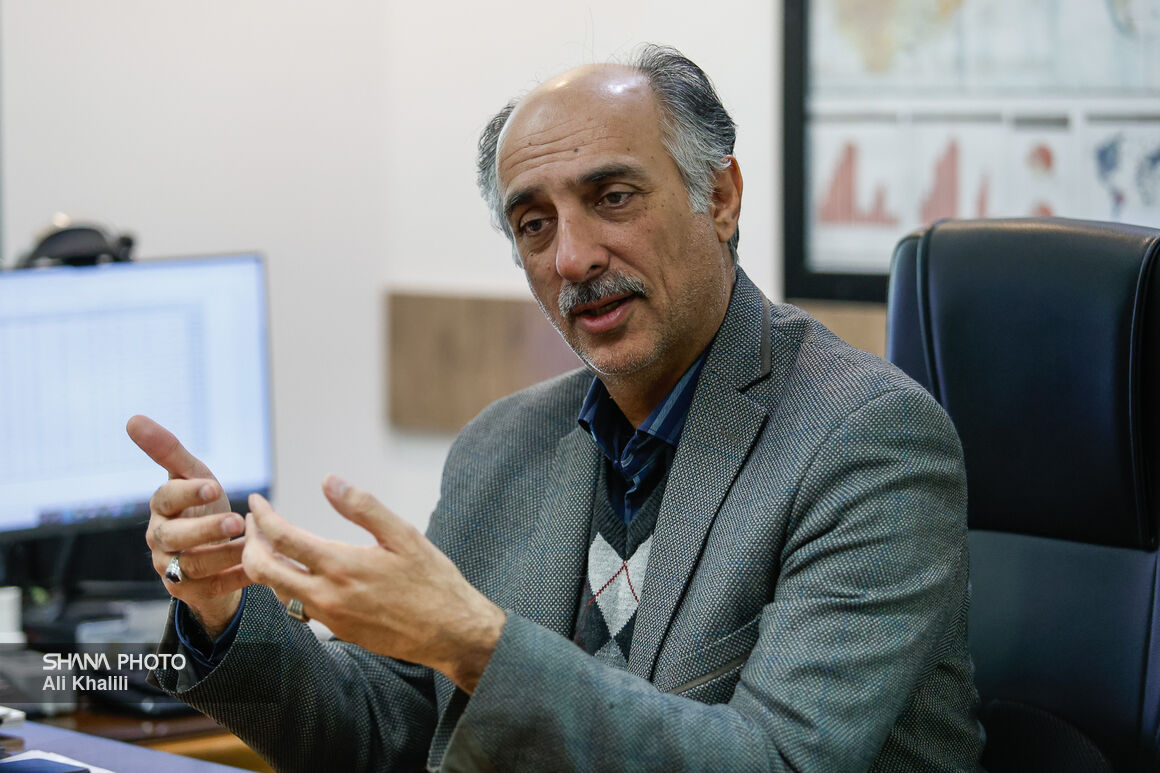
Gas savings target set at 1 bcm in 1405
SHANA (Tehran) – The National Iranian Gas Company expects to save about 1 billion cubic meters of natural gas in the 1405 (2026/27) fiscal year through the implementation of a key initiative aimed at improving energy efficiency and managing gas consumption.
-
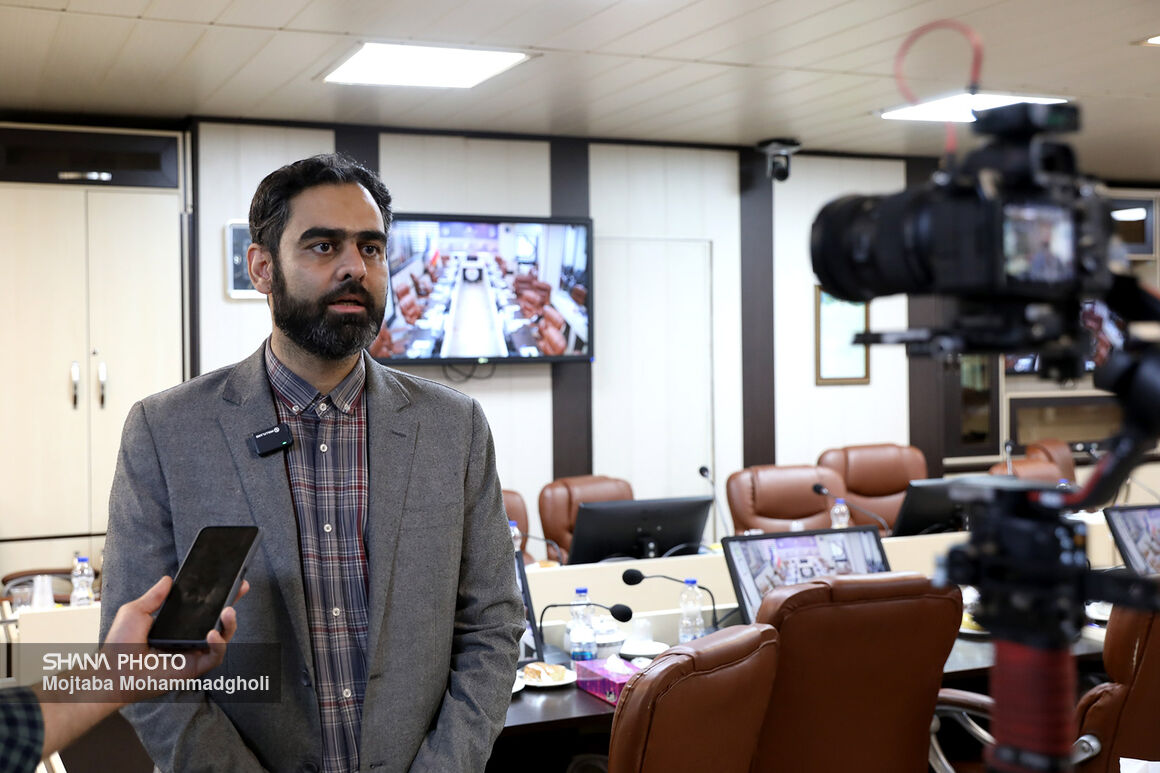
Oil Ministry’s wartime response averted fuel shortages, lawmaker says
SHANA (Tehran) – A member of parliament said the Oil Ministry’s performance during the recent conflict helped prevent fuel and energy shortages across the country despite attacks on critical infrastructure.
-
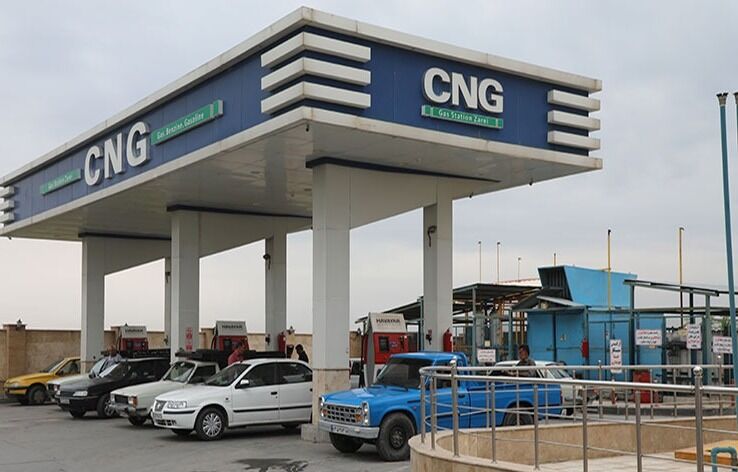
CNG expansion key to cutting gasoline use
SHANA (Tehran) – Developing compressed natural gas (CNG) infrastructure is one of the most effective ways to reduce gasoline consumption, a member of Parliament’s Energy Committee said, stressing that past experience has demonstrated CNG’s significant role in managing fuel demand.
-
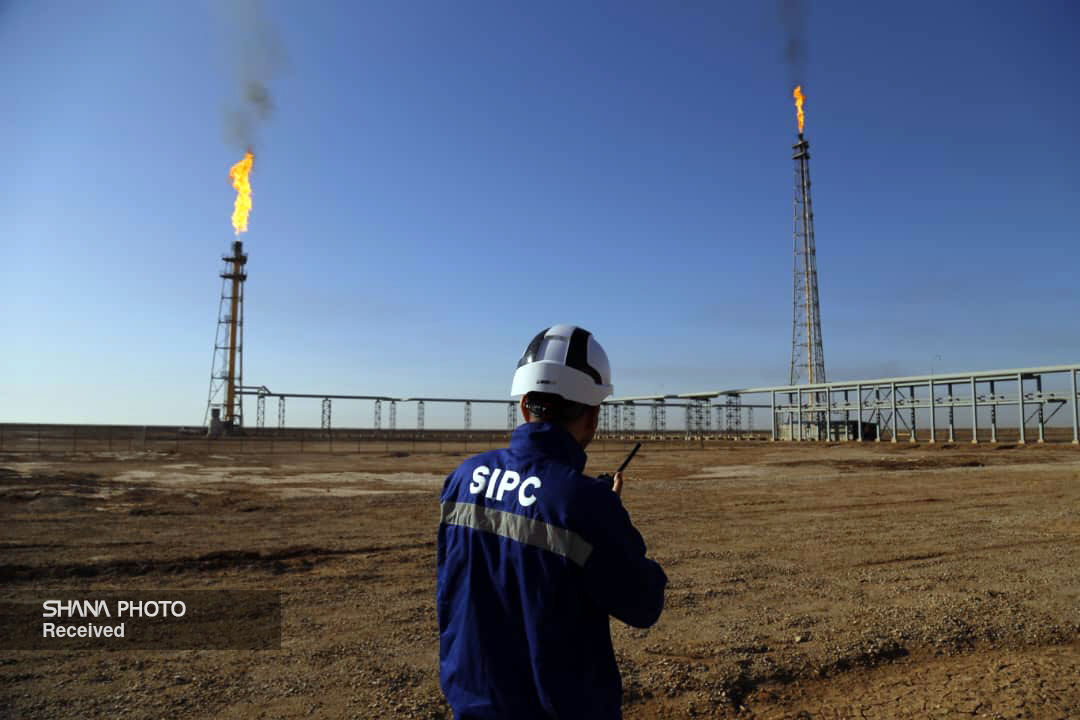
Marun cuts flaring below 6%
SHANA (Tehran) - More than 94% of flare gas has been captured at Marun Oil and Gas Company following a series of operational improvements and infrastructure projects, the company’s CEO said.
-
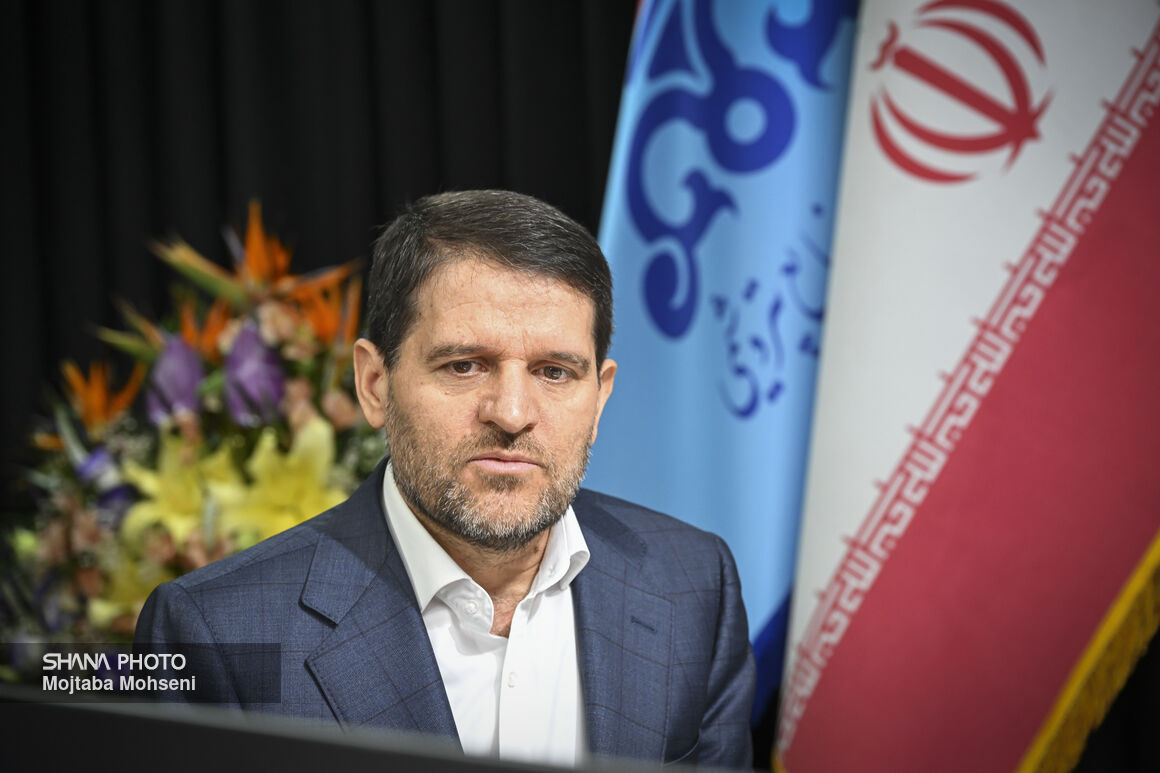
Petchem plants to be rebuilt with advanced technologies
SHANA (Tehran) – The head of the National Petrochemical Company (NPC) said the company will support petrochemical holdings and firms affected by the recent conflict and emphasized that damaged facilities should be rebuilt and brought back into operation using advanced technologies.
-
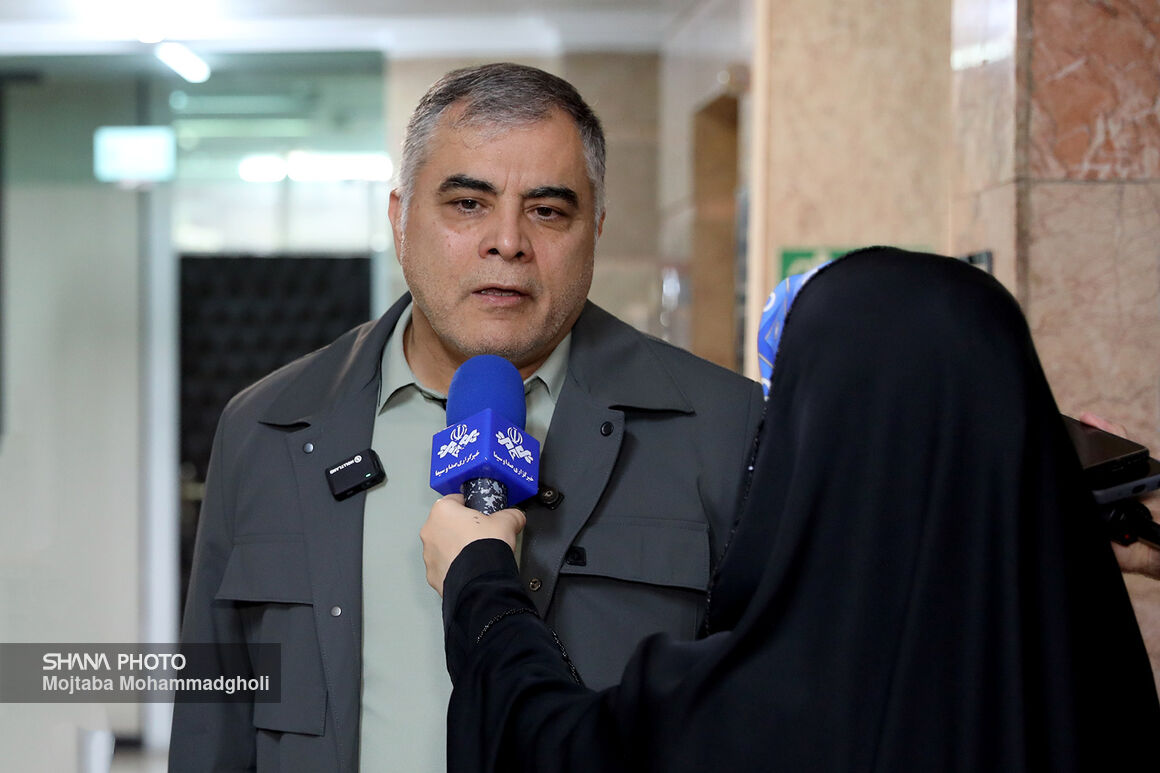
Fuel savings to support public welfare
SHANA (Tehran) – Oil minister said the government is reviewing a package of fuel demand-management measures aimed at reducing gasoline consumption and imports, with any savings potentially redirected toward improving people’s livelihoods.
-
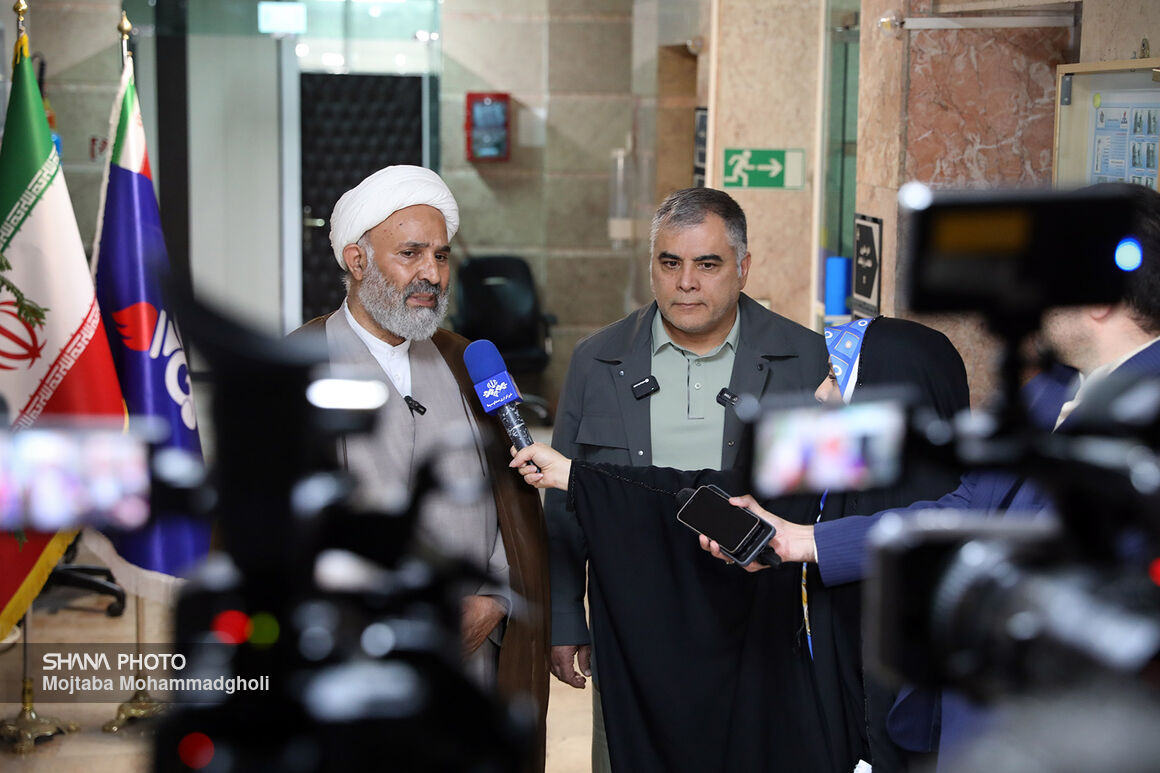
Oil services remain uninterrupted despite enemy attacks
SHANA (Tehran) – The head of Parliament’s Article 90 Committee praised the Oil Ministry for maintaining uninterrupted services despite enemy attacks on the country’s energy infrastructure, commending everyone from frontline operational personnel to senior ministry officials for preventing disruptions to the national fuel supply.
-
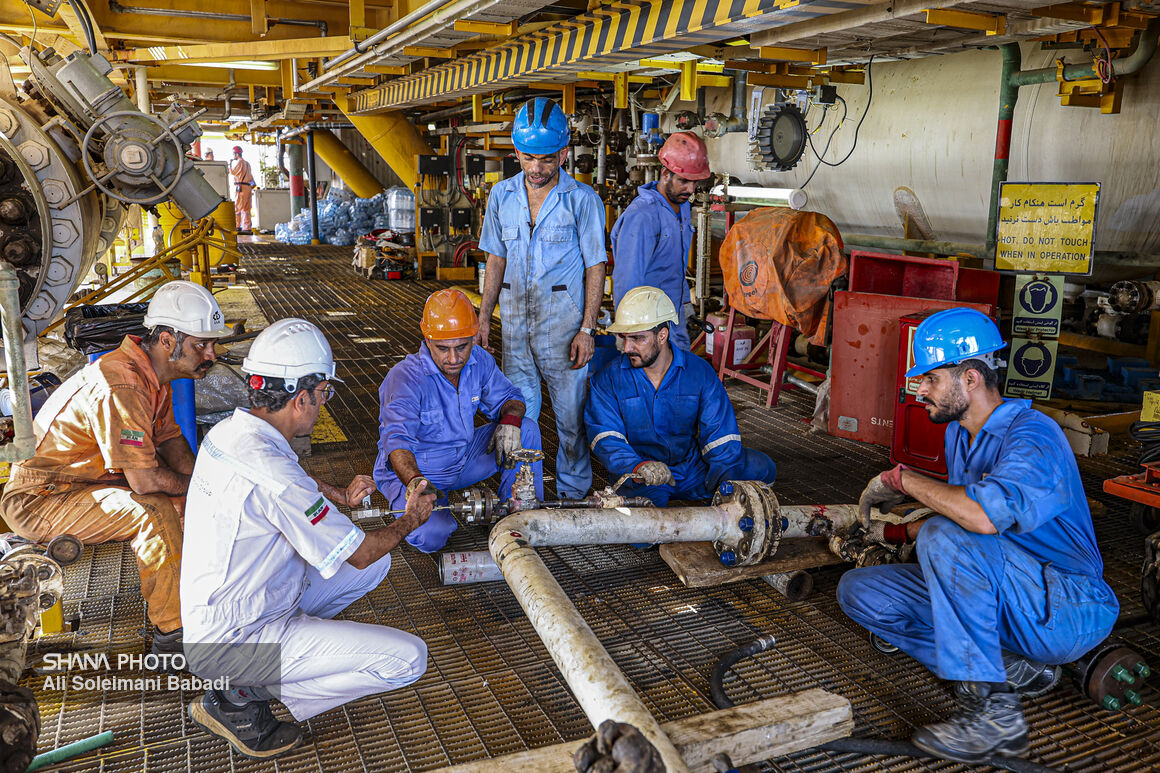
POGC completes overhaul of two offshore gas platforms
SHANA (Tehran) –The major maintenance overhaul of two gas production platforms in Area 1 of the South Pars Gas Field has been successfully completed, involving more than 1,500 operational work orders and over 5,000 man-hours of work, according to a senior operations official.