Top
-
Utilities pricing arbitration seen as step toward smarter petrochemical regulation
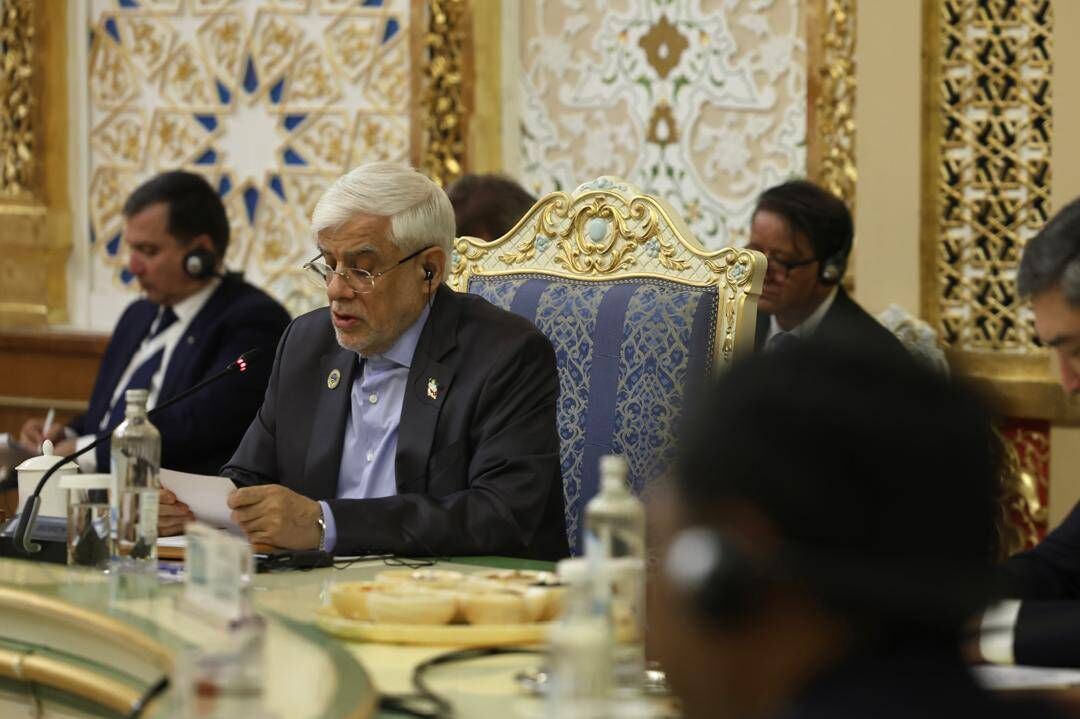
SHANA (Tehran) – The vice chairman of Parliament’s Energy Committee said arbitration over the pricing of auxiliary services marks a move toward smarter regulation in Iran’s petrochemical industry and could pave the way for an independent regulator aligned with international energy governance standards.
-
Petrochemical production capacity hits 100m tons per year
SHANA (Tehran) – Iran's annual petrochemical production capacity has increased by about 3.7 million tons to 100 million tons under the 14th administration, Oil Minister Mohsen Paknejad said Tuesday.
-
Iran sets numerous records in gas production
SHANA (Tehran) – Statistics from the Ministry of Petroleum in the 14th government indicate numerous and historic record-breaking achievements in gas production. This achievement, though shadowed by suboptimal consumption which diminishes its delight, has been realized solely through the perseverance of oil industry personnel, integrated management, and precise planning, painting a picture of our beloved Iran's strength.
-
Historic arbitration ends long-running petrochemical pricing dispute
SHANA (Tehran) – A senior Oil Ministry official said a landmark arbitration ruling that assigns oversight of auxiliary services pricing to the National Petrochemical Company has ended one of the industry’s longest-running disputes and set a new framework for state–private sector interaction.
-
Oil output growth using modern methods on agenda
SHANA (Tehran) – The head of the National Iranian South Oilfields Company said the company’s top priority is producing oil and gas safely and sustainably while fully observing environmental standards, stressing that plans to boost output through modern methods are being pursued in earnest.
تیتر دو
-
Historic record set in power plant fuel reserves
SHANA (Tehran) – Power plant gasoil reserves reached more than 3.4 billion liters for the first time in the country’s history in Aban this year, equivalent to more than 90% of total storage capacity. The level marks an increase of 86% and 6%, respectively, compared with the highest reserves recorded in the Iranian years 1403 (2024) and1402 (2023).
-
South Pars: From record gas output to higher efficiency
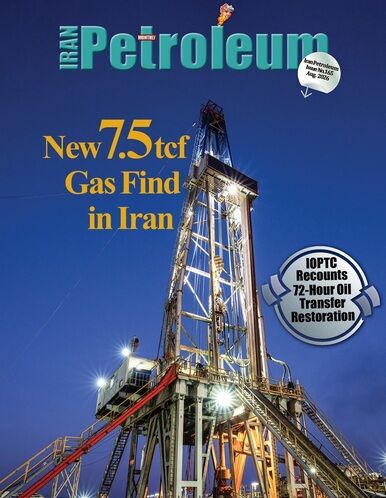
SHANA (Tehran) – Pars Oil and Gas Company, the developer of the world’s largest gas field, has experienced a distinct period of operational and development activity under Iran’s 14th administration, marked by stabilized output at the shared South Pars field, record gas production, higher asset efficiency and groundwork for new offshore gas developments in the Persian Gulf.
-
Domestic capacity key to gas network stability
SHANA (Tehran) – The head of the National Iranian Gas Company said expanding gas storage and relying on domestic capabilities are essential to ensuring the stability of the country’s gas network, noting that the decision to locally manufacture gas storage equipment has significantly improved reliability.
-
Shiraz refinery project prevents release of 20 tons of sulfur
SHANA (Tehran) – The economic deputy of the Armed Forces Social Security Organization said the Shiraz refinery diesel quality upgrade project (DHT), comprising 13 processing units, has been completed and will prevent the daily release of 20 tons of sulfur into the environment.
Analysis
-
Boosting Well Productivity by Innovative Strategies
SHANA (Tehran) - Iran sits atop the world’s largest hydrocarbon reserves, with its massive South Pars gas field alone holding an estimated 280 tcf of recoverable natural gas. Yet despite this abundance, maximizing well productivity remains a critical challenge for Iran’s oil and gas industry.
-
Iran Oil Sector: A Paradox of Potential and Opportunity
SHANA (Tehran) - Iran, strategically located in the Middle East and Central Asia, holds a huge amount of oil and gas. We are talking about some of the world’s largest proven crude oil and natural gas reserves. This means the country’s energy sector is incredibly important on the global scene, with immense potential for investment and for really capitalizing on Iran’s substantial wealth.
-
War on Iran Ignites Long-Term Global Oil Instability
SHANA (Tehran) – The recent air strikes by the Zionist regime on Iran’s industrial centers, oil and gas facilities, and civilians have sent shockwaves through the global oil markets. The attacks led to a significant but short-lived increase in prices.
-
War of Aggression on Iran and Global Energy Security
SHANA (Tehran) – Ever since the Zionist regime launched its invasion of Iran, energy has become a pivotal issue in international fora. Two key issues, energy price and energy security, were focused upon by the media, political elite, and economists due to Iran’s prominent role in energy production and exports and its strategic position in the Strait of Hormuz.
-
Analysis of the War on Iran
SHANA (Tehran) –The 12-day war imposed by the Tel Aviv regime against Iran on 13 June 2025, targeting mainly nuclear and military installations in addition to infrastructure, constitutes one of the most complicated geopolitical crises of recent decades. Iran responded forcefully to the strikes. Although the United States initially refused to engage in the war, there was no doubt from the very beginning that it was the main ally of the Zionist regime in this crisis. That is why, when it was convinced that Iran had the upper hand on the battlefield, the US intervened and bombed Iranian nuclear facilities. It is highly significant to review the Zionist regime and the US objectives and scenarios in the war on Iran.
-
Attack on the Heart of Energy Security
SHANA (Tehran) – Energy security scholarship has long recognized the interconnected nature of global energy systems (Yergin, 2006; Winzer, 2012). The concept encompasses not merely the availability of energy resources but also the stability of supply chains, market predictability, and the resilience of energy infrastructure. Climate policy literature similarly emphasizes the need for coordinated international action and stable investment environments to achieve decarbonization goals (IPCC, 2022).
Report
-
$3.5bn Invested in Tehran Refinery Upgrading
SHANA (Tehran) - Tehran’s oil refinery is among the oldest and leading oil refining facilities in Iran. It is instrumental in producing vital fuels like gasoline, gasoil and jet fuel. With a refining capacity of 250,000 b/d of crude oil and enjoying a strategic location near Tehran, the facility has a major share in national energy supply. Upgrading the quality of petroleum products has been a priority of the Ministry of Petroleum under the 14th administration. That would require upgrading the refinery.
-
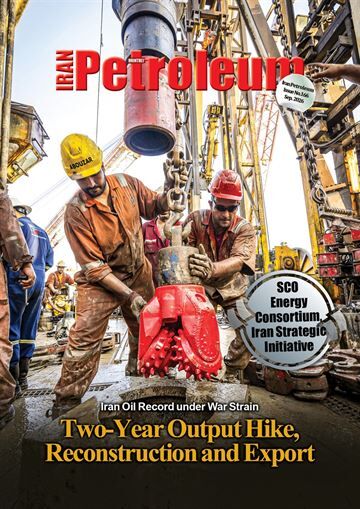
Iran Oil Industry Unfazed by War
SHANA (Tehran) – Nearly four decades after the end of the imposed war on Iran, the Zionist regime, which has occupied Palestine, launched military strikes on Tehran and some other cities as well as Iran’s oil facilities in a flagrant violation of international law and national sovereignty of the Islamic Republic of Iran.