energy imbalance
-
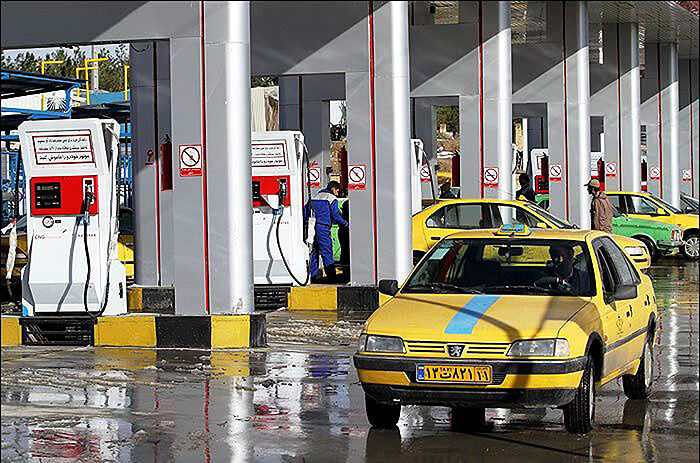
CNG development seen as most cost-effective way to address gasoline imbalance
SHANA (Tehran) – Expanding compressed natural gas use is one of the fastest and most cost-effective ways to address Iran’s gasoline imbalance, a member of Parliament’s Planning and Budget Committee said.
-
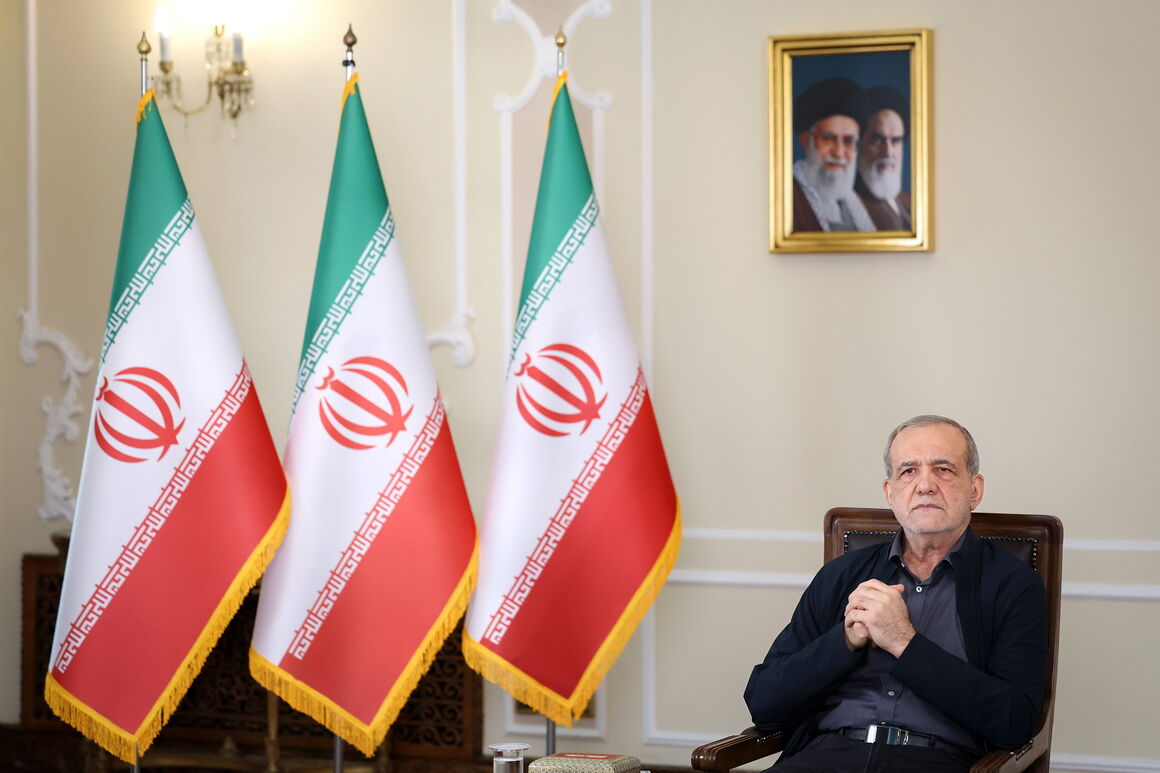
President cites energy imbalance as key challenge
SHANA (Tehran) — President Masoud Pezeshkian said energy imbalance was among the most significant challenges facing his administration during its first two years in office, alongside war, sanctions, water shortages and drought, as he reflected on the government's record ahead of the third year of his presidency.
-
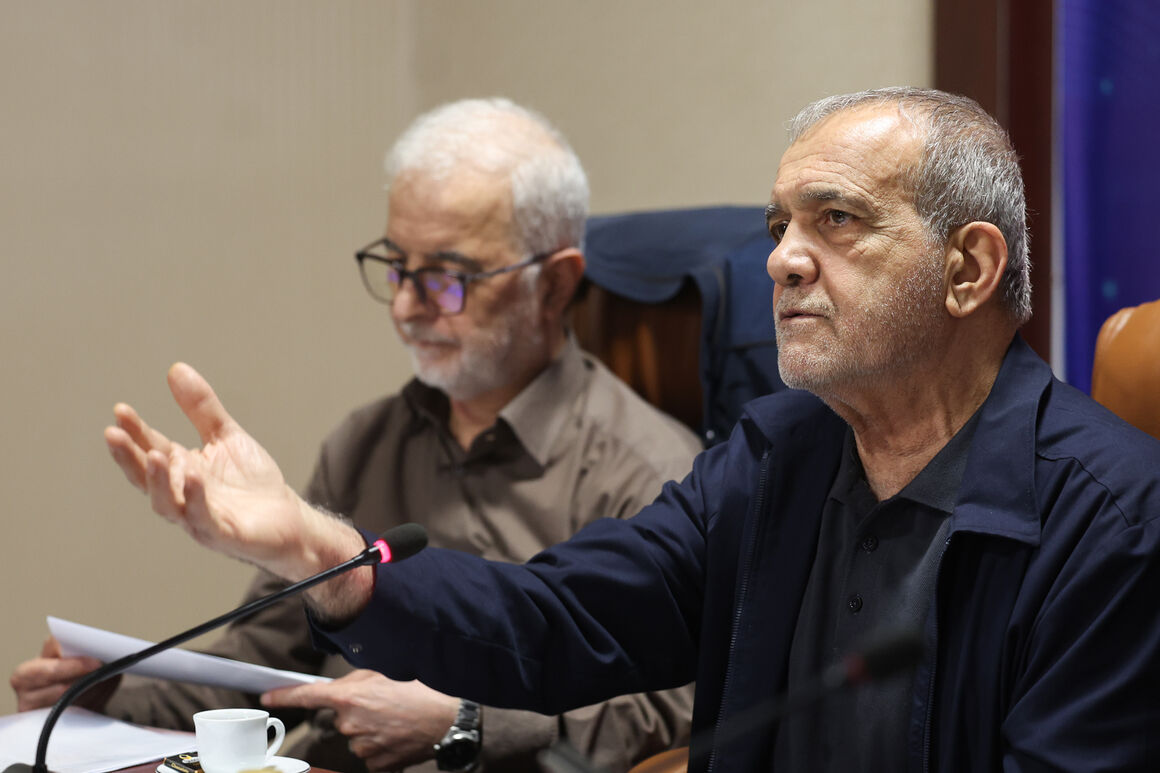
Pezeshkian: Unbalanced development, poor management fuel national imbalances
SHANA (Tehran) – President Masoud Pezeshkian said unbalanced development and non-scientific management are the root causes of many of Iran's structural imbalances, including the country's energy imbalance, stressing the need for evidence-based policymaking and more efficient governance.
-
Gas output drive aims to ease energy imbalance
SHANA (Tehran) – A lawmaker of Parliament Energy Committee said the Oil Ministry’s emergency plan to boost onshore gas production is a key measure to help manage the country’s energy supply-demand imbalance.
-
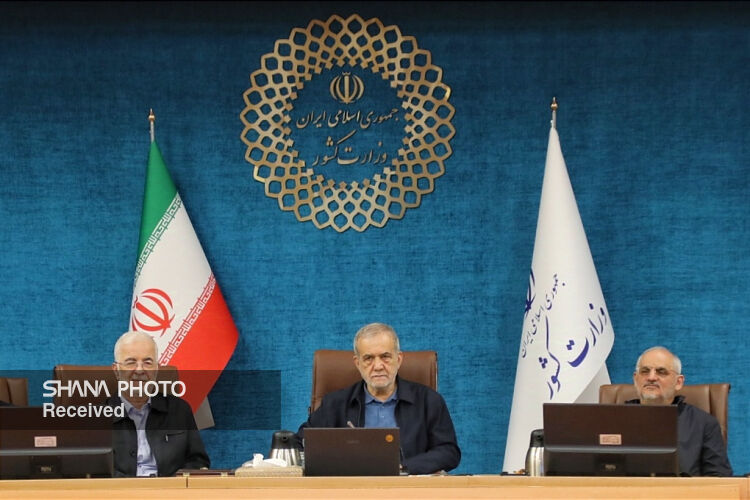
President urges public mobilization to address energy imbalance, fuel consumption
SHANA (Tehran) — President Masoud Pezeshkian said leveraging public participation through the “Jan-Fada” campaign is one of the government’s most important tools to address the country’s energy imbalance, maintain production and protect livelihoods.
-
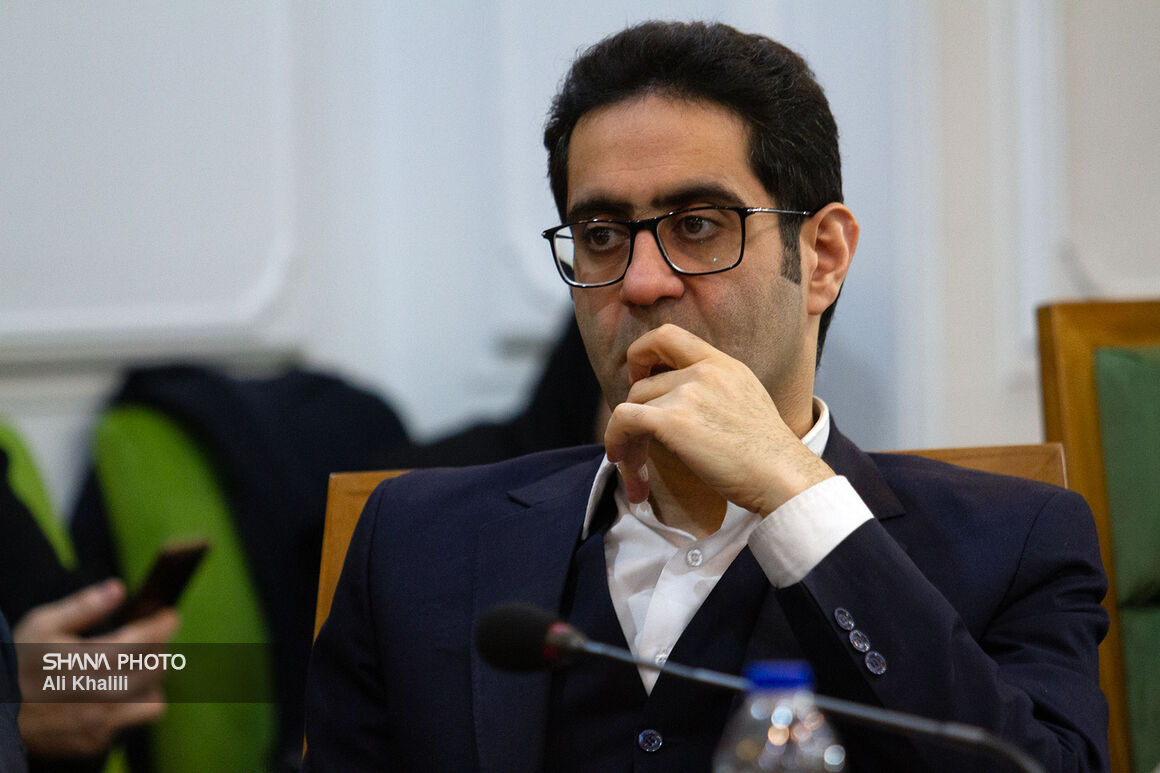
Measures proposed to address energy imbalance after war
SHANA (Tehran) — Iran’s oil industry successfully navigated the challenges of the Ramadan war, and three key measures are being prioritized to manage energy imbalances in the short term, a senior Oil Ministry official said.
-
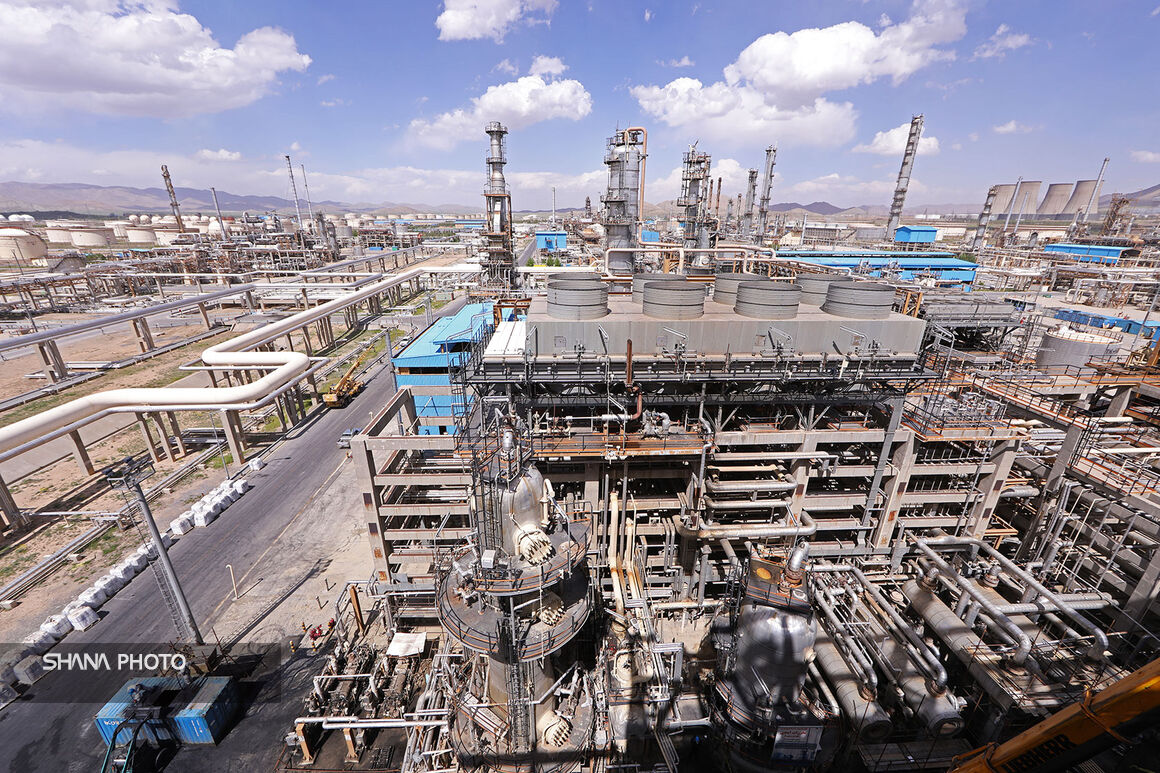
Energy imbalance eases under current gov’t
SHANA (Tehran) – The performance of the National Iranian Oil Refining and Distribution Company (NIORDC) under the 14th government shows that a combination of higher production, improved fuel quality, demand management, infrastructure expansion and balanced reserves helped reduce the country’s energy imbalance and strengthen the stability of fuel and power networks.
-
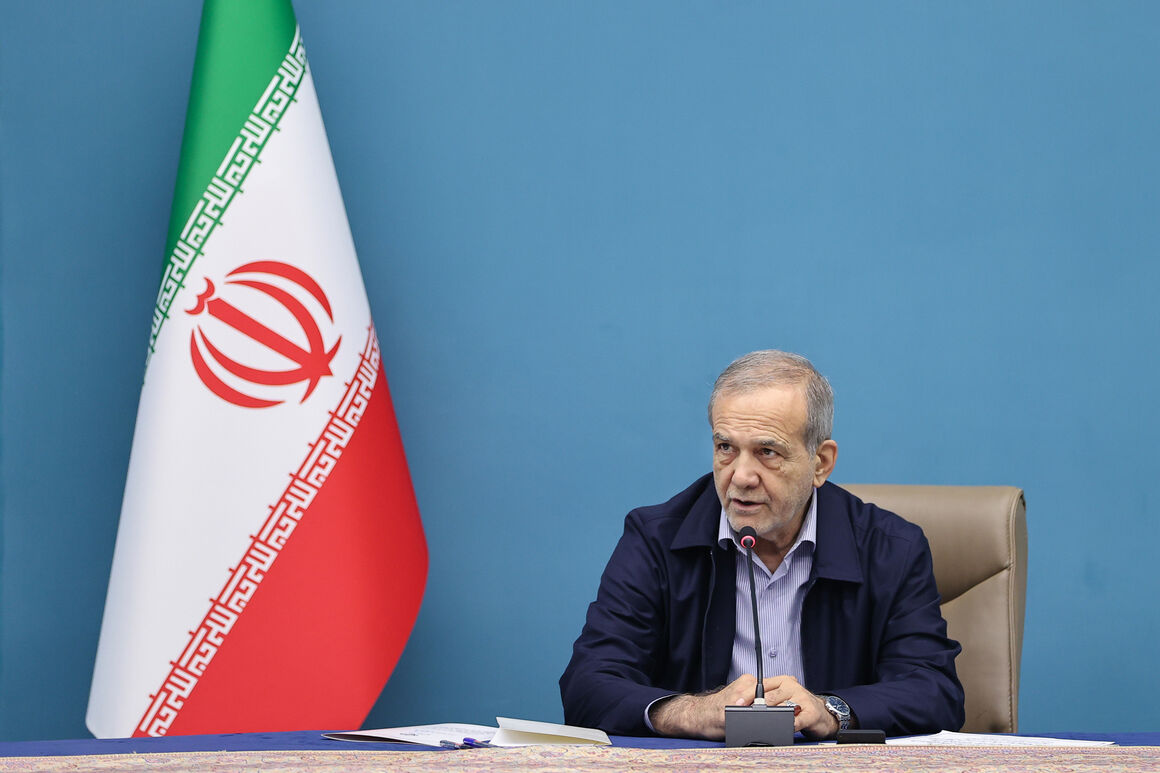
Energy imbalance reforms must prioritize people’s livelihoods
SHANA (Tehran) – President Masoud Pezeshkian said any action or program to address energy imbalances must prioritize the impact on people’s livelihoods, housing, health care and education, stressing that improving living standards is the government’s main objective.
-

Energy Optimization Organization seen as step toward better energy governance
SHANA (Tehran) – The research and technology director of the National Iranian Gas Company praised the government’s creation of a new “Energy Optimization and Strategic Management Organization,” saying the structure could move the country closer to stronger energy governance.
-
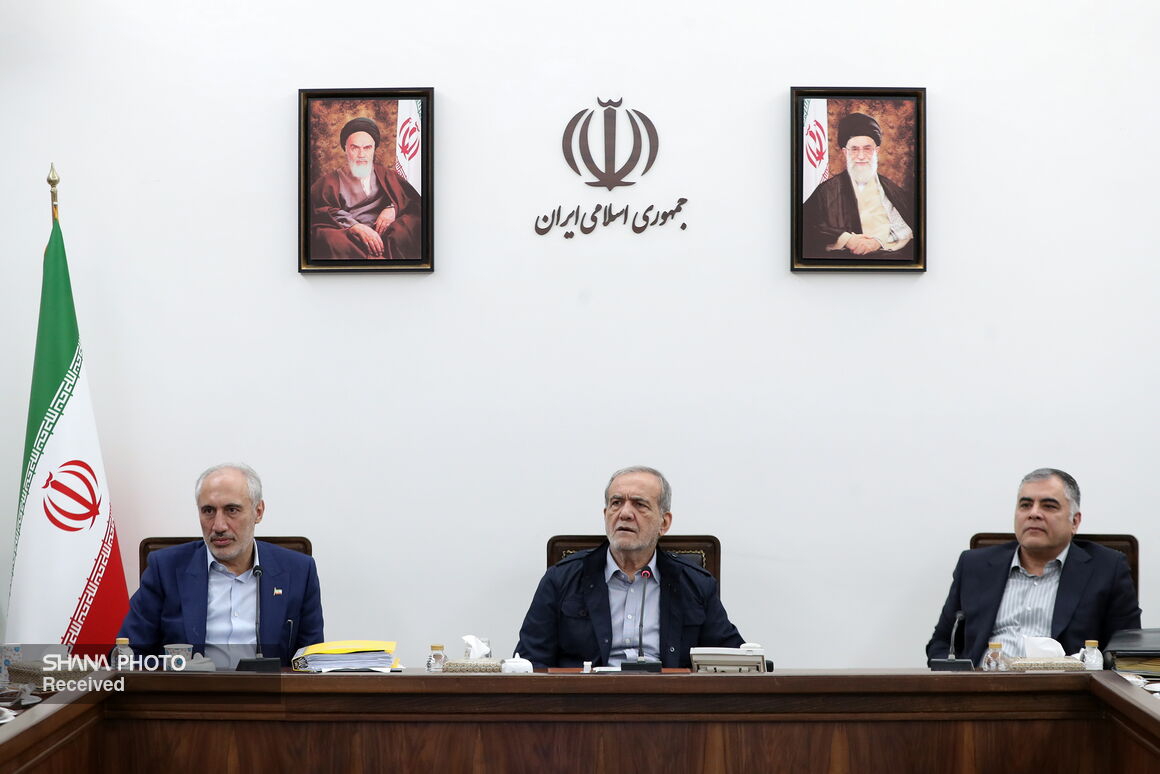
President chairs meeting on plans to boost production, address energy imbalance
SHANA (Tehran) – President Masoud Pezeshkian on Wednesday chaired a meeting to review plans aimed at increasing production and addressing imbalances in the country’s energy sector.
-
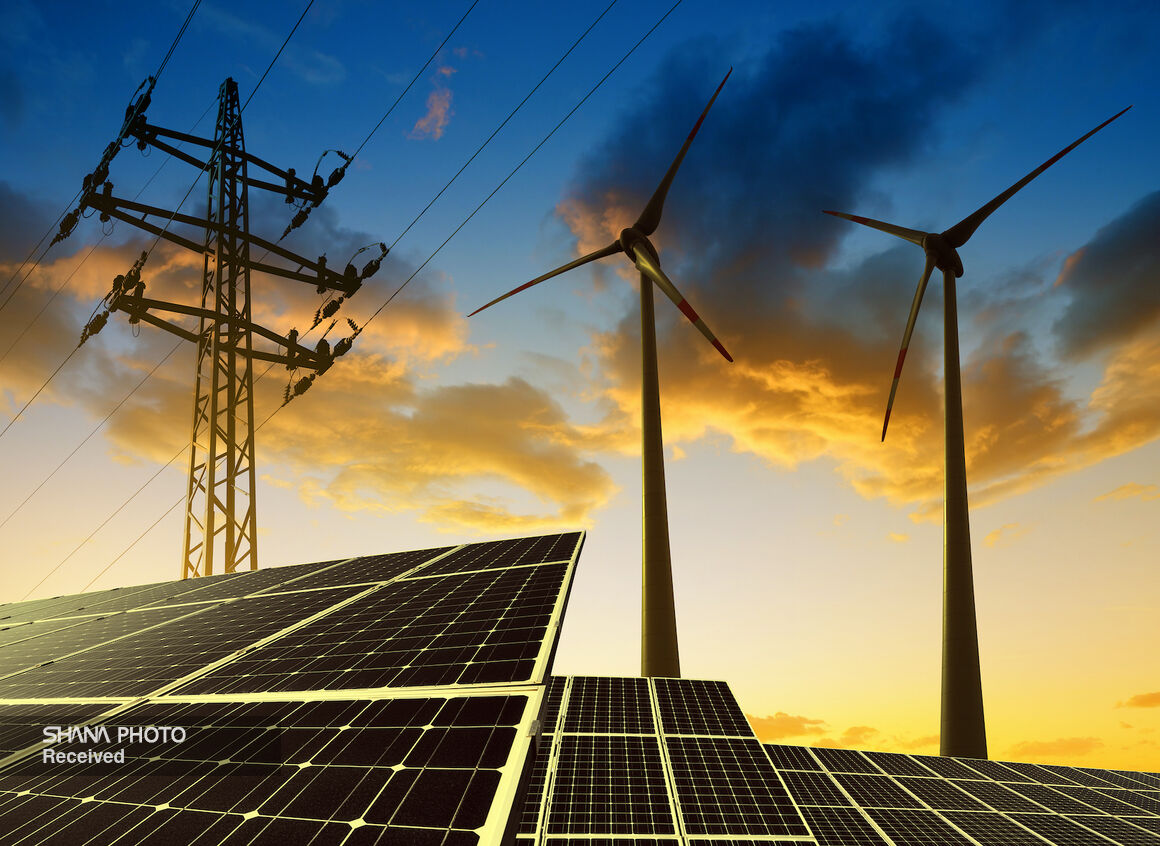
Renewables development seen as solution to energy imbalance
SHANA (Tehran) – Renewable energy development is one of the most effective ways to address the country’s energy imbalance, a member of the Iranian Parliament’s Industries and Mines Committee said.
-
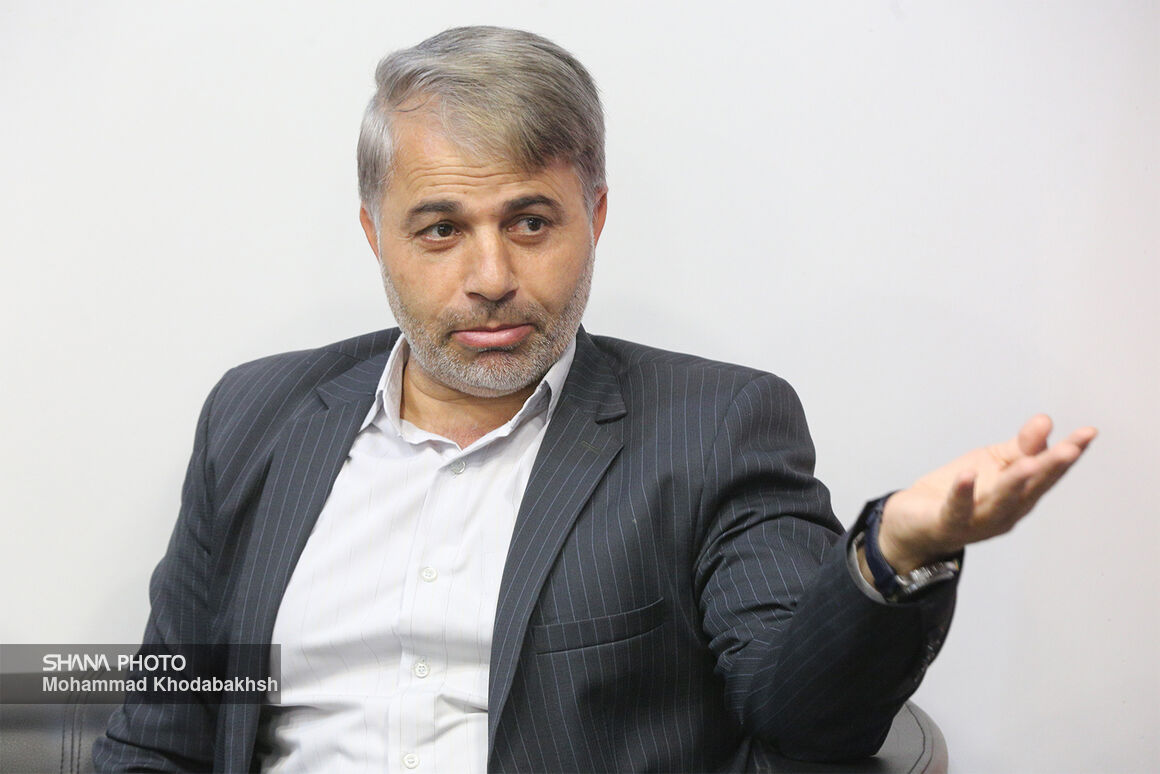
Oil Ministry adviser:
Fixing energy imbalance requires expert commitment
SHANA (Tehran) – The Oil Ministry’s energy optimization adviser said addressing Iran’s energy imbalance requires firm determination and expert-driven action, free from political influence.
-
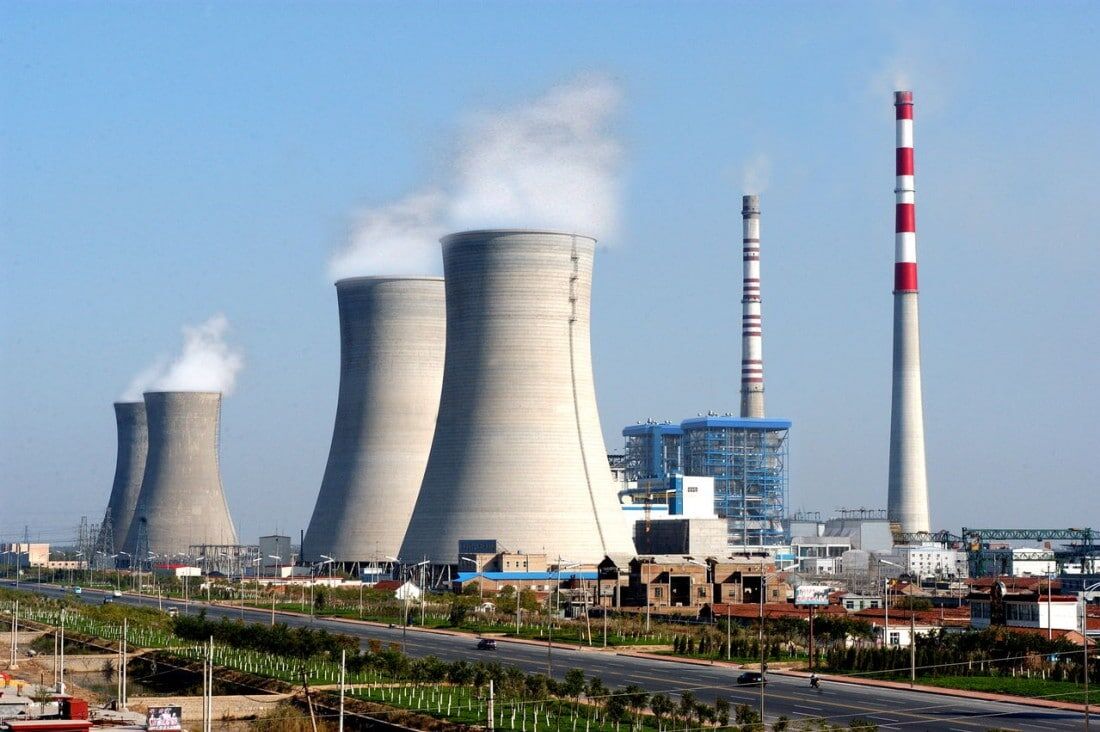
Roots of imbalance, rising winter pressure on gas resources
SHANA (Tehran) – The deputy chairman of the Iranian Parliament’s Energy Committee said broad subsidies, shallow-tiered tariffs, and declining upstream investment are the main roots of the country’s energy imbalance. He added that the high share of gas in power generation, the slow pace of renewable energy development, and increased electricity use for heating in some regions have intensified pressure on gas resources during the winter.