-
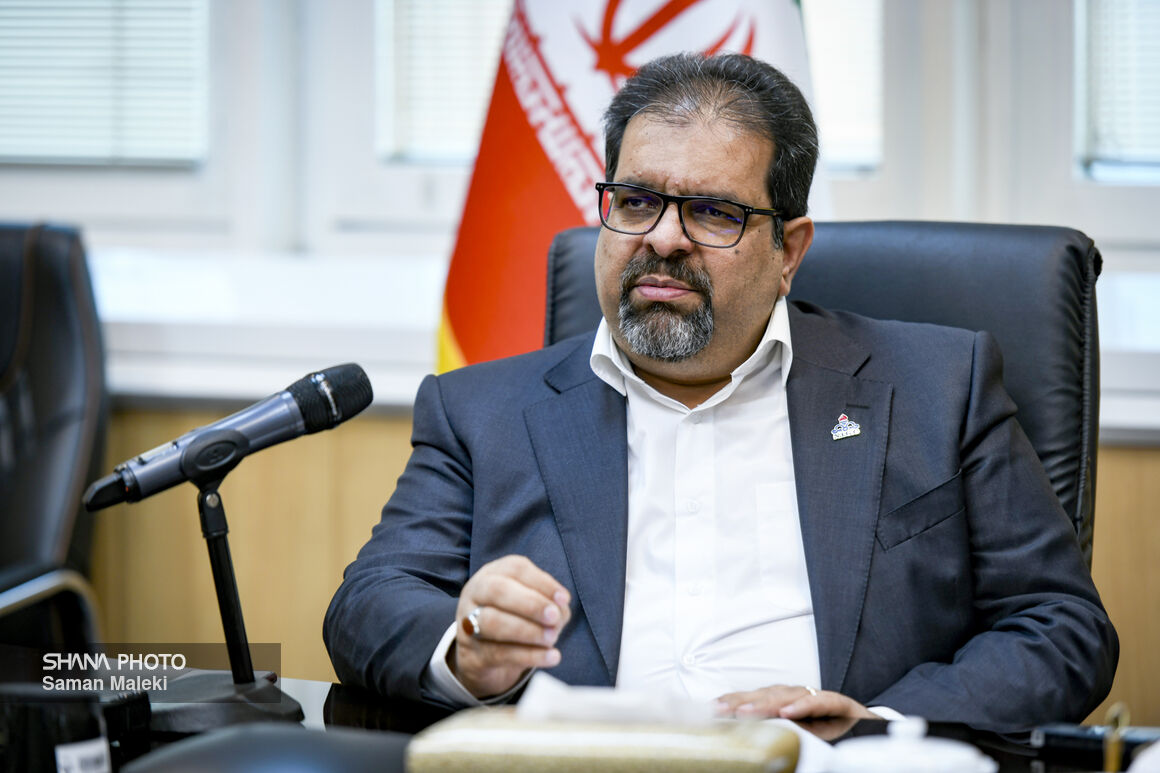
NIGC says fuel supply stable despite South Pars output drop
SHANA (Tehran) – The head of the National Iranian Gas Company said the country maintained stable fuel supplies to power plants and industry in the first six months of the year, even as production at the South Pars gas field declined.
-
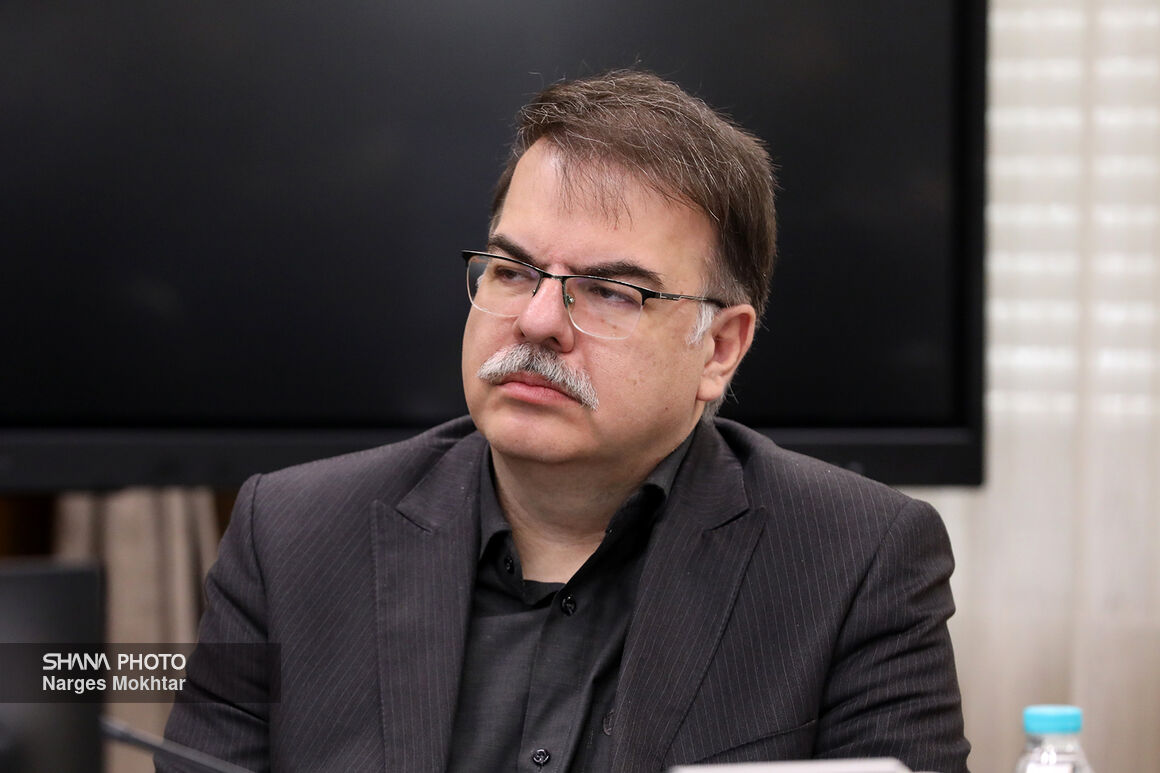
NPC announces task force to speed plant rebuilding
SHANA (Tehran) – National Petrochemical Company (NPC) will form a joint task force to draft a special support package aimed at speeding the reconstruction of war-damaged petrochemical units and returning them to production, with backing from the Oil Ministry, the company's CEO said.
-
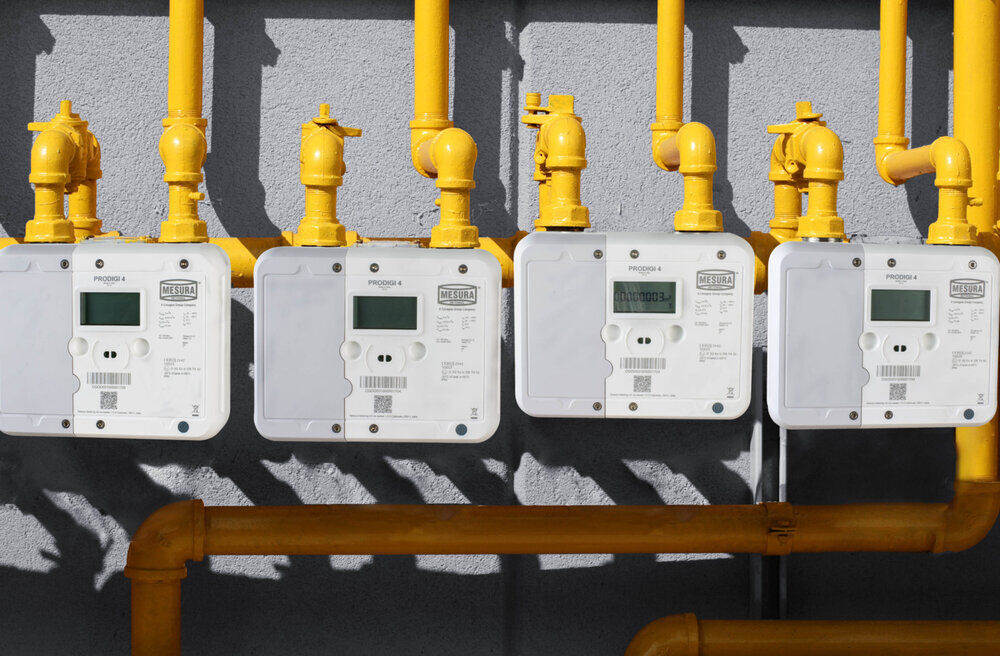
MP calls for smart energy management ahead of winter peak
SHANA (Tehran) – Mohammad Ka’ab-Omeir, deputy chairman of the Iranian Parliament’s Energy Committee, stressed the need for coordination among government agencies, industries and the public, saying smart energy consumption management and continuous monitoring of the gas network can help the country navigate the winter peak sustainably.
-

Iran holds first gas retail trade on Energy Exchange
SHANA (Tehran) — The National Iranian Gas Company has offered and traded about 44 million cubic meters of natural gas for the first time under a retail gas model on the Iran Energy Exchange, NIGC Managing Director Saeid Tavakoli said.
-
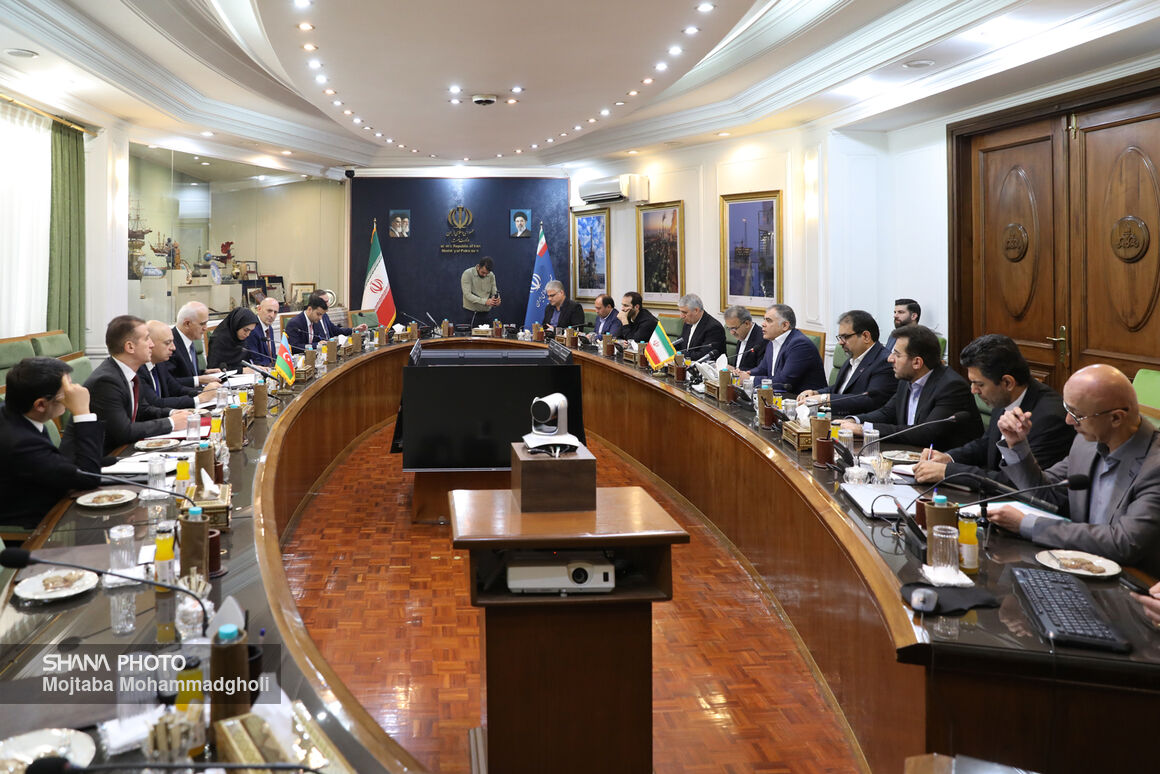
Iran, Azerbaijan discuss energy cooperation
SHANA (Tehran) – Iranian Oil Minister Mohsen Paknejad holds a meeting with Shahin Mustafayev, deputy prime minister of Azerbaijan, on September 29, 2026, for talks on energy cooperation.
-
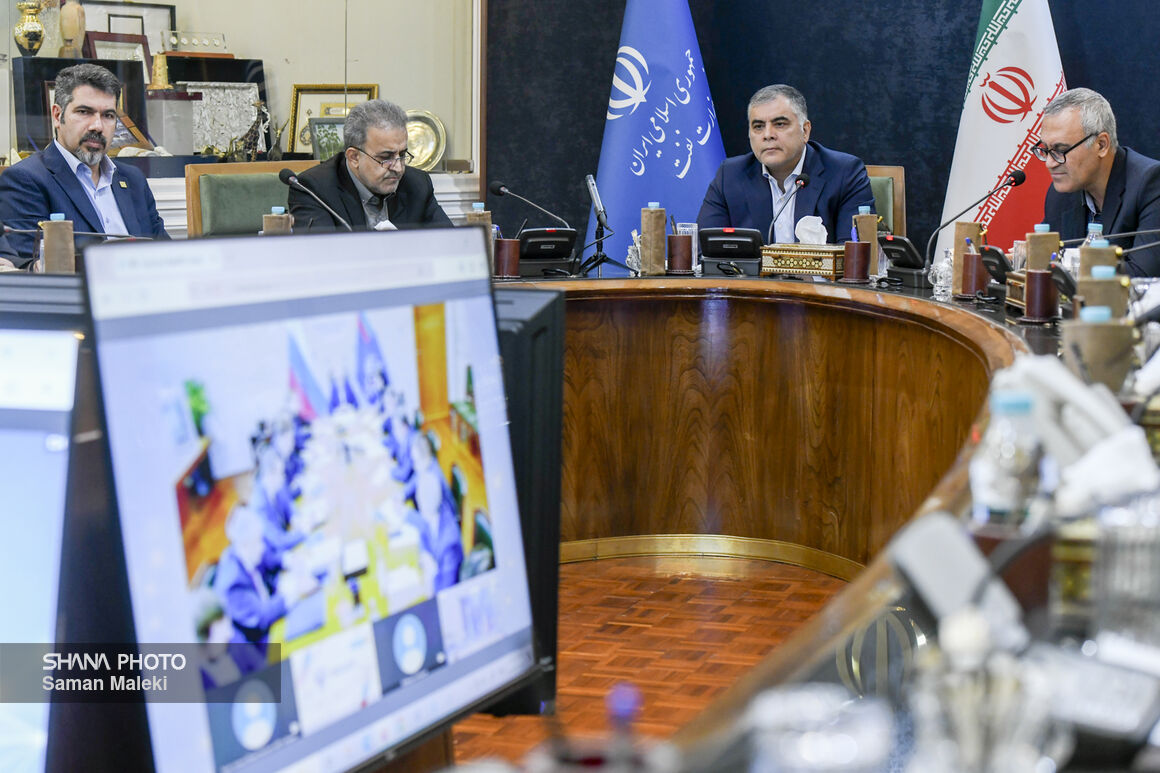
Iran, Russia ministers hold video meeting
SHANA (Tehran) – Iranian Oil Minister Mohsen Paknejad and Russian Energy Minister Sergei Tsivilev hold a video conference on September 28, 2026, as part of the Iran-Russia Joint Commission on Economic Cooperation.
-
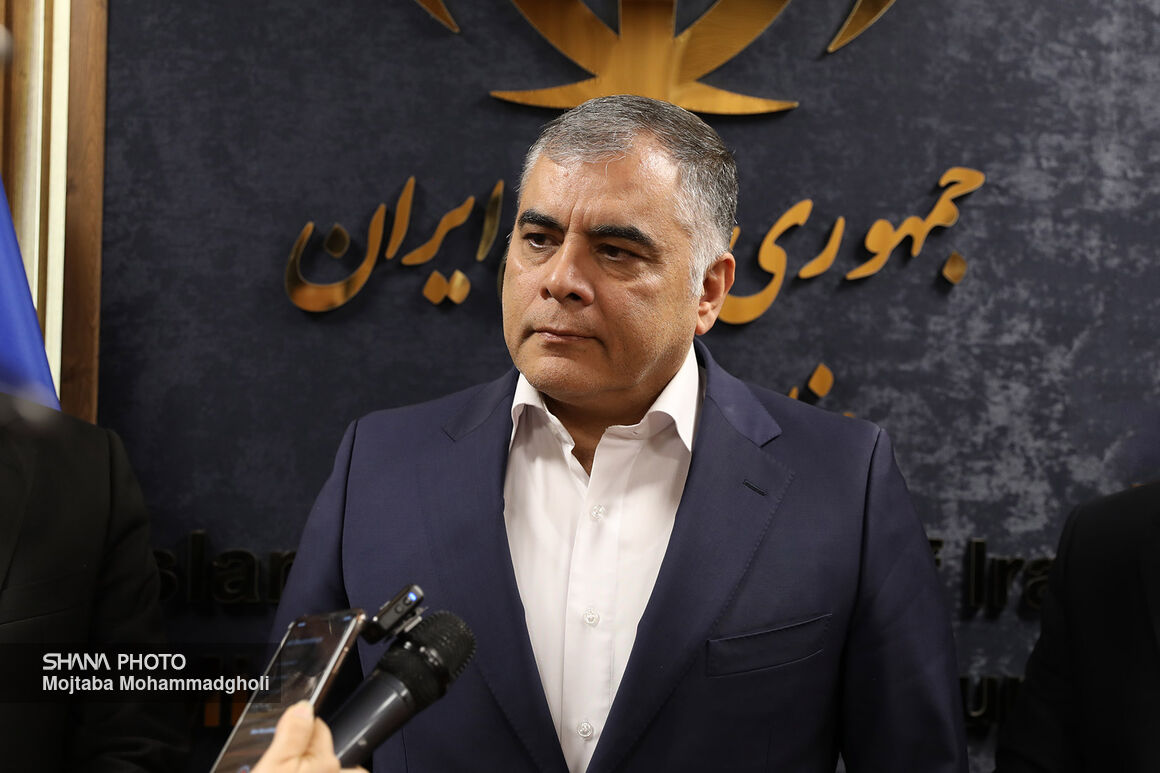
Iran, Azerbaijan to advance energy cooperation via joint working groups
SHANA (Tehran) – Oil Minister announced that Tehran and Baku are reviewing existing capacities to expand energy cooperation and will follow up on agreed areas through joint working groups.
-
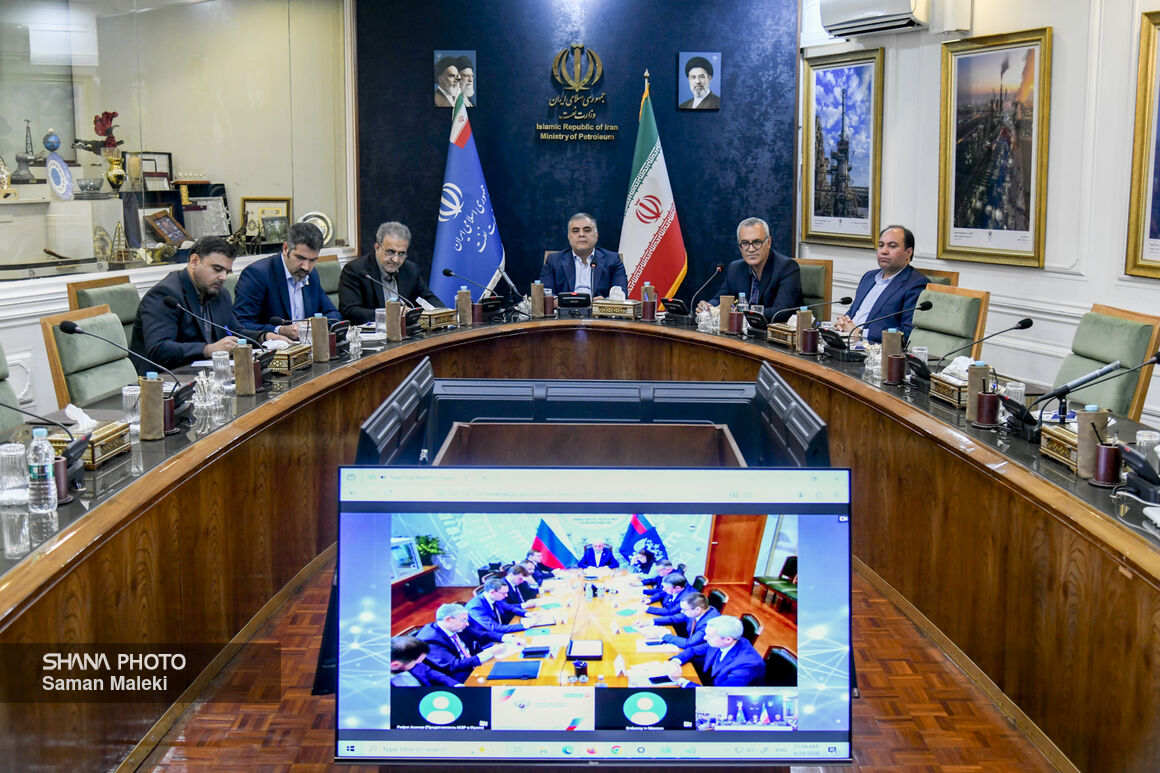
Tehran, Moscow discuss ways to speed up economic deals
SHANA (Tehran) — Iran and Russia have proposed bilateral solutions to remove obstacles and speed up the implementation of agreements reached by their joint economic commission, Iran's oil minister said Tuesday.
-
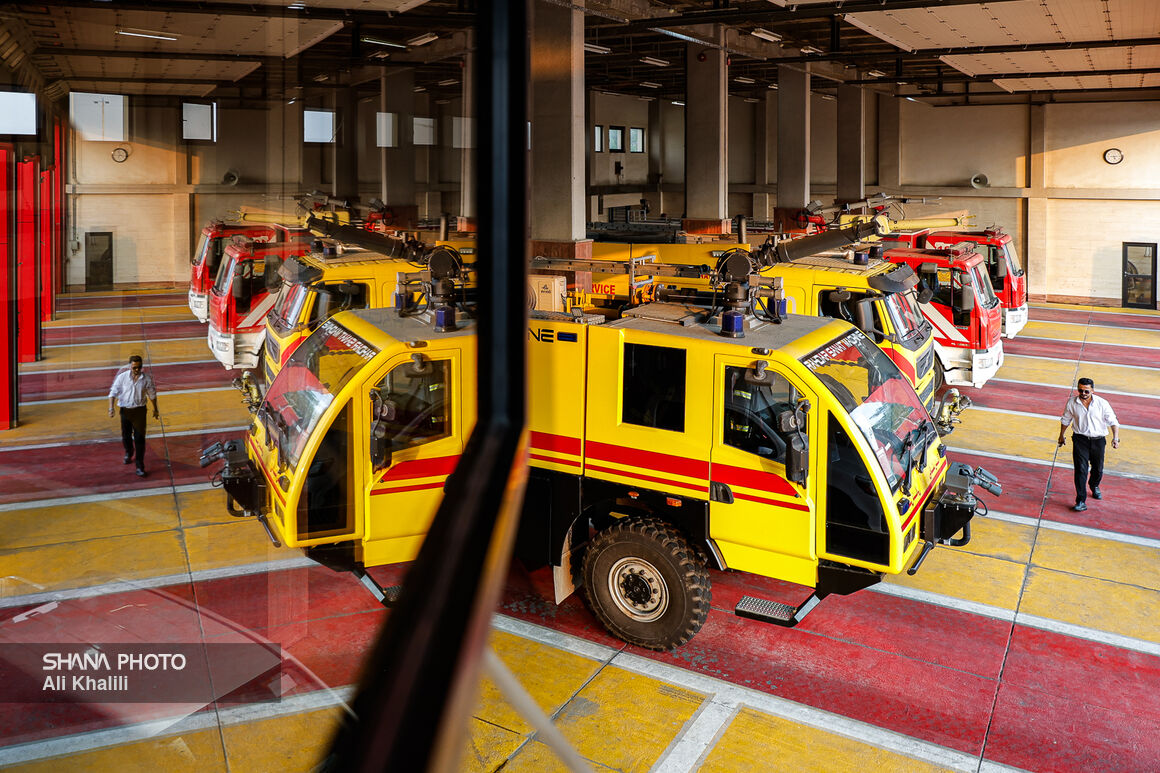
NIOC touts smart safety push
SHANA (Tehran) — The National Iranian Oil Company is expanding smart and preventive programs to improve its readiness for emergencies and threats, a senior safety official said.
-

POGC completes first stage of South Pars Phase 11 development
SHANA (Tehran) — The head of Pars Oil and Gas Company said the first stage of South Pars Phase 11 development has been completed, with output from the border section of the shared field reaching 1 billion cubic feet per day, or about 28 million cubic meters.
-
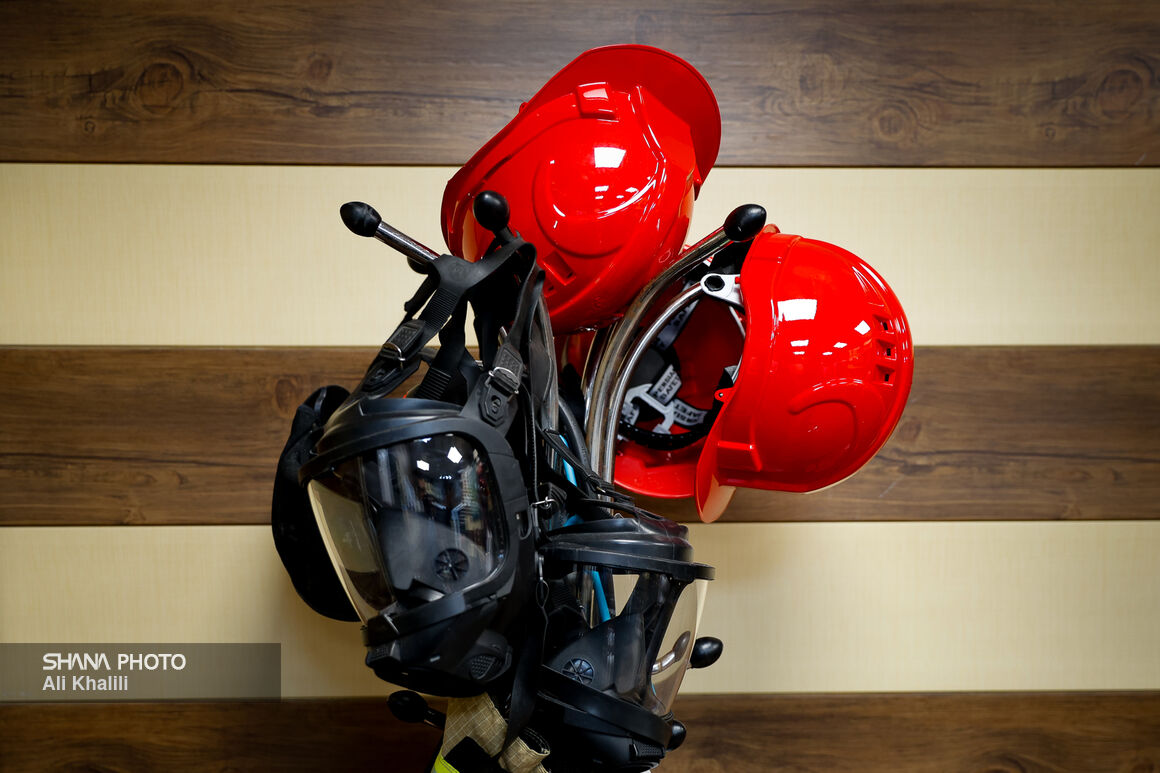
Oil industry firefighters honored on Firefighting, Safety Day
SHANA (Tehran) — Iran's oil industry marked National Firefighting and Safety Day on Tuesday by honoring firefighters killed in a 1980 Iraqi air raid on the Abadan refinery and by praising crews who worked under fire during the 12-day war.
-
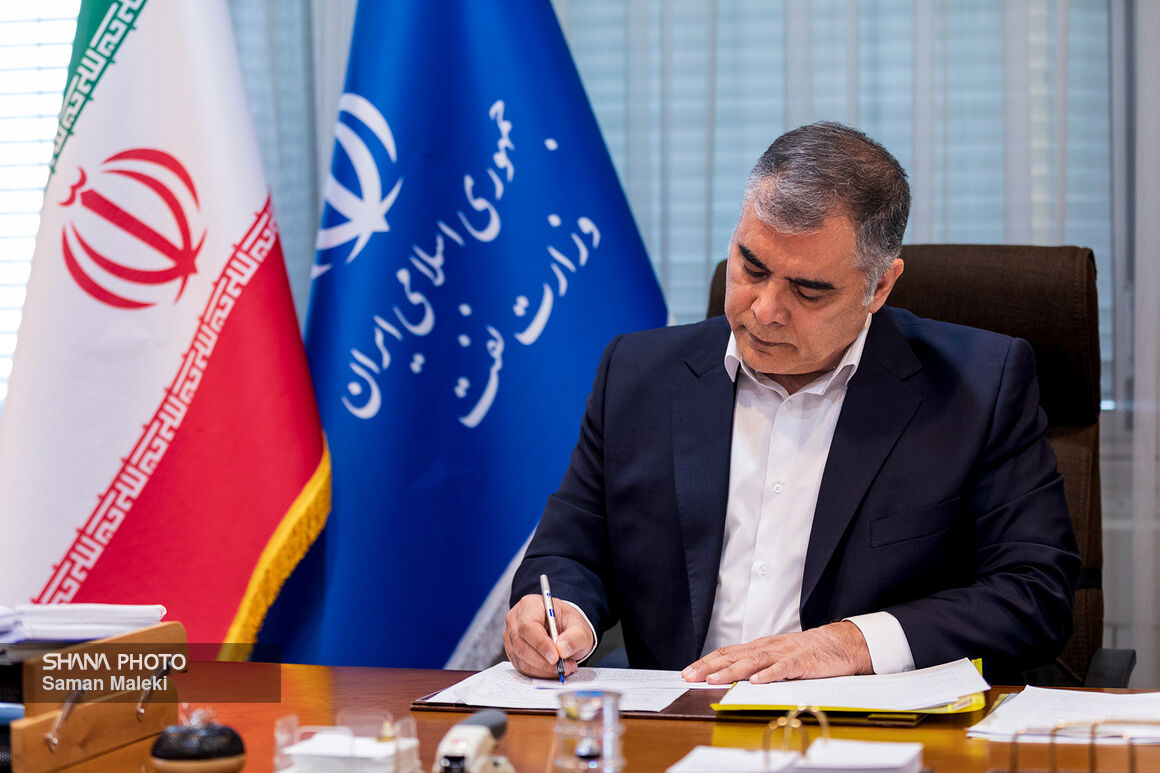
Minister: Firefighters key to industry resilience
SHANA (Tehran) — Oil minister said firefighters are a core part of the petroleum industry's resilience and called for improving their professional standing, skills, knowledge and readiness.
-
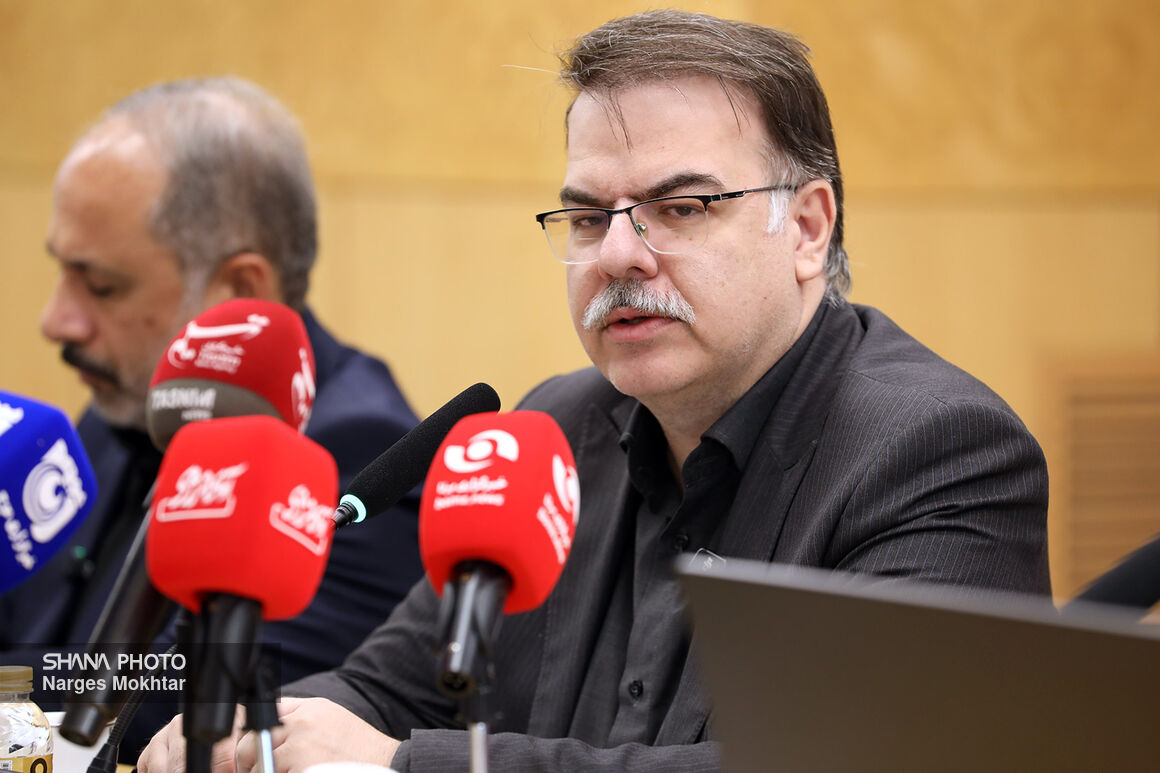
NPC: Freeing energy for productive sectors will lift GDP
SHANA (Tehran) – The managing director of the National Petrochemical Company said energy optimization must lead to energy being freed up for productive sectors. Shifting energy from non-productive uses to production and the economy, he argued, raises GDP and lets ordinary people benefit from economic growth.
-
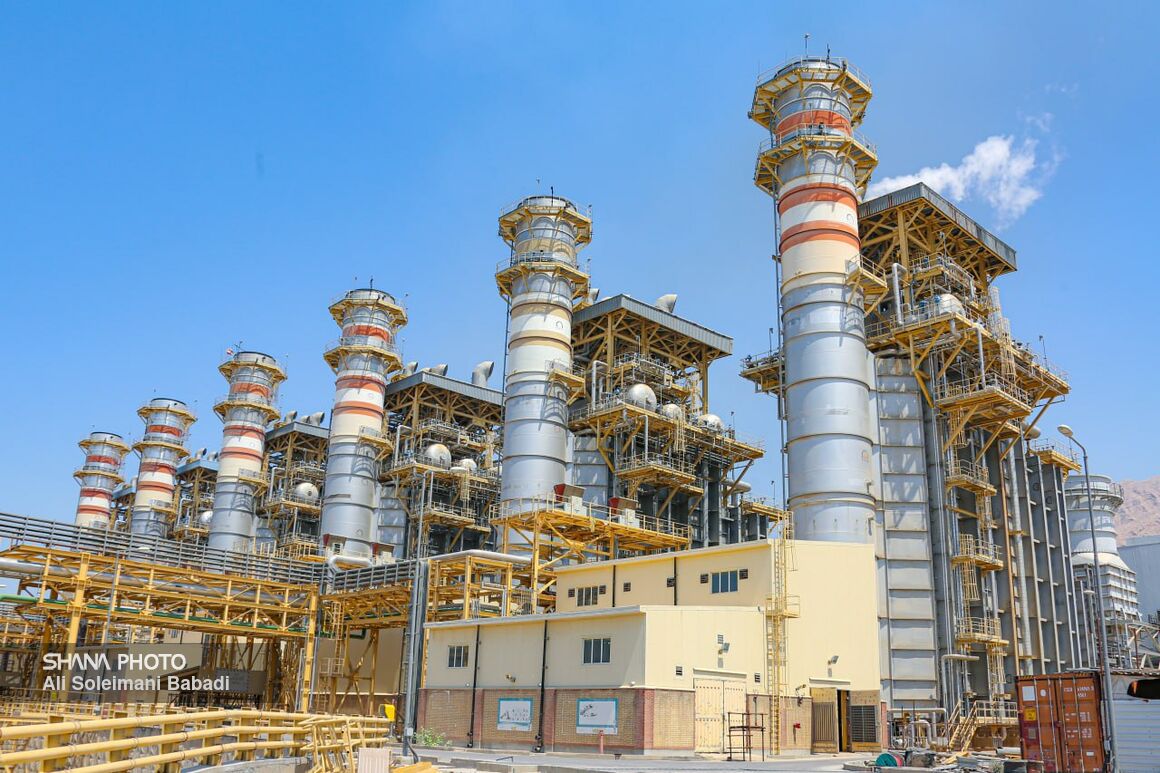
Lawmaker:
Power plant liquid fuel reserves ready for winter
SHANA (Tehran) – A member of the Parliament Energy Committee said that, through coordination in the Energy Imbalance Resolution Headquarters and the government's unified management, the necessary steps have been taken to complete strategic liquid-fuel storage at power plants so the country can get through the cold season steadily.
-
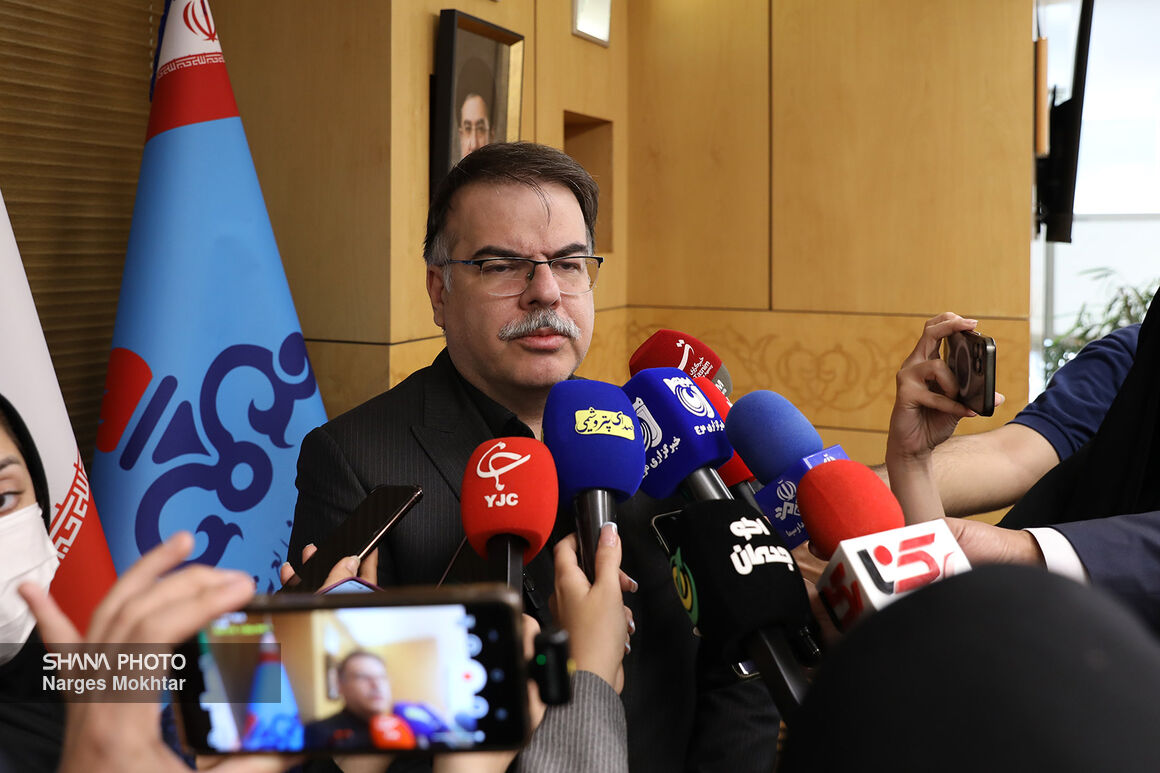
NPC: 60% of war-lost capacity restored
SHANA (Tehran) – The managing director of the National Petrochemical Company said 60% of the industry's capacity lost in the third imposed war has returned to production.
-
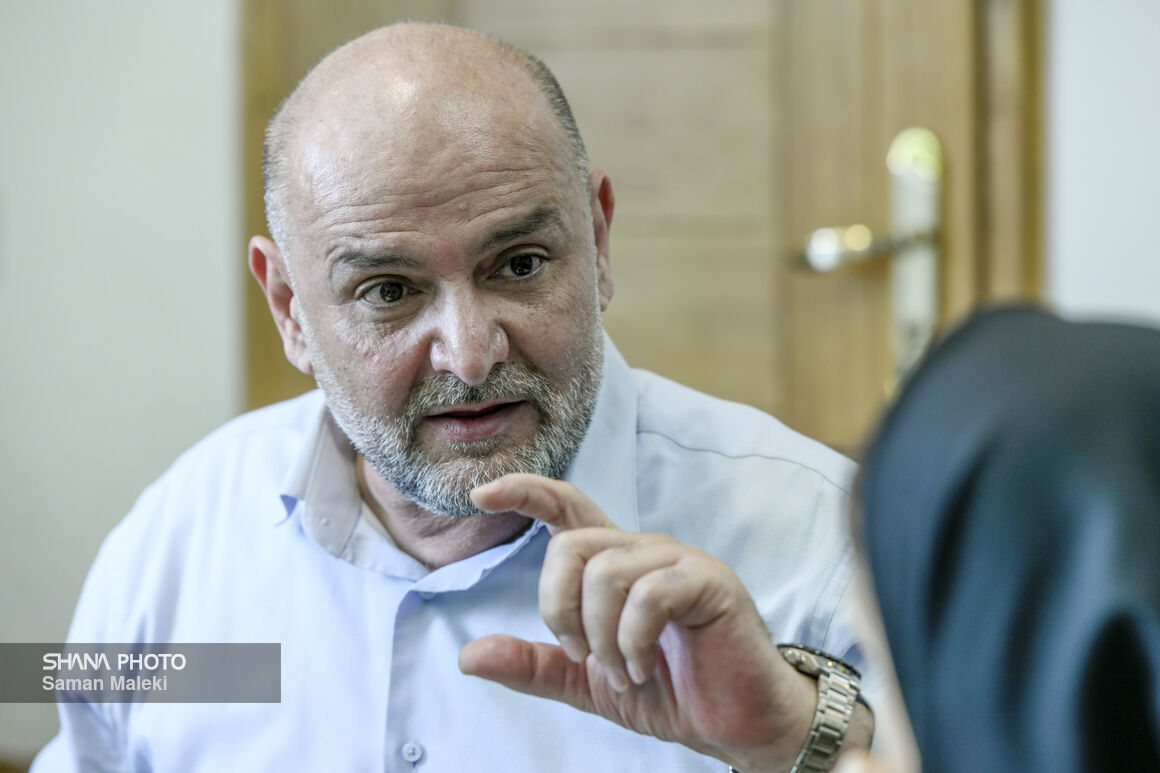
NIGC bets on demand management to ease energy imbalance
SHANA (Tehran) – The head of energy and carbon at the National Iranian Gas Company (NIGC) described demand management through "operator" companies, which carry out consumption-optimization projects, as the fastest and cheapest way to address the energy imbalance.
-
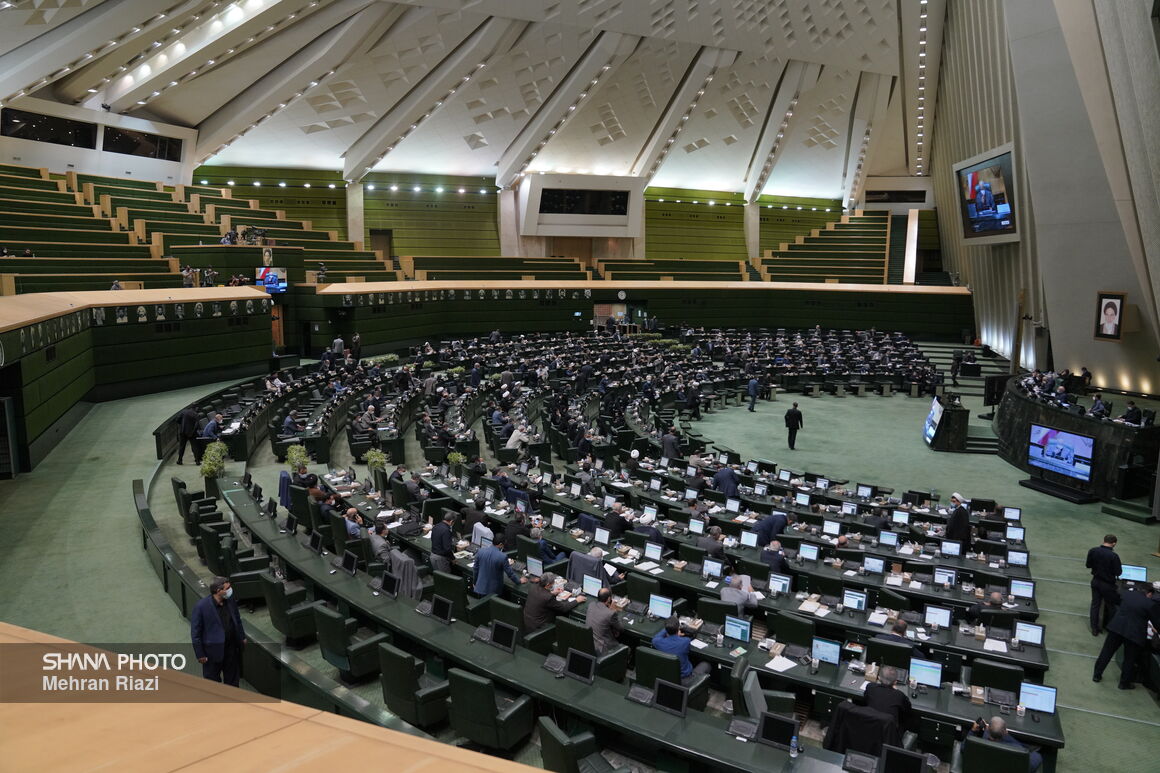
MP: Parliament backs Oil Ministry on energy imbalance
SHANA (Tehran) – A member of the Parliament Article 90 Committee said parliament stands alongside the Oil Ministry, and that cross-sector coordination to help resolve the energy imbalance is one of the Committee's priorities.
-
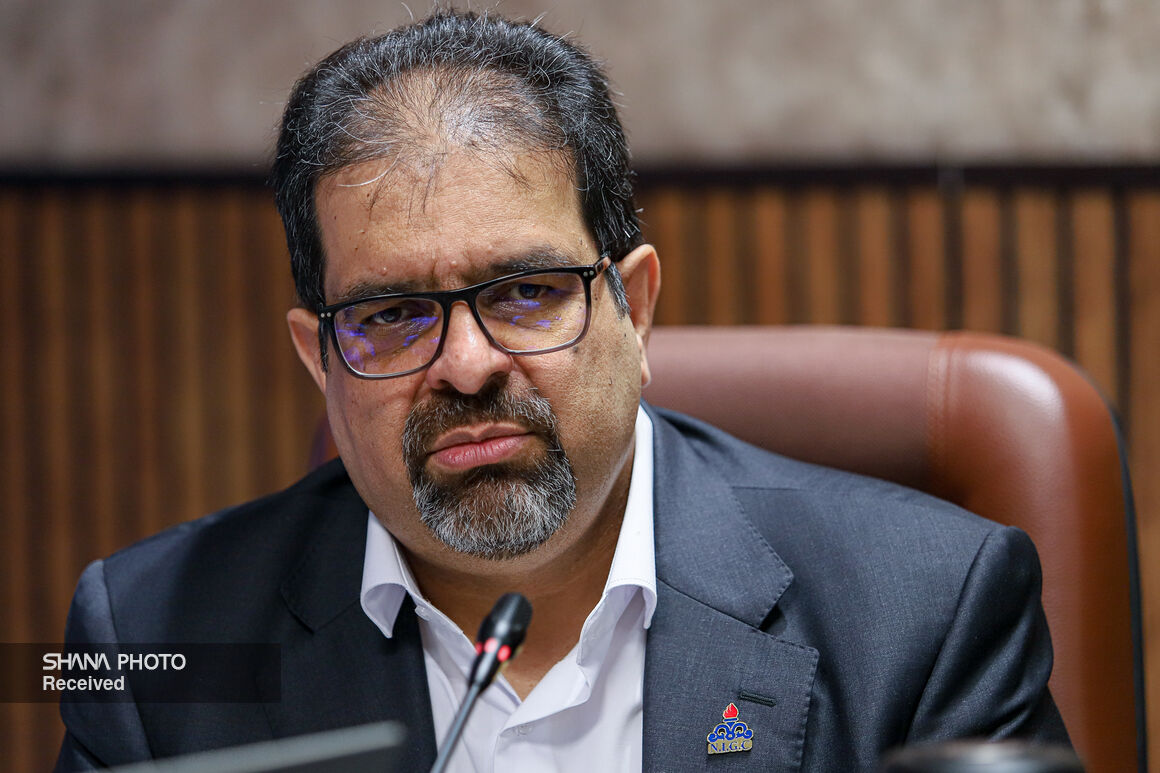
NIGC: 109 operator contracts signed as Iran gets ready for winter gas imbalance
SHANA (Tehran) – The managing director of the National Iranian Gas Company (NIGC) announced that 109 contracts have been signed with energy "operator" companies, of which 70 now operational across 29 provinces, and that type-one operators have begun work.
-
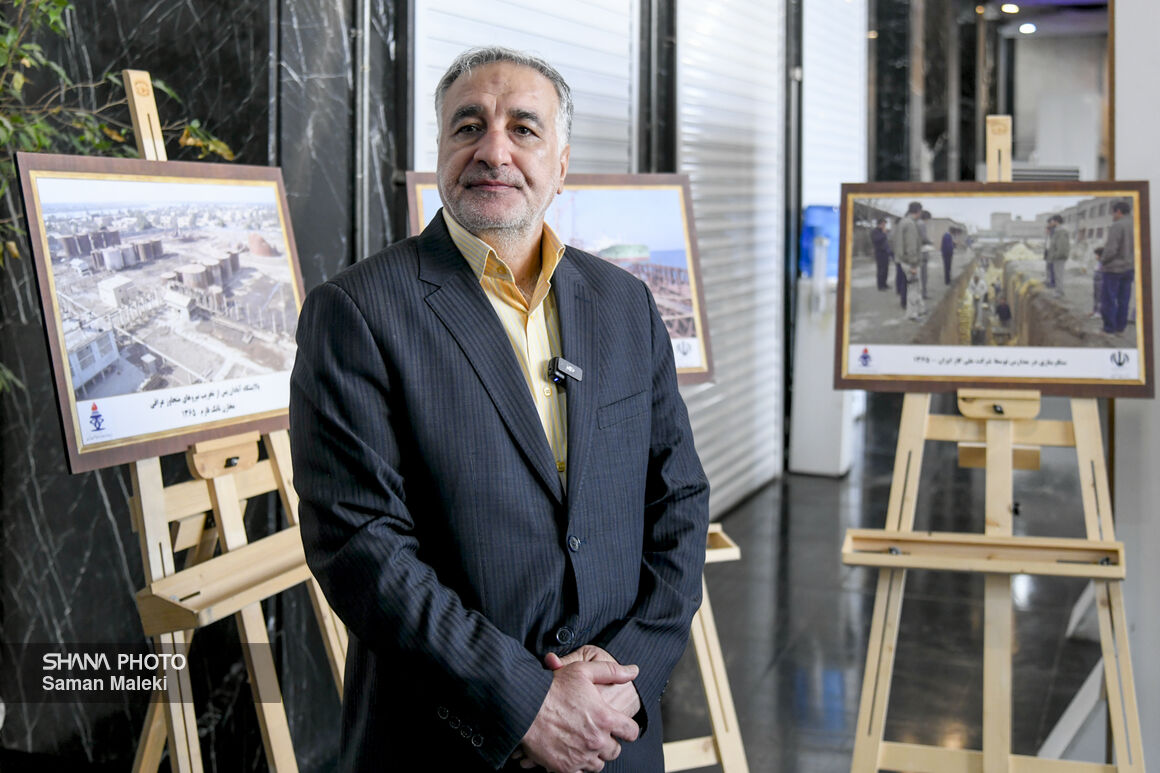
IOTC: Kharg exports rose 10% despite war attacks
SHANA (Tehran) – The managing director of the Iranian Oil Terminals Company said that despite extensive attacks on the Kharg oil terminal during the third imposed war, average oil exports from the terminal rose about 10% compared with before the war, and exports continued without interruption.
-
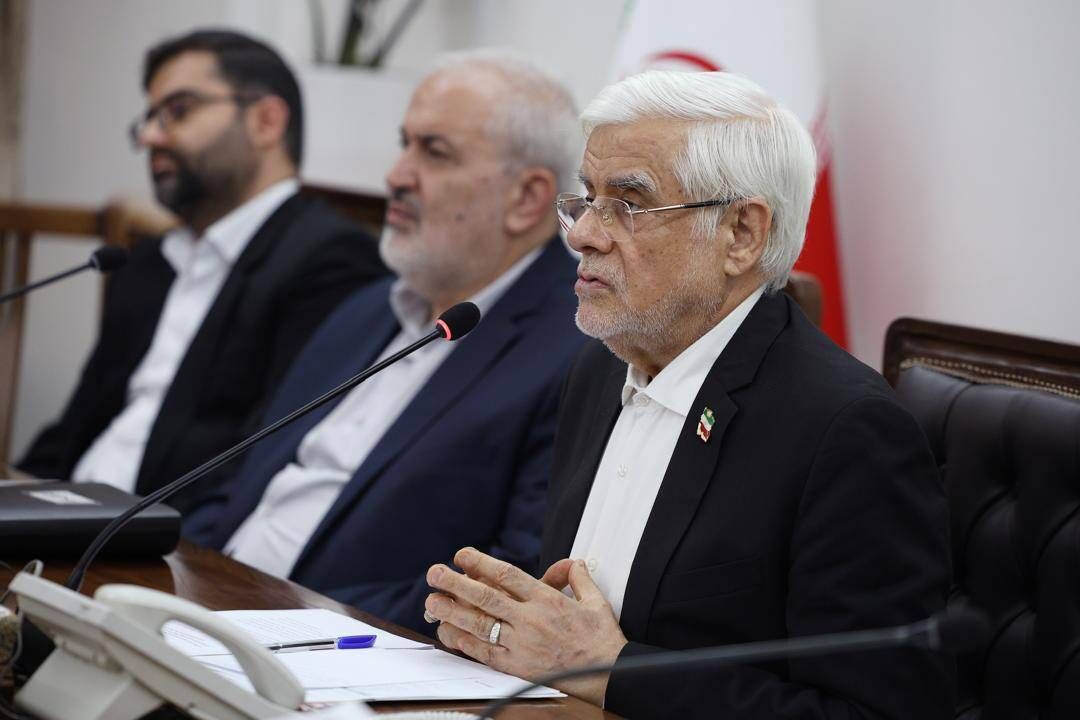
Gov’t urges energy savings ahead of winter
SHANA (Tehran) – Iranian First Vice President Mohammadreza Aref said the government plans to restore 100 million cubic meters (mcm) per day of gas capacity damaged in recent attacks on the country’s energy infrastructure before the start of the cold season, urging people to conserve gas and electricity.
-
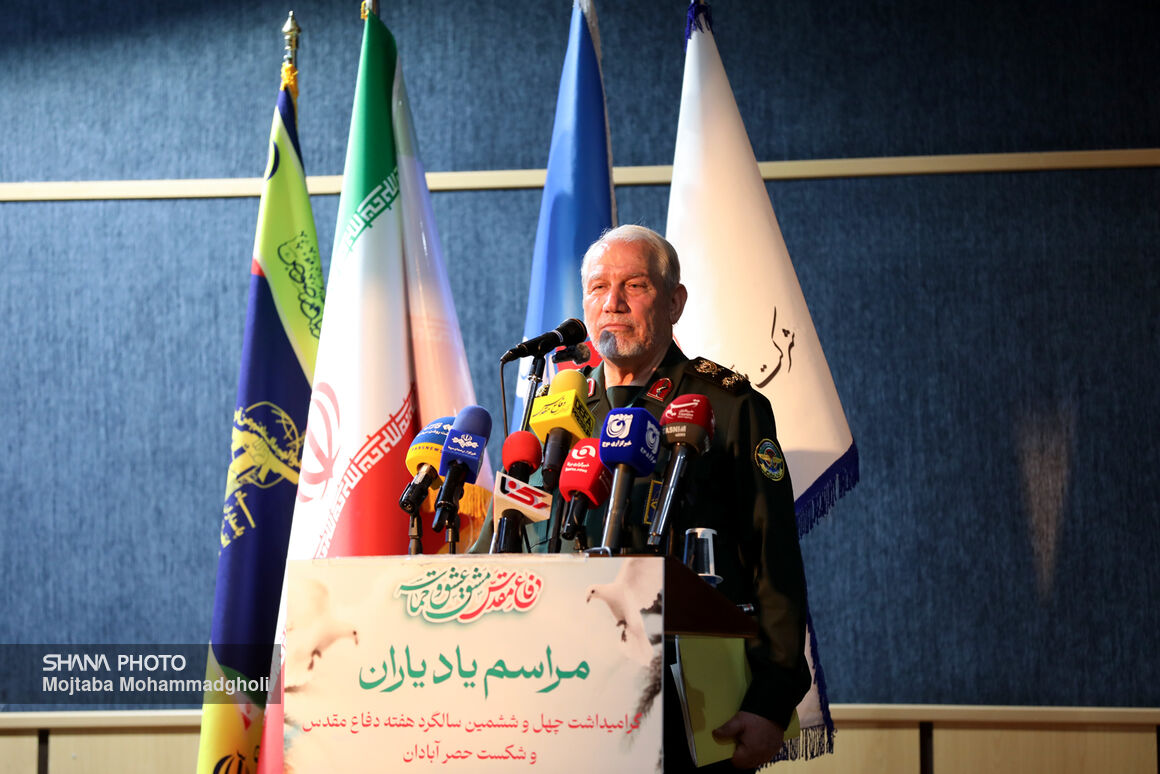
Oil industry seen as pillar of national security
SHANA (Tehran) – Yahya Rahim-Safavi, senior military adviser to Iran’s Leader, said the oil industry is no longer merely an economic sector during wartime, but a component of national power and security as well as people’s livelihoods and well-being.
-
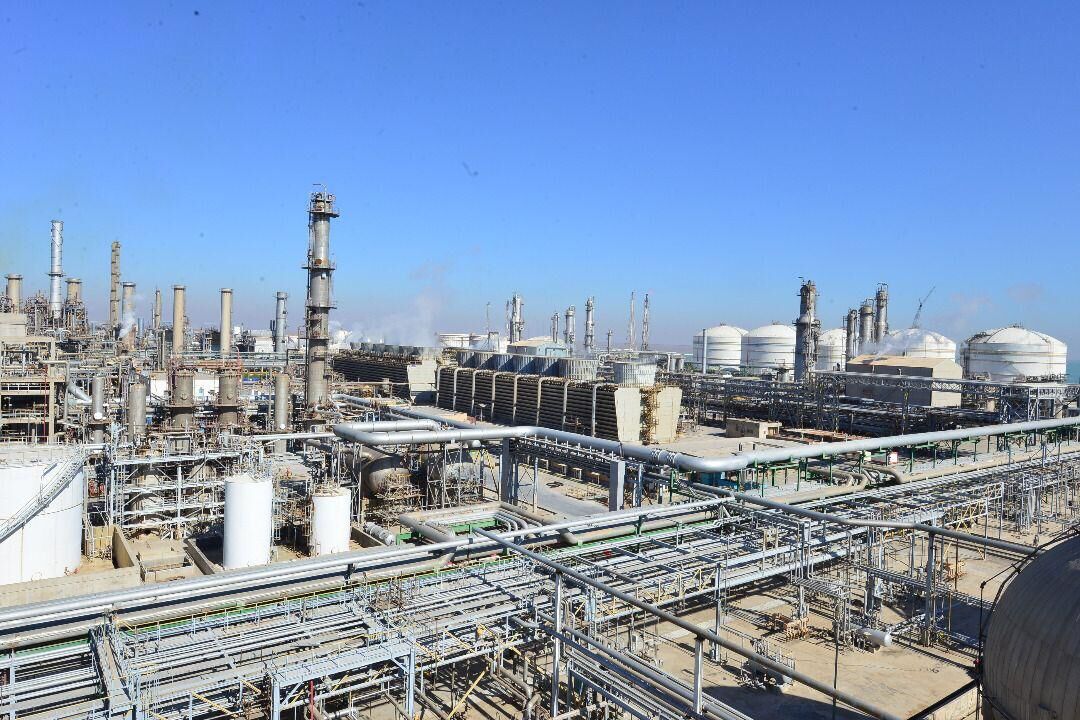
NPC: Oil workers on economic front line
SHANA (Tehran) – Iran’s deputy petroleum minister for petrochemicals said the country’s economic front has become another arena of national effort alongside the military front, with oil industry workers keeping energy supplies running despite wartime conditions.
-
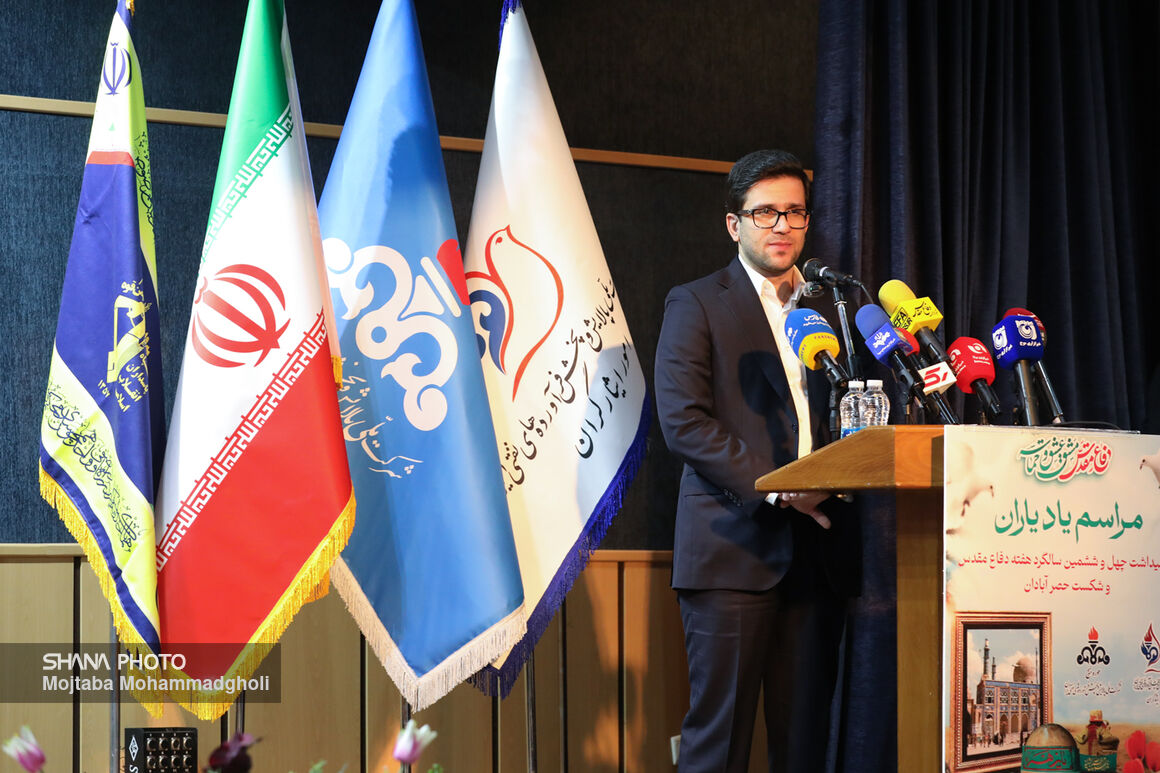
NIORDC: Refining sector foils fuel disruption
SHANA (Tehran) – Mohammad-Sadeq Azimifar, managing director of the National Iranian Oil Products Refining and Distribution Company (NIORDC), said the country’s refining and distribution sector thwarted efforts to disrupt fuel supplies and create shortages despite extensive attacks on energy infrastructure.
-
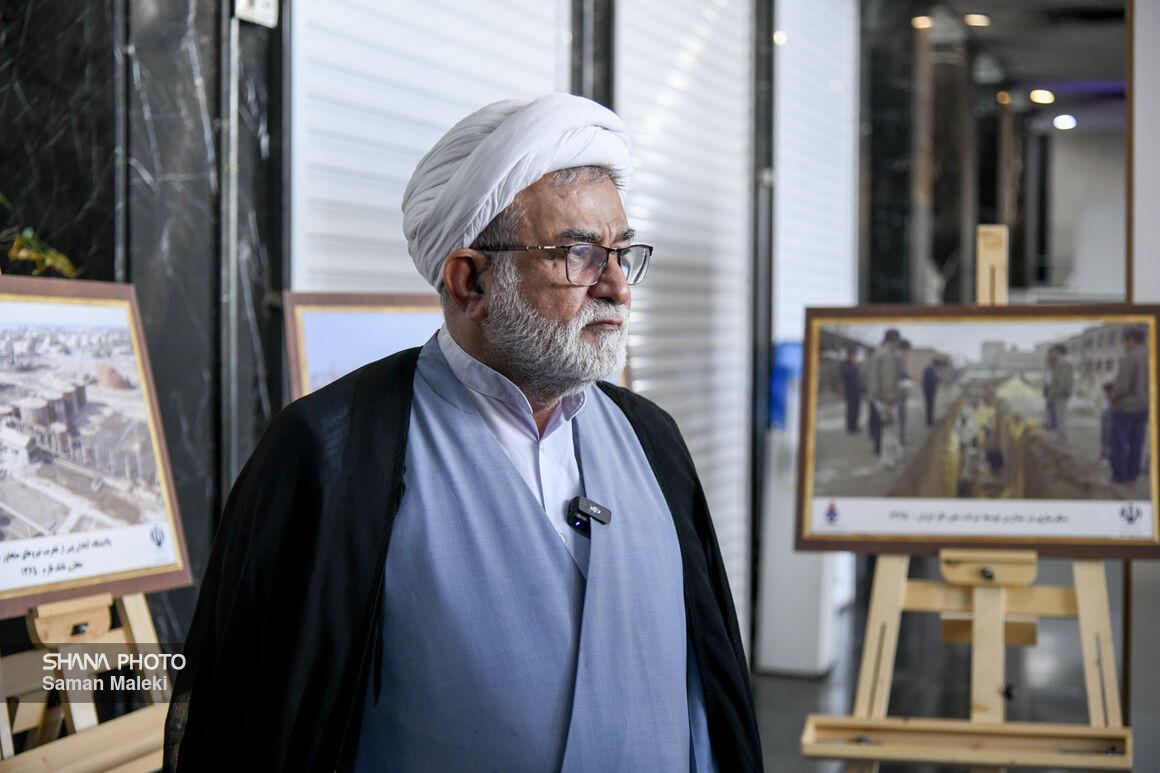
Oil workers remain on front line of economic war, MP says
SHANA (Tehran) — Oil industry workers played a key role in thwarting enemy objectives during the Iran-Iraq war and recent conflicts by maintaining production and exports, and their efforts today in the economic war are comparable to the role of troops on the front lines, the chairman of the Iranian Parliament’s Energy Committee said Sunday.
-
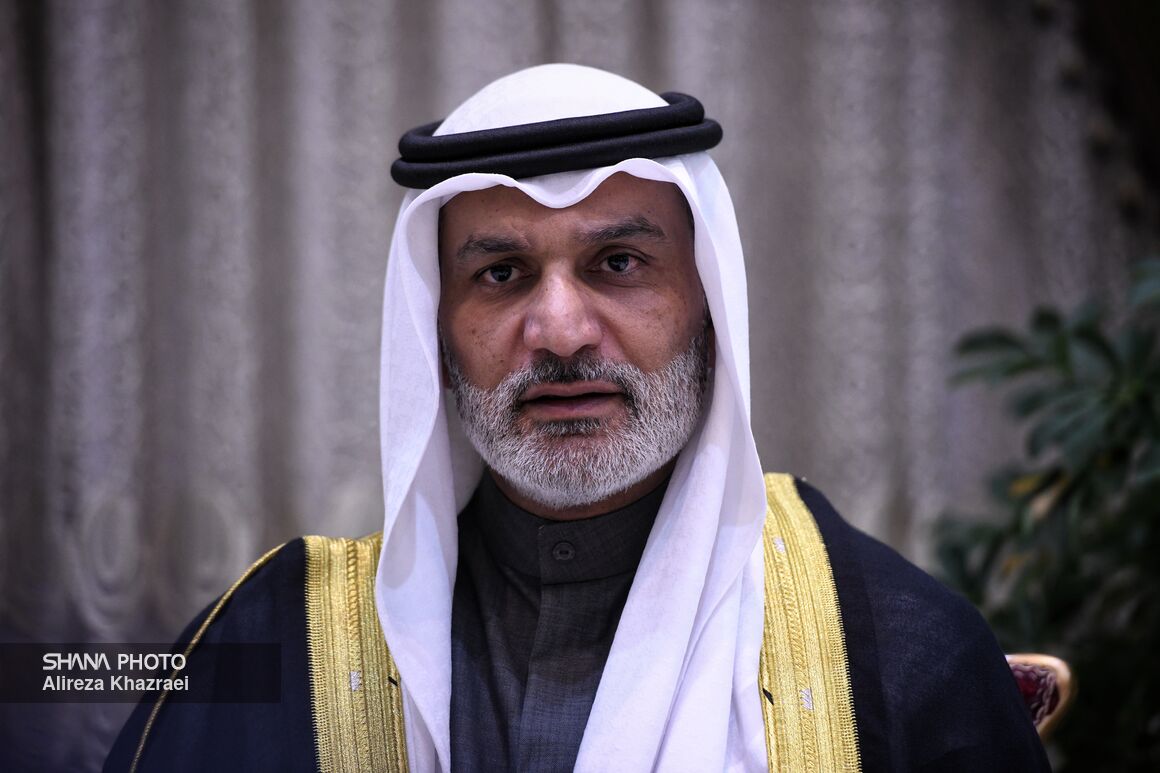
Dialogue is central to OPEC’s objectives
SHANA (Tehran) – ‘Dialogue’ is an evocative word, one that has engaged some of civilization’s greatest minds. It has also been front and centre of OPEC’s objectives since the Organization was formed back in September 1960.
-
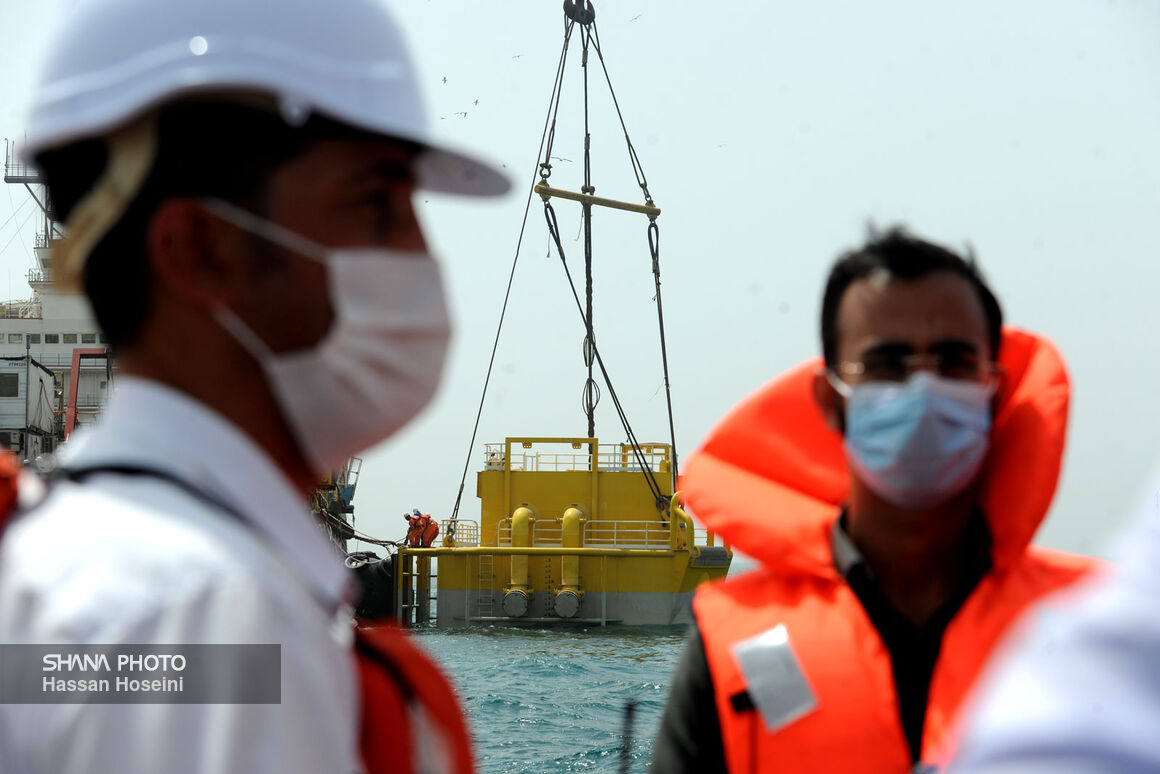
Iran saves $1m by refurbishing meter blades at SP gas condensate terminal
SHANA (Tehran) – The refurbishment and recoating of 13 damaged blades in a 16-inch metering system at the South Pars gas condensate terminal has saved Iran $1 million in foreign currency, officials said.
-
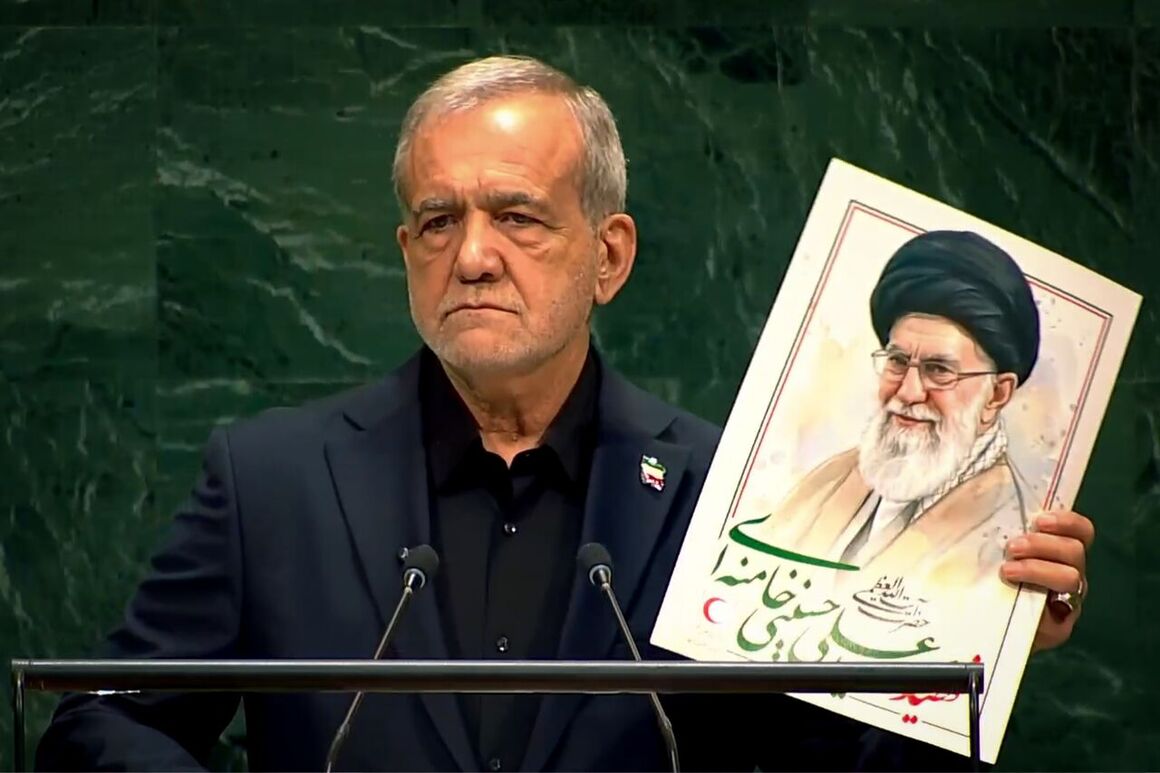
President: Energy for development, not bombs
SHANA (Tehran) — President Masoud Pezeshkian said Wednesday that Iran wants energy for development and security, not for building weapons, and that it will not give up its right to peaceful nuclear technology.
-
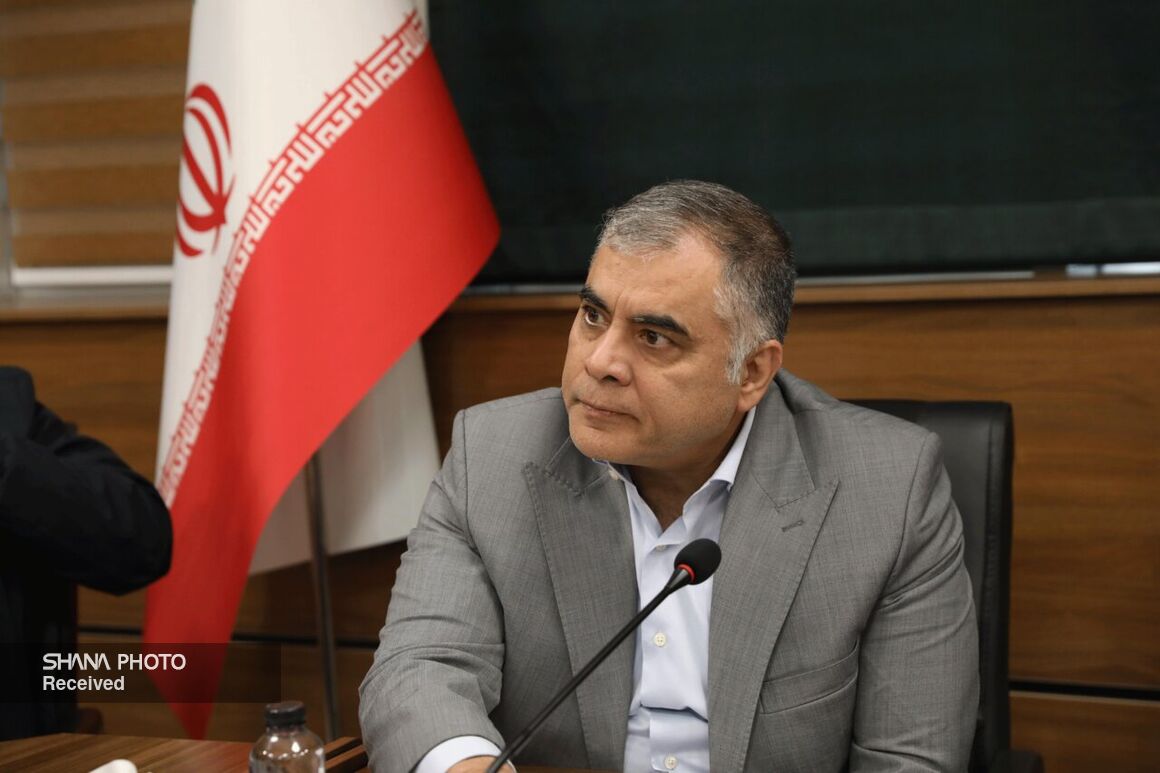
Minister:
Winter fuel plans include boosted liquid fuel reserves for power plants
SHANA (Tehran) – Oil minister said Tuesday that plans to secure winter fuel supplies include storing liquid fuel at power plants and increasing gas oil reserves for industries, aiming to prevent service disruptions during peak gas consumption periods.
-
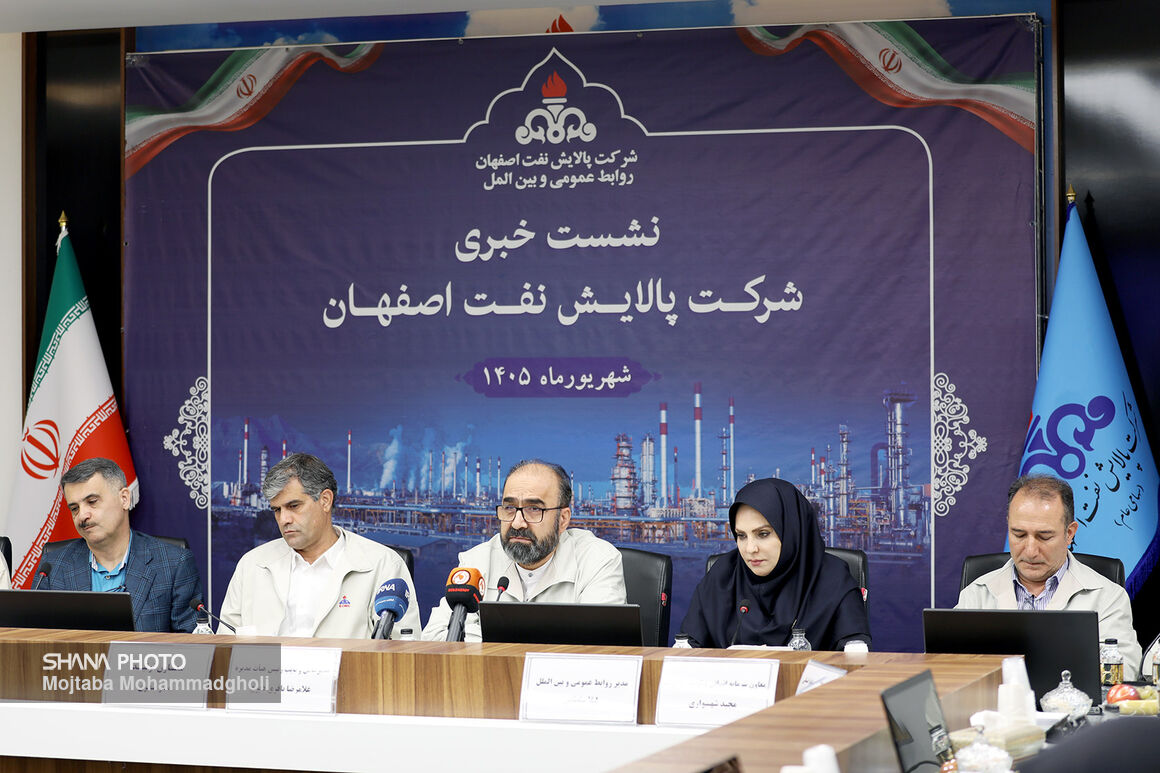
Isfahan Refinery pushes strategic projects to boost fuel output, quality
SHANA (Tehran) — The Isfahan Oil Refining Company is advancing a series of strategic projects aimed at easing the country's energy imbalance and improving fuel quality, the company's managing director said Tuesday.
-
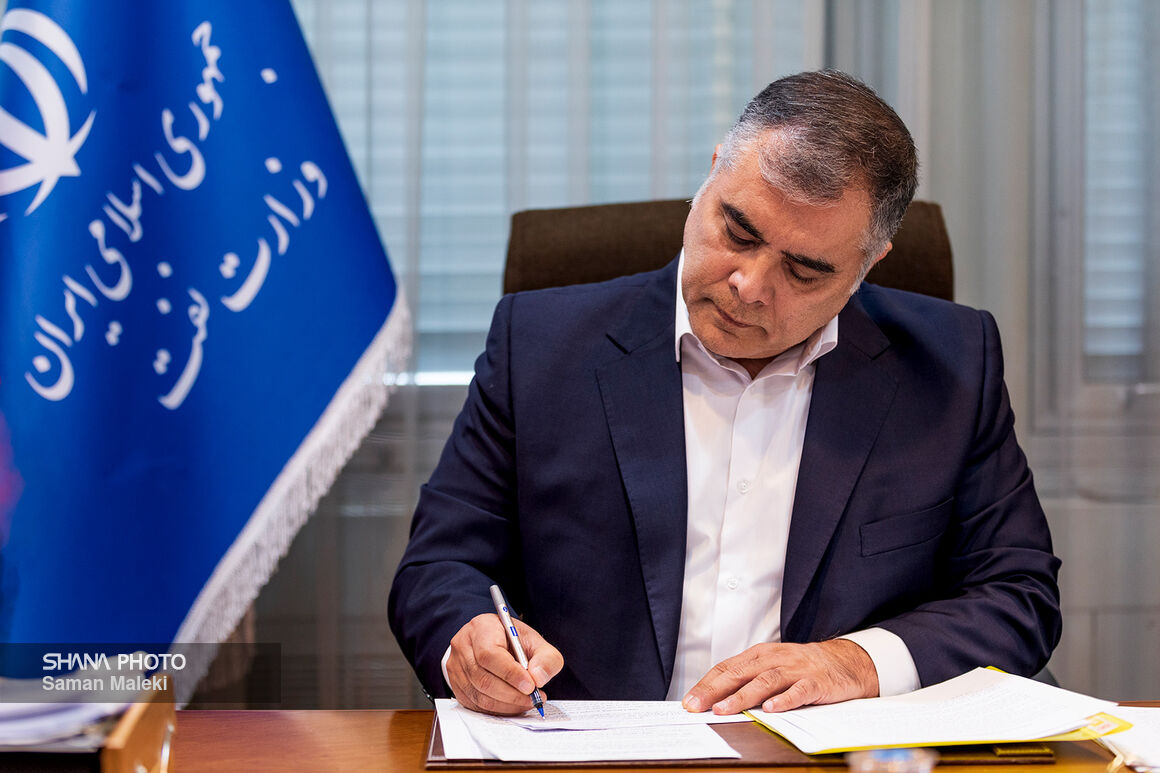
Oil minister names new NPC chief, engineering deputy
SHANA (Tehran) — Oil Minister Mohsen Paknejad has issued decrees appointing two new officials to senior posts within the Oil Ministry.