-
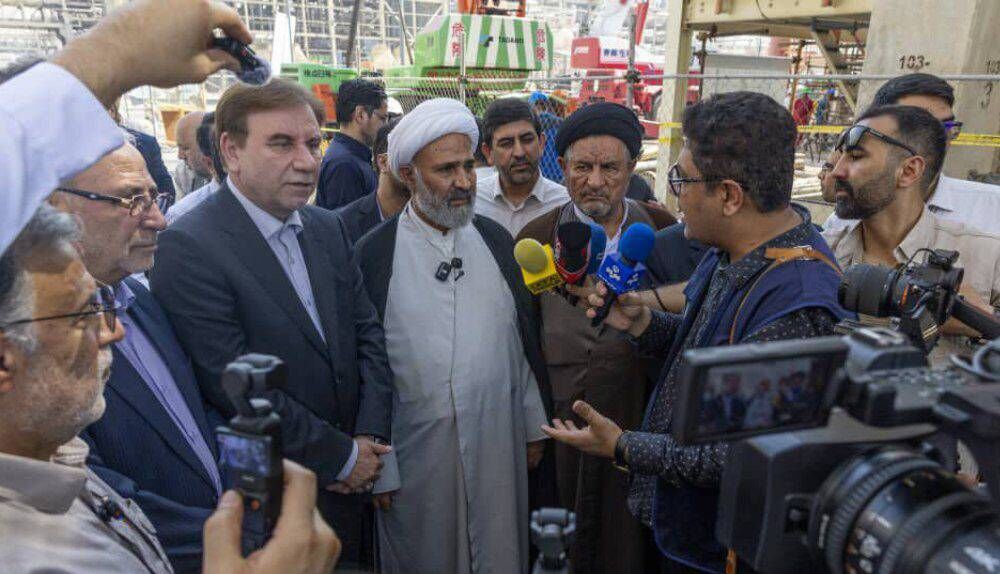
Lawmaker credits South Pars workers for gas capacity recovery
SHANA (Tehran) – The head of Parliament's Article 90 Committee credited the effort and sense of responsibility of South Pars workers for restoring gas production capacity.
-
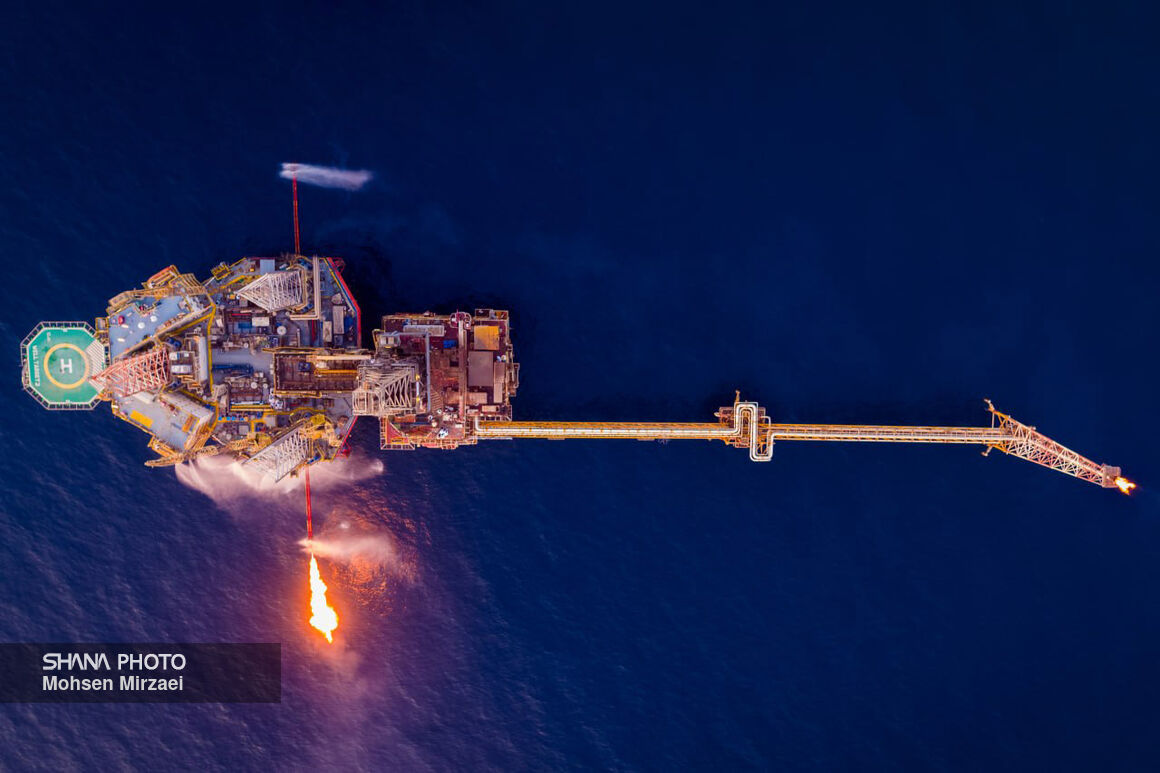
MP: Economic Council approval to speed south pars pressure boost project
SHANA (Tehran) — The deputy chairman of Parliament's Energy Committee said the Economic Council's recent approval of the South Pars gas field pressure boosting project should help speed up work on the national project, and he credited the oil industry for its efforts.
-
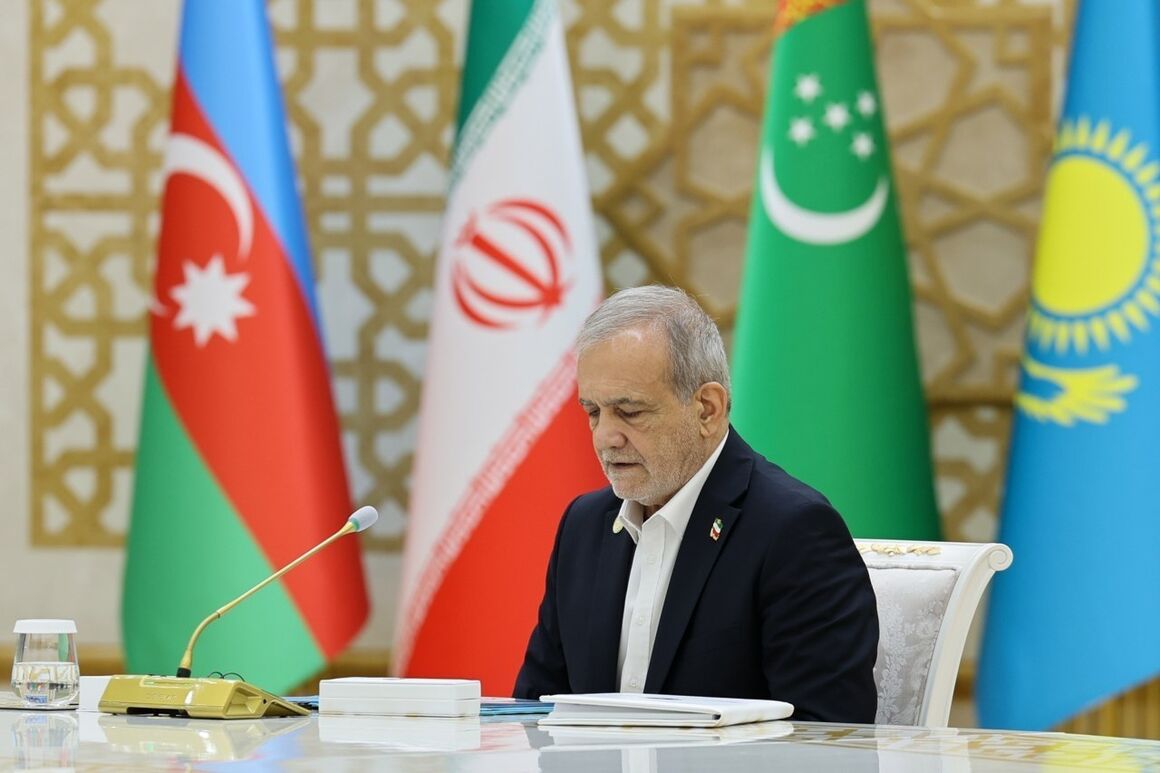
Pezeshkian urges energy, transport links at CIS summit
SHANA (Tehran) — Iranian President Masoud Pezeshkian said Friday that the wide energy potential of countries in the region makes cooperation on oil, gas, electricity and clean energy a key way to strengthen economic ties and serve shared interests.
-
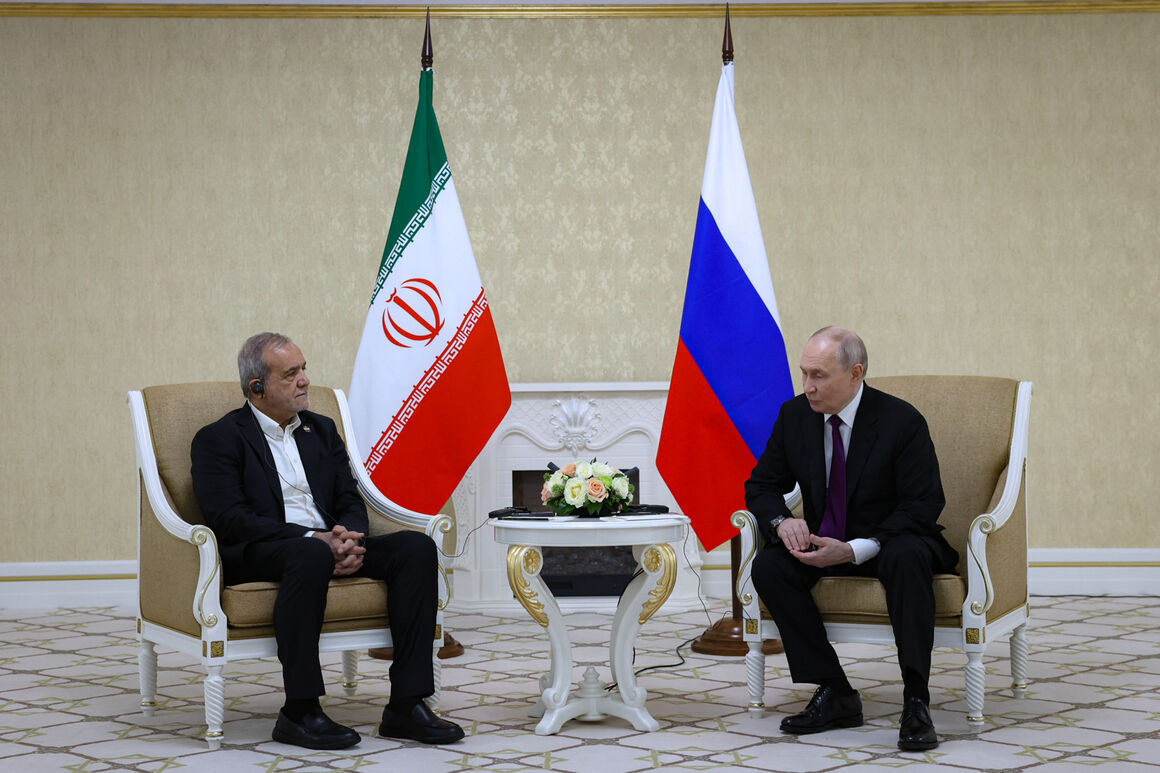
Pezeshkian, Putin meet in Turkmenistan, pledge closer economic ties
SHANA (Tehran) – Iran's president and Russia's president met on the sidelines of the Commonwealth of Independent States summit and a Caspian Sea environmental meeting in Turkmenistan.
-
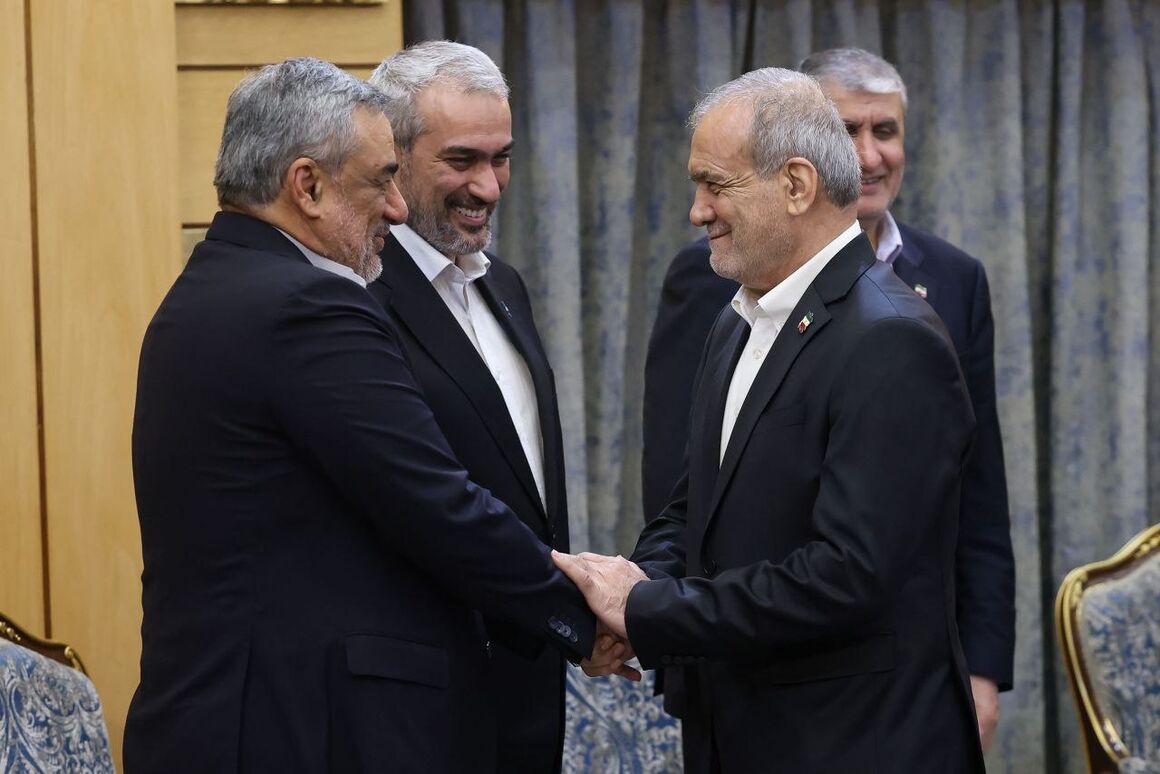
Caretaker oil minister accompanies Pezeshkian to Turkmenistan
SHANA (Tehran) – Caretaker oil minister traveled to Turkmenistan on Thursday alongside President Masoud Pezeshkian.
-
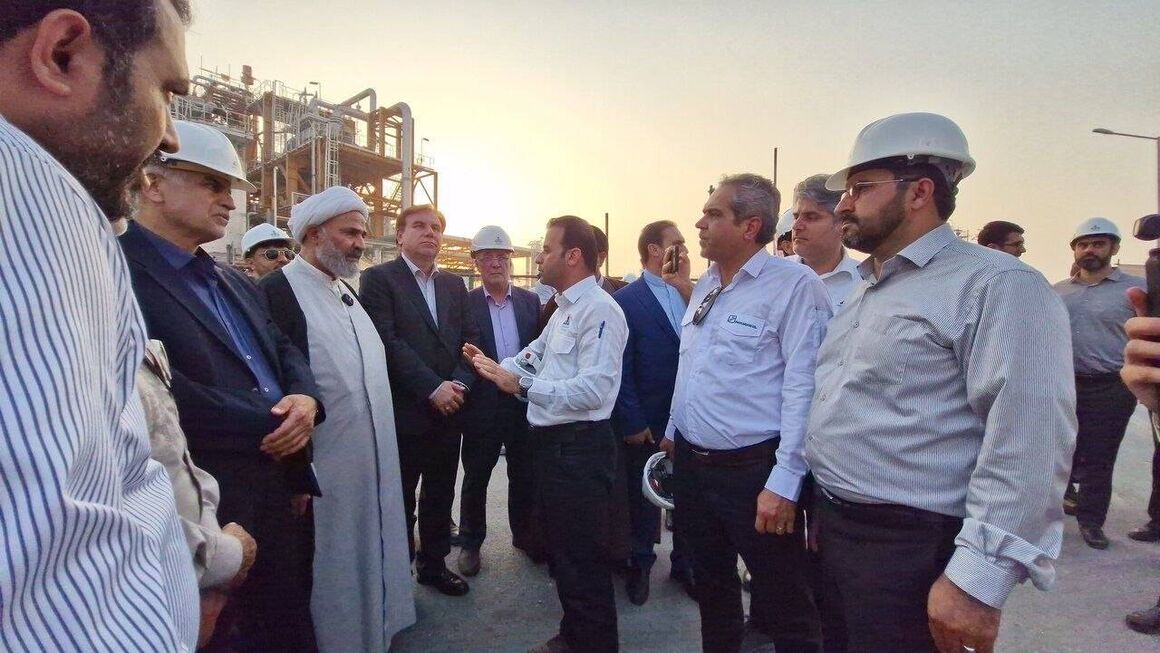
Lawmaker: Part of South Pars Gas shortfall offset after war damage
SHANA (Tehran) – The spokesman for Iran's parliamentary Article 90 Committee said part of the gas production shortfall at South Pars has been made up after four phases of the field were damaged in the recent war.
-
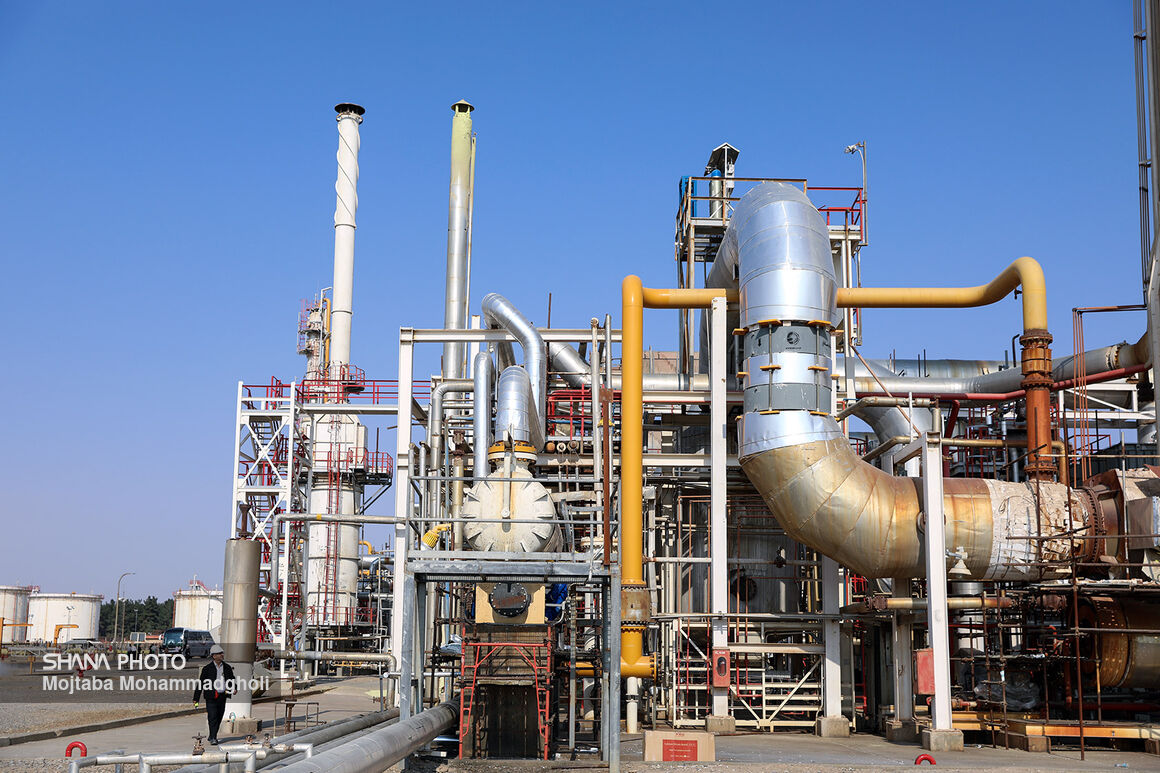
Shahid Hasheminejad gas refinery posts 10-year high in gas processing
SHANA (Tehran) – The managing director of the Shahid Hasheminejad Gas Refining Company said the company has recorded its highest gas intake in a decade, with processing volumes rising by more than 1 billion cubic meters in the first six months of the Iranian year.
-
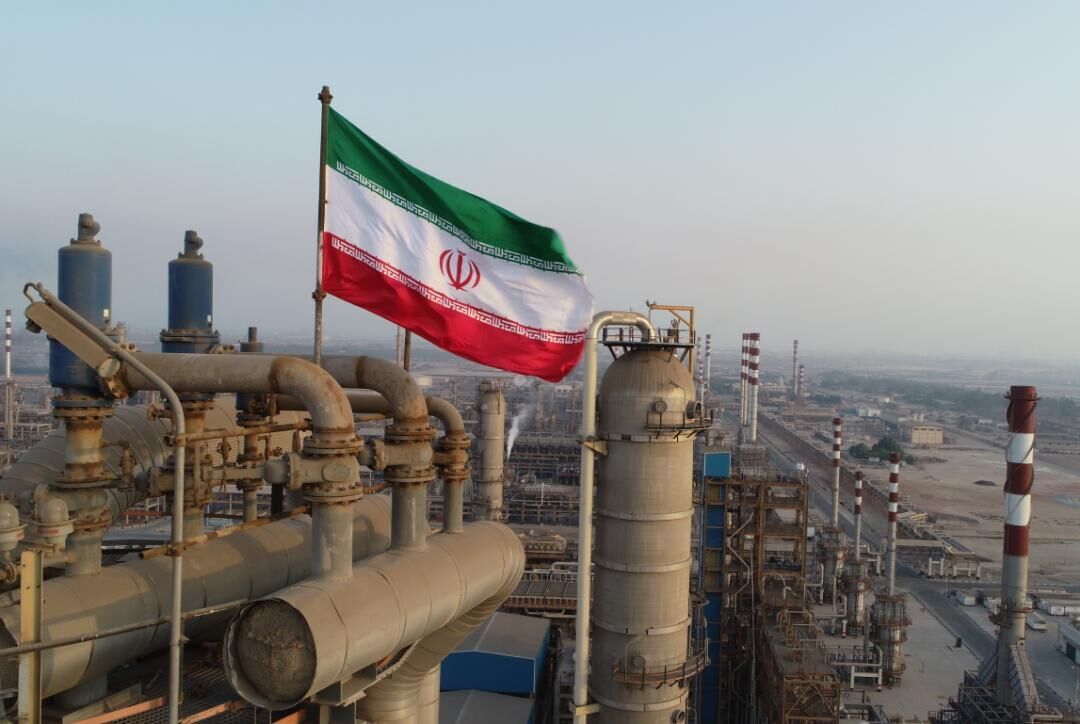
Lawmaker: Oil Ministry must prioritize stable output, energy supply
SHANA (Tehran) – A member of Parliament said the Oil Ministry's top priority at this stage should be maintaining production stability, ensuring a steady energy supply and preventing development projects from stalling.
-
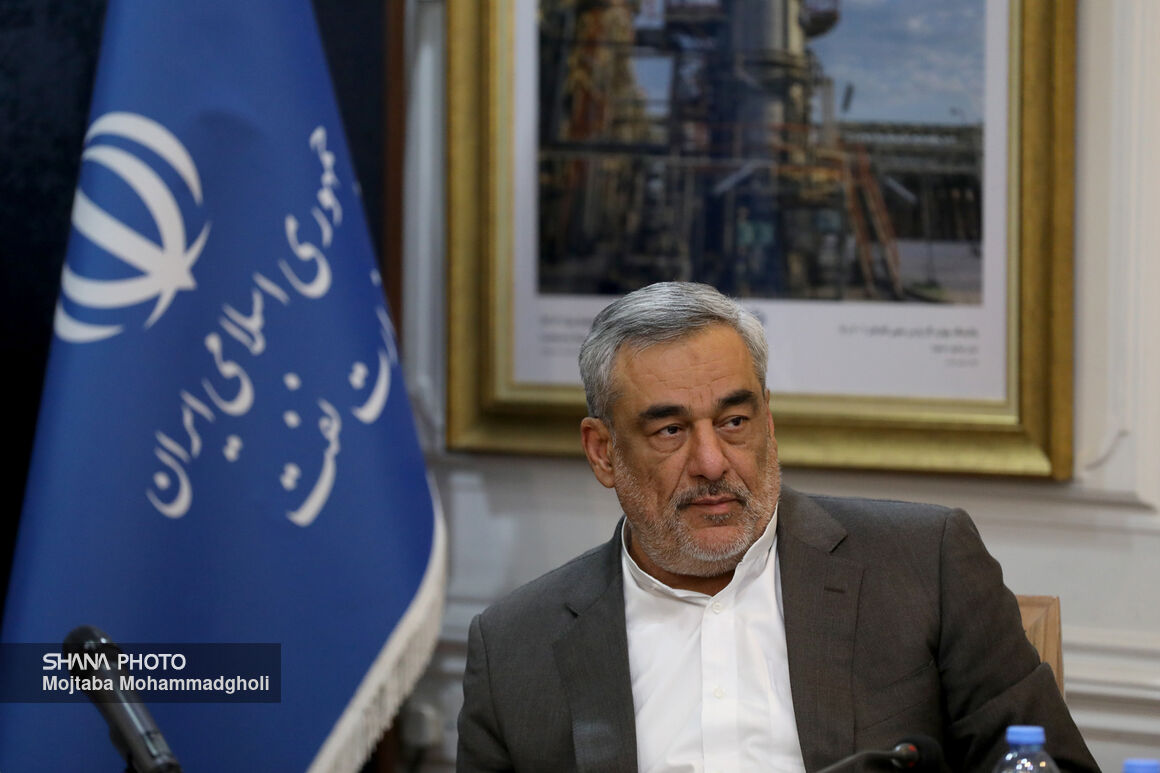
Caretaker oil minister vows to thwart enemies' plans, says industry is stronger than ever
SHANA (Tehran) – Caretaker oil minister stressed the oil industry's role in driving the country's economy, saying Tehran will not allow the illusions and calculations of its enemies to become reality.
-
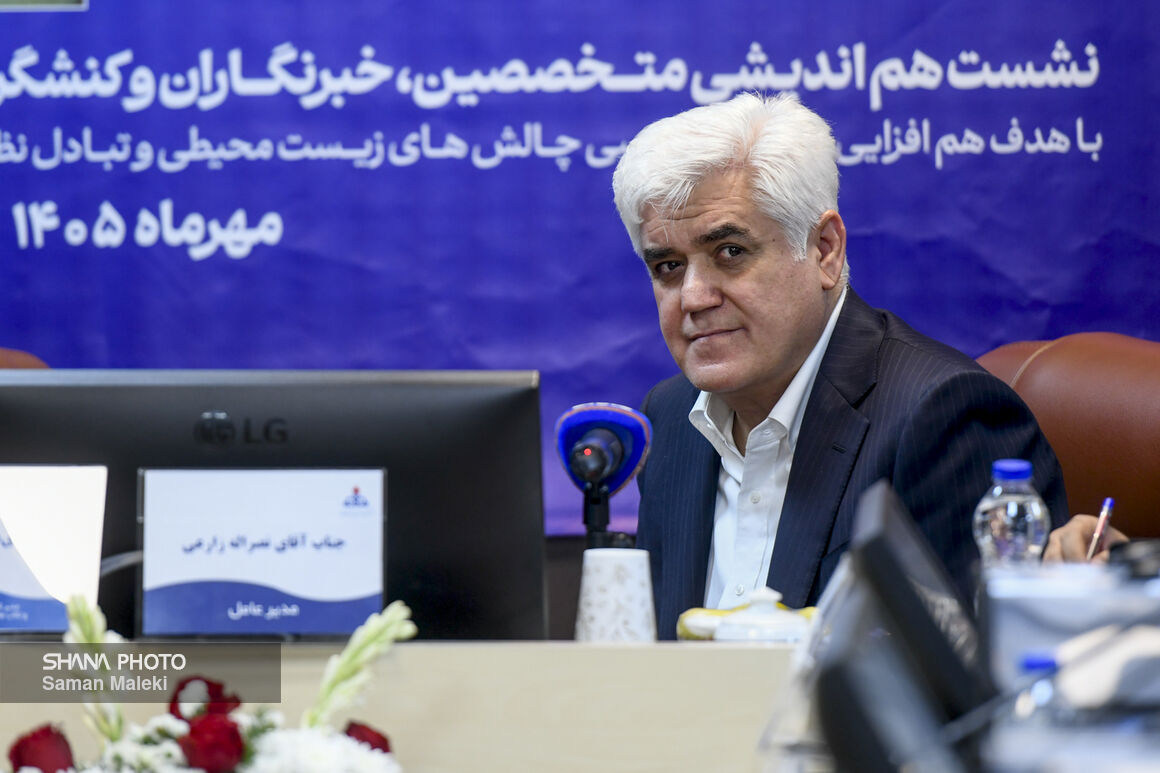
Sohrab field permit issued after expert review, says PEDEC
SHANA (Tehran) – The managing director of the Iranian Oil Engineering and Development Company (PEDEC) said issues surrounding the Hoor al-Azim wetland should be resolved through expert analysis and dialogue. He added that the permit for the Sohrab field was issued after years of technical back-and-forth and numerous revisions, taking hydrological and ecological considerations into account.
-
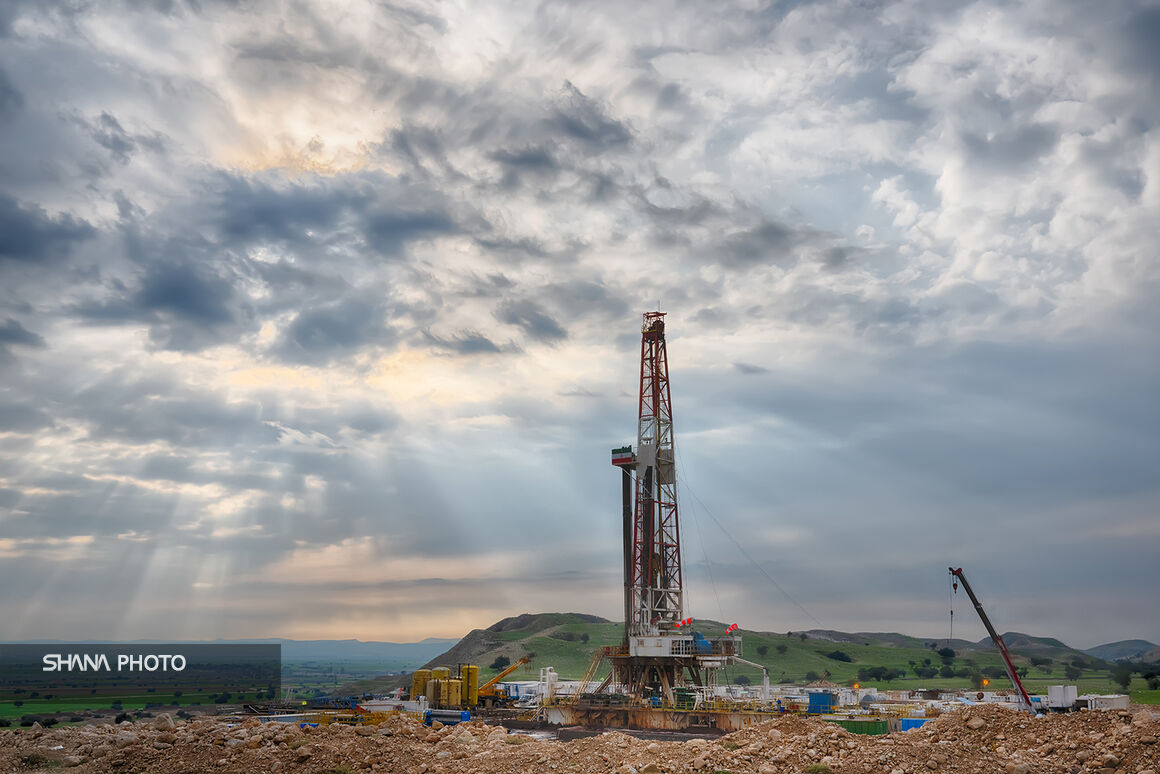
Exploration: Iran's investment in tomorrow's oil, gas
SHANA (Tehran) – When oil fields gradually enter natural production decline, an important question arises: where will the reserves needed for future years' output come from? The answer lies largely in exploration, the starting point of the oil industry.
-
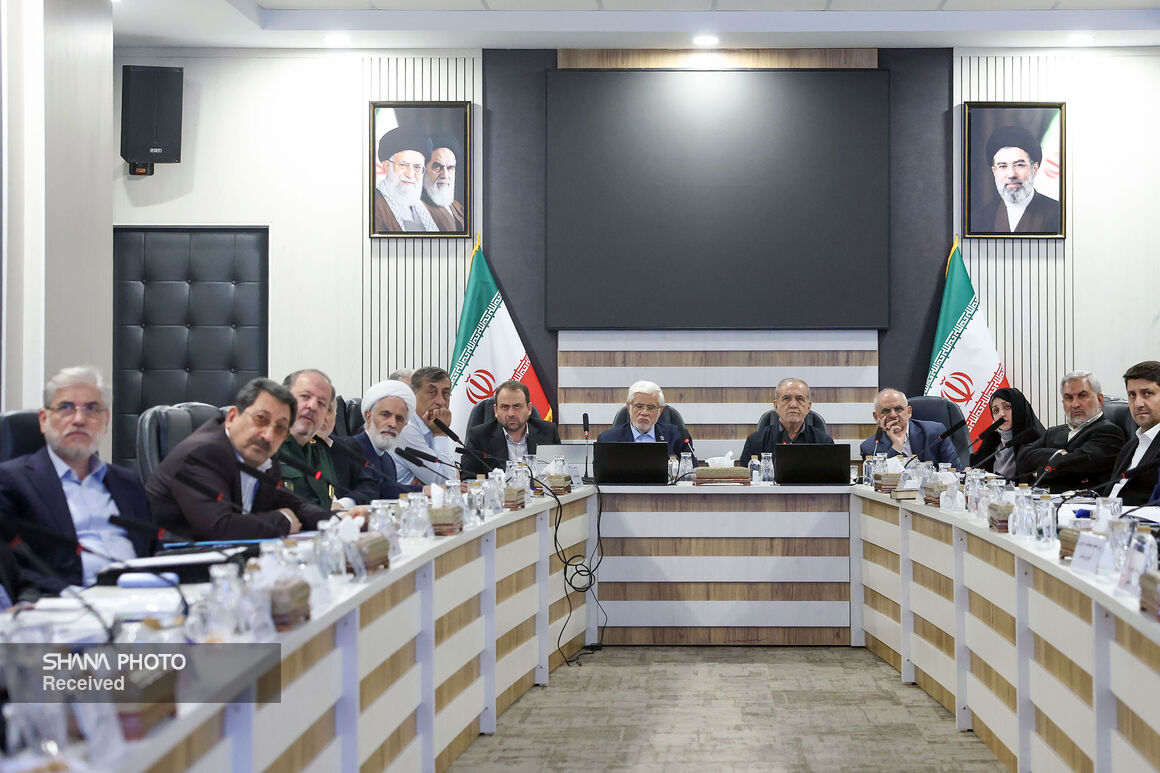
Pezeshkian hails industrial workers, urges cuts in energy use
SHANA (Tehran) — President Masoud Pezeshkian on Wednesday praised the selfless efforts of industrial and production workers, saying they drove the swift rebuilding of some of the most complex parts of the country's manufacturing, oil and energy sectors, to the surprise of others and the disappointment of Iran's enemies.
-
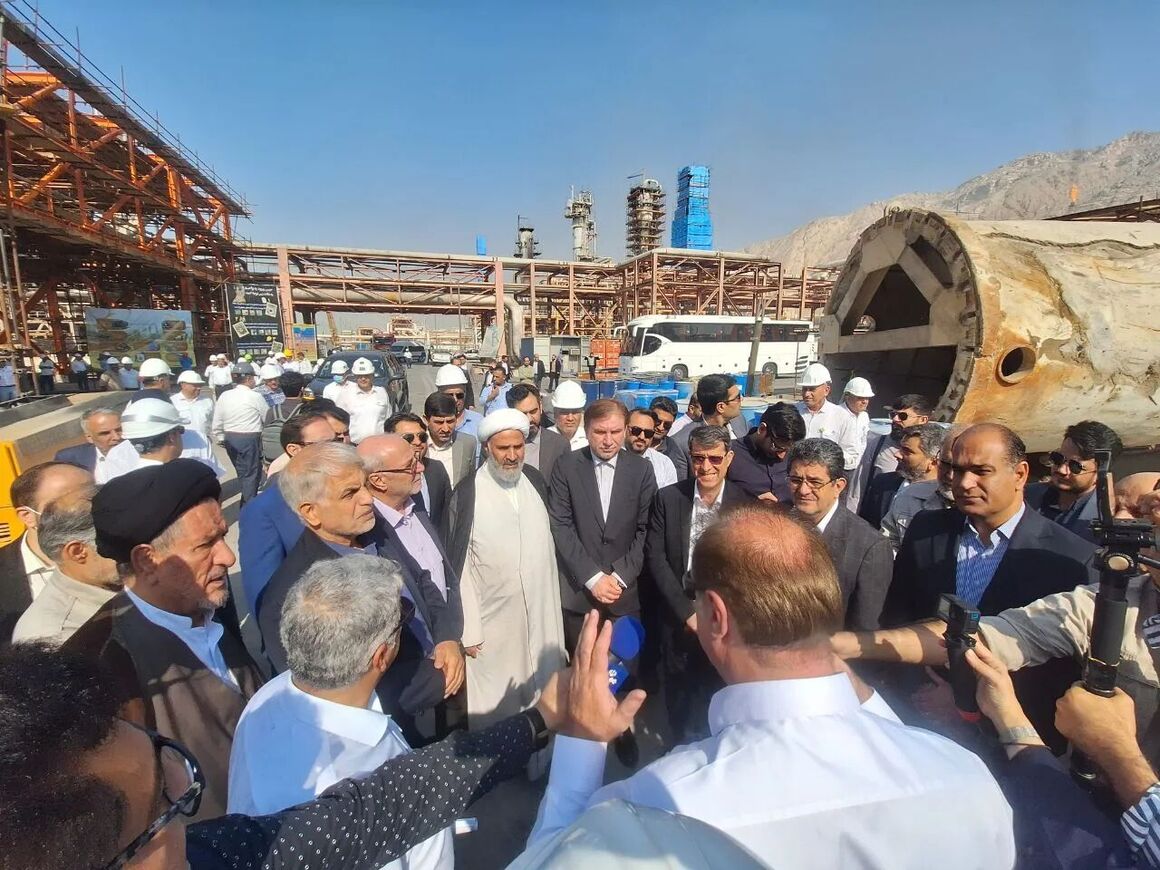
Parliament Article 90 Committee tours South Pars facilities in Bushehr
Shana (Tehran) – The chairman and members of the Parliament Article 90 Committee visited South Pars infrastructure Wednesday during a trip to Bushehr province.
-
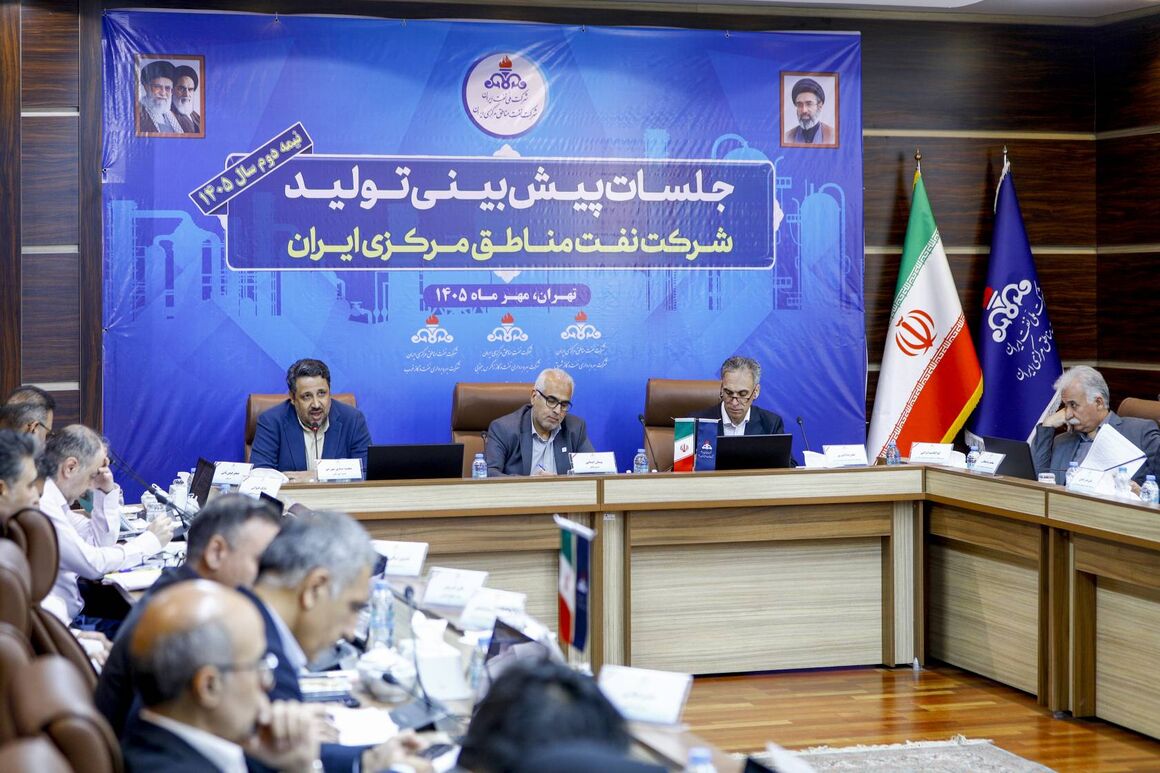
East Iran gas output meets targets
SHANA (Tehran) — Peyman Imani, managing director of the Iranian Central Oil Fields Company, said gas production and storage targets at fields in eastern Iran were achieved in the first half of the current Iranian year, with the East Oil and Gas Production Company increasing output by 1 billion cubic meters from the same period last year.
-
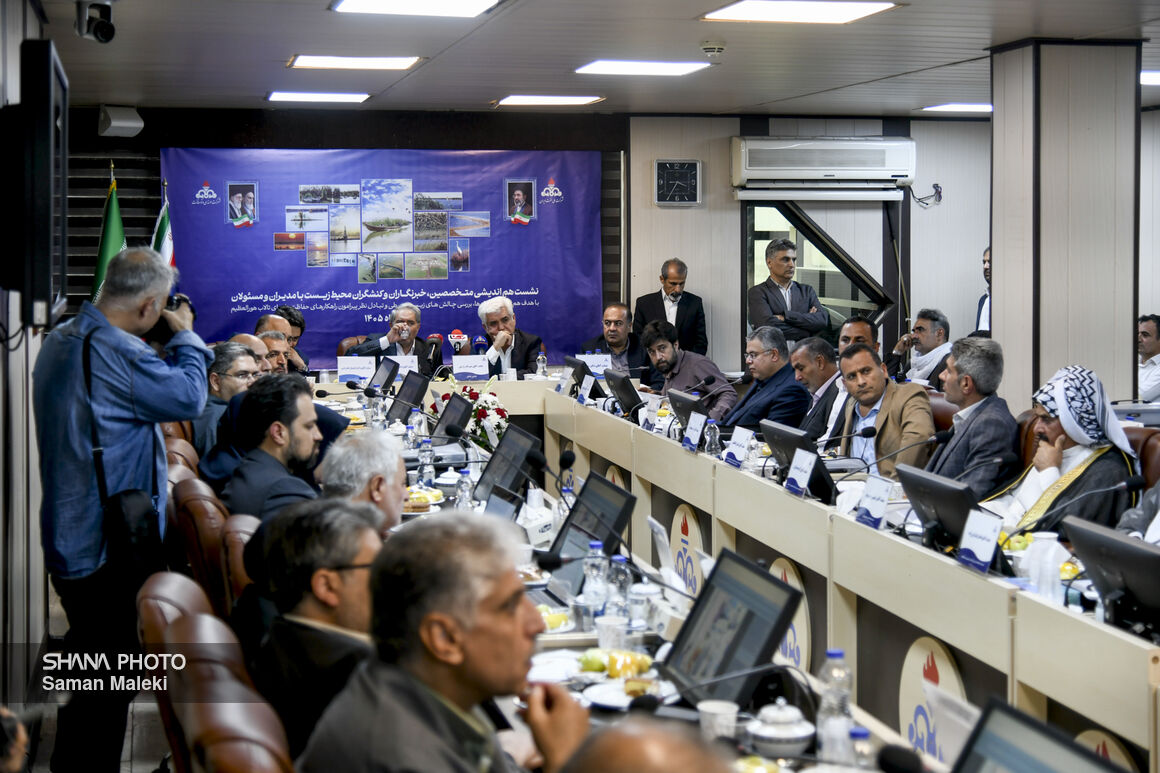
Meeting held to discuss Hoor al-Azim Wetland restoration
SHANA (Tehran) — A coordination meeting was held to develop and implement a comprehensive plan for the protection and restoration of the Hoor al-Azim wetland, bringing together representatives of the oil industry, government agencies, local communities, nongovernmental organizations, academics and environmental activists.
-
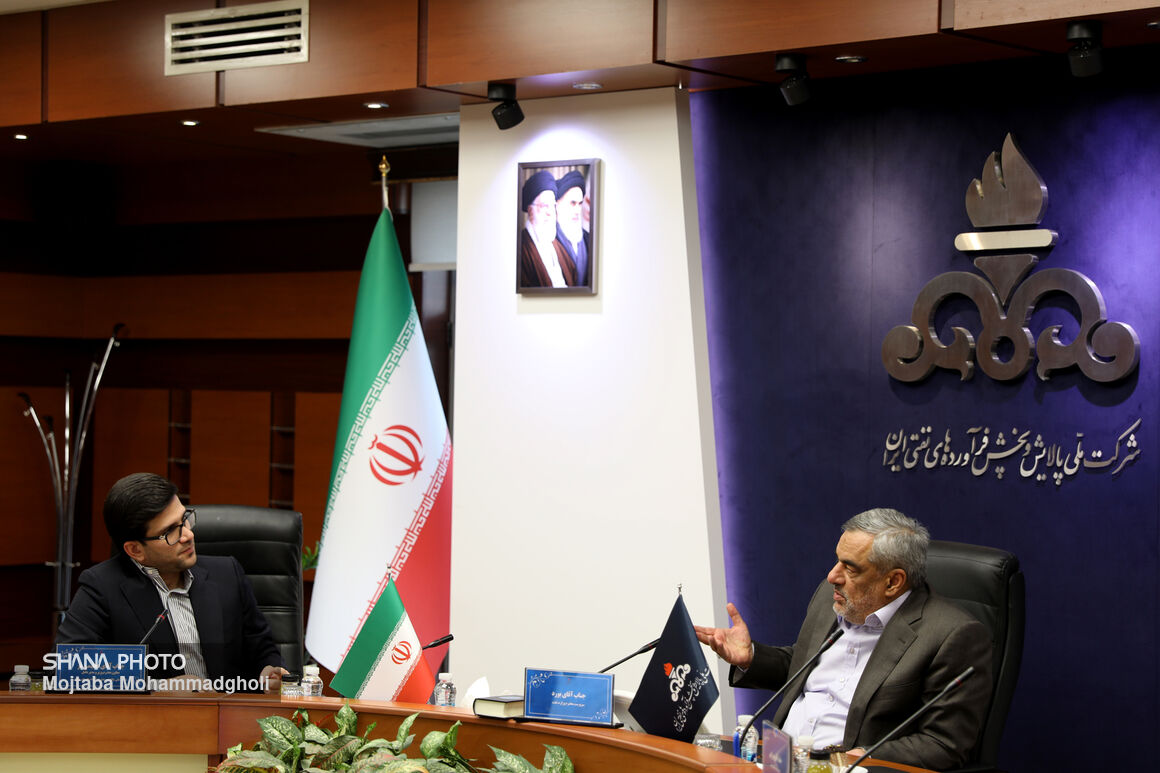
Oil officials call for fuel decisions based on domestic capacity
SHANA (Tehran) – Caretaker oil minister has called for a comprehensive approach to fuel consumption management and stronger oil-product transportation infrastructure, stressing that the country should make strategic decisions based on its domestic capabilities.
-
CNG use rises 12% as gasoline consumption falls
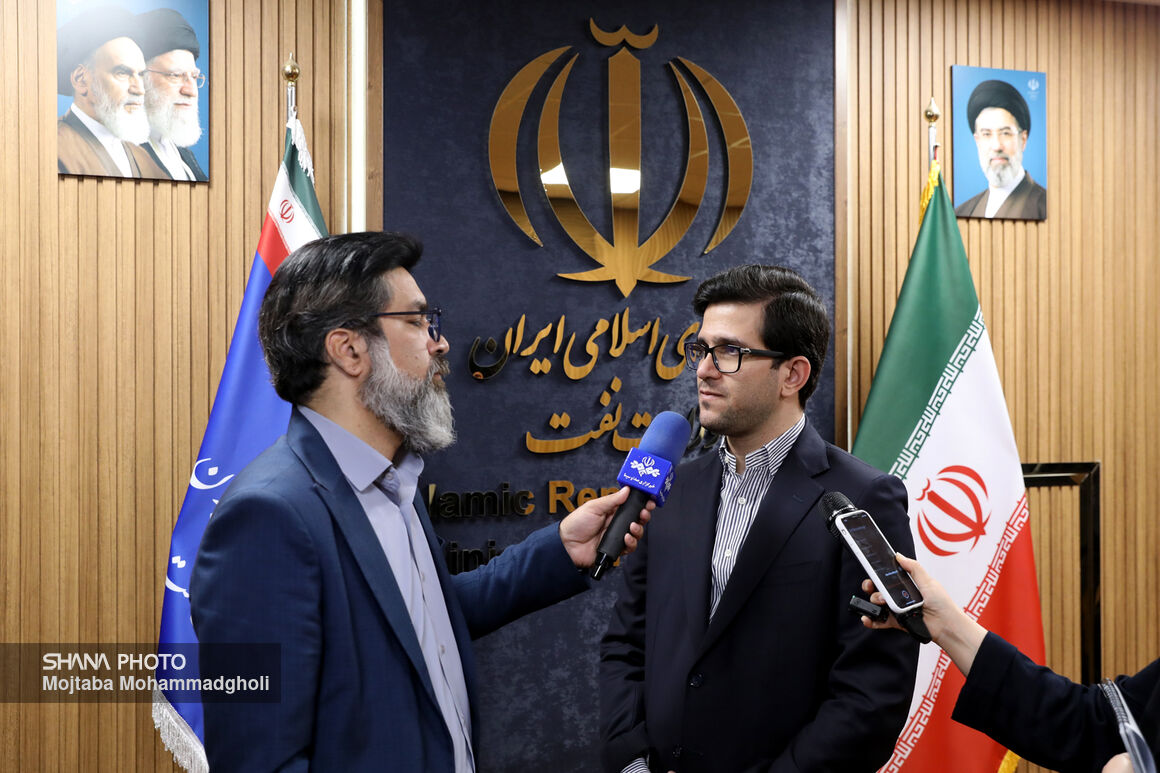
SHANA (Tehran) — Consumption of compressed natural gas (CNG) in Iran has increased by about 12% since the introduction of a third gasoline pricing tier, while gasoline use has declined by roughly 3%, Mohammad-Sadeq Azimifar, head of the National Iranian Oil Products Refining and Distribution Company, said Tuesday.
-
Gas network stability requires full coordination across supply chain
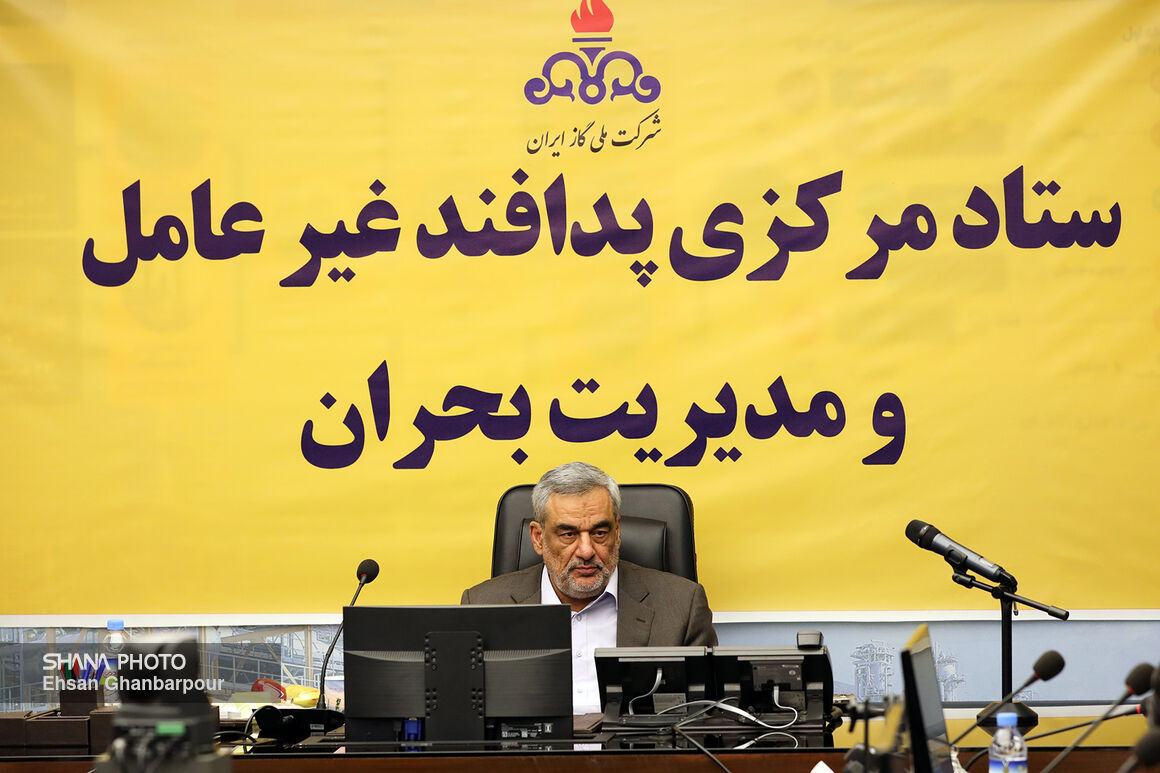
SHANA (Tehran) – The caretaker oil minister said maintaining stable energy supplies, particularly during the cold months, requires full coordination across the gas production, transmission and distribution chain.
-
Oil Ministry must lead Iran’s technology push: Aref
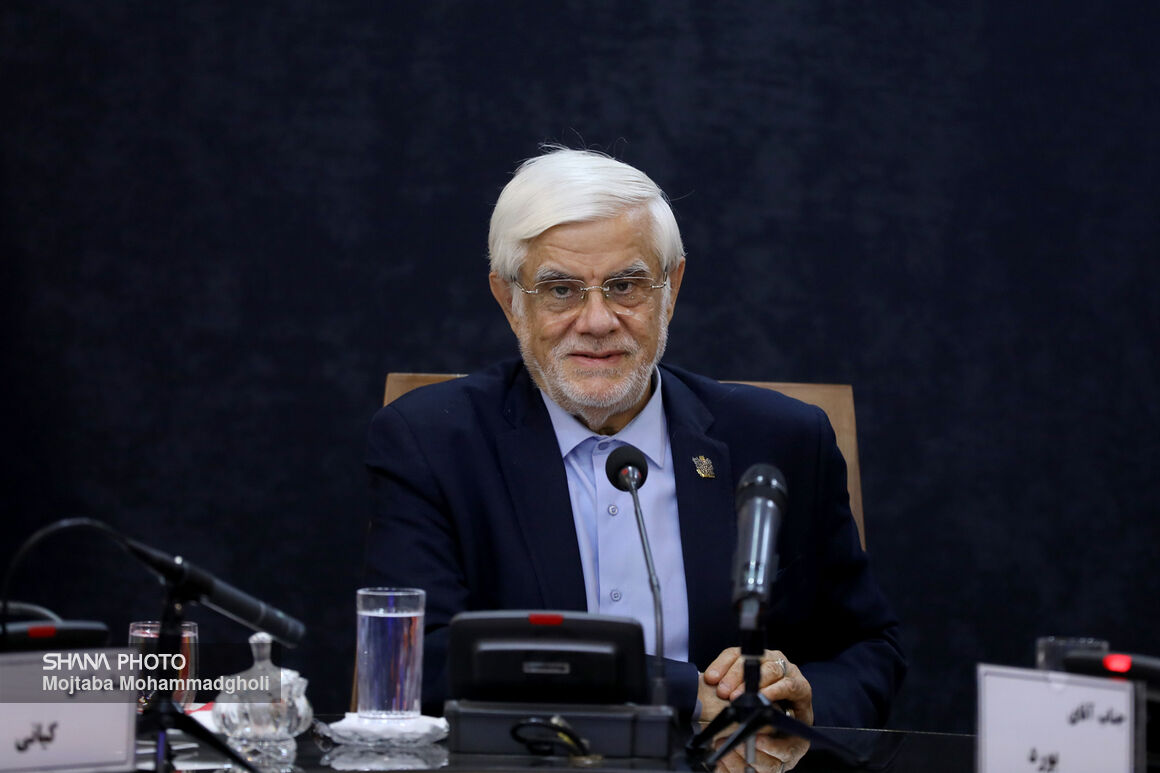
SHANA (Tehran) – Oil Ministry must play a leading role in the country’s development and technological advancement while maintaining its key position in the national economy, First Vice President Mohammadreza Aref said Tuesday.
-
Bovard: Oil sales policies remain a priority
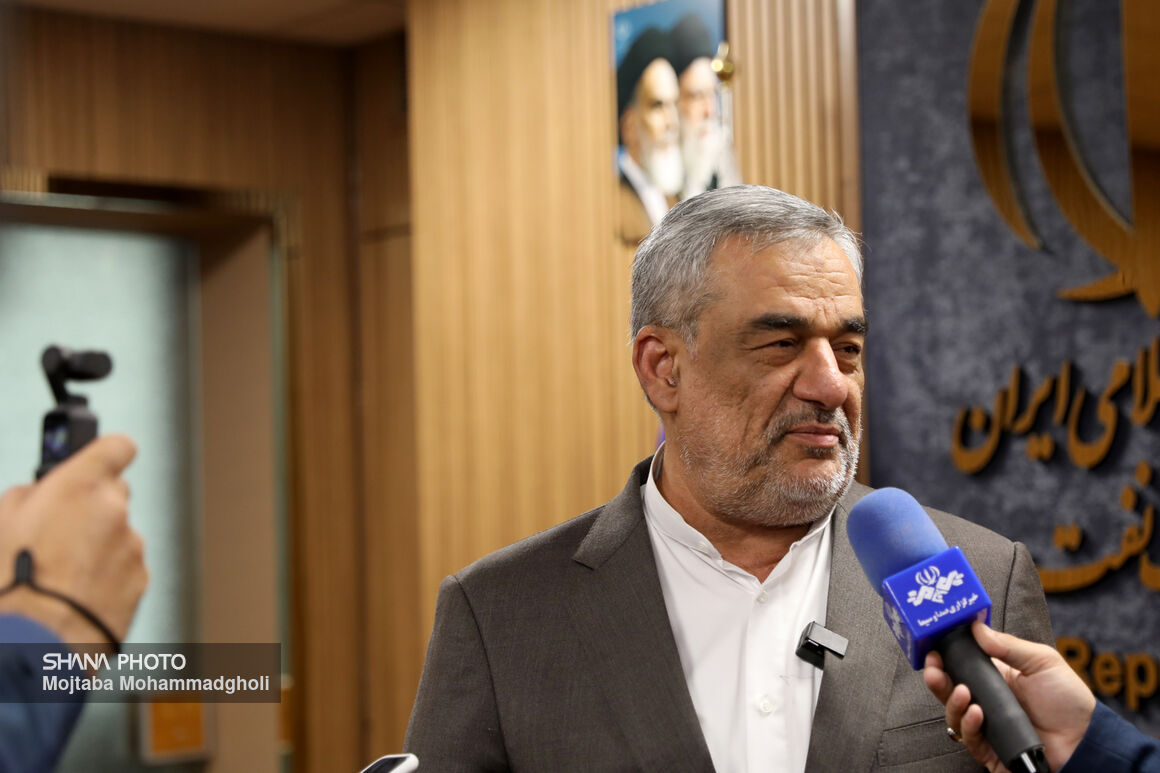
SHANA (Tehran) – Iran’s oil sales policies are being pursued with the same determination as before, Oil Minister Caretaker Hamid Bovard said Tuesday.
-
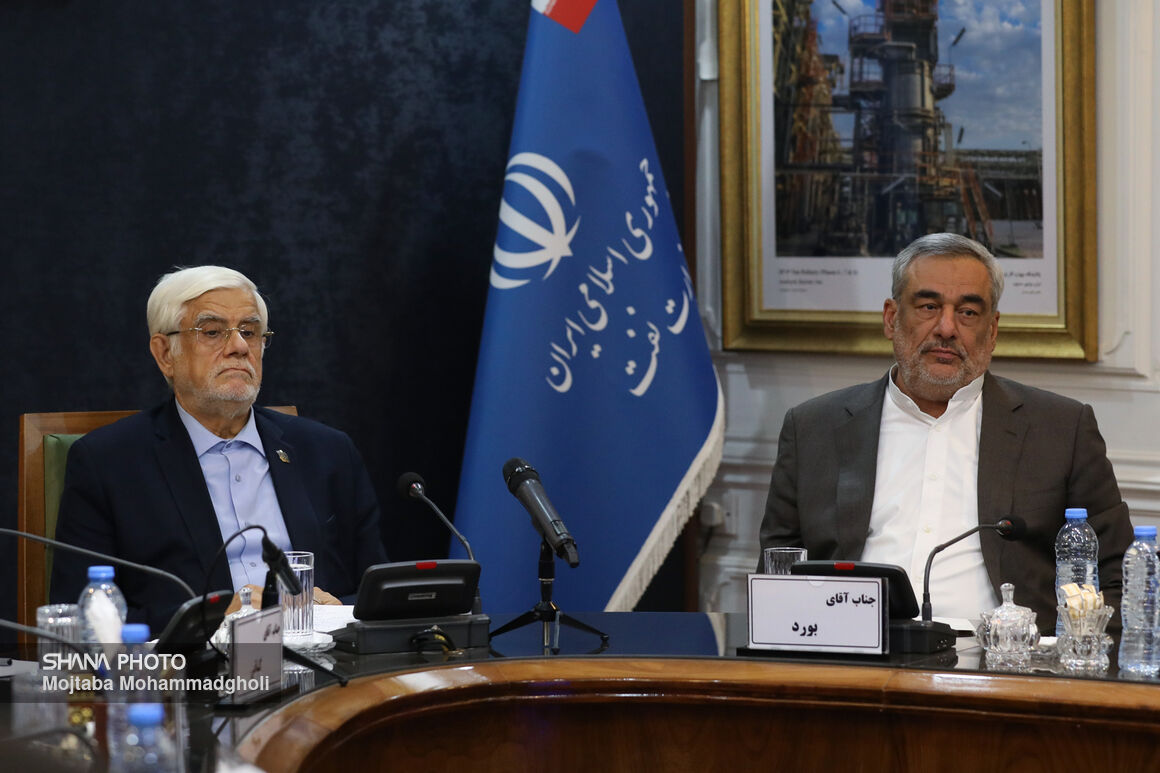
Gov’t, oil industry synergy needed to overcome challenges
SHANA (Tehran) – Acting Oil Minister Hamid Bovard emphasized the need for closer coordination between the government and the oil industry, saying joint efforts to remove obstacles and strengthen cooperation across all sectors could help the country overcome difficult conditions and keep the oil industry moving forward.
-
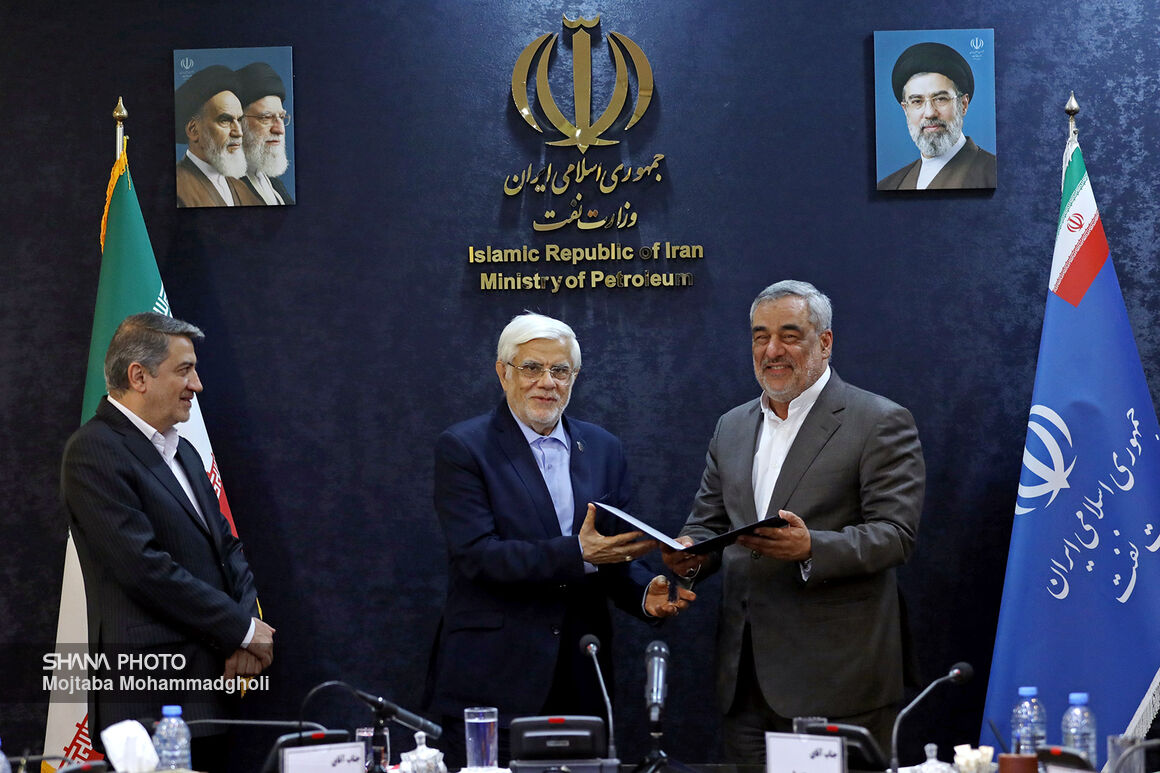
Bovard introduced as caretaker oil minister
SHANA (Tehran) – Hamid Bovard was formally introduced as caretaker oil minister in a ceremony attended by First Vice President Mohammadreza Aref.
-
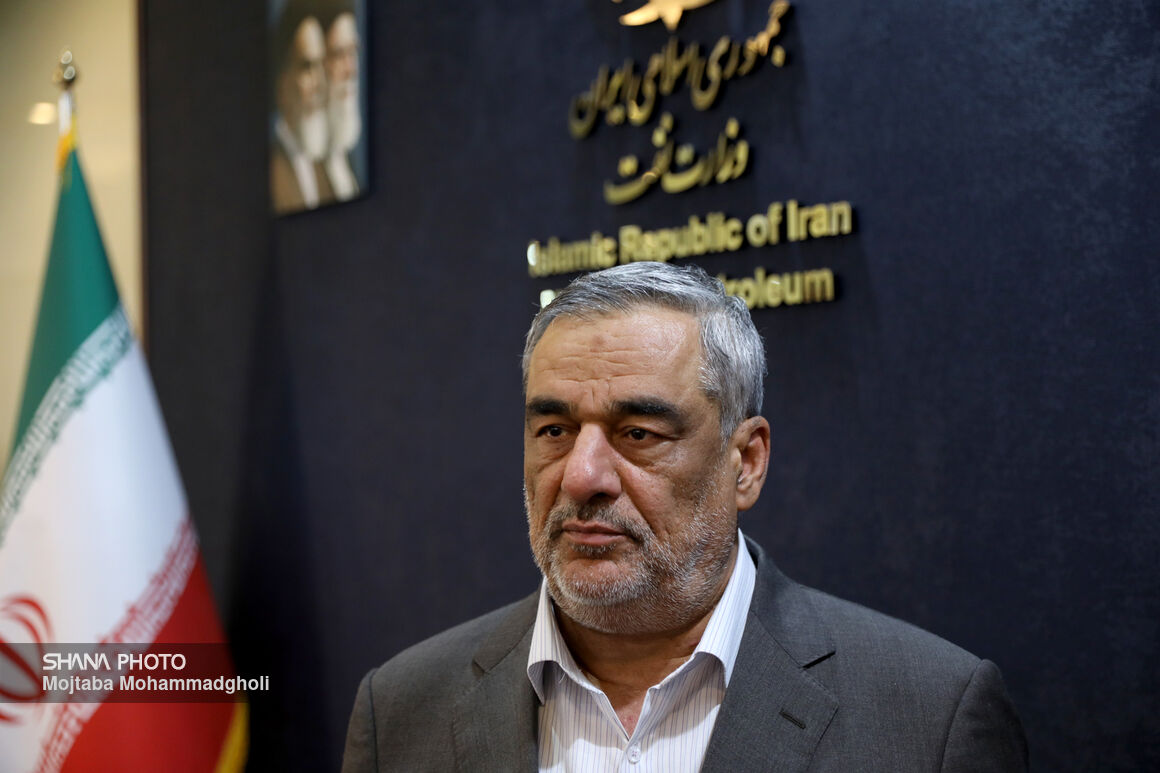
Official social media accounts of caretaker oil minister announced
SHANA (Tehran) – The official social media accounts of Hamid Bovard, caretaker oil minister, have been announced across domestic and international social media platforms and messaging apps.
-
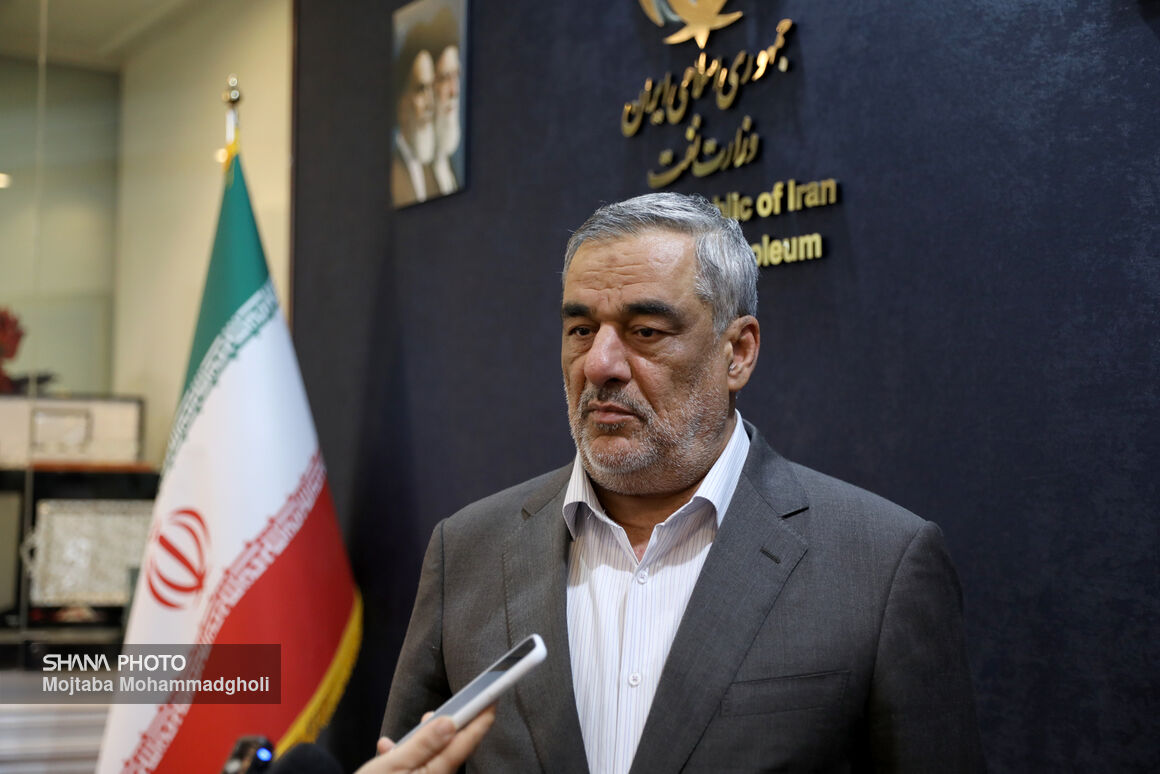
Oil Ministry to maintain production, development drive
SHANA (Tehran) – Caretaker oil minister, Hamid Bovard, said Monday that the oil industry’s production and development programs will continue vigorously through unity and cooperation, in line with the 14th administration’s policy of consensus.
-
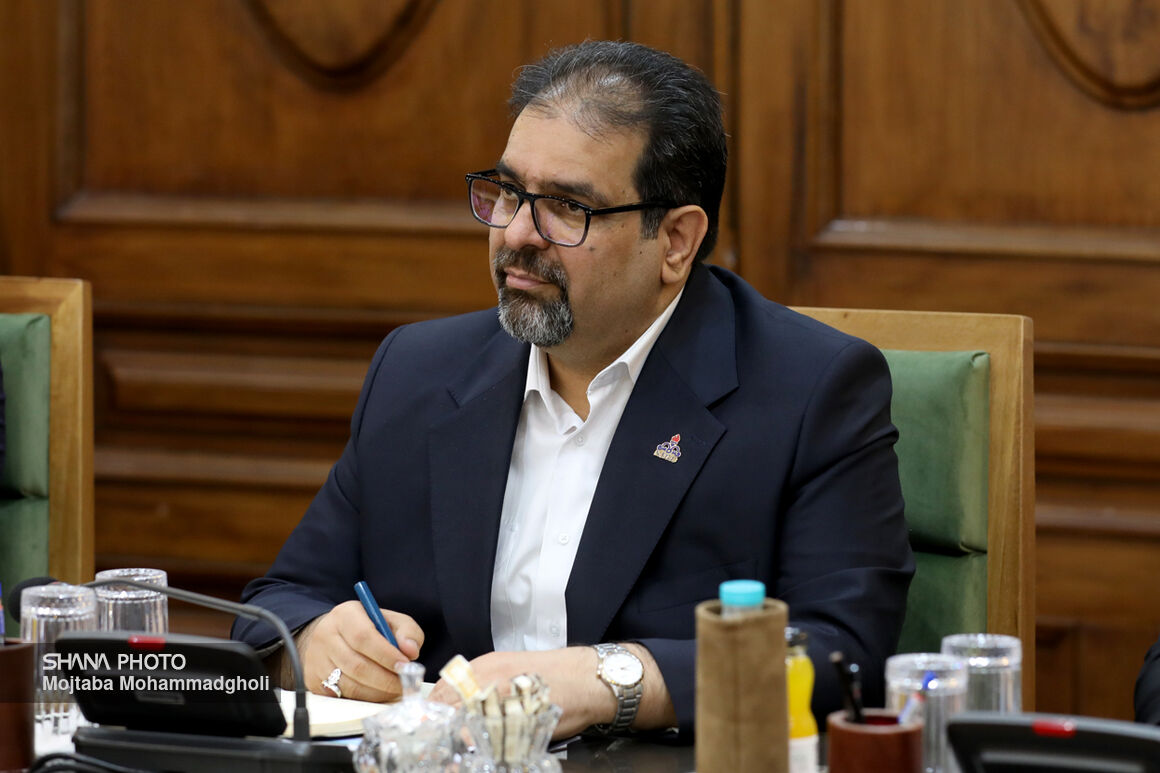
South Pars gas capacity restoration accelerates
SHANA (Tehran) – National Iranian Gas Company (NIGC) Managing Director Saeid Tavakoli said the first gas train of the sixth refinery at the South Pars Gas Complex has returned to production this year, adding that efforts to restore lost gas-processing capacity are progressing rapidly.
-
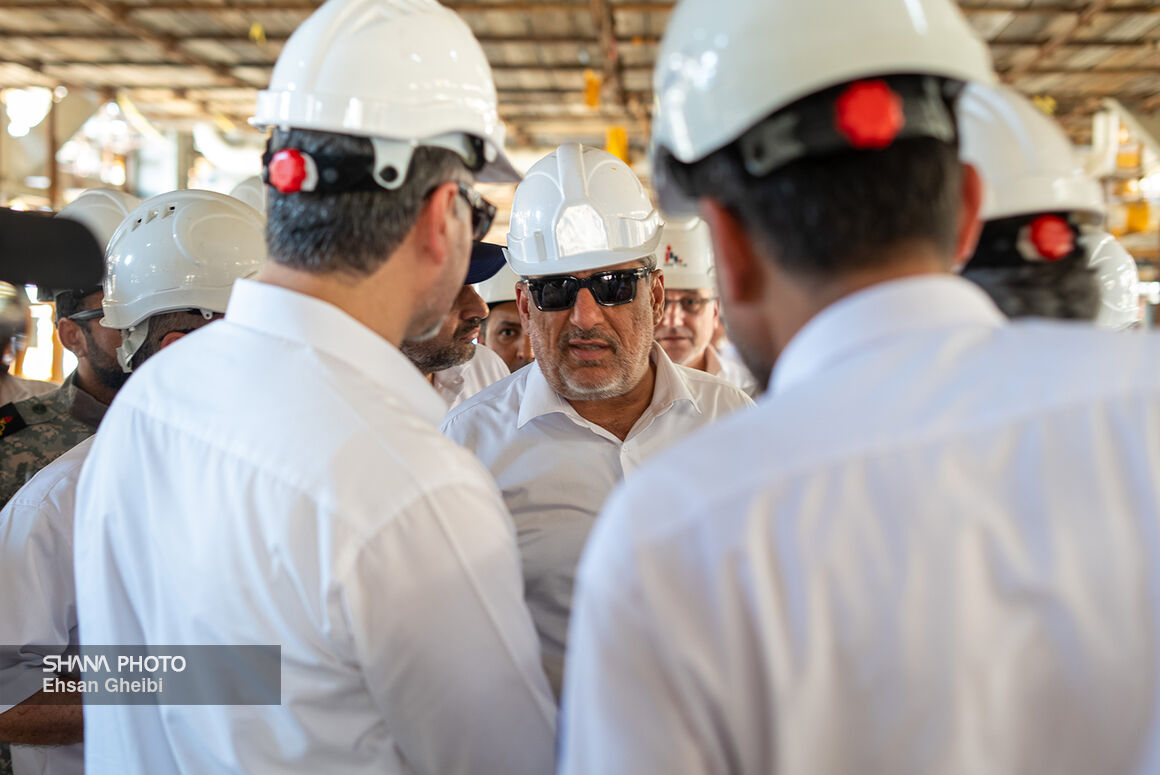
Bovard’s 35-year career in Iran’s oil industry
SHANA (Tehran) — Hamid Bovard, a veteran Iranian oil industry executive with more than 35 years of operational and managerial experience, was appointed caretaker oil minister Sunday by President Masoud Pezeshkian after the resignation of Mohsen Paknejad was accepted.
-
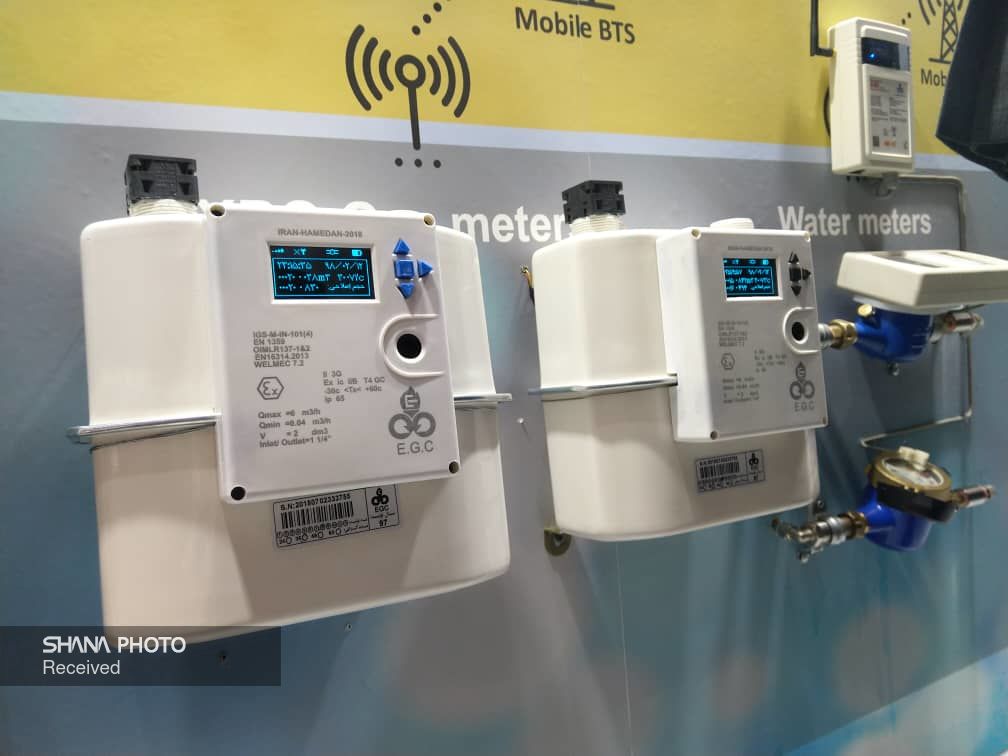
NIGC floats 'virtual refinery' model to cut gas consumption
SHANA (Tehran) — The National Iranian Gas Company said a new approach it calls a "virtual refinery" could free up gas capacity by reducing consumption rather than building costly new facilities, an official said.
-
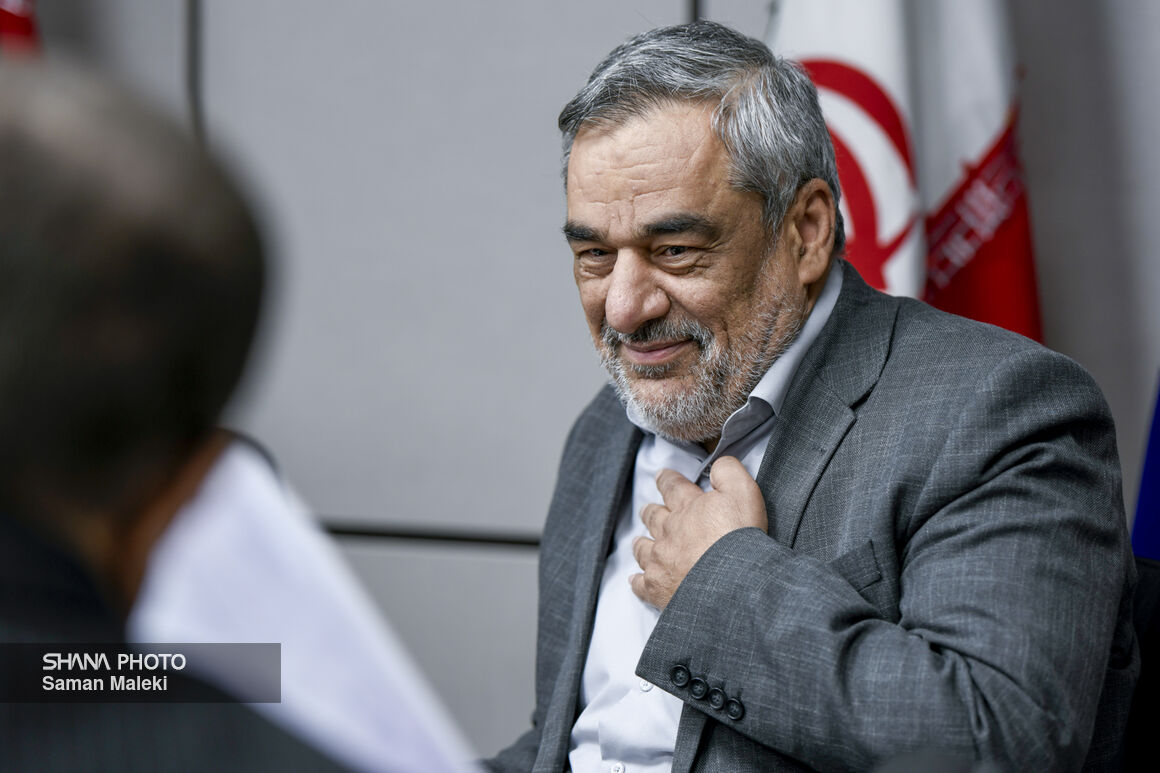
Hamid Bovard named caretaker oil minister
SHANA (Tehran) — President Masoud Pezeshkian appointed Hamid Bovard as caretaker minister of oil after accepting the resignation of Mohsen Paknejad.
-
Seven OPEC+ members keep November output steady
SHANA (Tehran) – Saudi Arabia, Russia, Iraq, Kuwait, Kazakhstan, Algeria and Oman agreed Sunday to hold November oil production at September levels, reaffirming their commitment to market stability.
-
Gachsaran Oil Company boosts Mansourabad field through war
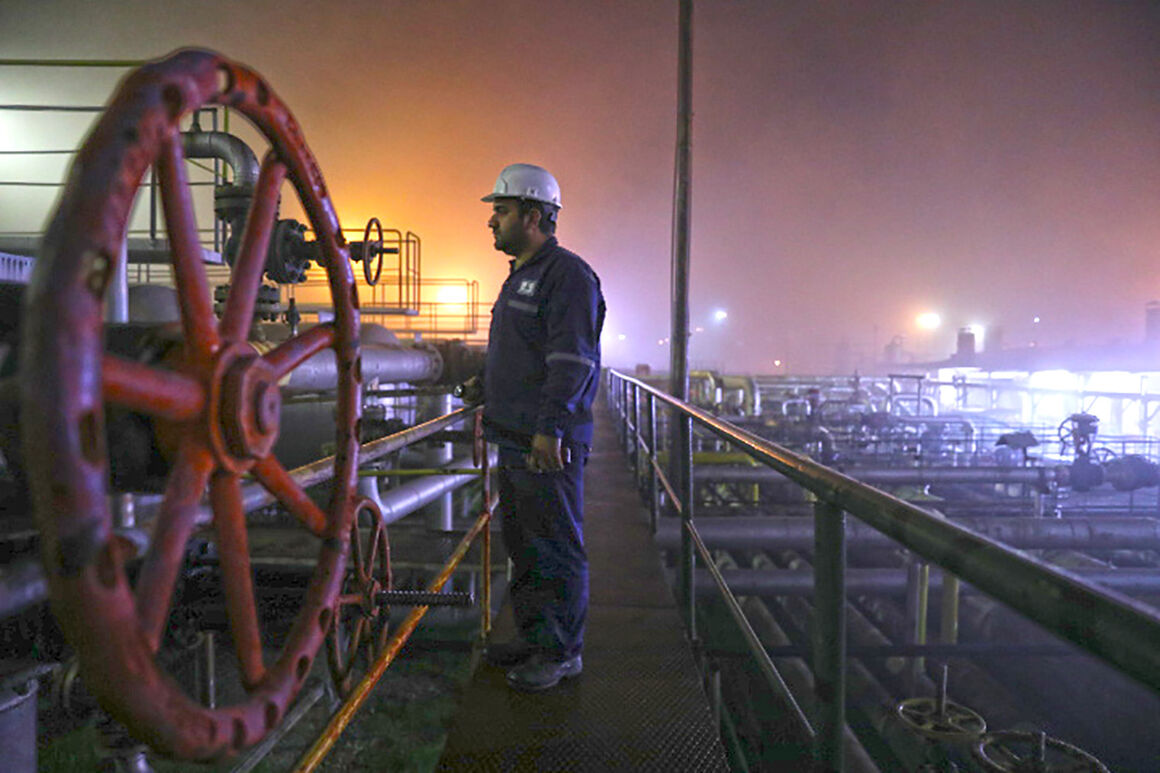
SHANA (Tehran) – The managing director of the Gachsaran Oil and Gas Production Company said oil and gas output continued without interruption during the third imposed war, and that operational projects added 15,000 barrels per day to the Mansourabad field's capacity.