Energy
-
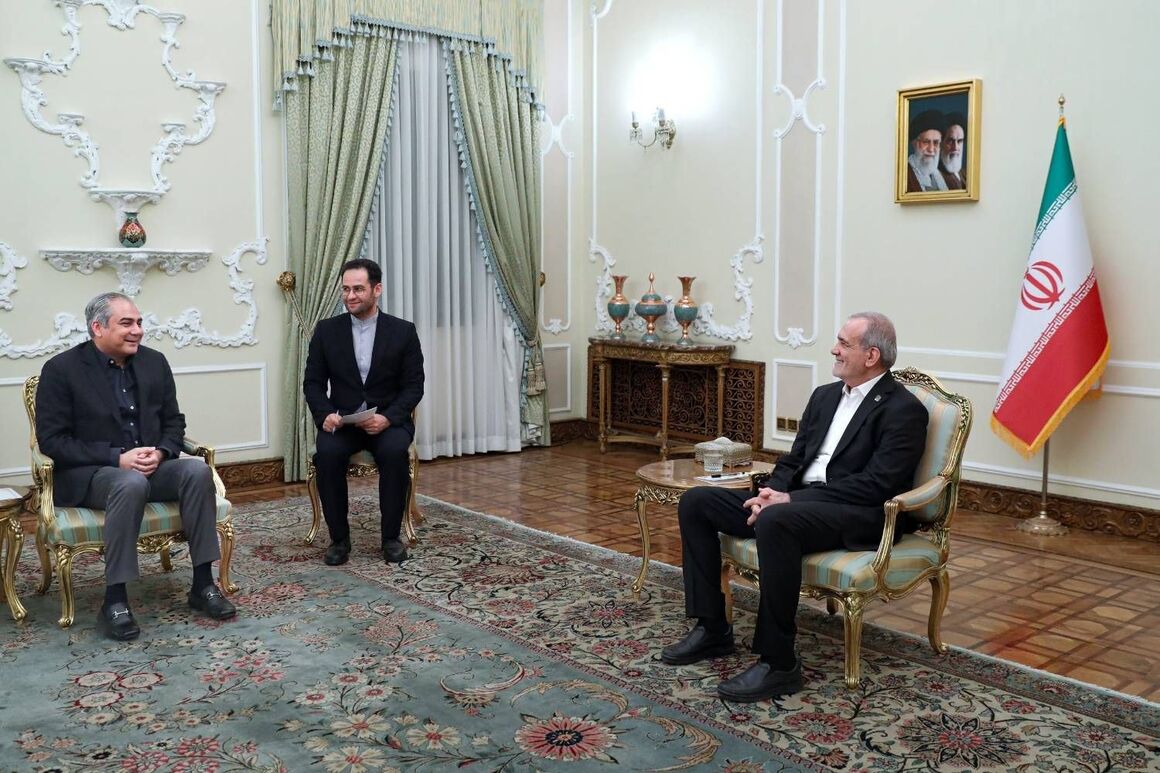
Pezeshkian calls for stronger Iran-Pakistan economic, energy ties
SHANA (Tehran) – President Masoud Pezeshkian said Monday that Iran and Pakistan can meet many of their needs by relying on domestic and regional capabilities, stressing the importance of deeper economic and energy cooperation between the two countries.
-

Iran positions itself as BRICS energy, food supply partner
SHANA (Tehran) — Iran is ready to serve as a strategic partner in BRICS energy, food and transportation supply chains, President Masoud Pezeshkian said Friday, citing the country's vast energy reserves and strategic geographic location.
-
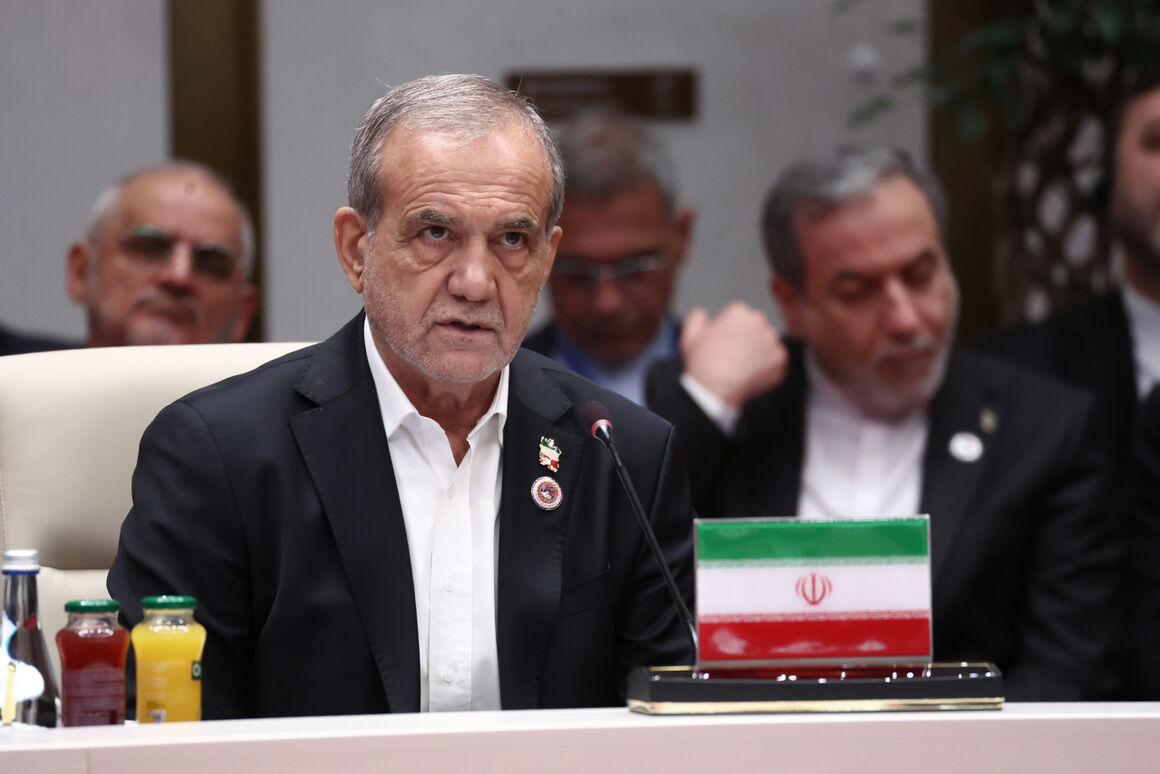
Pezeshkian calls for SCO energy consortium
SHANA (Tehran) – President Masoud Pezeshkian said Tuesday that establishing an energy consortium within the Shanghai Cooperation Organization could bring positive benefits to member states and strengthen the bloc’s position in global energy markets.
-

President:
Gasoline regulating, sanctions relief central to economic recovery
SHANA (Tehran) — President Masoud Pezeshkian said Friday that his government is pursuing a series of measures to curb fuel consumption.
-
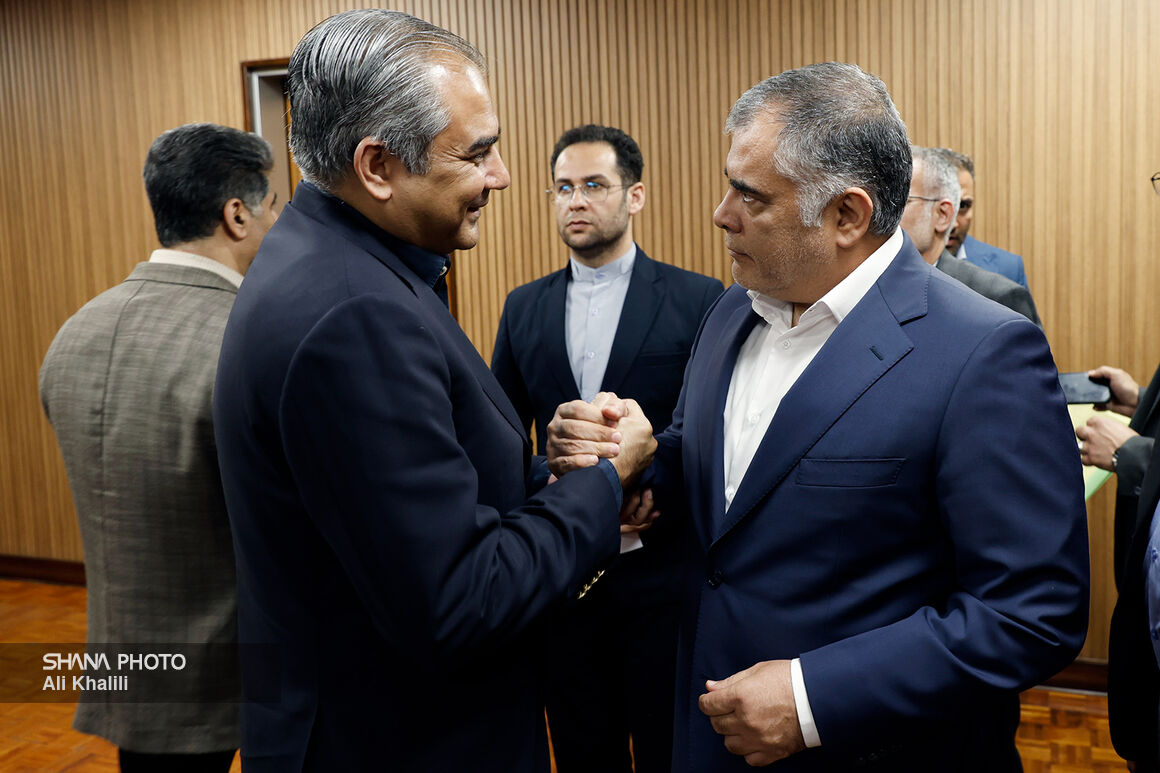
Iran, Pakistan forming energy task forces
SHANA (Tehran) – Iran and Pakistan have agreed to establish specialized working groups to follow up on major agreements involving energy trade, Iranian oil minister said Tuesday.
-
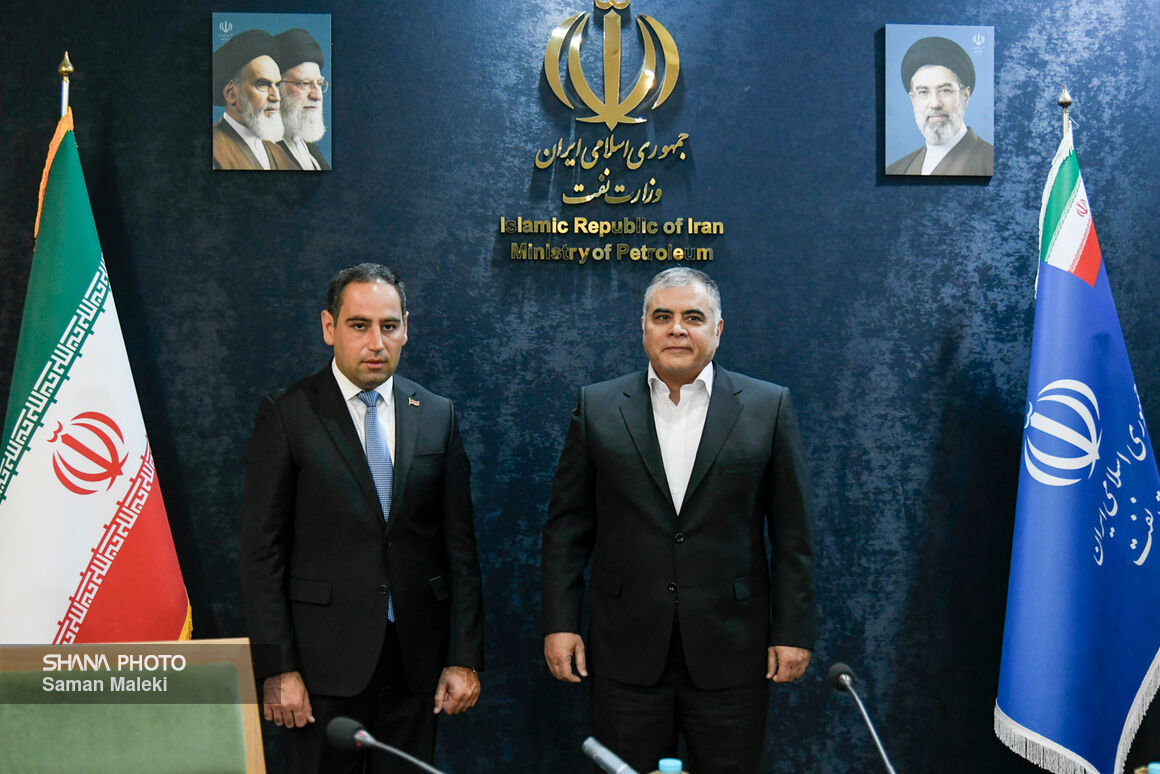
Paknejad meeting with Armenian minister
SHANA (Tehran) – Mohsen Paknejad, Minister of Petroleum met with Davit Khudatyan, Armenia's Minister of Territorial Administration and Infrastructure in Tehran on July 25, 2026.
-
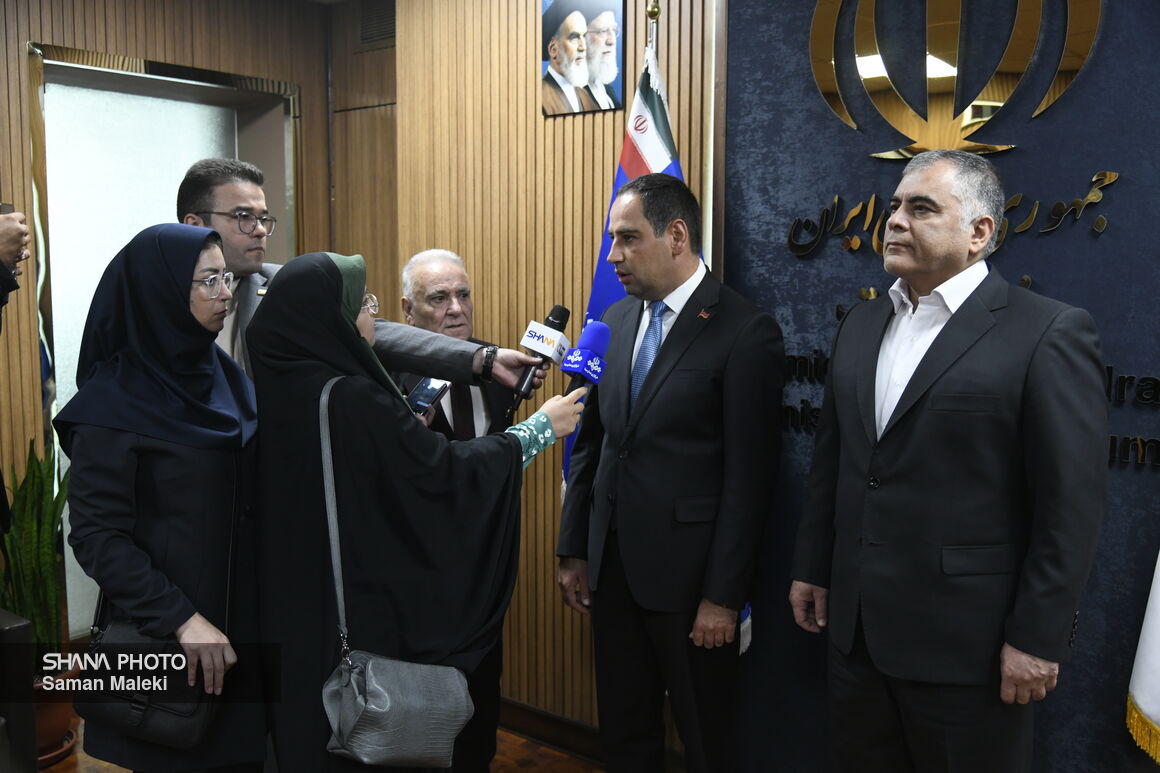
Tehran, Yerevan eye stronger ties
SHANA (Tehran) — Iran and Armenia have agreed to establish a joint technical working group on energy to expand bilateral cooperation across all related sectors, Armenia's minister of territorial administration and infrastructure said Saturday.
-
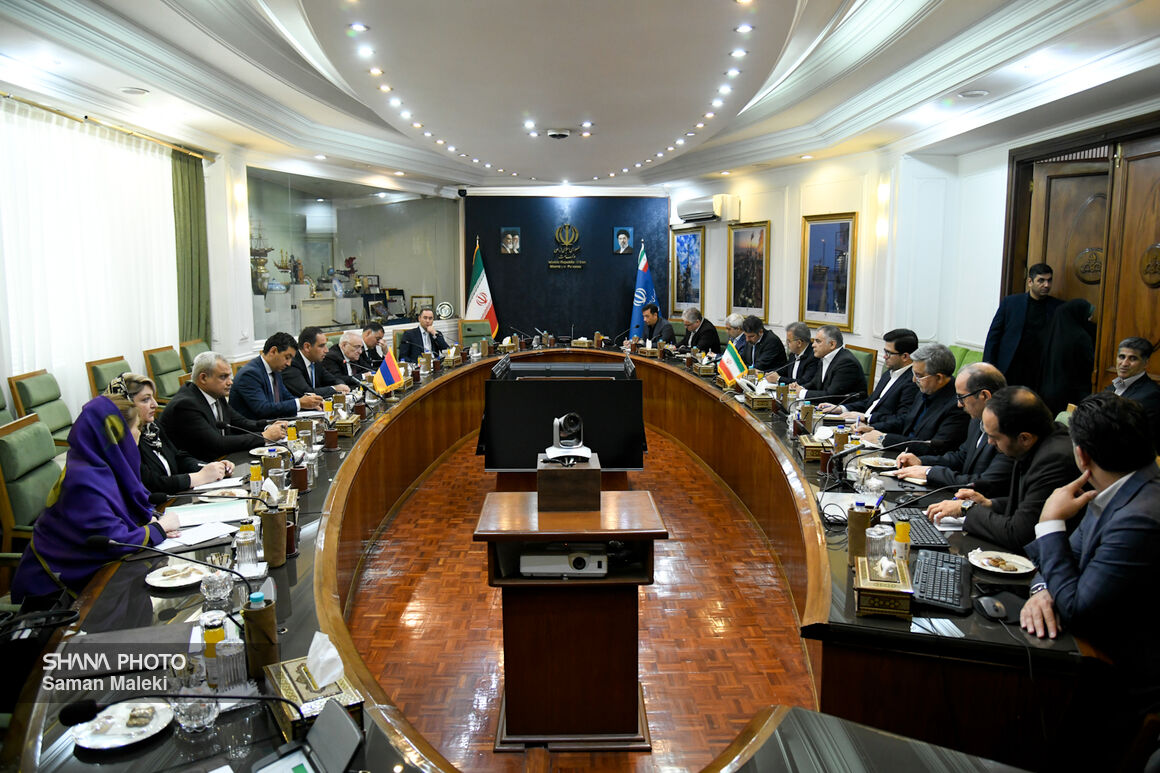
Iran, Armenia outline new energy cooperation roadmap
SHANA (Tehran) — Iran and Armenia agreed to establish a joint technical working group on energy cooperation, with Tehran proposing a new framework for natural gas trade that could expand bilateral ties and potentially enable gas exports through Armenia to other markets.
-
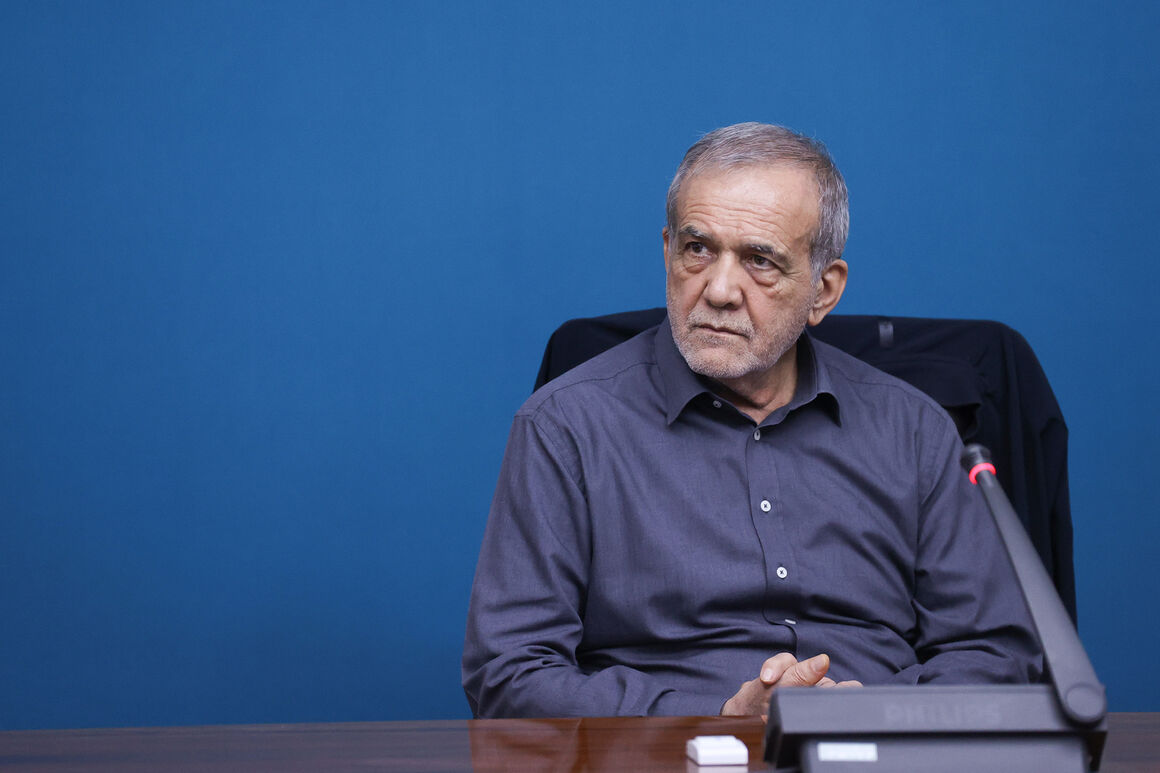
Iran launches energy-saving drive, starting with gov’t agencies
SHANA (Tehran) – Iran's government has begun reducing energy consumption within its own executive bodies, President Masoud Pezeshkian said Wednesday, ordering ministries and other state bodies to cut waste and improve energy efficiency.
-
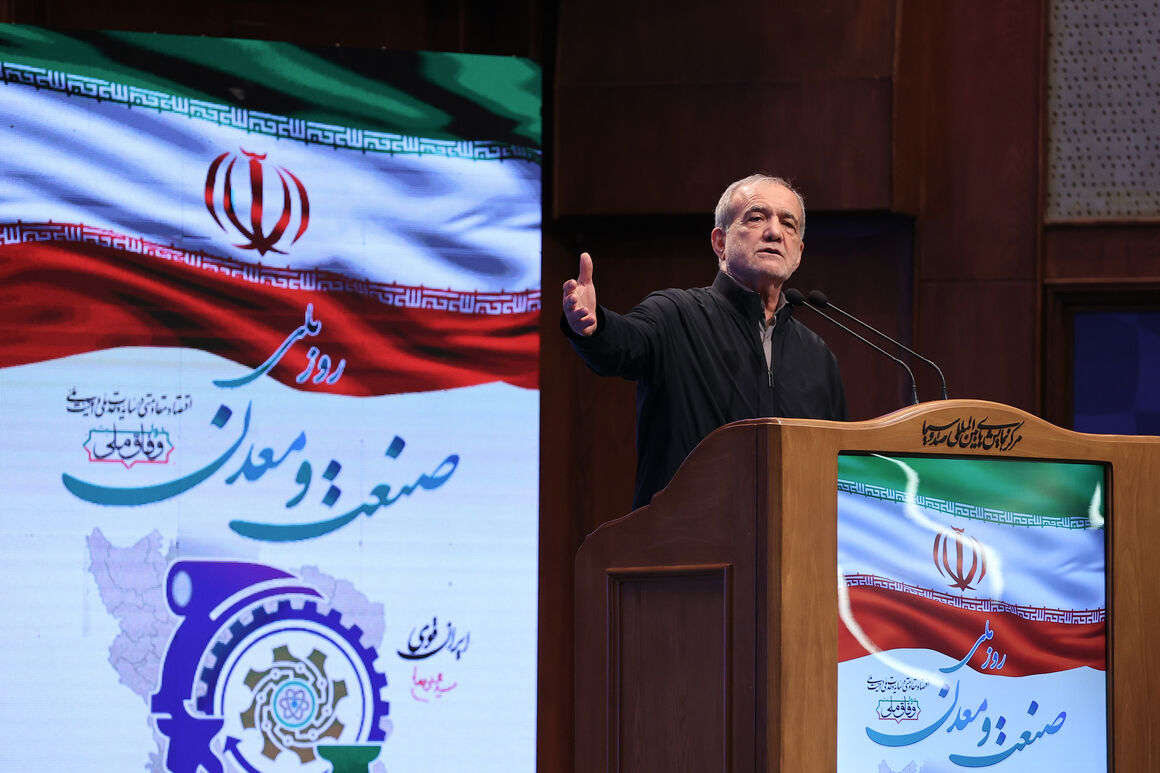
President vows reliable energy for industry
SHANA (Tehran) — President Masoud Pezeshkian said Tuesday that the government remains committed to ensuring a stable energy supply for the country's industrial sector while removing barriers to production and supporting economic activity.
-
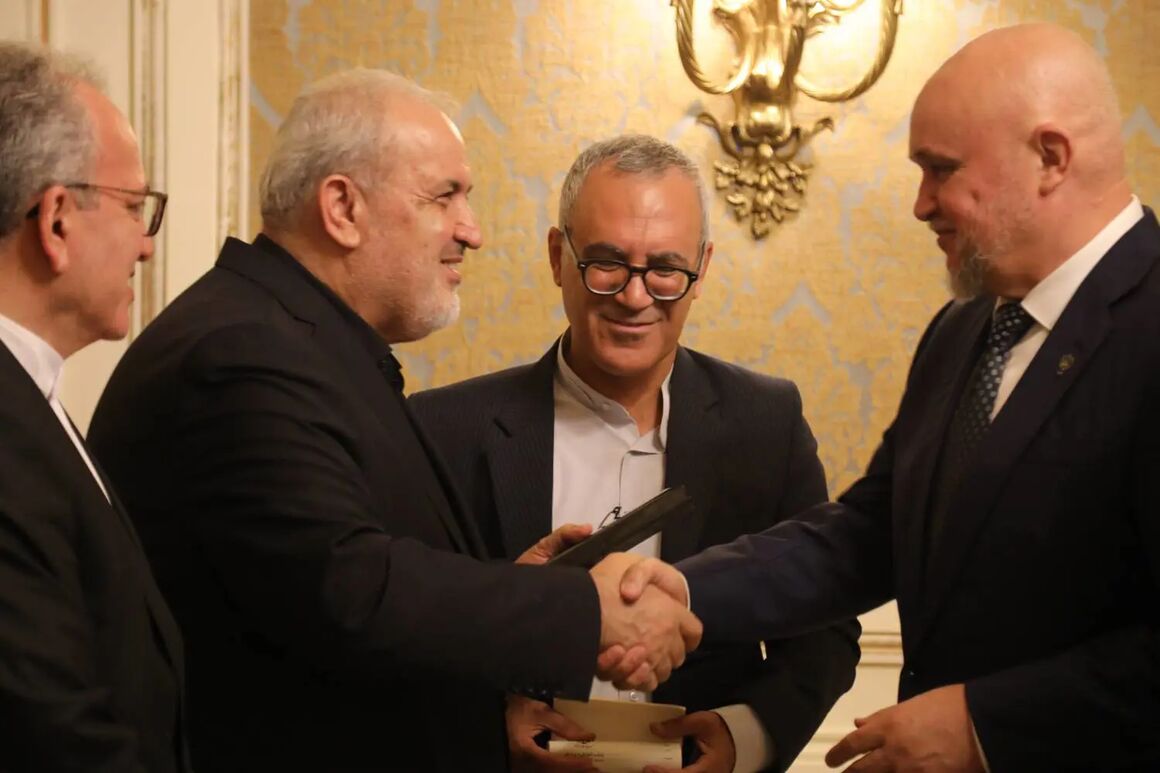
Iran, Russia push forward on power grid connection, energy cooperation
SHANA (Tehran) – Iranian Energy Minister Abbas Aliabadi and Russian Energy Minister Sergei Tsivilev met Monday to review progress on a roadmap for bilateral power cooperation. Discussions covered grid interconnection, equipment imports and exports, construction of the joint Sirik power plant, and the formation of joint working groups to speed up strategic projects.
-
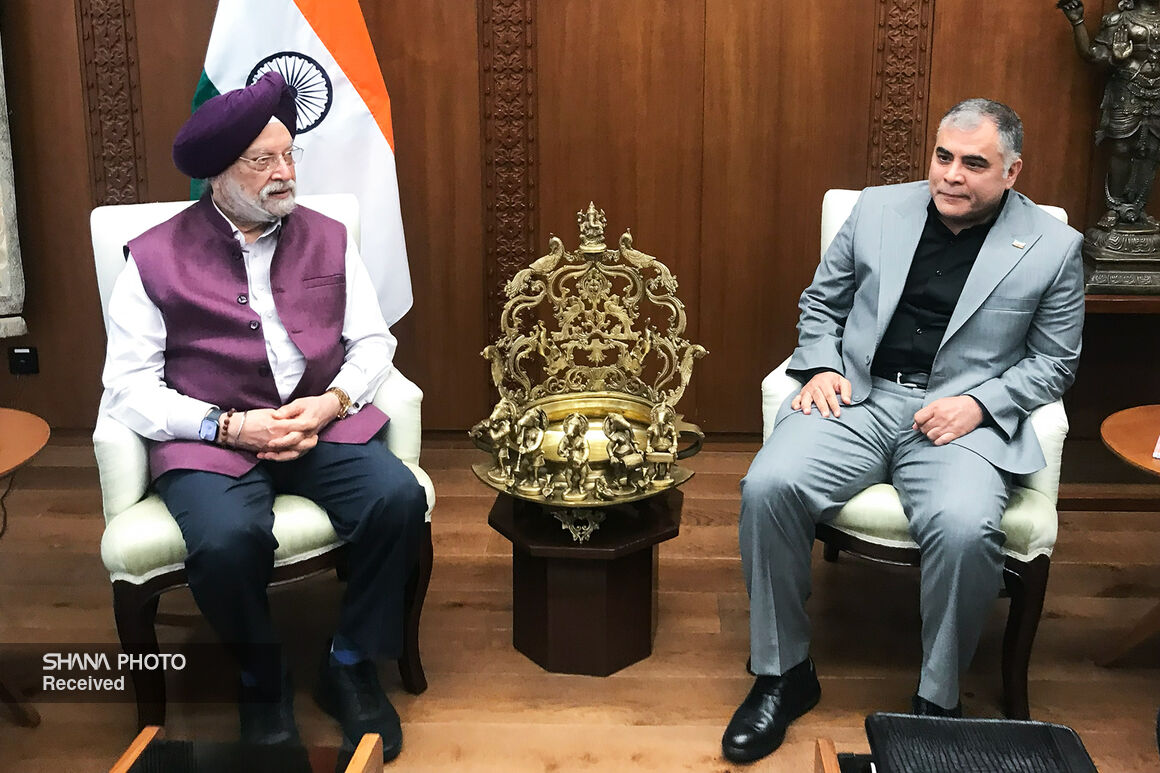
Iran, India discuss broadening energy ties
SHANA (Tehran) — Iran’s Oil Minister Mohsen Paknejad and India’s Minister of Petroleum and Natural Gas, Hardeep Singh Puri, discussed ways to expand bilateral cooperation in the oil and gas sector during a meeting on the sidelines of the 11th BRICS Energy Ministers’ Meeting on Thursday.
-
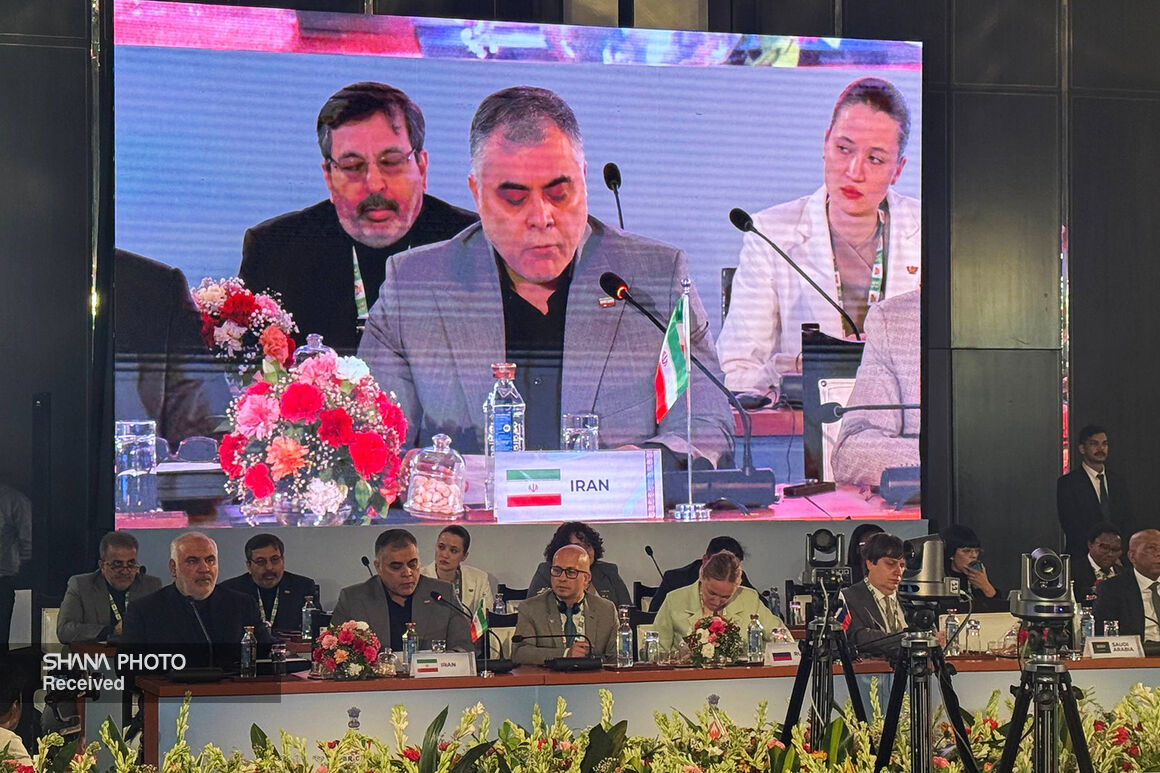
Paknejad attends launch of BRICS Digital Energy Center in India
SHANA (Tehran) — Oil Minister Mohsen Paknejad attended the official inauguration ceremony of the BRICS Digital Center of Excellence (DCoE) for Smart Grid and Energy Storage on Thursday, as part of his visit to India for the 11th Meeting of BRICS Energy Ministers.
-
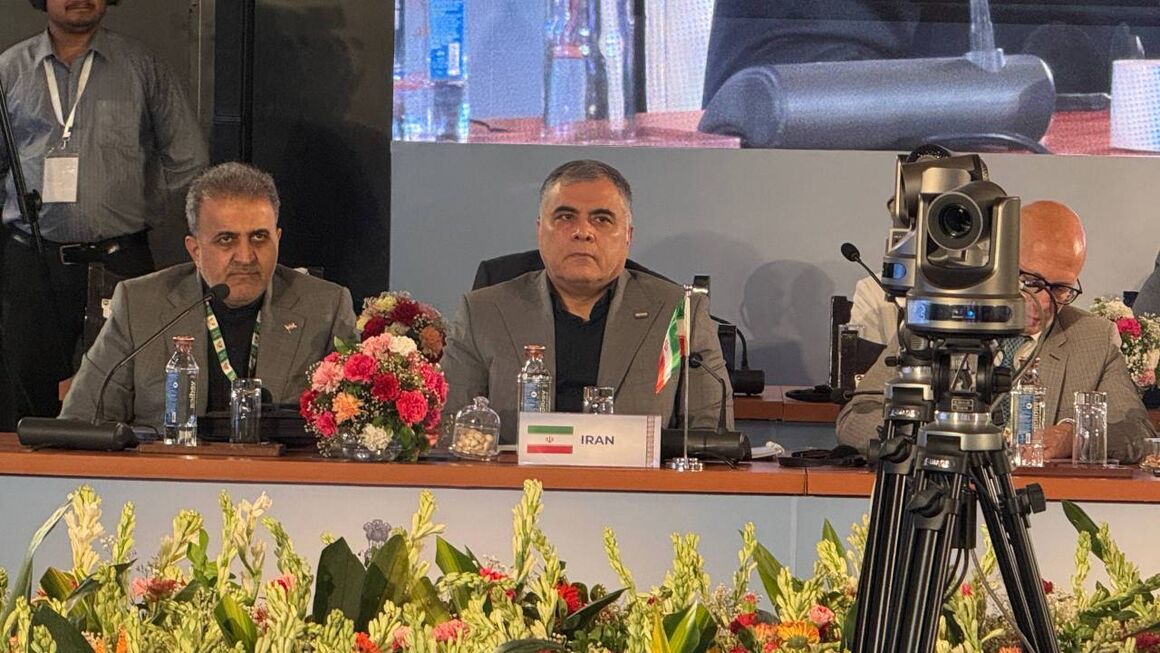
Paknejad calls for BRICS energy security partnership, greater oil, gas investment
SHANA (Tehran) — Iranian Oil Minister called for deeper energy cooperation among BRICS nations and proposed the creation of a “BRICS Energy Security Partnership” to strengthen market stability, protect energy infrastructure and ensure uninterrupted energy flows among member states.
-
Iran, South Africa seek stronger energy partnership at BRICS
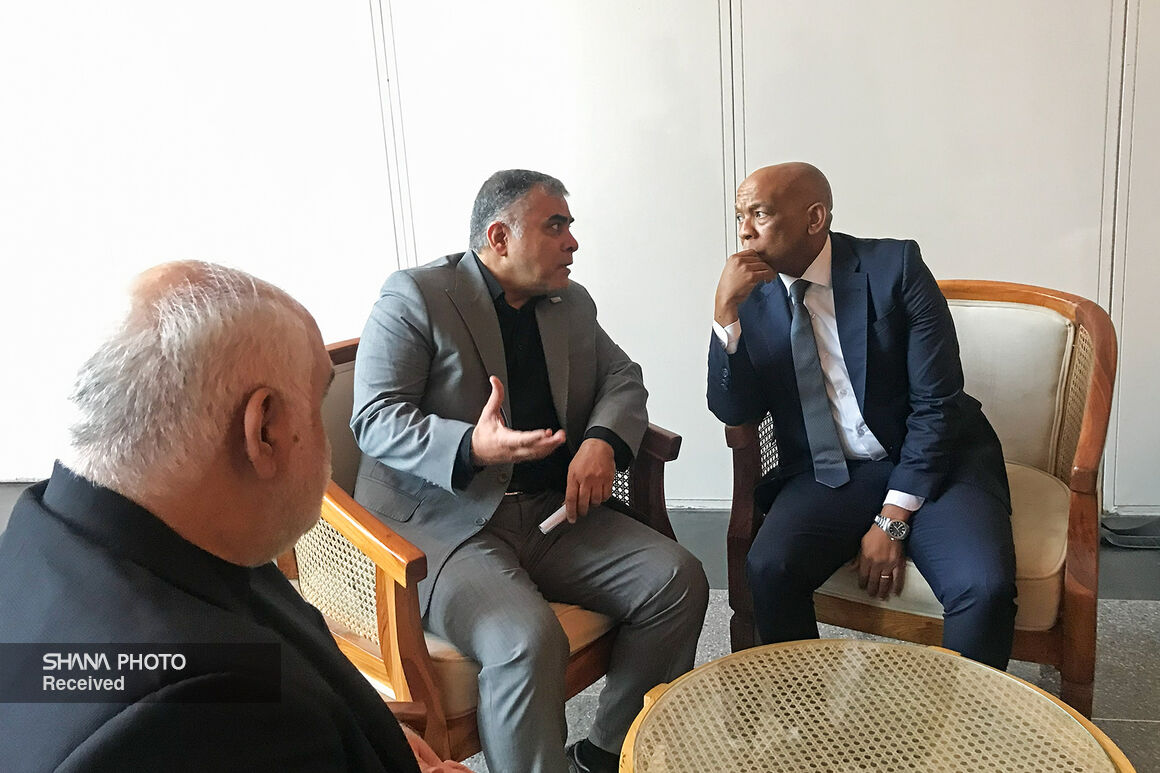
SHANA (Tehran) — Iran and South Africa discussed expanding bilateral cooperation in the energy sector during a meeting on the sidelines of the 11th BRICS Energy Ministers’ Meeting in India. Iranian Oil Minister met Thursday with South African Minister of Electricity and Energy on the second day of his visit to India. The two officials exchanged views on strengthening energy ties and advancing cooperation between Tehran and Pretoria.
-
Iran, Tajikistan hold talks on energy cooperation
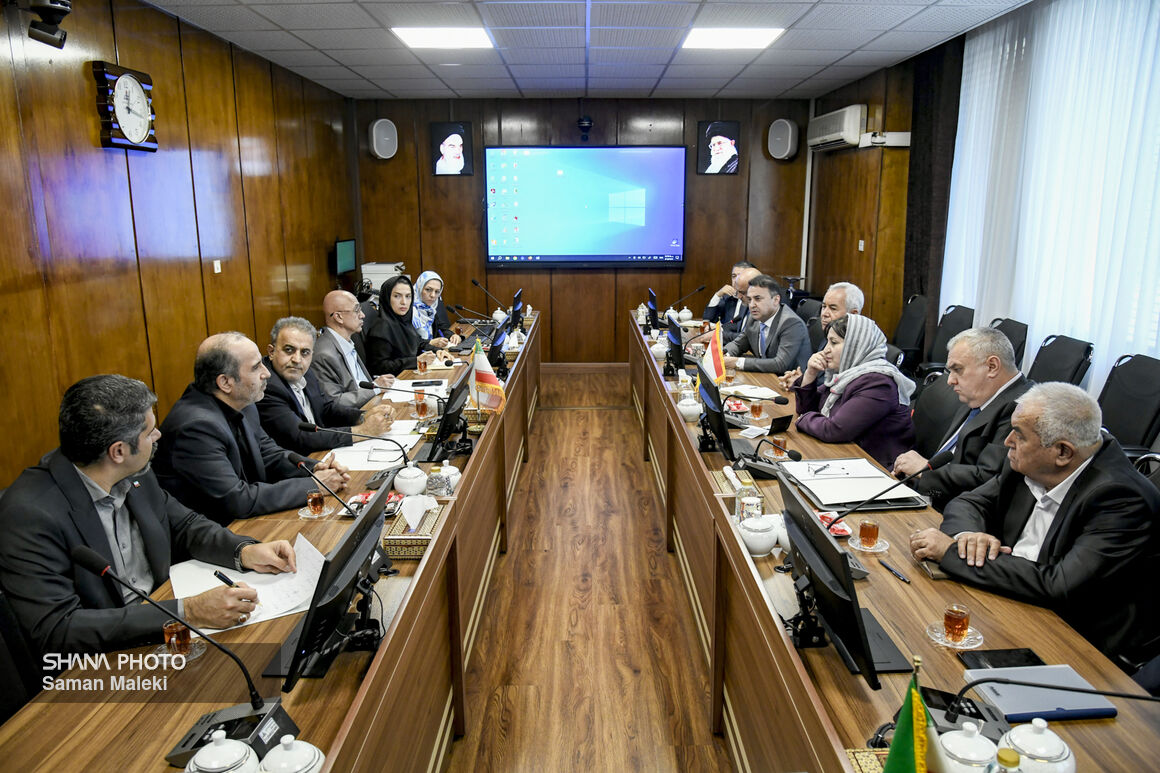
SHANA (Tehran) – Ali-Mohammad Mousavi, Iran’s deputy oil minister for international affairs and commerce, met and held talks with Tajik Deputy Minister of Energy and Water Resources, Sharifa Khudobakhsh in Tehran on June 22, 2026.
-
Paknejad highlights president’s support of energy sector
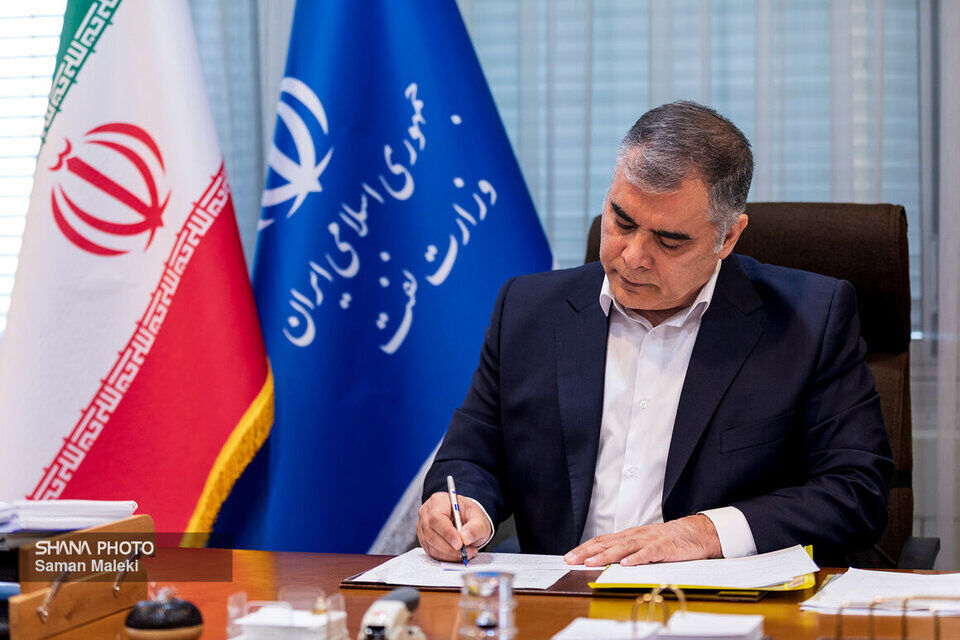
SHANA (Tehran) – Oil minister praised President Masoud Pezeshkian for his support of the country’s energy sector, saying the president played a historic role in encouraging public participation in reducing energy consumption.
-
Gas output drive aims to ease energy imbalance
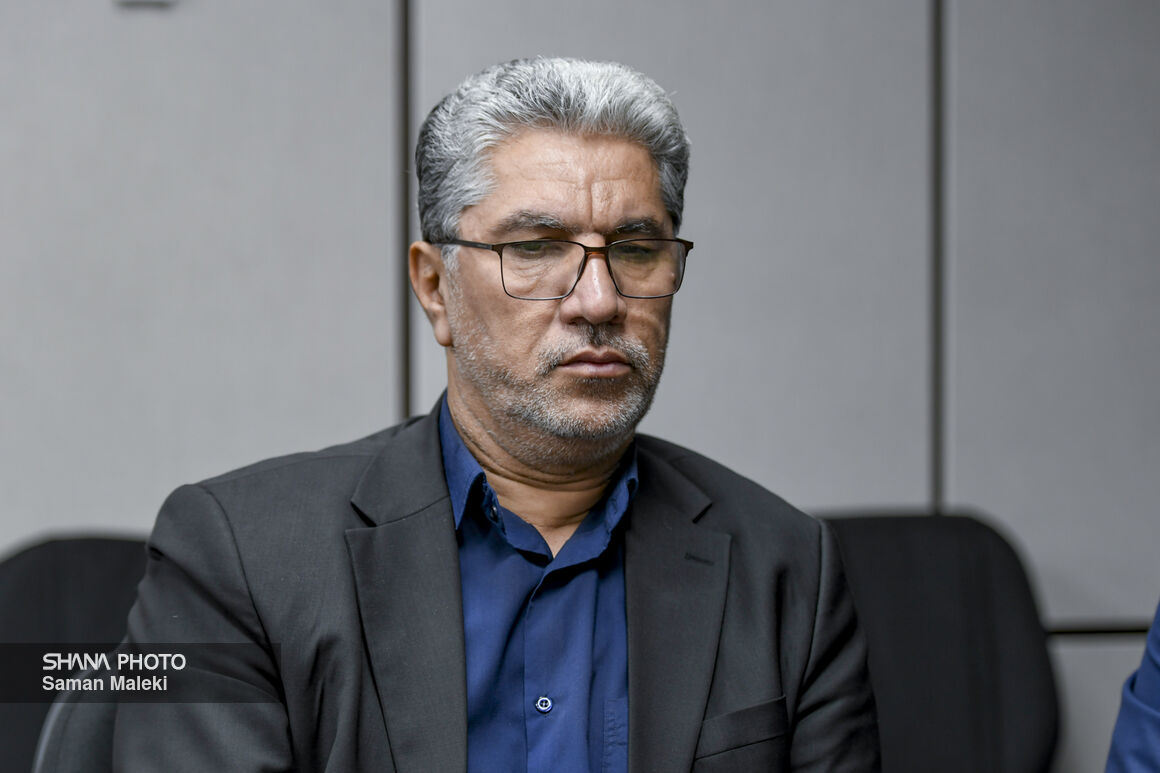
SHANA (Tehran) – A lawmaker of Parliament Energy Committee said the Oil Ministry’s emergency plan to boost onshore gas production is a key measure to help manage the country’s energy supply-demand imbalance.
-
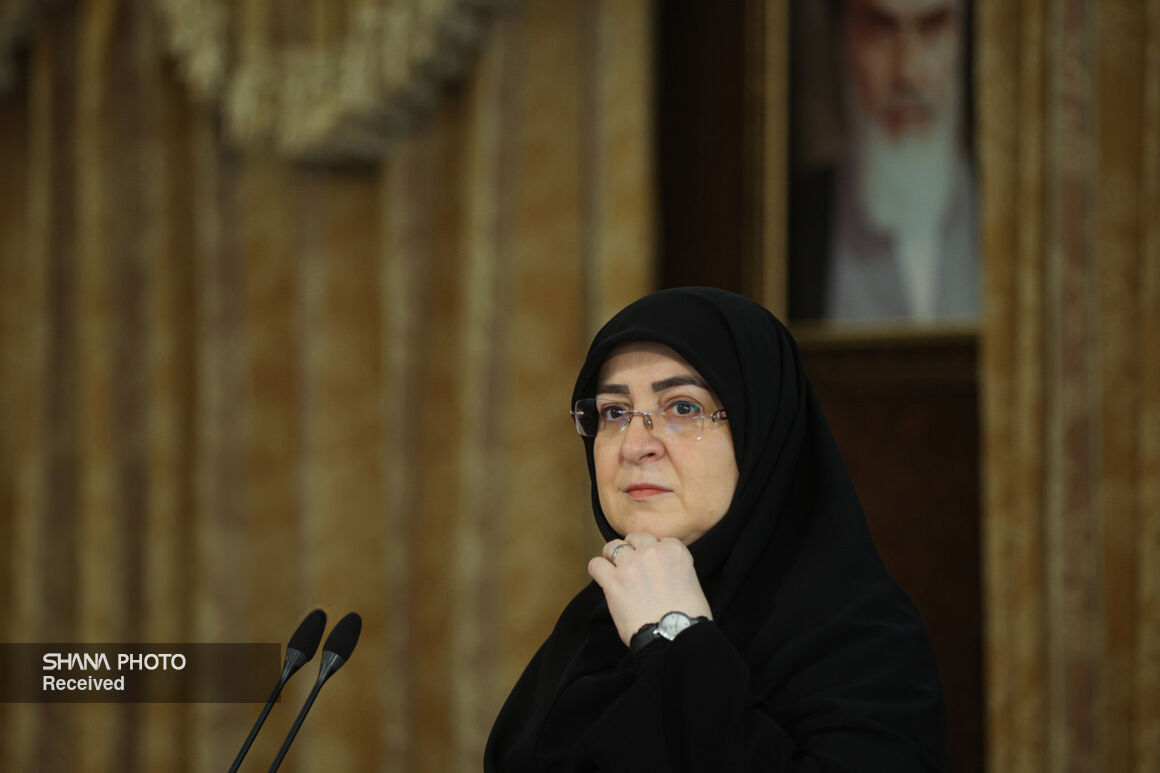
Spox: Gov’t moves to shield industry from energy shortfalls
SHANA (Tehran) – The Iranian government is working to reduce the impact of energy imbalances on industrial and manufacturing facilities despite significant damage to energy infrastructure during the recent 40-day conflict, government spokesperson Fatemeh Mohajerani said Tuesday.
-
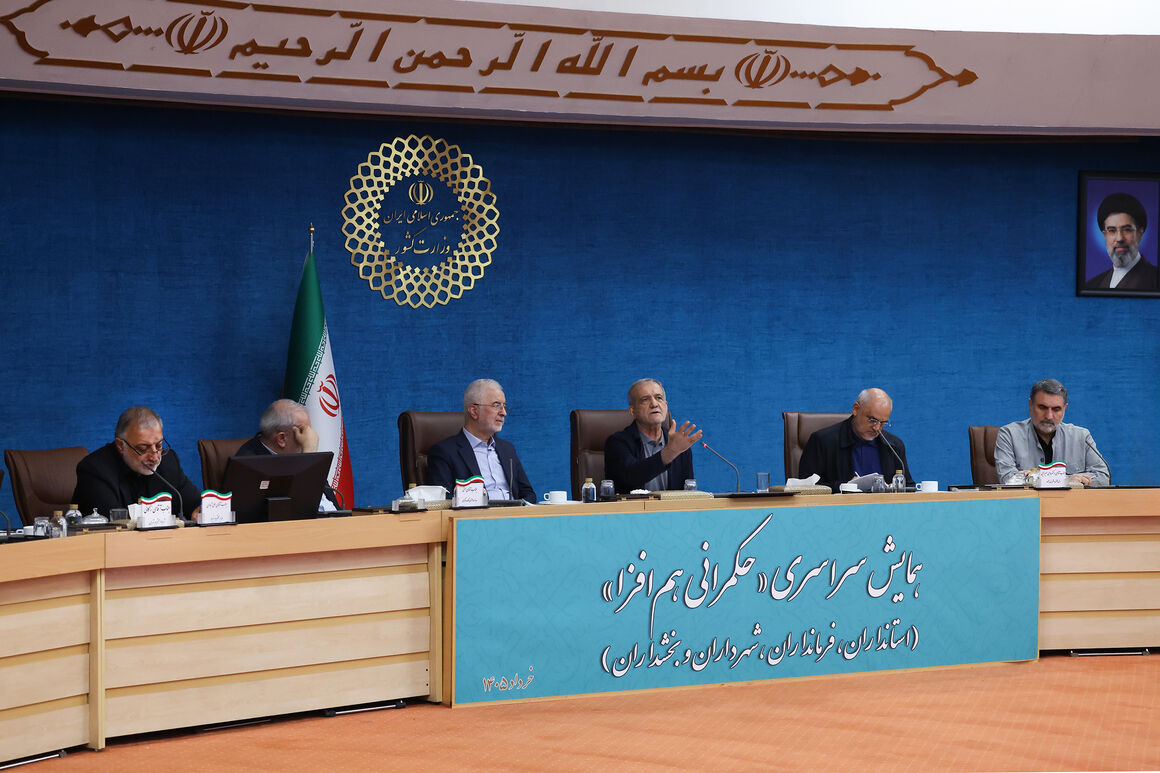
President urges nationwide push for energy conservation
SHANA (Tehran) – President Masoud Pezeshkian described energy consumption management as one of Iran’s most critical national priorities, stressing that efforts to reform consumption patterns should begin within government institutions before expanding to other sectors and local communities.
-
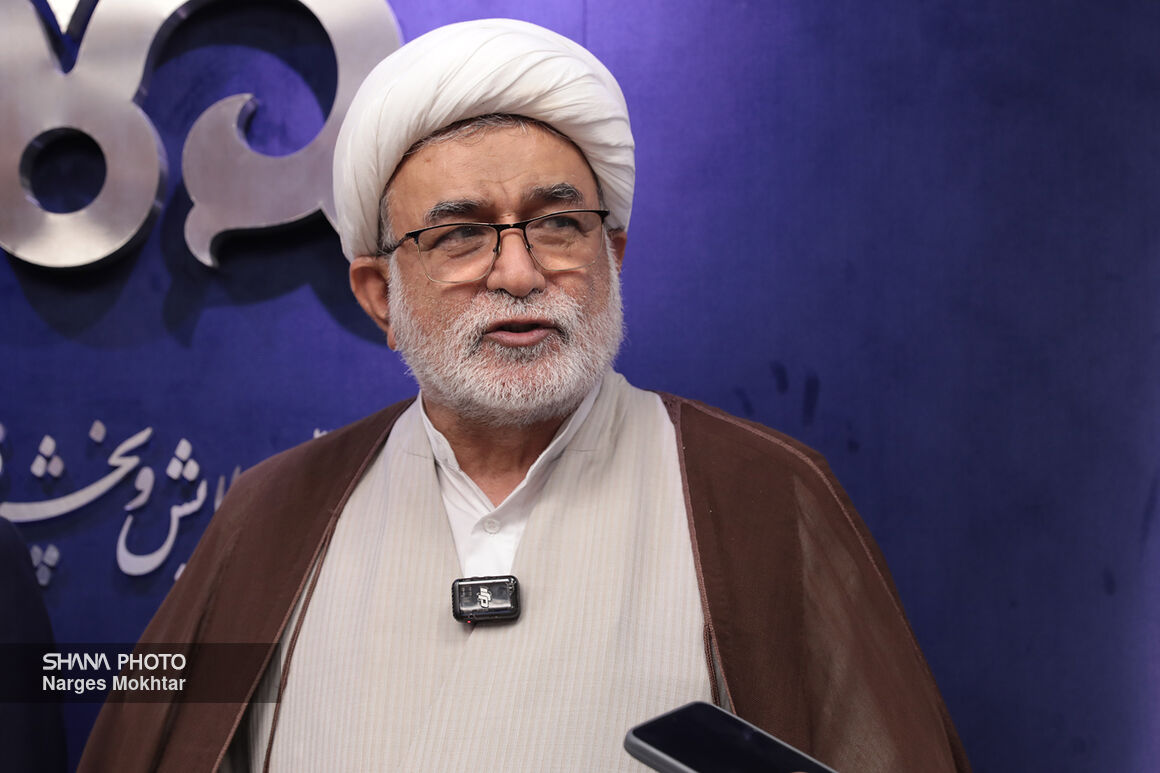
Oil, Energy ministries coordinate for summer peak
SHANA (Tehran) – The head of the Parliament’s Energy Committee said close coordination between the Oil Ministry and the Energy Ministry is helping prepare the country for peak summer electricity demand, expressing hope that effective planning will prevent power outages.
-
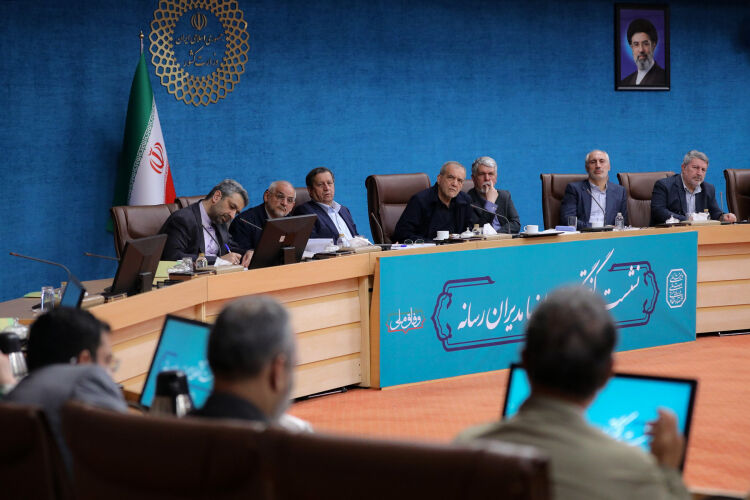
Energy sector weathers war damage, president says
SHANA (Tehran) – President Masoud Pezeshkian said Iran’s energy sector has remained under control despite significant supply imbalances and damage to parts of the country’s energy infrastructure caused by war.
-
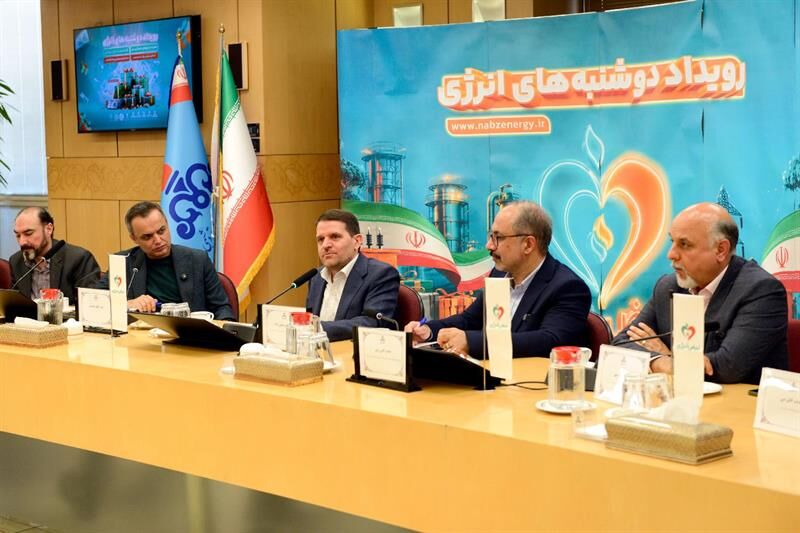
Smart energy use key to sustaining production
SHANA (Tehran) — Efficient energy management is essential to maintaining production and maximizing existing industrial capacity, even in a country with abundant energy resources, the head of the National Petrochemical Company (NPC) said Saturday.
-
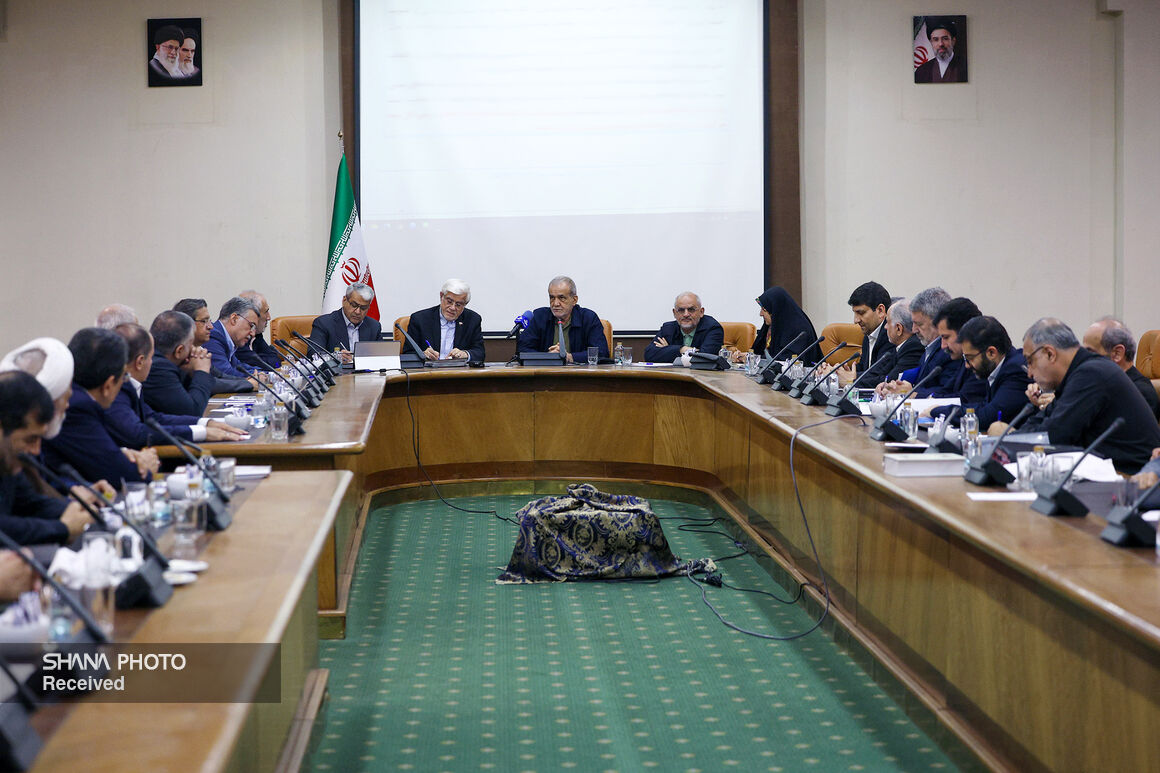
Energy reform essential to protecting industrial output
SHANA (Tehran) – President Masoud Pezeshkian warned Sunday that Iran must reform its energy consumption patterns or risk crippling the nation’s manufacturing sector.
-
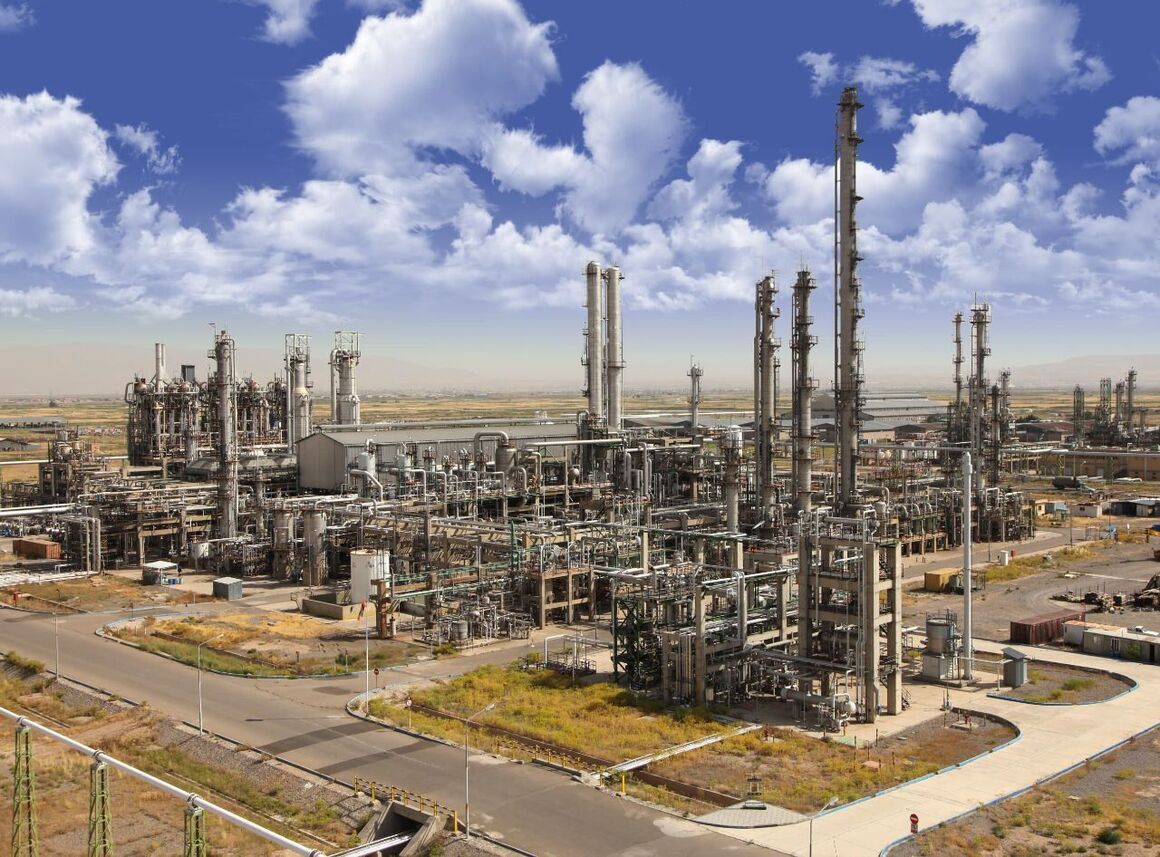
Energy efficiency key to sustaining production, export revenue
SHANA (Tehran) – A member of Iran’s parliamentary Energy Committee said effective energy consumption management is essential to sustaining industrial production, export revenues and economic growth, emphasizing that the petrochemical sector remains one of the country’s primary sources of foreign currency earnings and employment.
-
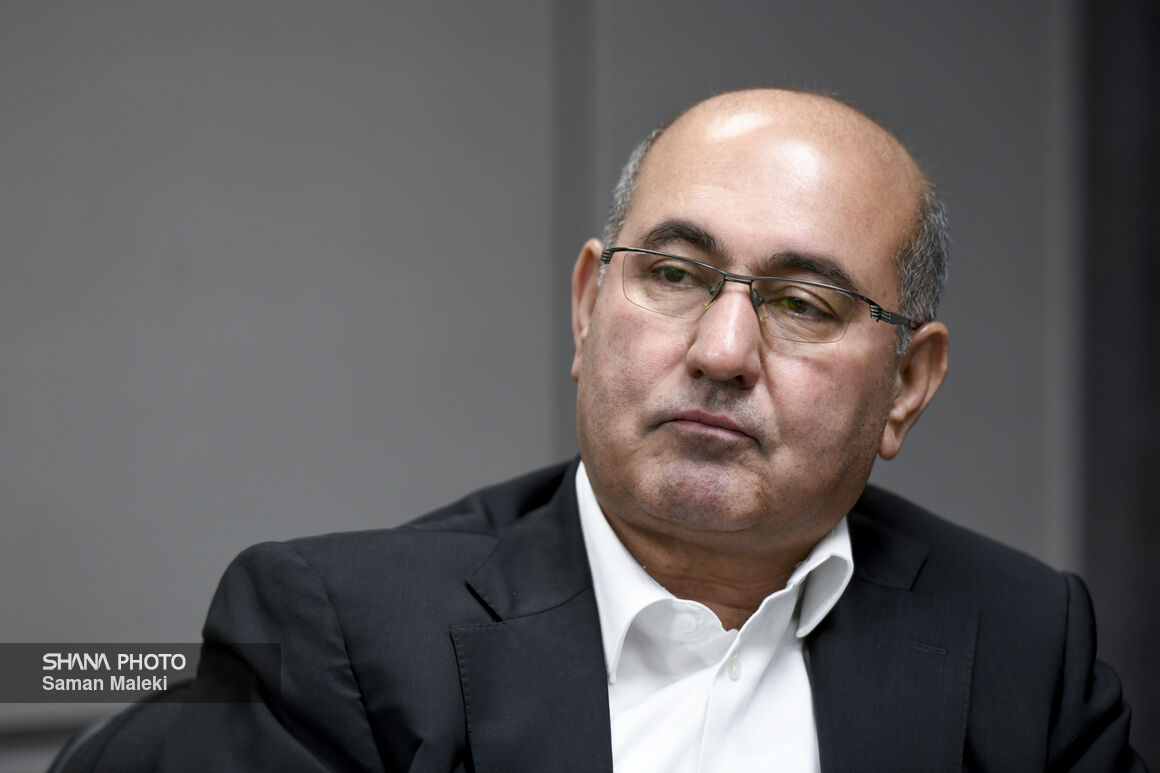
Fuel diversity key to energy security: MP
SHANA (Tehran) – Diversifying the country’s fuel and energy mix is essential to addressing growing energy challenges and reducing pressure on gasoline consumption, a member of Parliament’s Energy Committee said.
-
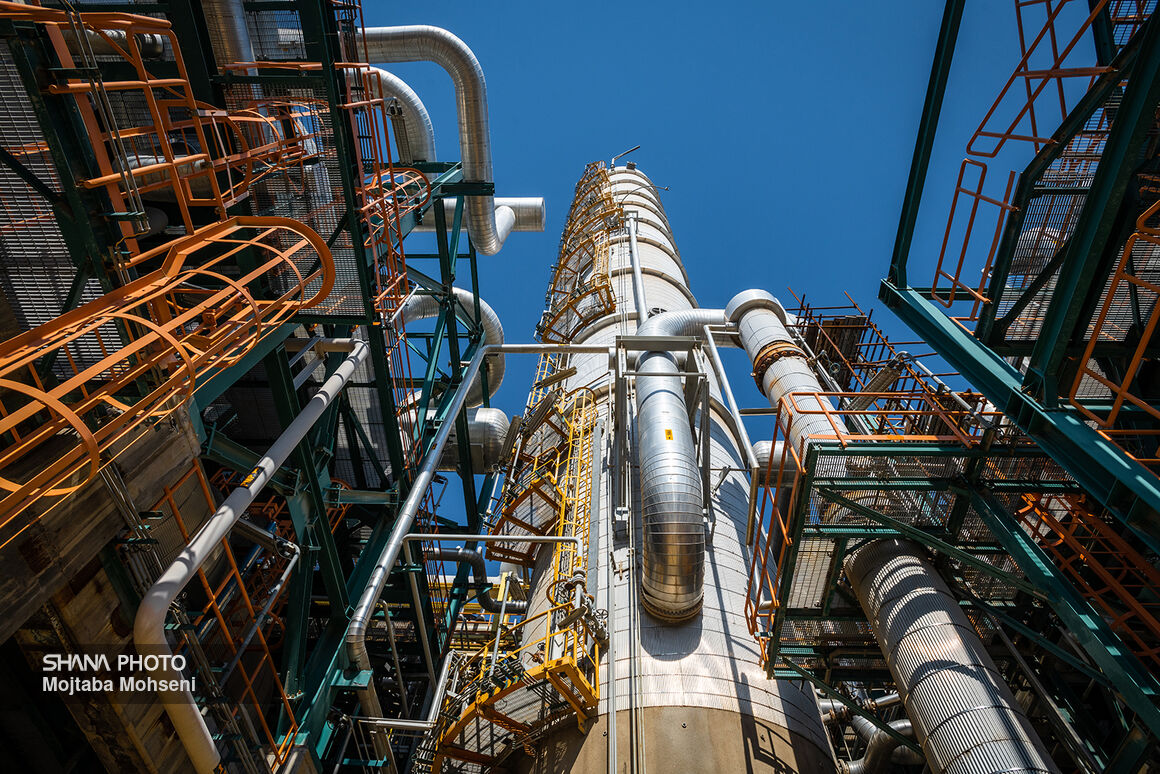
Petchem sector advances 96 energy efficiency projects
SHANA (Tehran) – The National Petrochemical Company (NPC) is implementing 96 energy efficiency projects across and beyond the petrochemical sector, with the initiatives expected to reduce annual natural gas consumption by about 250 million cubic meters once fully operational, a senior NPC official said.
-
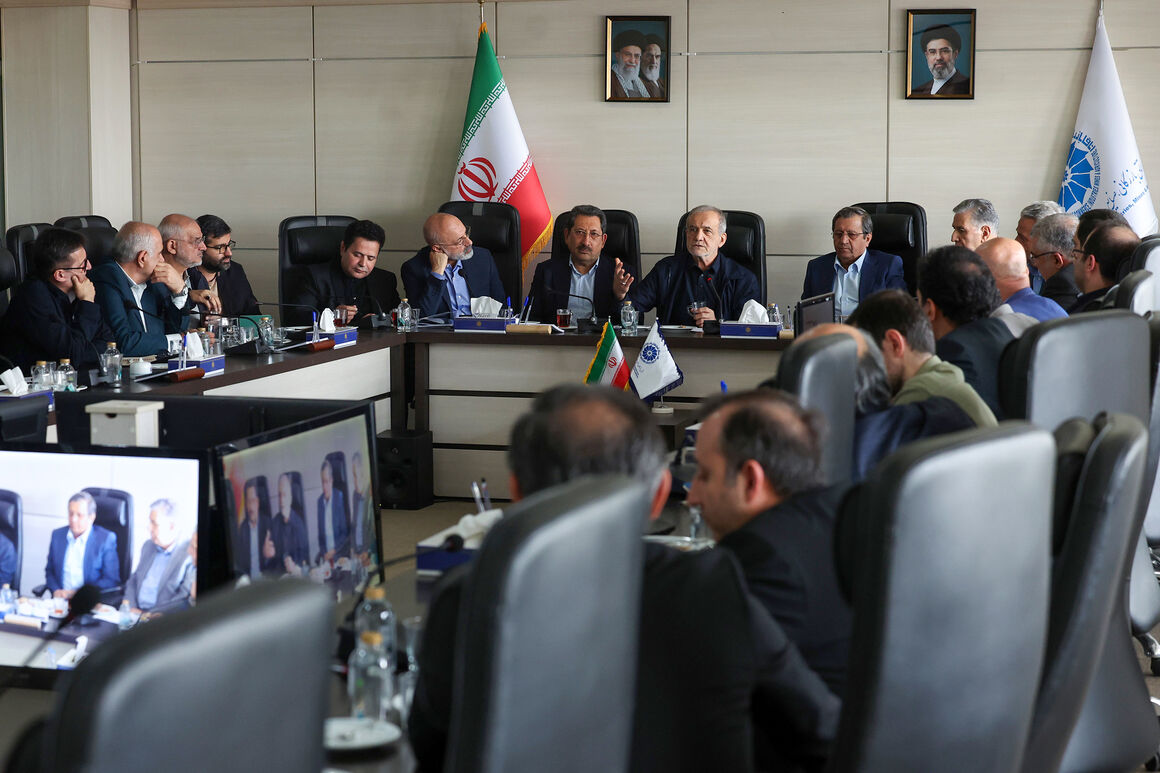
Gov't prioritizes stable energy for industry
SHANA (Tehran) - President Masoud Pezeshkian said the government considers stable energy supplies for industries and the prevention of electricity and gas outages among its top priorities in supporting domestic production.
-
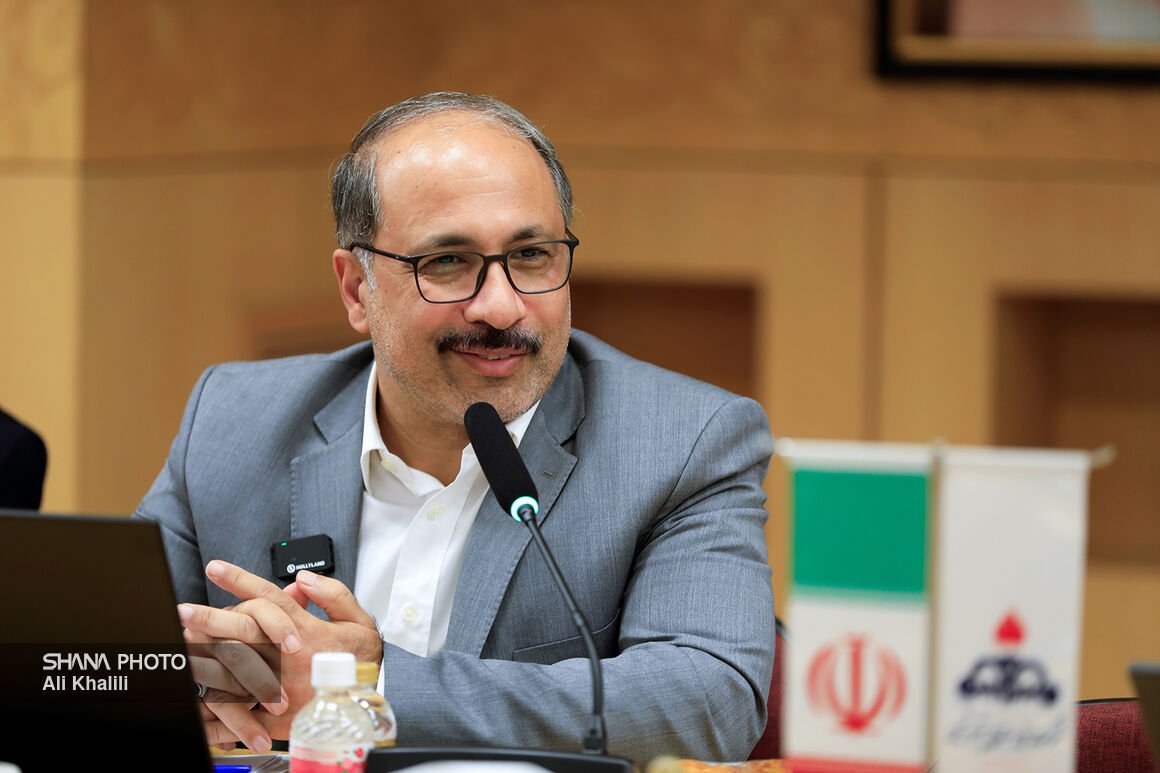
Iran’s energy campaign targets 1 bcm gas savings
SHANA (Tehran) – The head of energy consumption optimization at National Petrochemical Company said Iran’s “Energy Pulse” campaign is expected to help cut natural gas consumption by 700 million cubic meters in the Iranian year 1405, with total savings surpassing 1 billion cubic meters when combined with optimization projects in agriculture, industry, brick manufacturing and power plants.
-
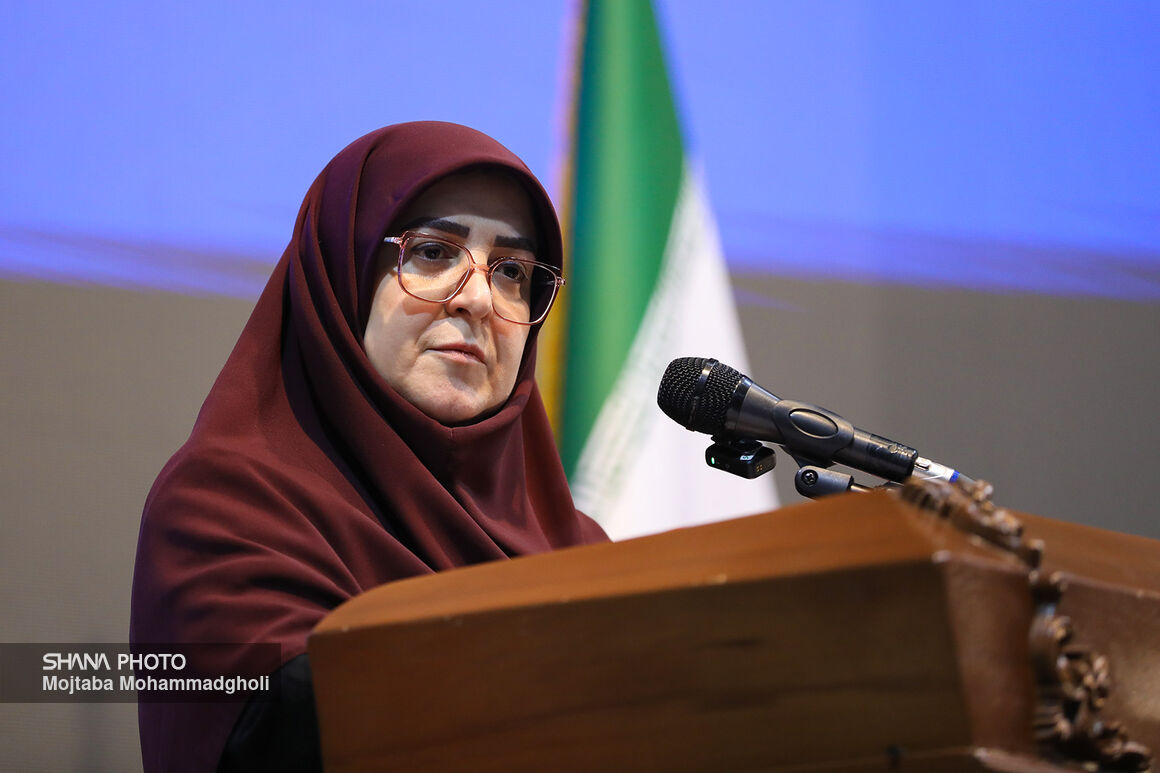
Gov’t stresses public transport expansion to cut fuel consumption
SHANA (Tehran) – Government spokesperson Fatemeh Mohajerani emphasized the expansion of public transportation and urban rail infrastructure, particularly in Tehran, as part of efforts to reduce gasoline consumption, saying unnecessary fuel use and single-occupancy vehicle travel are examples of wasteful consumption.