Gasoline
-
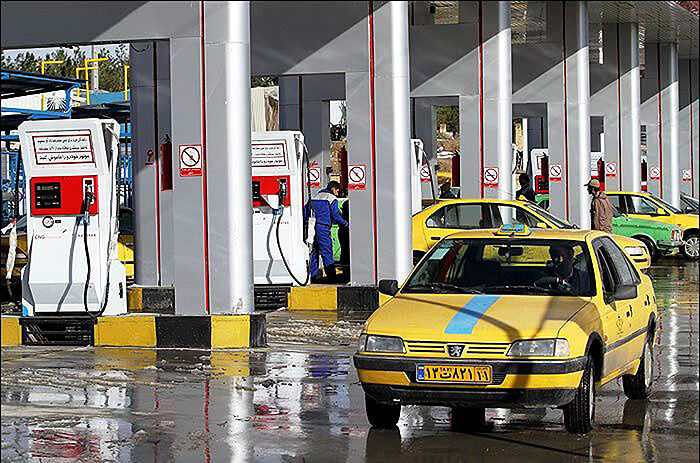
CNG use jumps 11% after Iran raises third-tier gasoline price
SHANA (Tehran) – The head of Iran's National Iranian Oil Refining and Distribution Company said CNG consumption rose 11% in the week following an increase in the country's third-tier gasoline price.
-
CNG development seen as most cost-effective way to address gasoline imbalance
SHANA (Tehran) – Expanding compressed natural gas use is one of the fastest and most cost-effective ways to address Iran’s gasoline imbalance, a member of Parliament’s Planning and Budget Committee said.
-
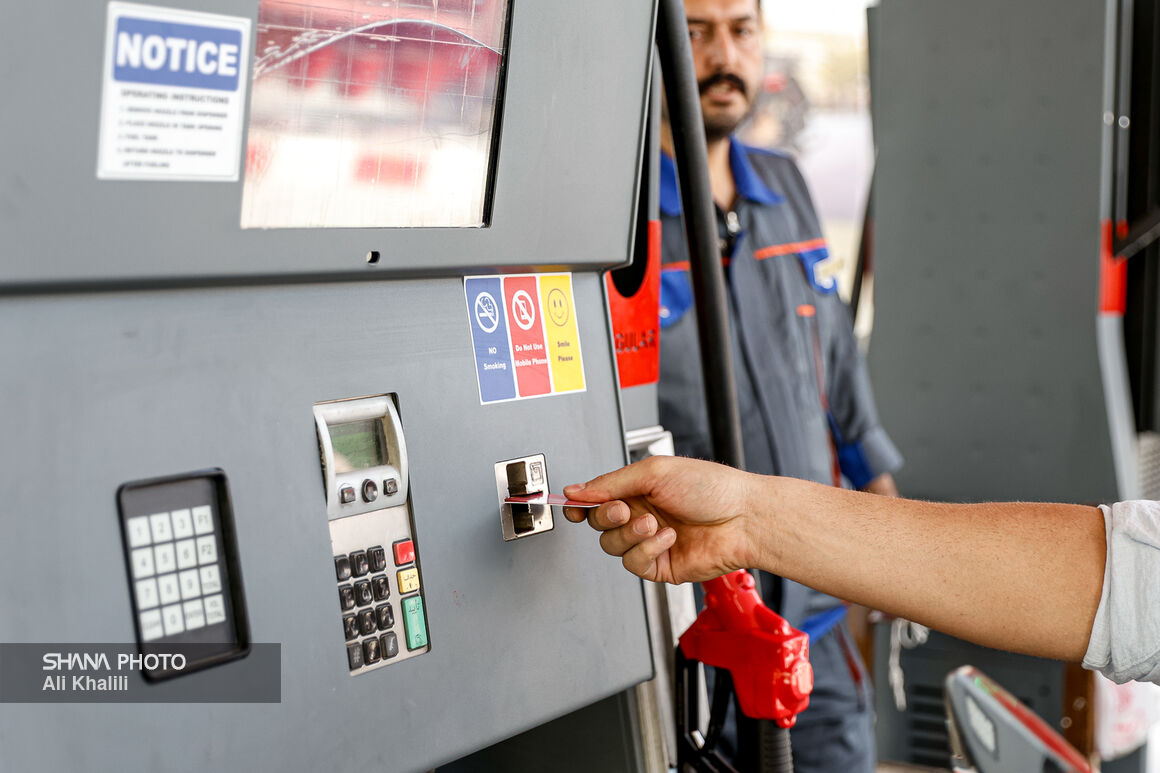
Emergency fuel card rates revise in Iran as standard gasoline quotas hold steady
SHANA (Tehran) – Iran began enforcing a revised gasoline pricing plan Tuesday, changing rates charged through emergency station cards while leaving standard fuel quotas unchanged.
-
NIORDC: First two gasoline quotas cover 85% of public demand
SHANA (Tehran) – The CEO of the National Iranian Oil Refining and Distribution Company has stated that the government’s fuel pricing policies are gradual and flexible. He confirmed that the first and second gasoline quotas together meet the needs of 85% of the population, and their rates will remain unchanged.
-
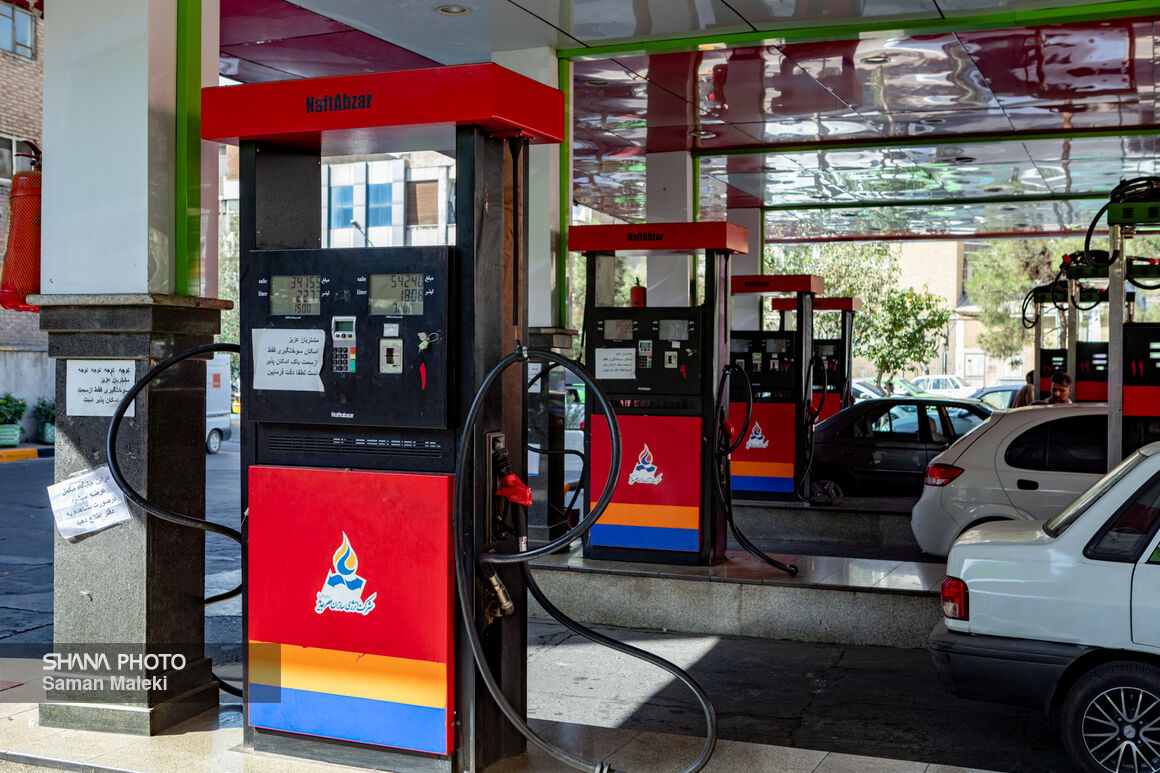
Station-card fuel price set at to 100,000 rials per liter
SHANA (Tehran) – Government spokeswoman said the price of gasoline purchased at pumps with unrestricted fuel cards rose to 100,000 rials per liter, effective at dawn on Sept. 8.
-
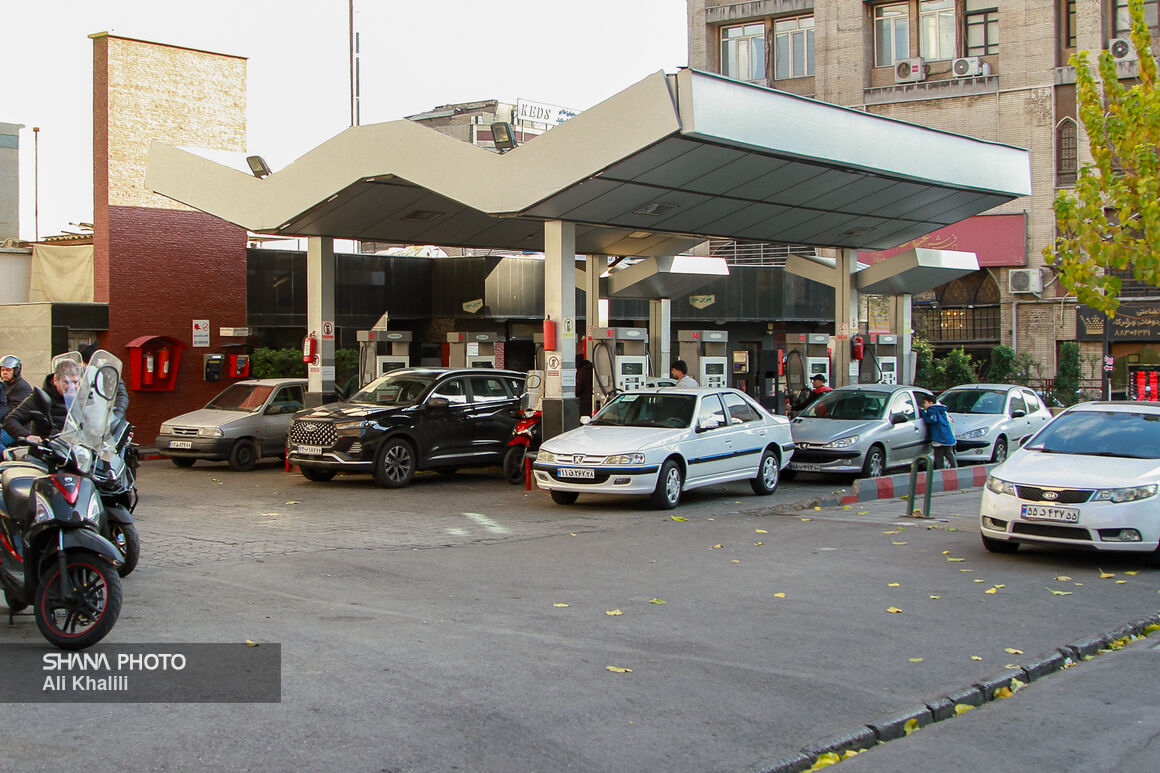
Gasoline consumption tops 148m liters a day in late August
SHANA (Tehran) – Iran’s average daily gasoline consumption surpassed 148 million liters during the first eight days of the sixth month of Iranian calendar (Aug. 23-30), with total distribution reaching 1.1852 billion liters, according to data from the National Iranian Oil Products Distribution Company.
-

President:
Gasoline regulating, sanctions relief central to economic recovery
SHANA (Tehran) — President Masoud Pezeshkian said Friday that his government is pursuing a series of measures to curb fuel consumption.
-
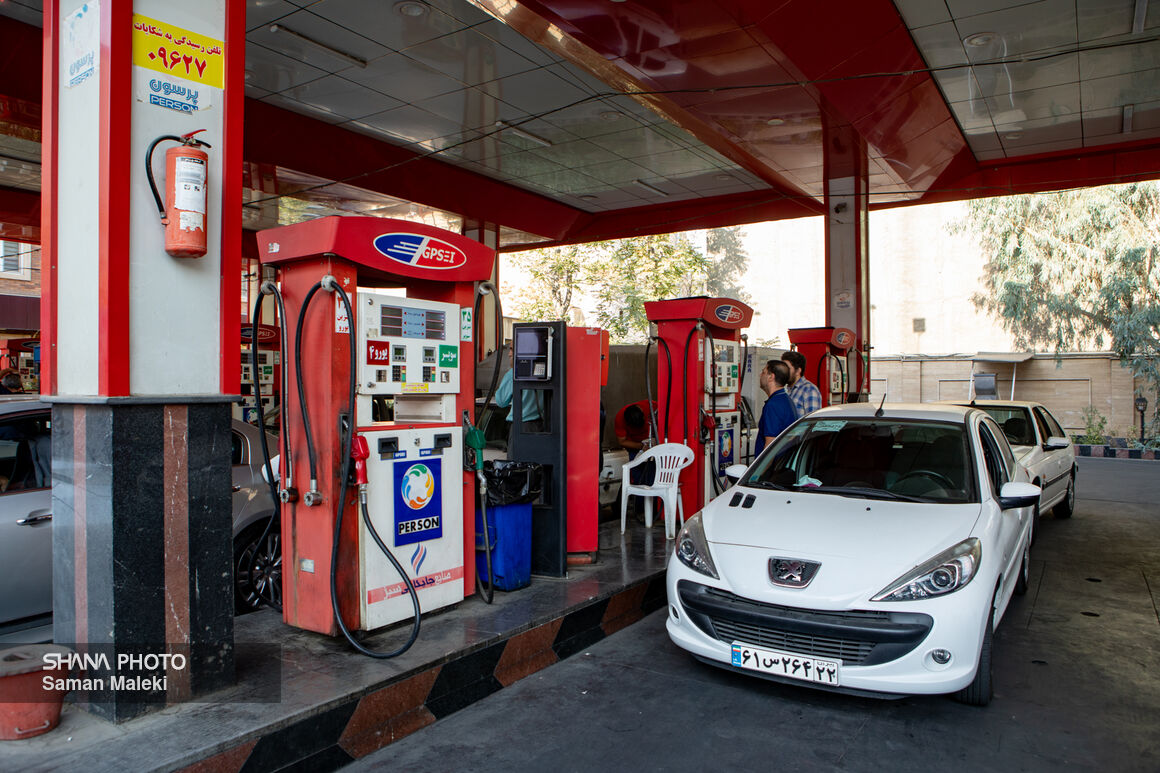
NIORDC clarifies methanol use in gasoline
SHANA (Tehran) – Iran’s National Iranian Oil Products Refining and Distribution Company (NIORDC) has provided clarifications on the use of methanol in gasoline, rejecting claims that its use within approved limits could damage vehicles.
-
Gov’t weighs plans to curb gasoline imports
SHANA (Tehran) – Oil Minister Mohsen Paknejad said the government is considering several plans to address the gap between gasoline production and consumption, but no decision has been finalized.
-
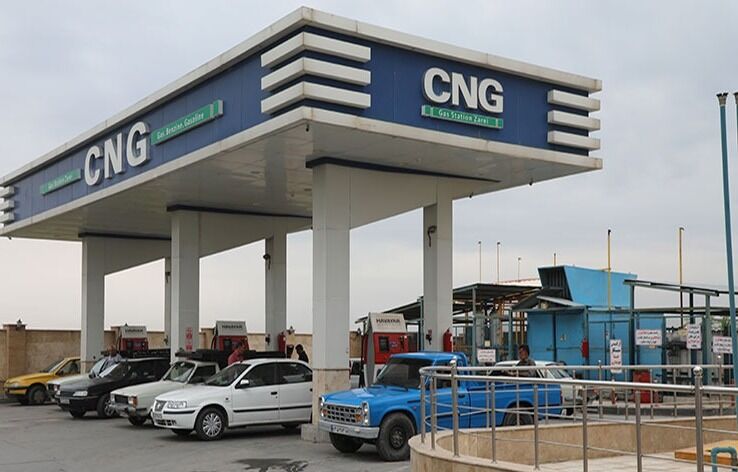
CNG’s untapped potential to curb gasoline demand
SHANA (Tehran) – Iran’s compressed natural gas (CNG) network has significant unused capacity that could help curb rising gasoline consumption and reduce fuel costs for households, according to data from the National Iranian Oil Products Distribution Company (NIOPDC).
-
CNG expansion key to cutting gasoline use
SHANA (Tehran) – Developing compressed natural gas (CNG) infrastructure is one of the most effective ways to reduce gasoline consumption, a member of Parliament’s Energy Committee said, stressing that past experience has demonstrated CNG’s significant role in managing fuel demand.
-
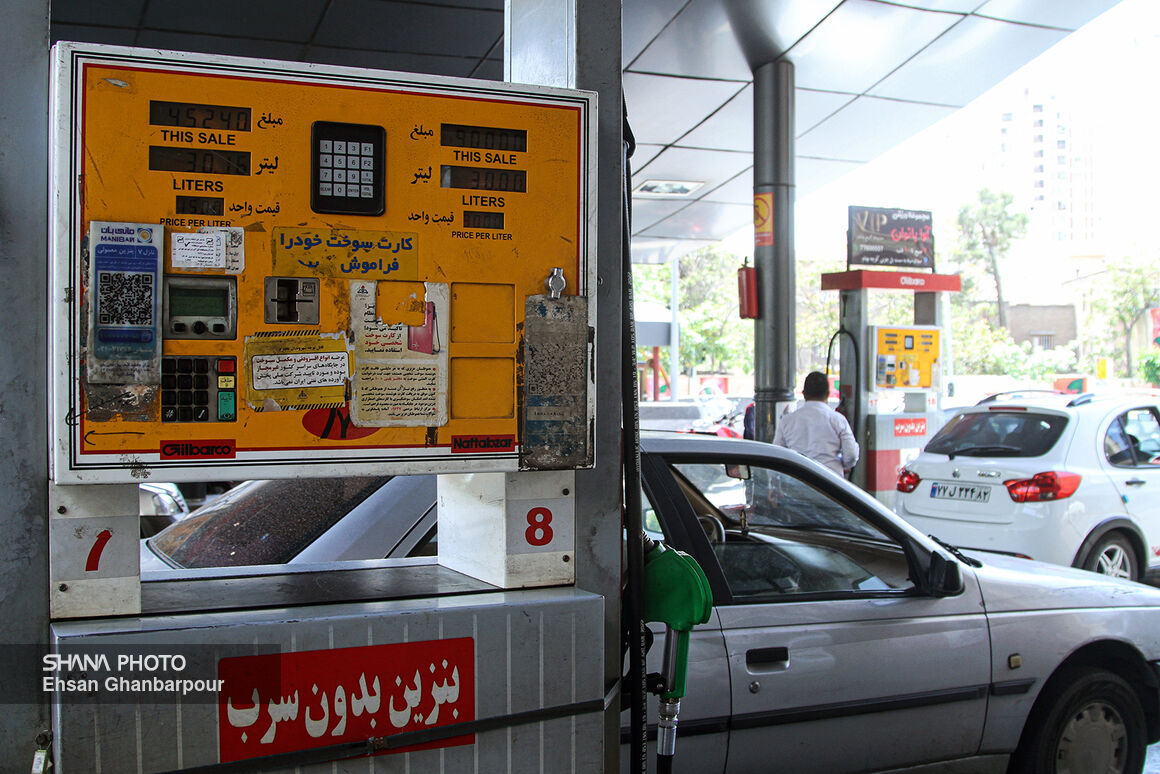
Aging fleet fuels billions of liters in waste
SHANA (Tehran) – Iran’s aging transportation fleet is a major contributor to fuel overconsumption, with officials estimating that nearly 22 million of the country’s 41 million vehicles are classified as worn out or obsolete.
-
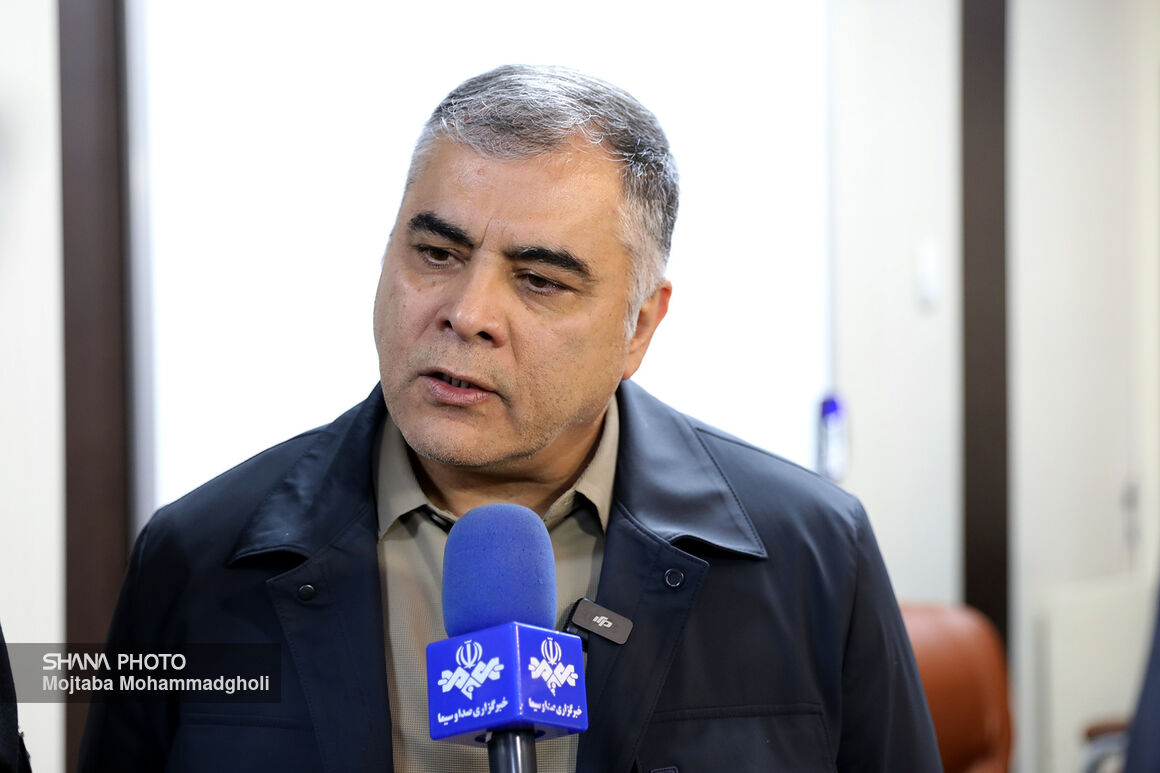
Iran pledges affordable approach to gasoline management
SHANA (Tehran) — Oil minister said the government will not adopt any gasoline-related measures that place additional economic pressure on citizens, emphasizing that fuel management plans will remain within the financial capacity of the public.
-
Minister:
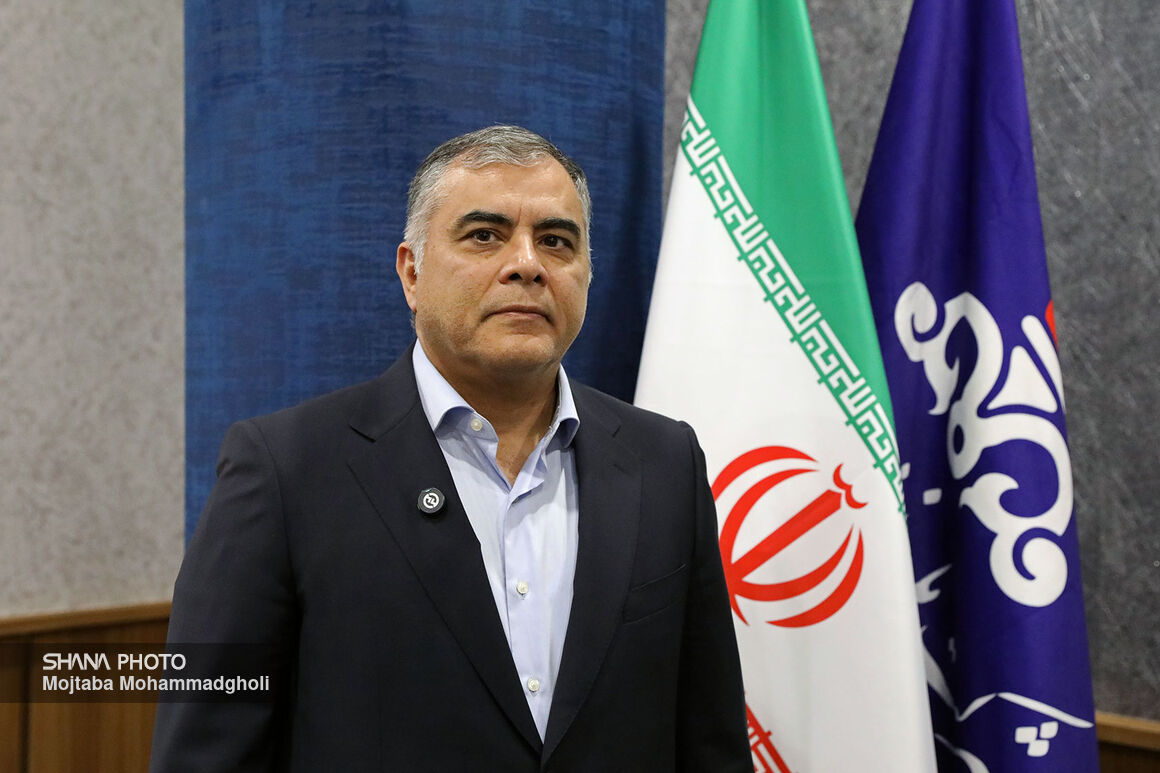
Iran can optimize gasoline consumption without hurting living standards
SHANA (Tehran) – Iran’s oil minister said the country may be able to reduce costly gasoline imports by improving fuel consumption management without negatively affecting people’s living standards.
-
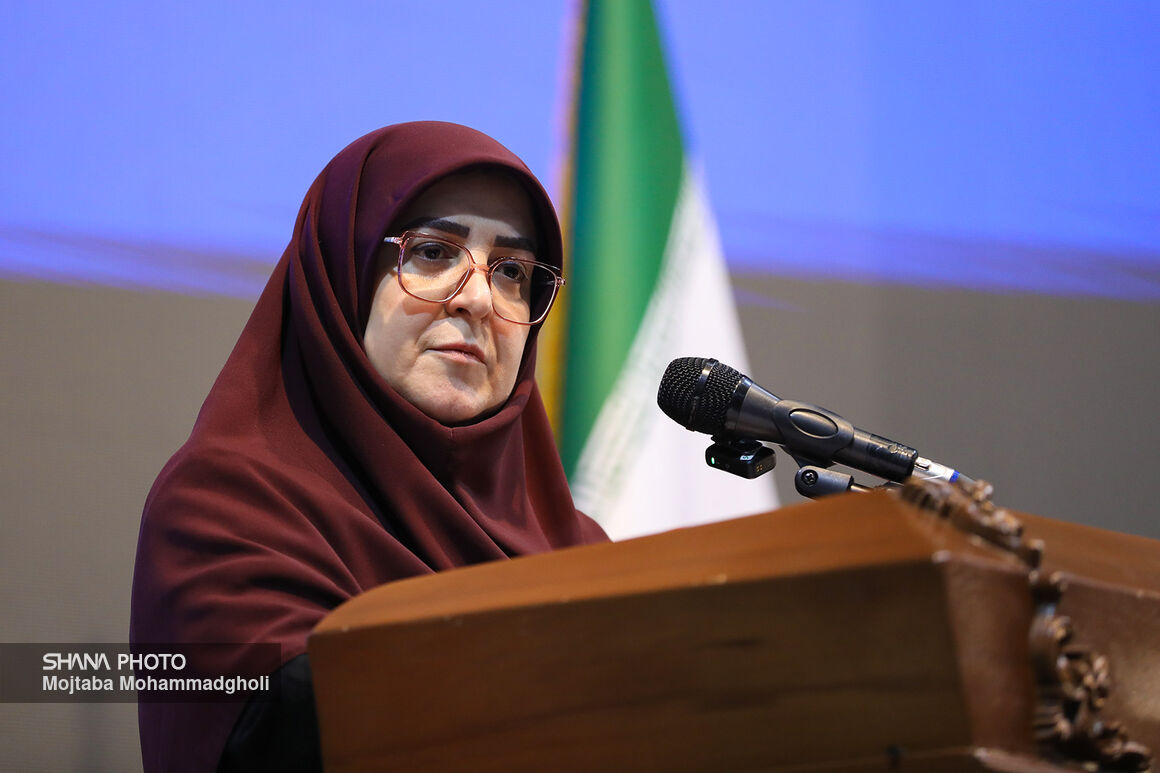
Gov’t stresses public transport expansion to cut fuel consumption
SHANA (Tehran) – Government spokesperson Fatemeh Mohajerani emphasized the expansion of public transportation and urban rail infrastructure, particularly in Tehran, as part of efforts to reduce gasoline consumption, saying unnecessary fuel use and single-occupancy vehicle travel are examples of wasteful consumption.
-
Expanding CNG basket alongside reforming gasoline distribution patterns
SHANA (Tehran) – The experience of the recent 40-day war and damage to refining infrastructure turned fuel consumption reform into a national priority, pushing Iran’s oil industry to place greater emphasis on non-price reforms and responsible public cooperation in managing demand to safeguard supply stability in the postwar period.
-
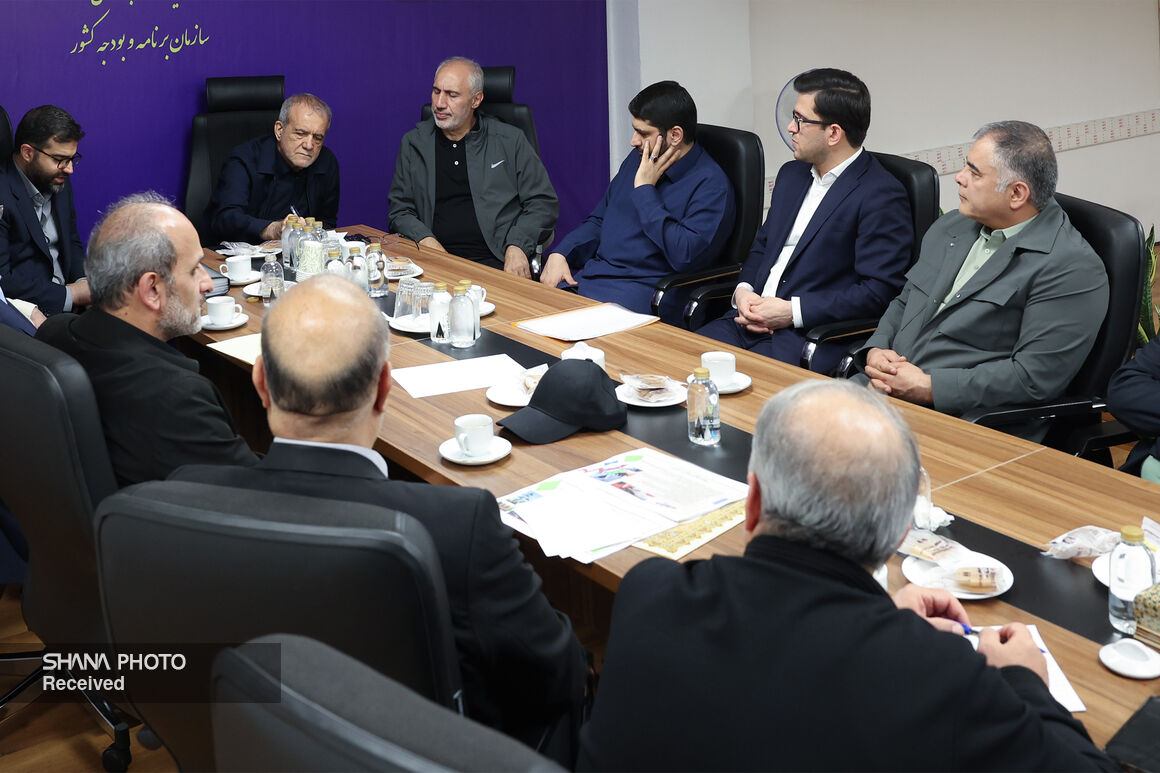
Gasoline conservation an unavoidable necessity for Iran: President
SHANA (Tehran) – President Masoud Pezeshkian said gasoline conservation has become an unavoidable necessity for the country, stressing that public cooperation in managing fuel consumption would help Iran maintain stability without major disruptions.
-
Public cooperation urged to cut fuel consumption
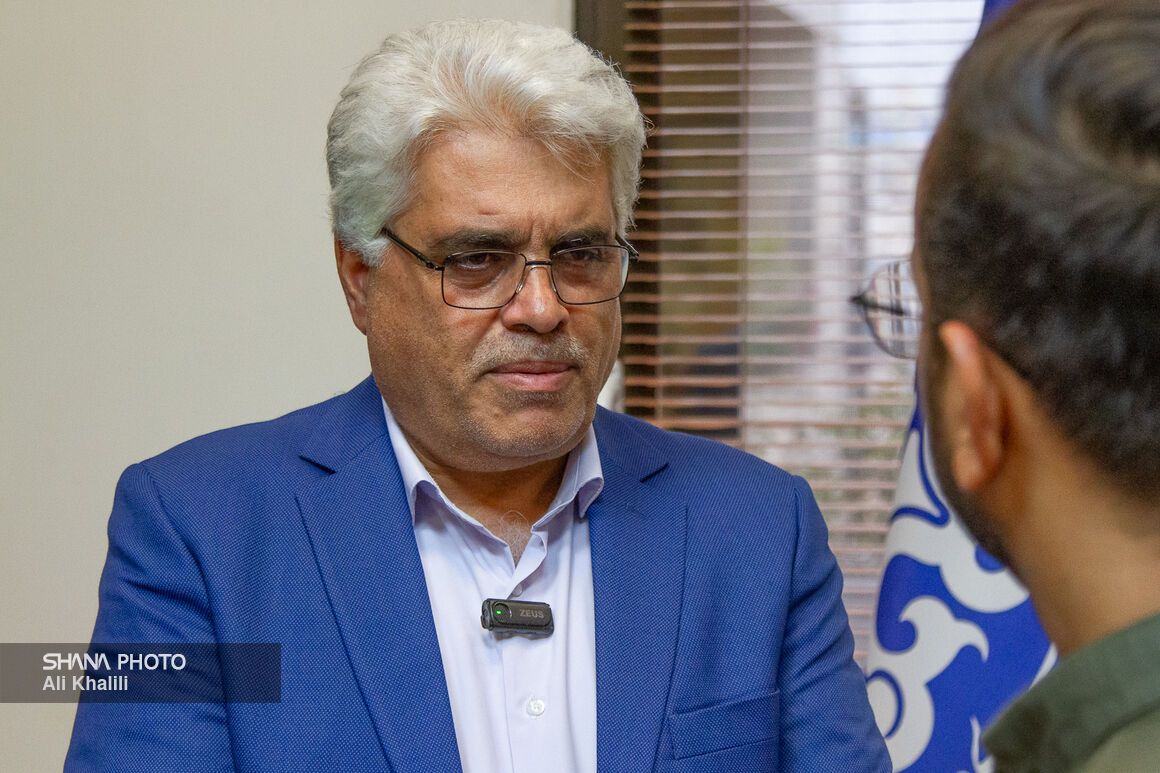
SHANA (Tehran) – Iran could save up to 20 million liters of gasoline per day if each household reduces daily fuel consumption by just one liter, according to the head of the National Iranian Oil Products Distribution Company (NIOPDC).
-
New decisions on gasoline to be implemented with public support
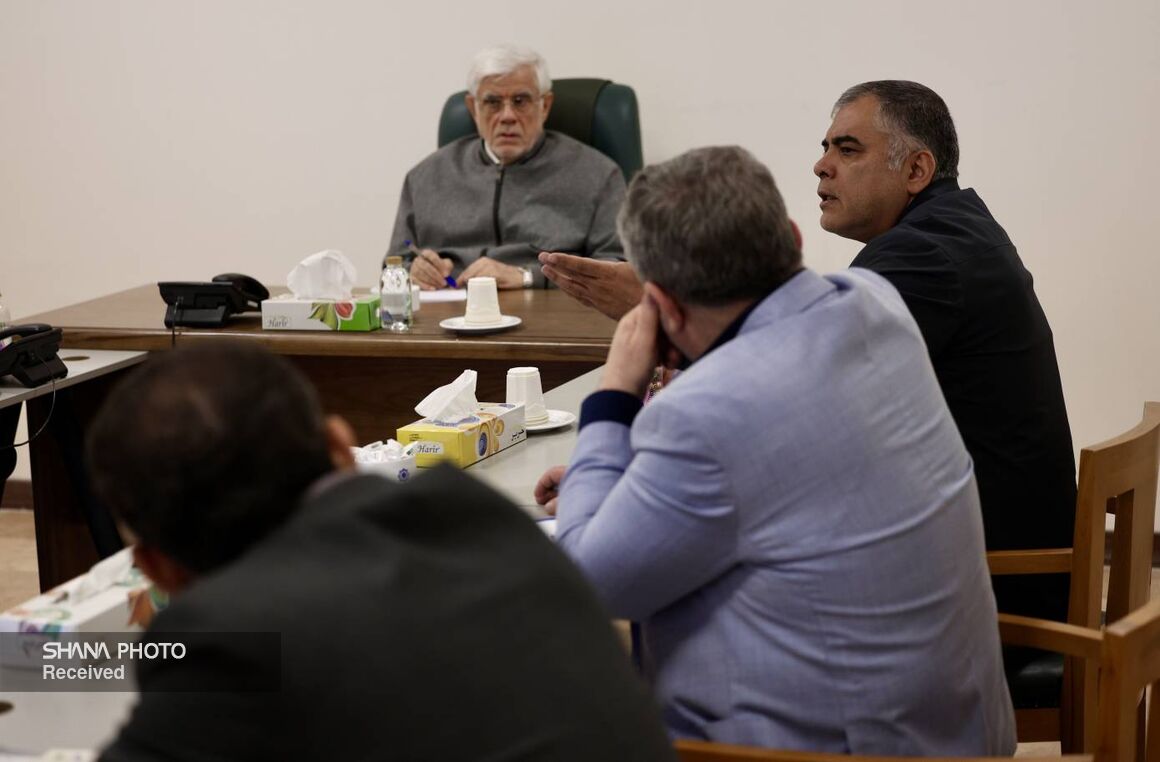
SHANA (Tehran) – The first vice president said any decision on gasoline consumption management must be implemented with public cooperation and support, emphasizing that protecting people’s livelihoods remains the government’s red line.
-
Facilitating service with use of personal fuel cards
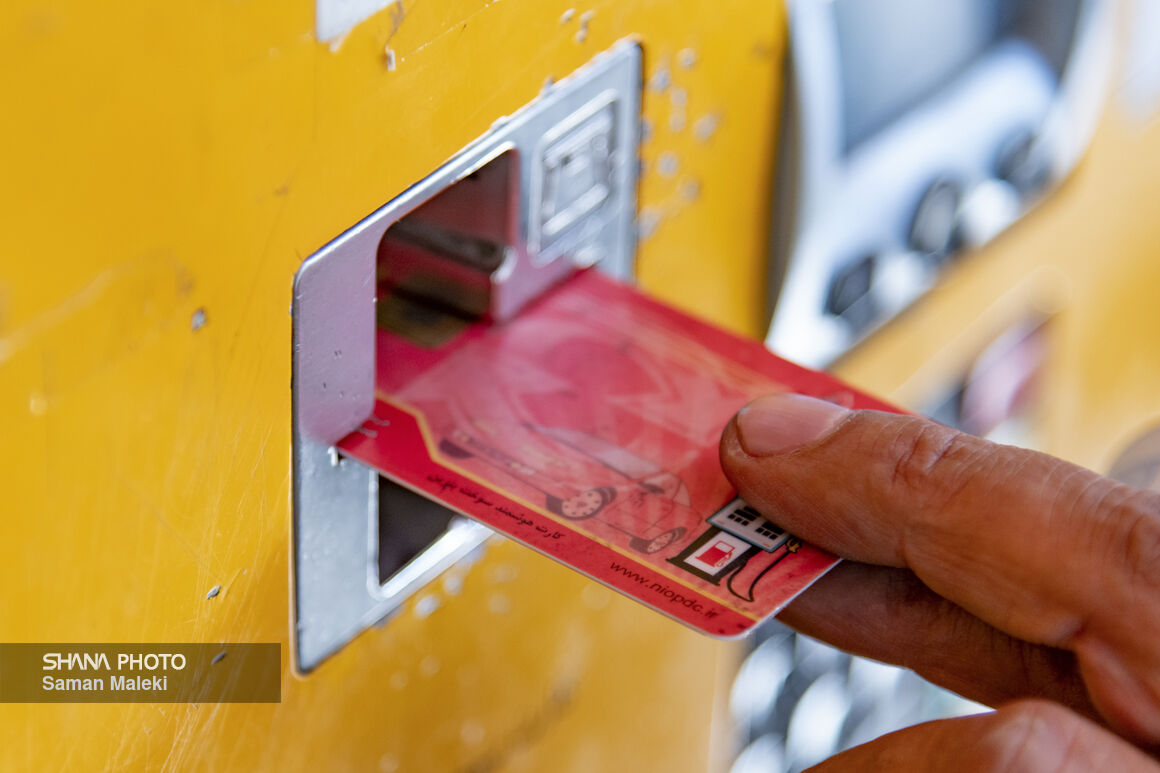
SHANA (Tehran) – The National Iranian Oil Products Distribution Company emphasized the need to use personal smart fuel cards, stating in a notice that citizens are urged to carry their own cards to streamline service, reduce lines and save time.
-
Public cooperation drives drop in gasoline consumption
SHANA (Tehran) — Public cooperation during a 40-day conflict led to a significant decline in gasoline consumption, an official with the National Iranian Oil Refining and Distribution Company said Monday, urging the trend to continue through reduced travel, expanded public transportation and wider use of alternative fuels.
-
Unnecessary visits to gas stations halve
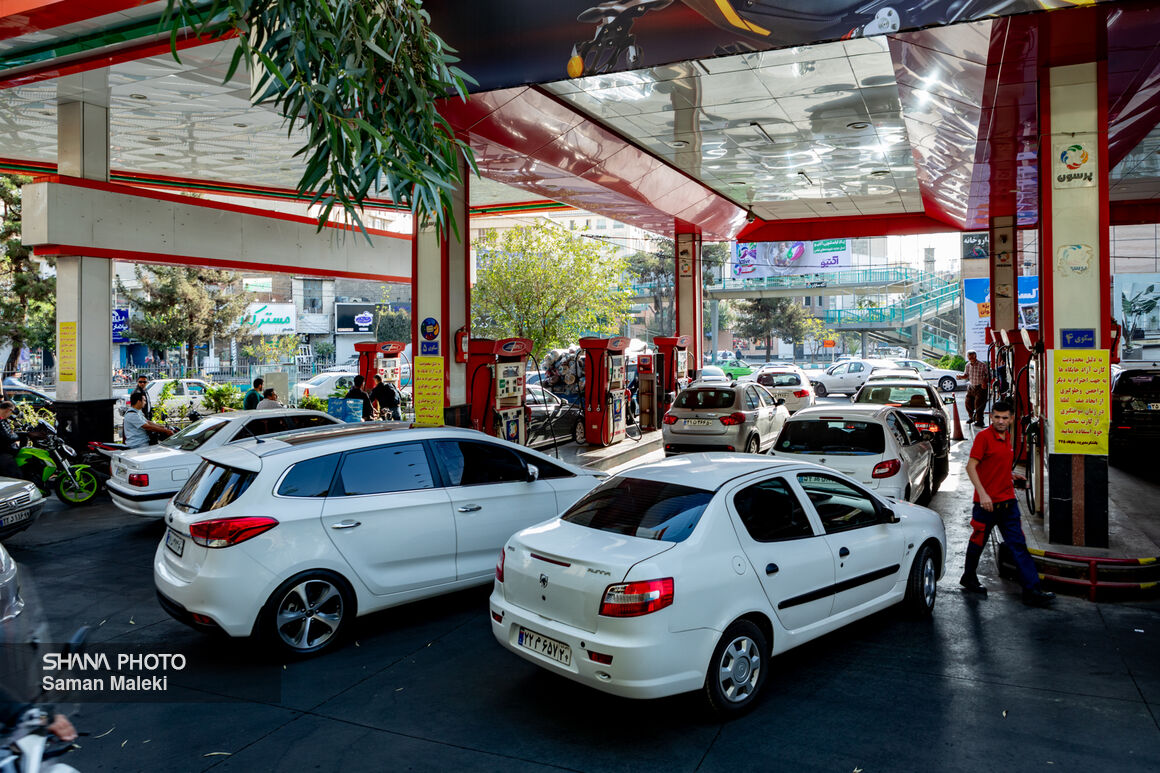
SHANA (Tehran) - The spokesperson for Iran’s fuel station operators said unnecessary visits to fuel stations across the country have fallen by 50% since noon yesterday. Long lines for gasoline at many stations in Tehran and Alborz provinces are also easing, reflecting what he described as the public’s patient cooperation.
-
Fuel distribution steady in Tehran, Alborz
SHANA (Tehran) – The spokesman for the Gas Station Union emphasized the stability of fuel distribution, particularly in Tehran and Alborz provinces, noting that personal fuel card rations may temporarily vary at different times and on different days.
-
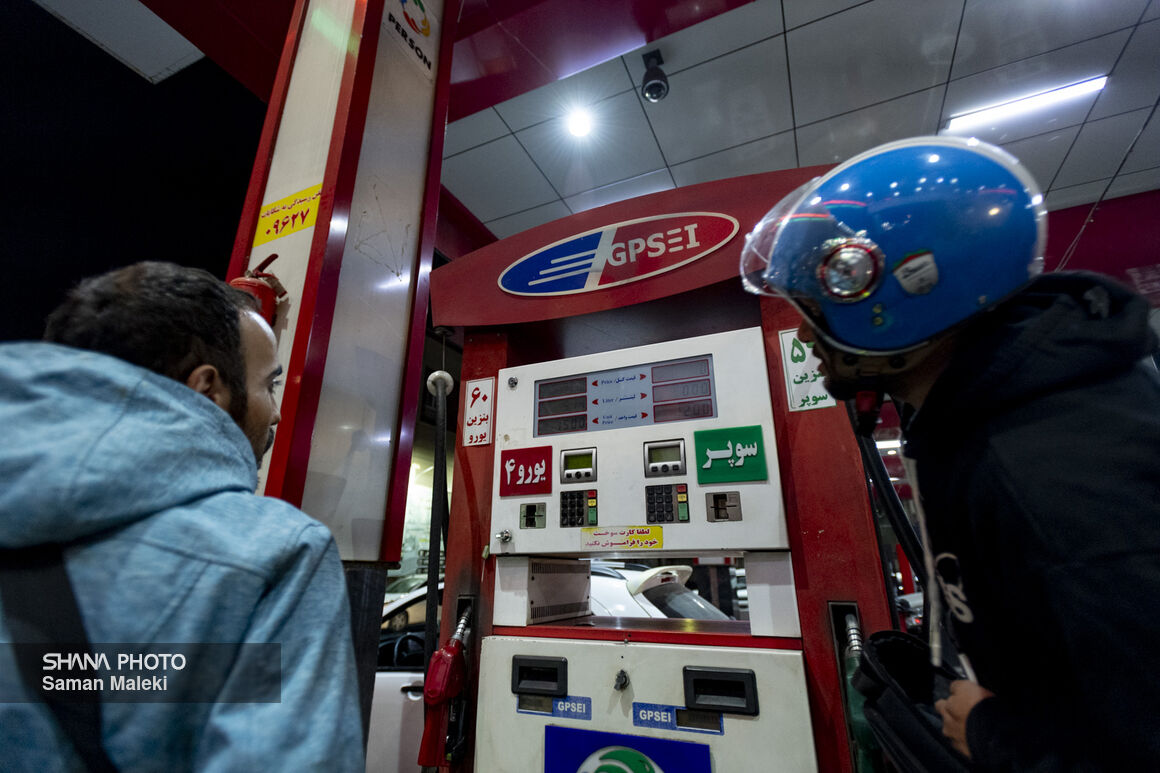
Governor general announces temporary 10-liter cut in fuel allowance
SHANA (Tehran) — The governor general of Tehran province announced a temporary reduction in the gasoline refueling limit, cutting the amount drivers can pump using personal fuel cards from 30 liters to 20 liters.
-
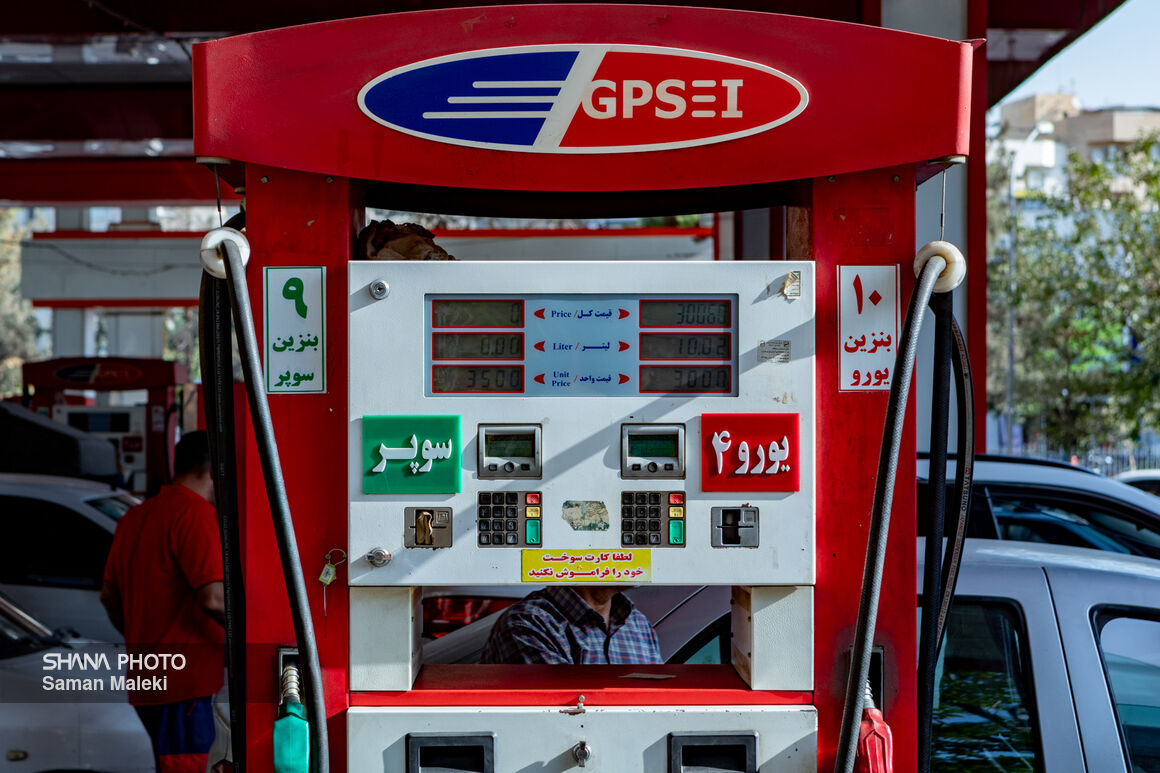
Use of personal fuel cards rises after new gasoline plan
SHANA (Tehran) – The spokesman for Iran’s fuel station operators said the use of personal fuel cards has increased, while reliance on station-issued cards has declined following the implementation of a new gasoline policy.
-
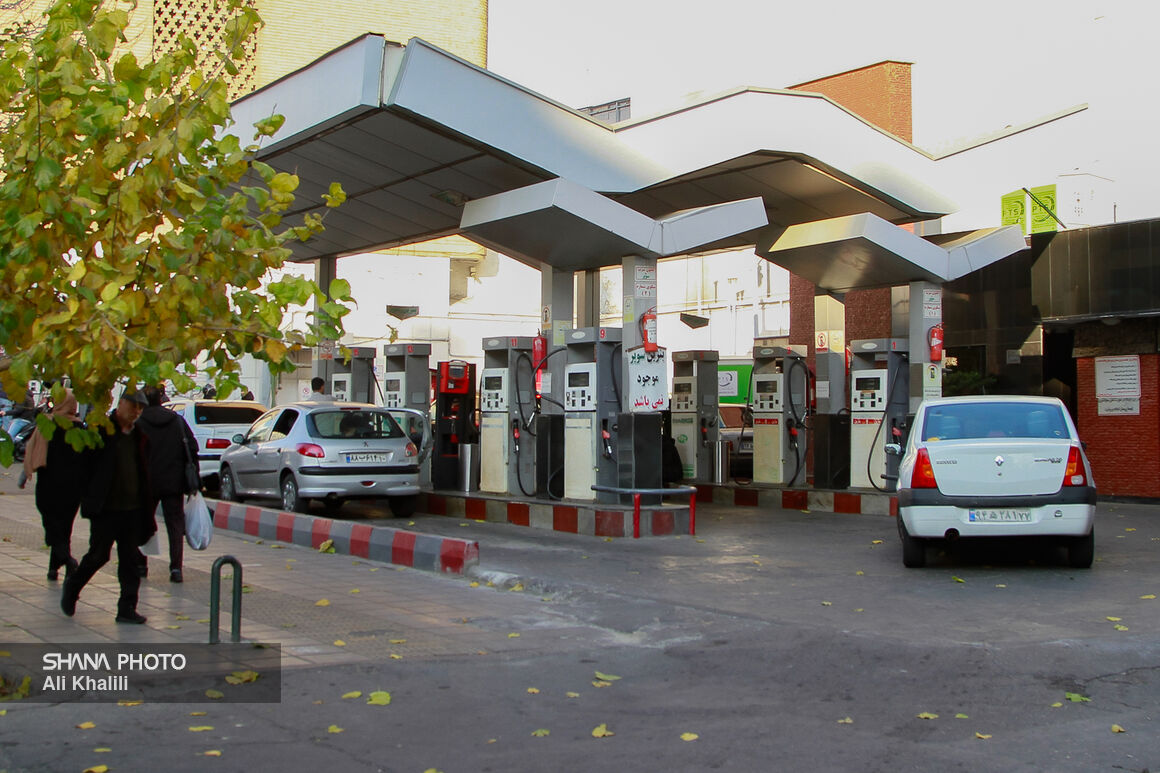
Monthly 60-liter gasoline quota recharge on Wednesday
SHANA (Tehran) – The 60 liters of gasoline quota for private vehicles for the next Iranian month of Bahman will be recharged into personal fuel smart cards on Wednesday morning (January 21).
-
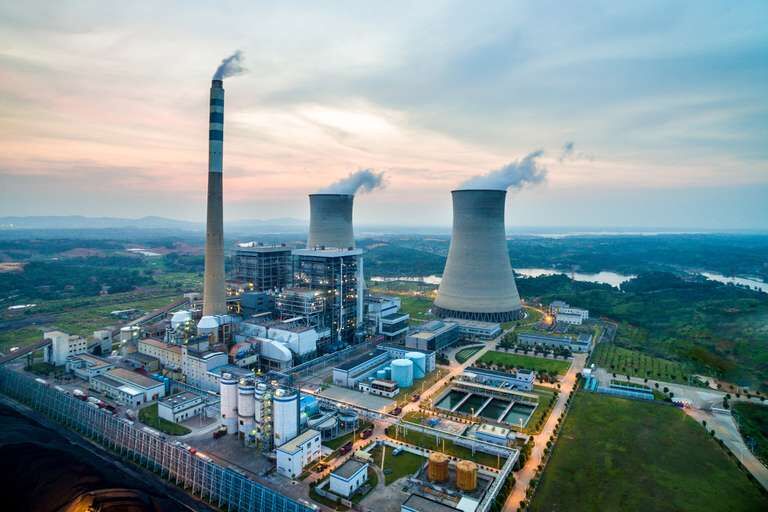
Daily diesel deliveries to power plants rise to 65m liters
SHANA (Tehran) – Daily deliveries of diesel to Iran’s power plants have increased by 30 percent to 65 million liters to ensure continued electricity generation, the National Iranian Oil Refining and Distribution Company said.
-
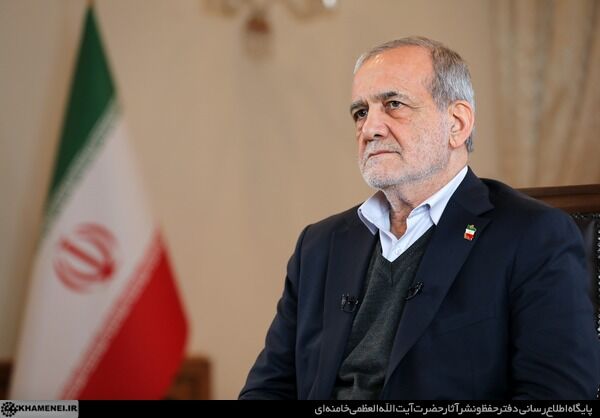
Pezeshkian: Controlling gas flaring is a priority
SHANA (Tehran) – President Masoud Pezeshkian said that controlling gas flaring is a priority.
-
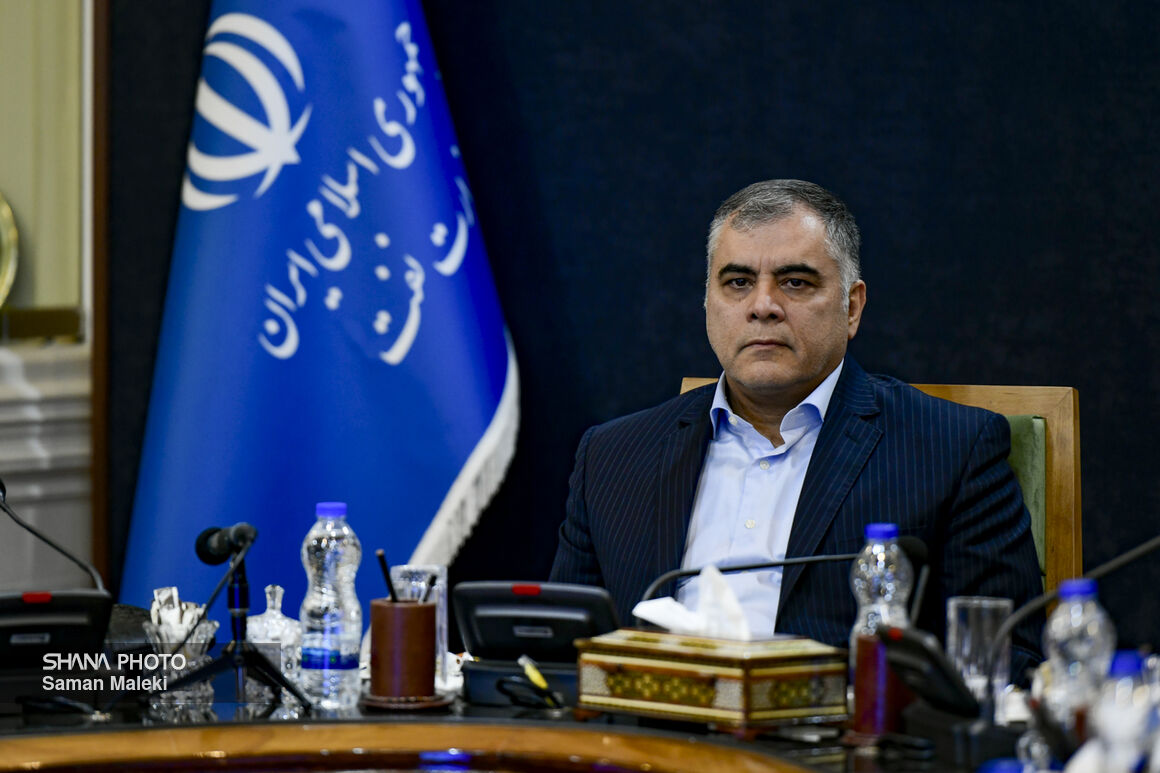
Oil sales volume remains strong, minister says
SHANA (Tehran) – Iran’s oil sales volume remains strong and continues at previous levels, Oil Minister Mohsen Paknejad said on Thursday.
-
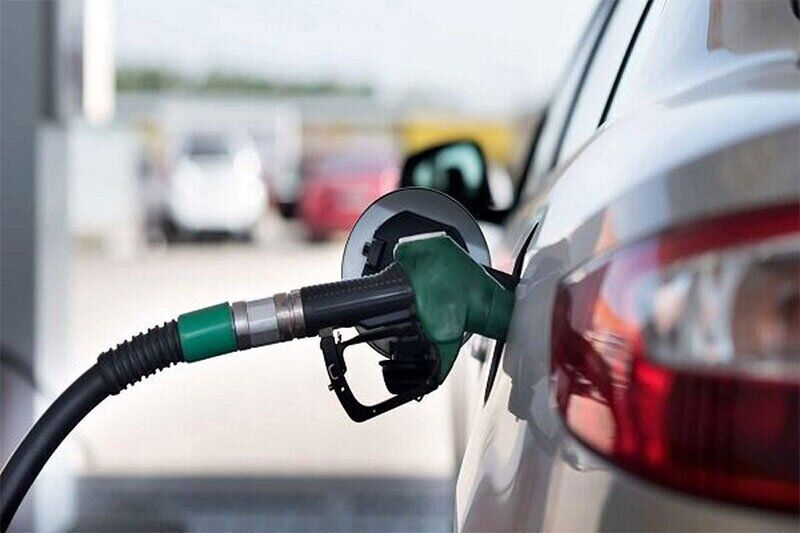
Imported premium gasoline sales to begin in Tehran
SHANA (Tehran) – Iran will begin offering imported premium gasoline in Tehran starting Thursday, according to a statement from the National Iranian Oil Products Distribution Company.