
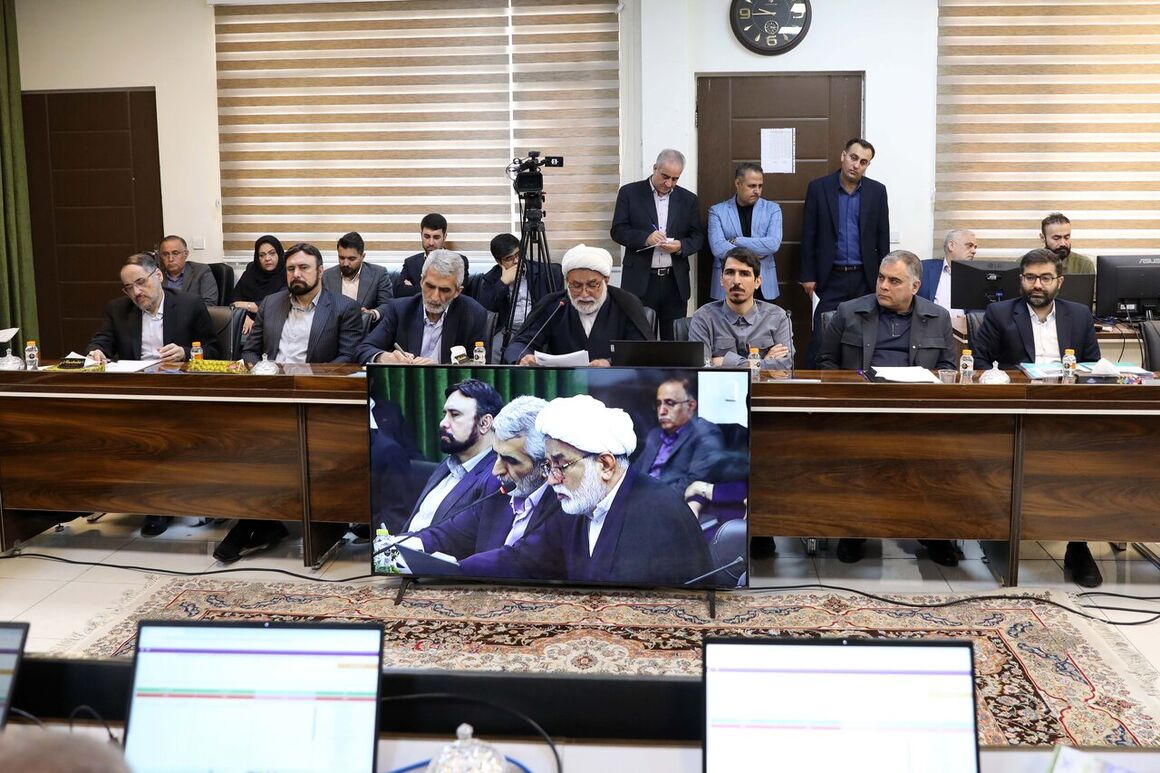
The session was attended by Oil Minister Mohsen Paknejad and Esmaeil Seqab-Esfahani, head of the Energy Optimization Organization.
Energy Committee Chairman Mousa Ahmadi said energy security is no longer solely an economic issue, describing it as a cornerstone of national security, social stability, deterrence capability and the country’s geopolitical strength.
According to Ahmadi, the objective of hostile actions was not only to damage physical infrastructure but also to disrupt fuel supply chains, undermine distribution networks, fuel public dissatisfaction and weaken public confidence. He said recent developments produced the opposite outcome, with Iran maintaining energy supplies and successfully managing the crisis.
Ahmadi noted that reviews conducted by the Energy Committee indicate the government has implemented a range of measures in recent months to strengthen the resilience of the country’s fuel supply chain. He said the oil minister would provide further details on those efforts.
He added that while gas supply imbalances are more manageable during the spring and summer because of lower demand, the challenge becomes more severe in the fall and winter. He called for immediate and comprehensive government action to address seasonal energy pressures.
Referring to damage inflicted on energy infrastructure during the US-Israeli attacks, Ahmadi said expert assessments show recovery and reconstruction are achievable through government planning, coordinated action by executive agencies and public participation.
He also stressed that government performance should be evaluated not only by completed actions but by their measurable impact on the broader energy system.
Ahmadi said the Energy Committee’s proposed strategy focuses on shifting policy from short-term supply management to sustainable consumption management, data-driven governance, greater use of alternative fuels, stronger anti-smuggling measures and enhanced resilience across the national energy chain.
Your Comment