
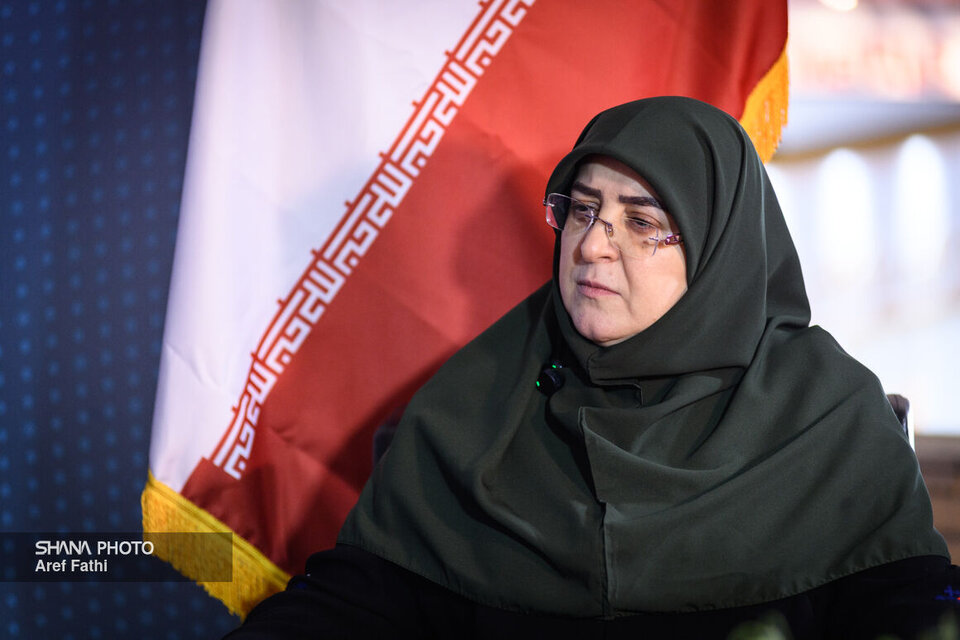
In an opinion piece published by the government’s official news website, Mohajerani said attacks on refineries, fuel depots, transmission pipelines and gas facilities were aimed not only at damaging industrial assets but also at disrupting daily life, creating shortages and undermining public confidence. She described energy security as a key pillar of national security and resilience.
She said Iran’s oil sector has faced some of its most challenging months, citing attacks that affected gas condensate production at South Pars, reduced operating capacity at the Tehran refinery, damaged processing units and storage tanks at the Lavan refinery, and disrupted fuel storage and distribution facilities in Tehran and Alborz provinces. Damage to fuel transmission networks and wartime restrictions on imports have further strained gasoline supplies, she said.
Mohajerani said these conditions should be taken into account when assessing recent fuel policy decisions. She said the government’s review of gasoline distribution is part of broader wartime energy management and does not alter subsidized fuel allocations for most consumers.
According to Mohajerani, private vehicle owners will continue to receive their monthly subsidized allocation of 60 liters at 1,500 tomans per liter, while the second-tier fuel price also remains unchanged.
She said policy adjustments are aimed only at fuel consumption beyond typical household usage in order to conserve national resources and protect energy infrastructure while attacks continue.
Mohajerani noted that supplying gasoline requires a vast and complex network, with millions of barrels of crude oil and gas condensates entering the refining process each day to produce gasoline, diesel, jet fuel and other petroleum products. The system depends on refineries, storage facilities, transportation networks, skilled workers and sustained investment, she said.
"When parts of this supply chain come under military attack, maintaining stability cannot rely on increased production alone," she wrote. "Managing consumption becomes equally important. Every liter of fuel saved helps reduce pressure on infrastructure operating under the extraordinary conditions imposed by war."
She also said the cost of producing and supplying gasoline remains significantly higher than the retail price. Despite increased production costs, including repairs to damaged infrastructure and more difficult fuel procurement during the conflict, the government continues to cover most of the difference through public funds.
Mohajerani said the gasoline policy is intended to manage demand, reduce unnecessary consumption, limit reliance on imports and preserve the country’s strategic fuel reserves, rather than shift higher costs onto consumers.
She added that the government is pursuing additional measures, including expanding compressed natural gas use, supporting public transportation and ride-hailing taxis, strengthening fuel production and distribution infrastructure, and rebuilding damaged facilities. Consumption management, she said, requires a combination of pricing, technical and infrastructure policies.
Mohajerani also argued that energy subsidies are more equitable when they primarily benefit households with typical consumption levels rather than heavy users. Preserving subsidized quotas for most consumers while limiting excessive consumption is intended to improve the fairness of subsidy distribution, she said.
She acknowledged that gasoline policy directly affects household finances and daily life, but said maintaining the subsidized quota for most families remains a priority. At the same time, she argued that protecting the country’s energy system requires responsible policymaking and public cooperation, describing fuel conservation during the conflict as part of Iran’s broader national resilience.
Your Comment