
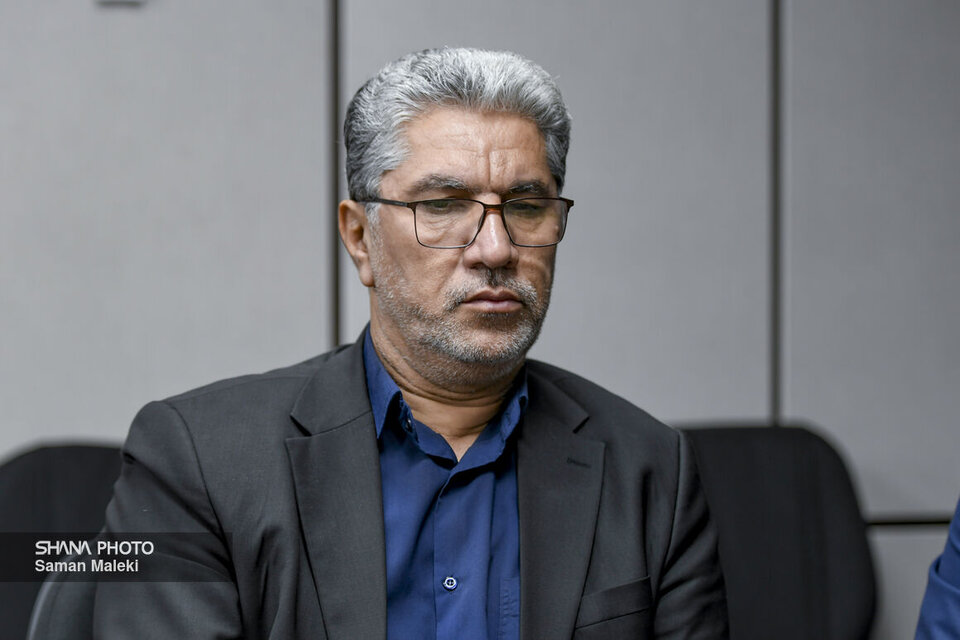
Ramezanali Sangdovini said Iran is facing a full-scale economic and infrastructure war and stressed that the country’s energy imbalance is the result of years of poorly informed decision-making. He said authorities must pursue structural reforms in energy consumption and promote a culture of conservation to address the growing challenges.
Referring to the government’s proposed provincial energy governance model, Sangdovini said the initiative aligns with broader decentralization efforts. The primary objective, he said, is to localize demand management, allowing provincial administrations to design incentive-based or punitive policies tailored to regional conditions to improve energy efficiency. Under the plan, energy conservation would become a local priority rather than a centrally imposed directive.
Sangdovini also highlighted the government’s new strategy to decentralize gasoline and natural gas consumption management by delegating responsibilities to provincial governments, municipalities and the private sector. According to statements by the head of the Energy Optimization and Strategic Management Organization, the approach would shift decision-making from Tehran toward locally driven management.
He noted that the Guardian Council has approved the statute of the Energy Optimization Organization, providing a legal framework for transferring authority over consumption reduction programs to governors, municipalities and private-sector entities.
Your Comment