
The Oil Ministry has made fuel-quality improvement a central pillar of its agenda, prioritizing increased production of Euro-4 and Euro-5 diesel. Through refinery-upgrade projects and a growing share of clean fuel in the national supply, the ministry aims to fully standardize the country’s distributed fuels. The broader goal is to sharply reduce pollutants from the transportation sector, improve air quality in large urban areas, and move toward global environmental standards. Officials say the administration views the production and distribution of standard fuel not as a short-term initiative but as a strategic necessity for public health and the environment.
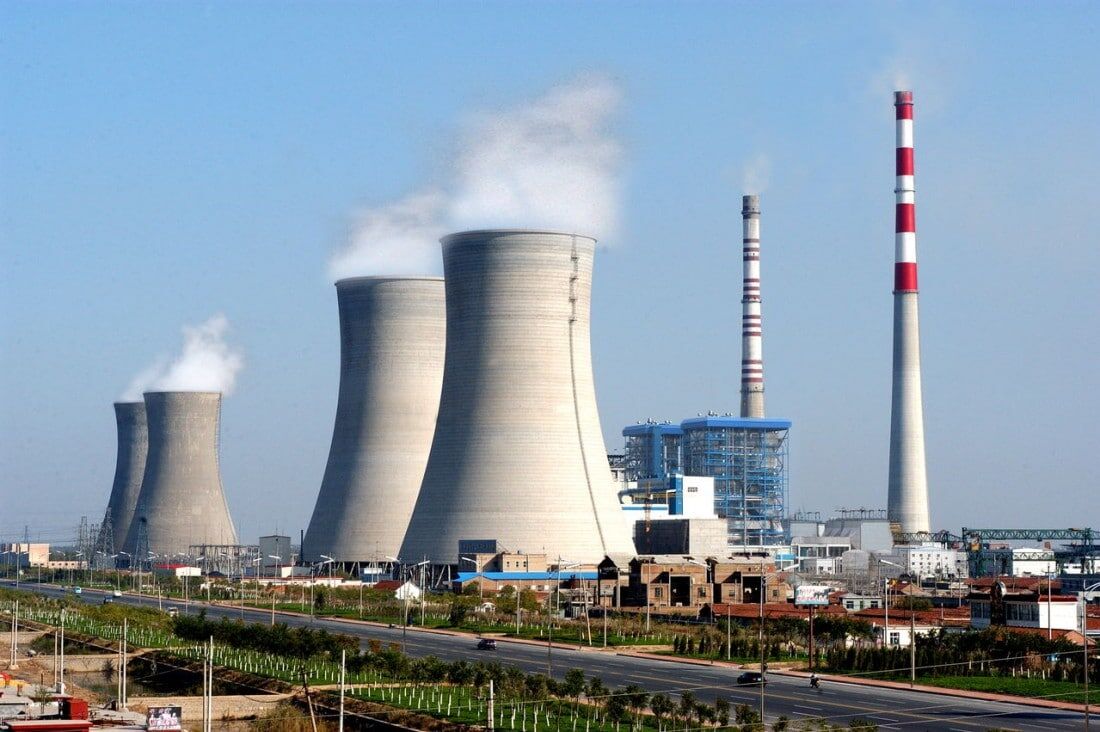
According to data from the National Iranian Oil Products Distribution Company., roughly 310 million liters of diesel have been supplied to the Damavand power plant since the start of this year, 300 million liters of which—about 97 percent—were Euro-4 diesel. The Parand power plant has received 57 million liters during the same period, including 31 million liters (more than 53 percent) of Euro-4 diesel. In the same period last year, the plants received zero and 49 million liters of Euro-4 diesel, respectively. As a result, Euro-4 deliveries to Parand and Damavand have increased by 100 percent and 512 percent year-over-year, surpassing the company’s commitments and contributing significantly to reducing environmental pollution.
Under agreements between the distribution company and the Department of Environment, half of the fuel supplied to the Damavand and Parand power plants was required to meet Euro-4 standards. That share has now reached 85 percent, up 8 percentage points from last year—an indication of stronger adherence to environmental policy and efforts to reduce air pollution in the capital.
In another first, 420 million liters of low-sulfur mazut with a sulfur content of 0.5 percent have been produced and distributed to major power plants. Officials say this marks another major step toward cleaner fuel production and improved environmental standards. The distribution company also reports that all fuel sold at stations across Tehran meets Euro-4 standards, with sulfur content below 50 ppm.
Aging Vehicles Burn Up to 22 Liters of Gasoline per 100 km
Official data show that about 22 million of the country’s 41 million vehicles—roughly half of the national fleet—are considered worn-out. These aging vehicles are a major source of air pollution and excessive gasoline consumption. Old cars consume between 16 and 22 liters of gasoline per 100 kilometers, nearly double the consumption of a typical vehicle. By comparison, new domestic vehicles consume between 8 and 10 liters per 100 kilometers.
Despite a recent rise in Tehran’s air pollution index, data from the Air Quality Control Co. show sulfur dioxide levels remain within safe limits. This indicates that power-plant fuel—which is generally the main source of sulfur pollutants—is not a major contributor, thanks to the 85 percent share of Euro-4 diesel supplied to power plants in Tehran province. Meanwhile, concentrations of PM2.5 fine particles remain above safe thresholds. These particles primarily come from mobile urban sources such as cars, motorcycles and construction activity, and are the main cause of deteriorating air quality in recent days.
Dual-Fuel Vehicles: A Complement to Gasoline-Saving Policies
The government is also expanding the development of dual-fuel vehicles as part of its gasoline-demand management strategy. A program offering free dual-fuel conversion for private vehicles began under the 14th administration. The National Iranian Oil Products Distribution Co. signed agreements with Iran Khodro and Zamyad to produce 55,000 dual-fuel vehicles, a move expected to save about 330 million liters of gasoline annually.
Two additional contracts were recently signed with domestic manufacturers, representing a combined investment of $23 million. These projects are expected to save more than 160 million liters of gasoline annually. All of these measures aim to reduce gasoline consumption pressures and expand the country’s CNG vehicle sector.
Together, the twin strategies of improving power-plant fuel quality and expanding dual-fuel vehicles highlight significant steps within Iran’s energy sector to reduce pollution and better manage fuel consumption. Officials say these measures will not only improve air quality in major cities but also help cut gasoline use and enhance power-plant efficiency.
Your Comment