
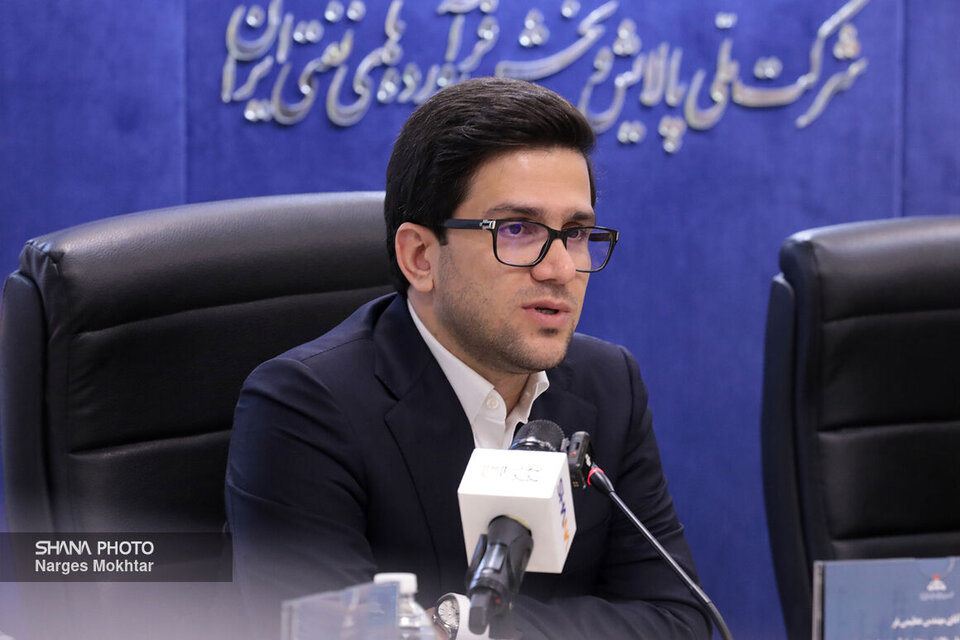
Speaking Monday at a comprehensive public relations training program for NIORDC, its subsidiaries and affiliated refineries, Mohammad-Sadeq Azimifar said the company's strategic roadmap, developed since the start of the 14th administration, is built around six key priorities designed to guide the organization's long-term direction and operations.
Azimifar said each strategic pillar is supported by a dedicated action plan, with implementation reviewed quarterly by the company's board of directors.
A central focus of the strategy is strengthening human capital through effective workforce management and talent development.
"As long as the mindset, capabilities and approach of our people are not improved, the organization itself cannot advance," he said.
Azimifar highlighted the launch of the Refining and Distribution Industry Assessment and Development Center (MANSHA), which is modeled on international best practices. The center is responsible for recruiting skilled personnel, assessing and appointing managers, identifying leadership development needs and delivering professional training programs.
He said about 1,000 industry managers have already been assessed through the center, while development and training programs have begun for roughly 100 participants.
Azimifar described Iran's refining sector as one of the country's most critical industries, employing nearly 160,000 people across a network that includes 10 major refineries, about 15,000 kilometers of crude oil and petroleum product pipelines, 78 oil storage facilities and an extensive nationwide fuel distribution system.
He said the industry's primary responsibilities include ensuring reliable fuel supplies, managing consumption, maintaining supply security, meeting health, safety and environmental standards, and improving service quality.
Because of the sector's strategic importance, even minor disruptions or comments about gasoline can quickly attract nationwide public attention, he said, adding that fuel infrastructure is a frequent target during regional conflicts.
Referring to the recent conflict, Azimifar said attempts to disrupt Iran's fuel supply infrastructure were unsuccessful, crediting employees across the refining and distribution sector for maintaining uninterrupted fuel services.
He also underscored the strategic role of public relations during crises, saying the function extends beyond media communications to supporting organizational credibility, legitimacy and public trust.
To strengthen those capabilities, NIORDC has launched a specialized 12-day training program for public relations professionals. The curriculum focuses on strategic communications, organizational identity, data-driven storytelling, media management, crisis forecasting, emerging technologies — particularly artificial intelligence — and measuring the effectiveness of public relations activities.
The event also featured remarks from Mohammad Amouzad, the company's head of training, who said the newly established management assessment and development center has helped identify a new generation of industry leaders. He said the public relations training program will play a key role in improving media engagement and communications management across Iran's refining and distribution sector.
The training program was attended by government spokesperson Fatemeh Mohajerani, NIORDC CEO Mohammad-Sadegh Azimifar and Oil Ministry spokesperson and Director General of Public Relations Saman Ghodousi.
Your Comment