
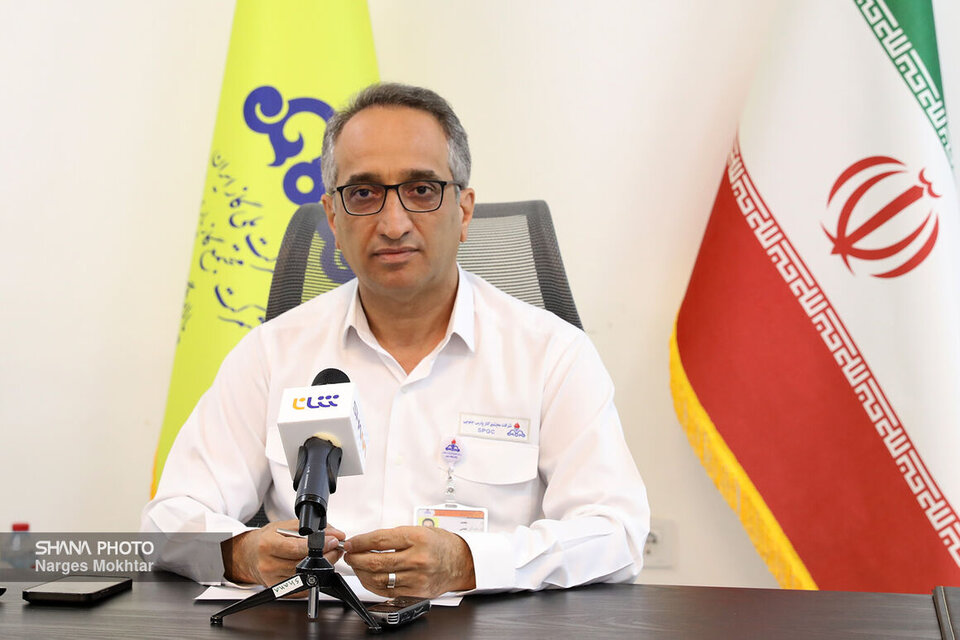
According to the South Pars Gas Complex Company, Mohammad Nemati said the localization of strategic technologies and equipment is among the most effective drivers of sustainable gas and byproduct output. He said the refinery is accelerating development and self-sufficiency by relying on domestic experts and new technology-based firms, noting that more than 95% of the parts and equipment used at the facility are now locally made.
Citing the gas industry’s specific conditions and international constraints, Nemati said localization projects across process, mechanical and instrumentation units have reduced reliance on foreign suppliers while improving equipment reliability, cutting operational downtime and raising production efficiency.
Localization a strategic necessity
Nemati said localization is not merely an option but a strategic necessity. In recent years, he said, reverse engineering of critical components, use of advanced domestic technologies and close cooperation with Iranian manufacturers have helped boost output of sweet gas, gas condensate and other byproducts.
He said the refinery processed and sent more than 13 billion cubic meters of sweet gas to the national transmission network in the first nine months of the year and produced more than 11.5 million barrels of gas condensate.
Nemati added that byproduct output rose alongside improved production stability. Over the same nine-month period, the refinery produced more than 351,809 tons of propane, 223,804 tons of butane, about 1,613,950 tons of ethane and more than 64,266 tons of sulfur.
Plans to digitize processes
Nemati said expanding indigenous technologies has delivered significant cost savings while facilitating technology transfer, upgrading workforce skills and creating added value across the gas industry’s value chain, strengthening the sector’s resilience.
Looking ahead, he said key priorities include digitizing processes, optimizing energy consumption and developing higher–value-added byproducts in line with the gas industry’s broader goals.
Your Comment