
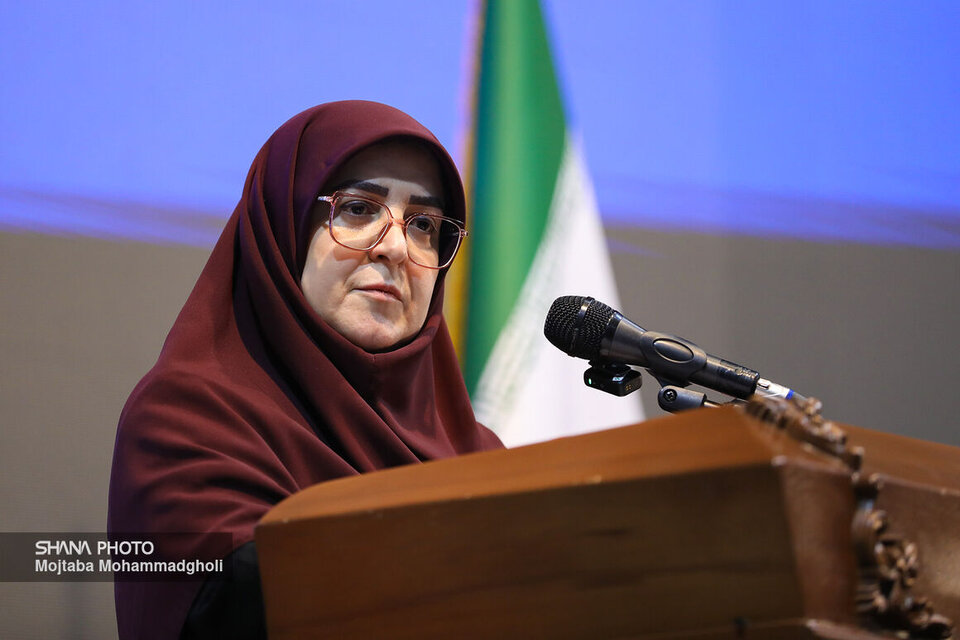
Fatemeh Mohajerani made the remarks Tuesday at a news conference hosted by Shazand Oil Refinery. She described the refinery as one of the country’s proud achievements built by Iranian engineers and a symbol of national progress.
Mohajerani said the Shazand refinery embodies the “We Can” slogan and demonstrates Iran’s capability to build refineries and petrochemical complexes with domestic expertise.
She added that Iran is moving toward producing low-sulfur fuel oil, a shift she said has been supported by environmental non-governmental organizations.
Coordination With Trade Groups
Mohajerani said the new gasoline measure took effect at the start of the week (Saturday), with the price of gasoline purchased via station cards set at 50,000 rials, and that it proceeded smoothly with public cooperation.
She said the government coordinated in advance with trade unions and professional associations, stressing that under the agreement there will be no additional price increases for fuel consumers, as arrangements have been made to address transportation costs.
Mohajerani said special measures have been arranged for high monthly consumers, including organized taxis, work-related motorcycles and pickup trucks. She added that for ride-hailing taxis using more than 60 liters per month, the government will pay the cost difference to prevent added financial pressure.
Economic Reforms With Public Support
Thanking the affected groups—especially intercity passenger transport operators—for their cooperation, Mohajerani said a move that could have become a challenge instead turned into an opportunity to begin economic reforms through public prudence and cooperation. She said the step supports fairer distribution of resources, including through a goods voucher program.
Asked how revenues from the measure will be spent, Mohajerani said all proceeds from the higher station fuel rate will be deposited in a designated account and used to improve public welfare, including funding the voucher program. She emphasized that the goal is not to raise gasoline prices but to rationalize them.
She said the government aims to move away from a command economy and organize the economic structure, describing that objective as a priority.
Oil Minister Resignation Denied
Addressing air pollution in Arak, Mohajerani said expanding clean energy such as solar power and distributing low-sulfur fuel oil can help reduce pollution and are being pursued seriously. She said cities worldwide seek a balance between industry and the environment, adding that Arak is working to use fuels with lower emissions.
Mohajerani also denied reports by some media outlets about resignations in the 14th administration, including the oil minister, and urged media—especially national outlets—to refrain from publishing unverified reports.
Your Comment