flare gas
-
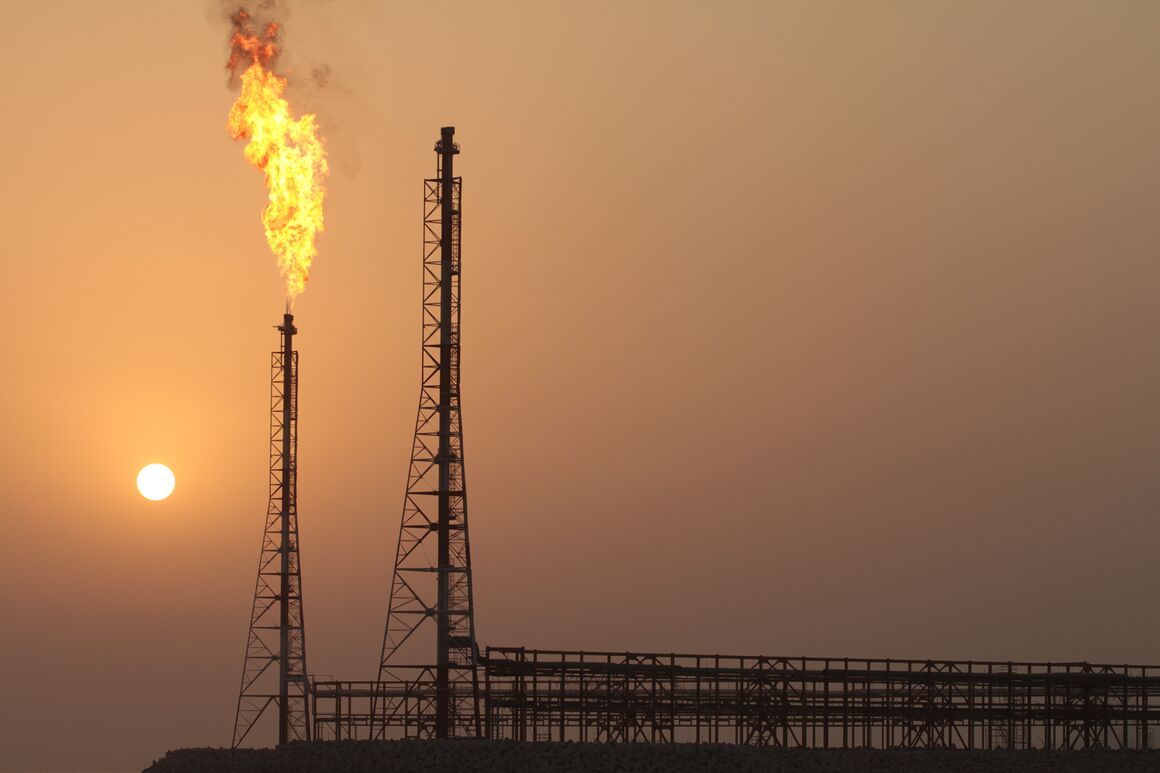
Flare gas projects set for staged launch
SHANA (Tehran) – Ramin Hatami, CEO of the National Iranian South Oil Company (NISOC), said staged commissioning of flare gas recovery projects in the Aghajari operational area will begin in November, with efforts underway to bring some projects online before the cold season.
-

From flaring to value: Iran draws private investment
SHANA (Tehran) – Gas that for years was burned off at oil fields is increasingly being turned into an investment opportunity in Iran’s oil industry. The National Iranian Oil Co. has signed 23 contracts with private and non-governmental investors to collect associated and flare gas, paving the way for the shutdown of 57 flares in Khuzestan province.
-

SP refinery recovers 1.4 mcm of flare gas daily
SHANA (Tehran) – The ninth refinery of the South Pars Gas Complex has launched a pipeline to transfer flare gas to the boiler units of Petropalayesh Kangan Company, a project officials say will cut flaring, curb the waste of hydrocarbon resources and reduce environmental pollution.
-

Flare gas capture among top national priorities
SHANA (Tehran) – President Masoud Pezeshkian said flare gas recovery is one of the country’s top priorities, emphasizing that the government will support new technology-based firms involved in capturing and utilizing flare gas.
-
Oil Ministry takes major step in APG recovery with private sector partnership
SHANA (Tehran) – The Oil Ministry’s simultaneous pursuit of large national projects and private sector capacity — backed by innovative contracts — has turned the long-standing ambition of flare and associated petroleum gas (APG) recovery into an achievable target.
-

Lawmaker: Gas flaring capture a top success for Oil Ministry
SHANA (Tehran) – The collection of natural gas flared during oil extraction has emerged as one of the most active and successful sectors within Iran's Oil Ministry during the first year of the new administration and the implementation of the seventh five-year development plan, a lawmaker said.
-

APG collection seen as key step in protecting national assets
SHANA (Tehran) – A lawmaker praised the Oil Ministry’s performance in collecting associated petroleum gas and reducing flaring, saying faster implementation of the projects has helped curb waste, cut pollution, create jobs and boost value added across the hydrocarbon value chain.
-

Cheshmeh Khosh flare gas injected into national grid
SHANA (Tehran) – The managing director of Iran’s Central Oil Fields Company said sweet gas produced at the Cheshmeh Khosh gas refinery and the NGL 3100 plant has been successfully injected into the country’s national gas pipeline.
-

Completion of flare gas recovery chain at Bidboland refinery
SHANA (Tehran) – The CEO of the National Petrochemical Company said the Bidboland Persian Gulf Gas Refining Complex, the country’s largest flare gas recovery project, is now receiving 80% of its feedstock capacity and is supporting petrochemical plants.
-

Major oil industry goal: Collecting 43 mcm of flare gas daily
SHANA (Tehran) – The head of the Oil Ministry’s flare gas recovery task force said that, following direct instructions from the president and special measures by the oil minister, projects to recover associated and flare gas are advancing at an unprecedented pace. The goal is to collect more than 40 million cubic meters per day of flare gas by the end of Iranian year 1406.
-
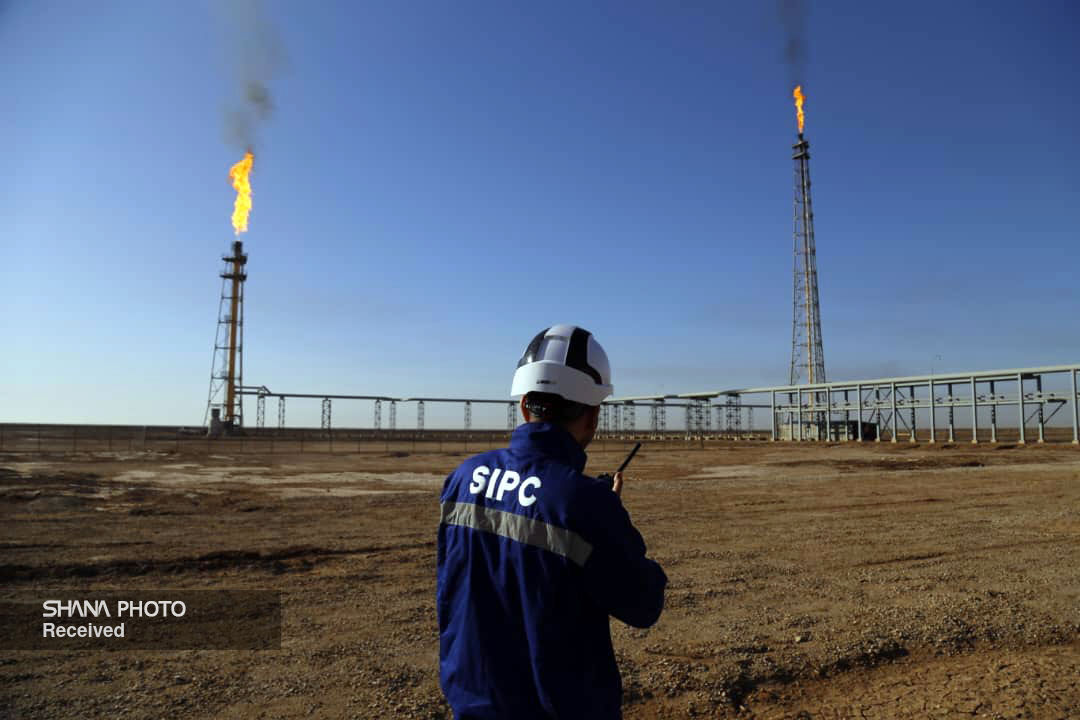
MPs praise Oil Ministry’s success in gas flare collection
SHANA (Tehran) – Several members of Iran’s Parliament have praised the Oil Ministry’s efforts to curb gas flaring, saying the 14th administration has taken effective steps to reduce the waste of this national asset.
-

Acceleration in gas flare recovery with 12 new contracts signed
SHANA (Tehran) – Oil Minister Mohsen Paknejad announced that gas flare recovery projects have accelerated following the president’s efforts, saying the signing of 12 new contracts will generate about $600 million in annual value for the country.
-

Iran to cut gas flaring by 295 mcf a day by March 2027
SHANA (Tehran) – Iran’s Oil Minister Mohsen Paknejad said the country will gradually reduce gas flaring by about 295 million cubic feet per day (mcf/d) by the end of the Iranian calendar year 1405 (March 2027), following the signing of 12 new contracts on Saturday.
-

Iran to capture 90% of gas flares by mid-March 2028
SHANA (Tehran) – The National Iranian Oil Company (NIOC) aims to collect more than 90% of the country’s gas flares by mid-March 2028 through major investment and private-sector participation, the company’s chief executive said Saturday.
-

President praises Oil Ministry for speeding up gas flare recovery
SHANA (Tehran) – President Masoud Pezeshkian praised the Oil Ministry on Saturday for accelerating the collection of flare gas and said the government is ready to remove any obstacles that may hinder the process.
-

Flare gas collection contracts signed under president’s order
SHANA (Tehran) – Contracts for collecting flare gas from 12 oil fields in southern Iran were signed Saturday via video conference under the directive of President Masoud Pezeshkian.
-
Twelve gas flare collection contracts to be signed
SHANA (Tehran) – The National Iranian South Oil Company (NISOC) is set to sign 12 contracts for the collection and sale of flare gas today under an order from President Masoud Pezeshkian. The agreements aim to harness private-sector investment and facilitate technology transfer through cooperation with domestic and international companies.
-

Fajr Jam Gas Refinery cuts gas flaring by 71%
SHANA (Tehran) – The acting head of Fajr Jam Gas Refining Company said the volume of gas sent to flares has dropped by more than 71% since the Iranian year 1398 (2019), helping to reduce greenhouse gas emissions.
-

Iran controls 11 mcm of flare gas under 14th administration
SHANA (Tehran) – President Masoud Pezeshkian said Iran has managed to capture more than 11 million cubic meters of flare gas in recent months, calling it evidence that reforms in the country’s energy management are underway. He added that controlling flare gases could generate between $5 billion and $6 billion in annual revenue for the nation.