
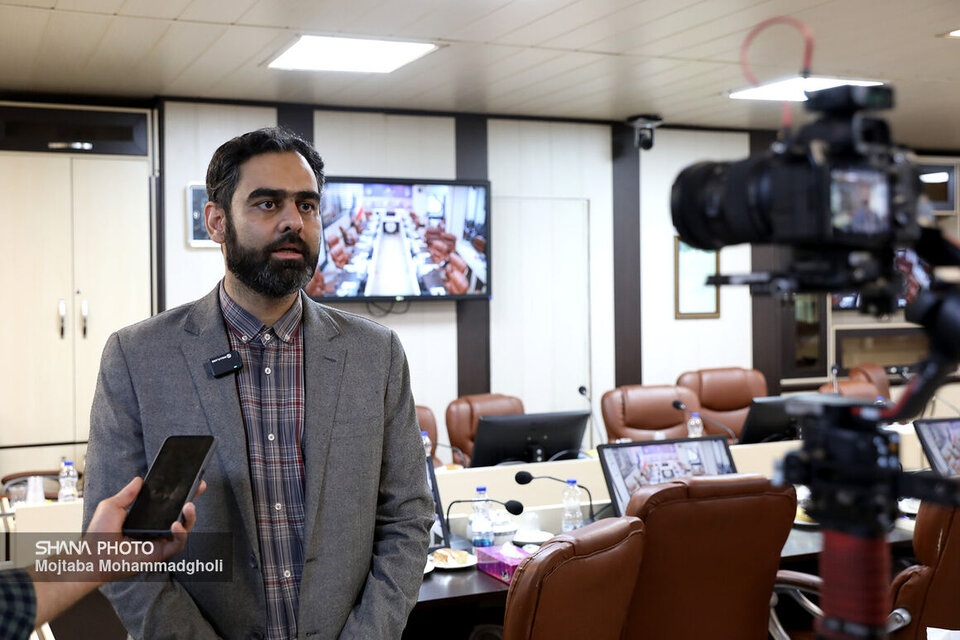
Amirhossein Sabeti Monfared said the Oil Ministry was on the front line during the third imposed war, noting that one of the adversary’s key objectives was to damage Iran’s oil, gas and energy infrastructure.
“Despite these attacks, the ministry’s performance ensured that people did not face fuel or energy shortages in practice,” he said.
Sabeti acknowledged that wartime conditions can naturally lead to disruptions, but argued that the country had avoided any major fuel crisis. Referring to the recent 12-day and 40-day conflicts, he said no one could credibly claim that Iran had experienced famine or serious fuel supply deficiencies.
The lawmaker also praised oil industry workers for their efforts during the conflict. He recalled a visit with fellow lawmakers to the Tehran refinery, which had been targeted by attacks, and said the visit highlighted the dedication of employees working quietly on the ground to keep operations running.
While parts of the country’s energy infrastructure were damaged, he said hundreds of workers have been involved in reconstruction efforts, often without public recognition.
“It is this spirit of sacrifice and hard work that has kept the country standing firm despite two major waves of conflict,” Sabeti said.
He emphasized that public support and national unity remain key to overcoming challenges, adding that even under economic pressure, sanctions or renewed conflict, cooperation between citizens and officials would help the country address future difficulties.
Sabeti also argued that wars can create opportunities alongside challenges. He said recent developments had opened new strategic opportunities for Iran, including the control over the Strait of Hormuz, and expressed hope that the end of the conflict would mark the beginning of a stronger future for the country.
Your Comment