
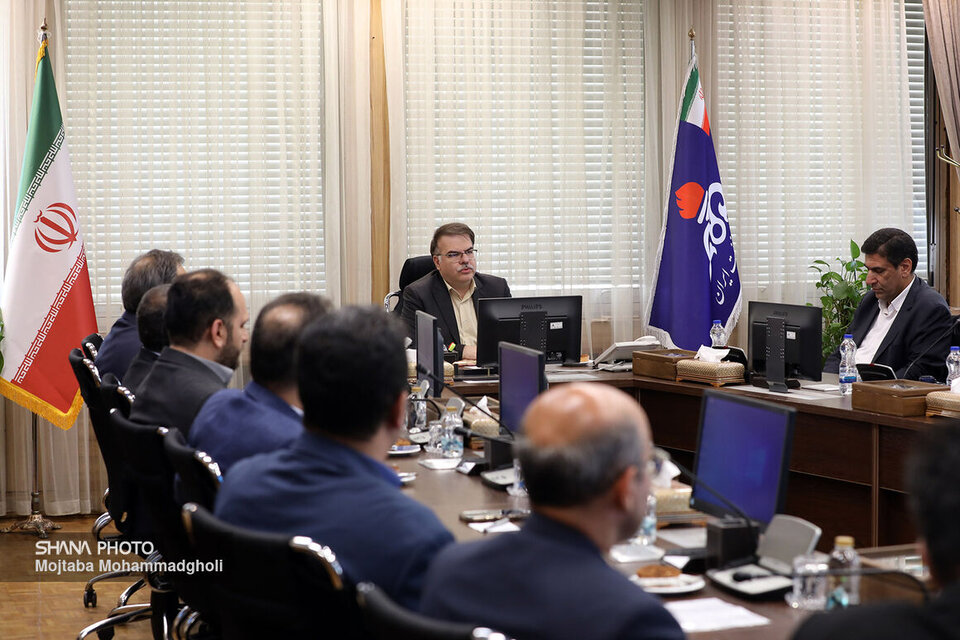
Speaking at a ceremony introducing new research and technology managers on Monday, Omid Shakari said stronger collaboration among universities, research institutes, technology parks and industry research divisions is essential to addressing the oil sector’s most pressing challenges. He emphasized that management changes are intended to improve coordination and deliver better results.
Shakari highlighted ongoing technology initiatives, including a project to revive low-productivity oil wells, which has been supported by the Oil Industry Research and Technology Directorate and the Oil Industry Innovation and Technology Park. He said the park should serve all segments of the oil sector and help expand the role of private companies and knowledge-based firms in meeting industry technology needs.
He stressed that a range of support tools — including first-production incentives, financing programs, insurance coverage for innovative products, research and technology funds, and tax credits — should be deployed in a coordinated manner to accelerate commercialization.
Officials at the event said significant progress has been made over the past year in establishing the Oil Industry Innovation and Technology Park, including creating organizational structures, securing independent budget resources and developing legal and operational frameworks.
Farhang Fasihi Langaroudi, newly appointed acting head of the Oil Ministry’s Research and Technology Affairs Department, said the park is positioned at the intersection of Iran’s innovation ecosystem and the oil industry, serving as a facilitator between technology providers and industry users.
Mehdi Ahmadkhanbeigi, acting head of the park, said broader support from the National Iranian Oil Company, National Iranian Gas Company, refining and distribution entities, and the petrochemical sector will be critical to expanding technology deployment and increasing the participation of new technology-based firms.
Participants also stressed the need for stronger management commitment to innovation, greater alignment among the ministry’s main companies, and increased financing for priority technology projects to support long-term industry development.
Your Comment