
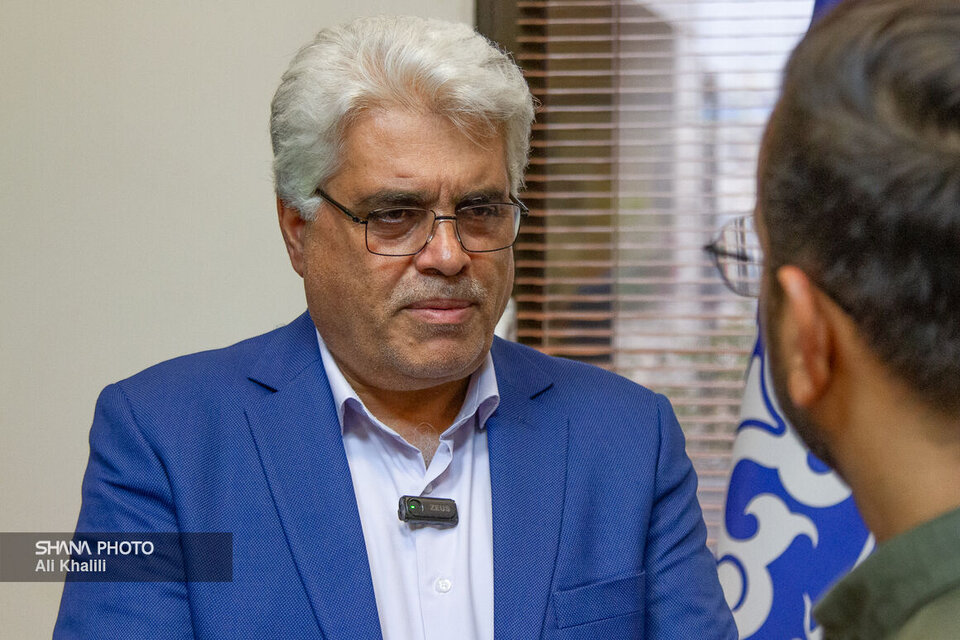
According to the National Iranian Oil Refining and Distribution Company, CEO Keramat Veis-Karami said Saturday that the cabinet has approved the measure as part of broader policies to manage consumption and reform the distribution system for energy carriers. The main goal, he said, is to encourage maximum use of personal fuel cards and better regulate the use of emergency cards at fuel stations.
Veis-Karami said the country has distributed an average of 133 million liters of gasoline per day since the start of the year, with about 56 million liters dispensed daily using station cards. Under the 1403 budget law, the Oil Ministry is required to ensure that 90% of vehicle refueling is done using personal fuel cards. In 2023, he said, 90% of refueling was done with station cards, a figure that rose to 95% this year — meaning only 5% should be handled through emergency station cards.
148,000 Register in Self-Declaration System for Multiple Vehicle Owners
Veis-Karami said other objectives of the measure include wider use of personal fuel cards and curbing fuel smuggling. During the first 21 days of the current month, he said, 1.12 billion liters were credited at the first price tier of 1,500 tomans per liter, and 1.866 billion liters at the second tier of 3,000 tomans per liter, based on allocated quotas.
He said the first-tier quota can be stored for up to six months, while second-tier quotas are credited monthly. For owners of multiple vehicles, he said, a new system allows only one vehicle to receive a fuel quota, with cards for additional vehicles to be deactivated.
Veis-Karami said the online self-declaration system for multiple-vehicle owners, available at fcs.niopdc.ir since 9 a.m. Tuesday, Dec. 9, has registered 148,000 users so far. Owners have one month to register their vehicle information, he said, or the fuel card associated with the vehicle with the lowest usage will be deactivated.
More Than 31.2m Active Fuel Cards Nationwide
Veis-Karami said quotas for both the first and second price tiers have been removed for about 180,000 government vehicles, with fuel credited at a single rate of 5,000 tomans per liter. The primary aim of the measure, he said, is to maximize the use of personal fuel cards and prevent excessive fuel imports.
He noted that a significant volume of first- and second-tier quotas remains stored on citizens’ fuel cards and is sufficient to meet the needs of most people. There are currently more than 31.2 million active fuel cards nationwide, including 22 million for private passenger cars, 6.1 million for motorcycles, 2.7 million for pickup trucks, 325,000 for taxis and 98,000 for free trade zones. About 60,000 cards are designated as emergency station cards.
Veis-Karami said daily production of fuel cards has increased from 14,000 over the past four months to 35,000, and is expected to rise to 50,000 per day in the near future.
Online Ride Platforms Commit to Holding Fares Steady
Addressing additional quotas for drivers working with online ride-hailing platforms, Veis-Karami said monthly caps have been set at 200 liters for gasoline vehicles, 95 liters for bi-fuel vehicles and 40 liters for motorcycles. These quotas are allocated as credits after mileage data is registered, he said, and the difference between the 3,000-toman rate and the free-market rate of 5,000 tomans is paid directly to drivers’ accounts.
He added that online platforms have committed not to raise fares under the new system.
Your Comment