
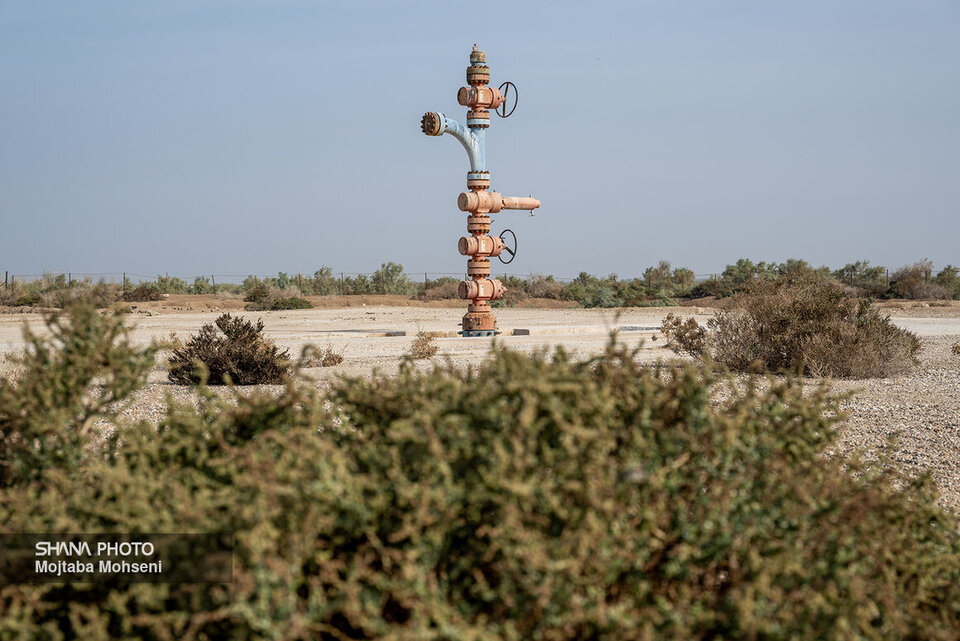
Mehdi Najarian, project manager for the Sohrab field development, said cooperation between the oil industry and Iran's Department of Environment led to the permit, clearing the way for the joint oil field's development while meeting environmental requirements tied to the wetland.
Najarian said the project has been on the National Iranian Oil Company's agenda since 2021. Following requirements set by environmental regulators, engineers revised the field's development model to reduce encroachment on the wetland area, he said.
Comprehensive environmental impact studies informed the redesign, which aims to allow the project to proceed while minimizing damage within the wetland, according to Najarian.
One of the biggest changes involves cutting the number of wellhead pads. The original design called for 23 pads, but the new plan reduces that to six, shrinking the land needed from about 170 acres to roughly 44 acres, Najarian said.
To avoid creating new access routes through the wetland, engineers positioned the wellhead pads near an existing border road, further limiting intrusion into the protected area, he said.
The new design also allows for drilling several wells from each pad using rotary steerable drilling technology, enabling extraction from multiple reservoir layers through a single well. As a result, the number of new wells needed has dropped from 32 to 20, cutting water and energy use along with drilling mud consumption and waste generation, Najarian said.
Waste management and pollution control are also central to the plan. Measures include using non-synthetic, water-based drilling mud, adopting a zero-discharge waste management approach, installing downhole pumps to sustain and boost output, and using a multiphase pump-based transfer system, he said.
The multiphase transfer system will reduce the need to build processing, separation and metering facilities, as well as water and gas injection infrastructure, inside the wetland, Najarian said, adding that much of the project's supporting infrastructure will be located outside the protected Hoor al-Azim area.
Other measures include burying a 33-kilovolt power transmission line underground to avoid installing poles and overhead towers within the protected zone, he said. Residential camps, workshops, a multiphase pumping station and waste management facilities will also be built outside the protected area to minimize environmental impact.
Najarian said the combined measures are designed to reduce interference with the wetland while meeting environmental standards, with the Sohrab field being developed within the framework set by the Department of Environment.
With the environmental permit secured, he said, one of the key hurdles to the project has been cleared, and plans are underway to accelerate construction.
A second drilling rig is being sent to the site as a new wellhead pad is prepared, with the initial goal of reaching production of 15,000 barrels of oil per day as quickly as possible before expanding the field's overall capacity, Najarian said. Drilling of a new well is already underway at one of the completed pads, and contractors are ready to begin building additional pads and pipelines, he added.
The Sohrab field's development was awarded to Dana Energy under Iran's newer oil contract model for a 20-year term, with a final production target of 30,000 barrels of oil per day, Najarian said.
Your Comment