
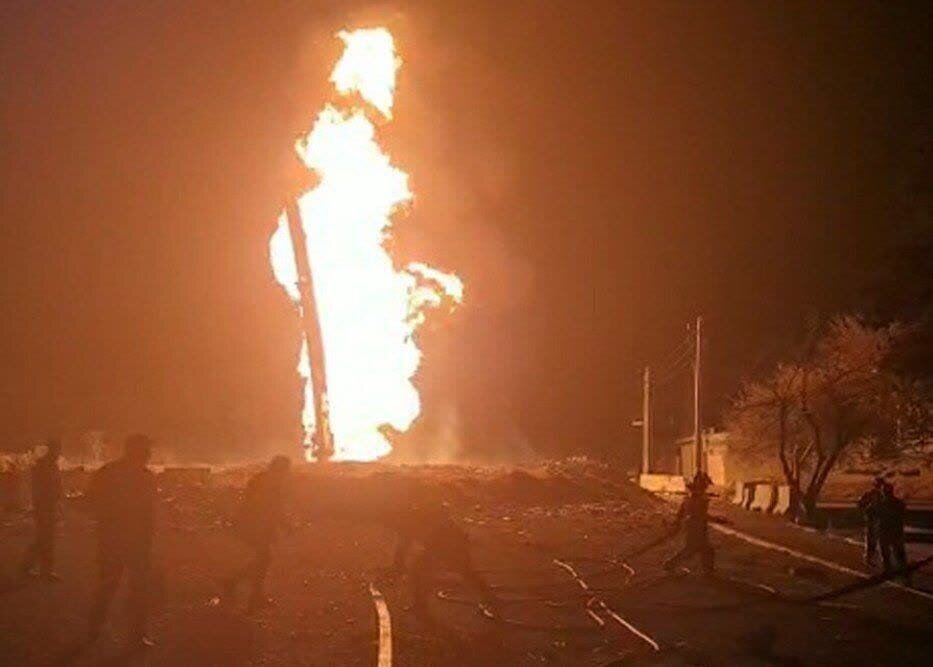
Following Saturday’s attacks by the Zionist regime-US on oil depots in Tehran and Alborz provinces, the RCS released two educational notices warning residents about potential acid rainfall.
In its first advisory, the organization said explosions at oil storage sites can release large amounts of toxic compounds — including hydrocarbons and sulfur and nitrogen oxides — into the atmosphere and surrounding clouds. If precipitation occurs, the resulting rain can become highly acidic and extremely dangerous.
The notice warned that such rainfall could cause chemical burns to the skin and serious damage to the lungs.
The RCS recommended the following precautions:
During rainfall after oil explosions, do not leave your home under any circumstances. Seal all openings with damp cloths.
If you are caught outdoors, immediately take shelter under concrete or metal structures and avoid standing under trees.
If the rain contacts your skin, do not rub the affected area. Rinse it only with a continuous flow of cold water.
Immediately remove clothing exposed to the rain and place it in a sealed bag.
Use filtered masks, preferably N95 masks or masks with an activated carbon layer.
Do not consume water from open wells or rainwater storage tanks in areas near the explosions.
Move pets and livestock to fully enclosed spaces and cover their feed.
If you experience severe respiratory irritation, persistent dry coughing or blurred vision, seek medical care immediately.
After the rainfall ends, wash outdoor surfaces and vehicles with high-pressure water to prevent toxic residue from drying.
In a second advisory, the RCS warned about additional hazards following toxic rainfall:
Post-rain vapor risk: Do not leave your home immediately after the rain stops. Evaporation of acidic droplets from warm ground or surfaces can significantly increase toxin concentrations in the air. Wait until the air becomes still or wind disperses the vapors.
Evaporative and air conditioners: Do not operate evaporative coolers during toxic acid rainfall. Wet cooling pads can act like filters and pump acid and toxic soot directly into indoor air. Set air conditioners to recirculation mode.
Handling exposed food: If food items such as pickles, rice or bread are stored on balconies or in yards, clean the outside of their containers with gloves and a damp cloth before bringing them inside, even if they are sealed. Microscopic acidic particles on the container surface may contaminate the contents when opened.
Rinsing airways: After the rainfall period ends, rinse the nose and throat with a diluted saline solution, even if you remained indoors. This can help remove airborne petroleum soot particles that may have adhered to mucous membranes.
Water filter replacement: Households using home water filtration systems should replace the first-stage filters after the toxic rain event, as atmospheric pollutants may have entered the municipal water network and reduced filter effectiveness.
Avoid using dry windshield wipers: If black residue from the rain accumulates on a vehicle windshield, do not operate the wipers alone. The combination of dried acid and soot can act like sandpaper, potentially damaging the glass and stirring harmful dust. First rinse the windshield thoroughly with large amounts of water.
Your Comment