
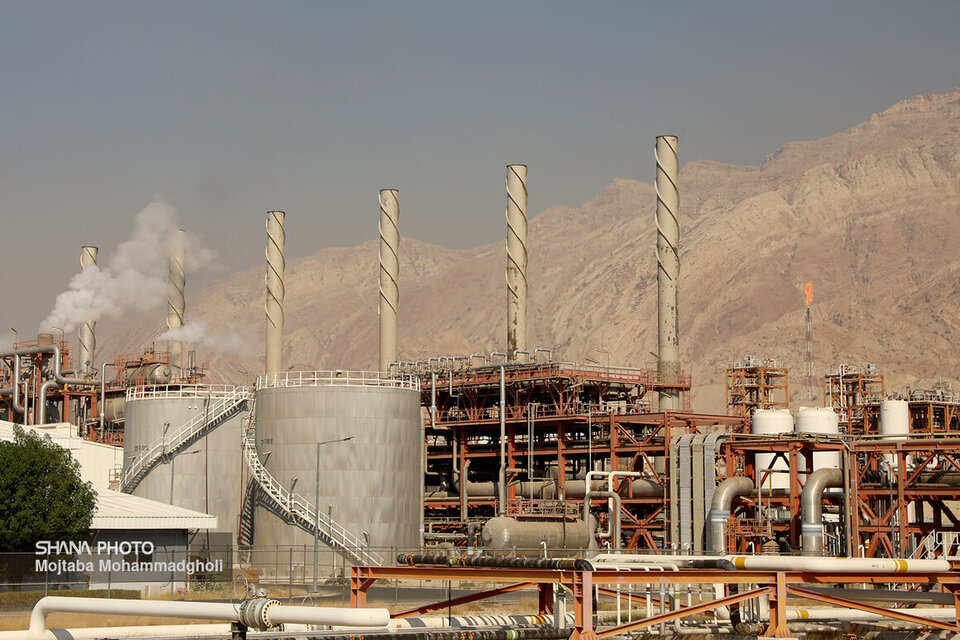
Damage to gas refinery facilities during enemy strikes created a major recovery effort, drawing on the full resources of the Oil Ministry, its subsidiary companies, contractors and domestic manufacturers to prepare the country's gas network before winter. Officials say the effort showcases the capabilities Iranian specialists have built up during years of sanctions.
The recovery push comes as gas supply shortfalls, already a major energy challenge before the war, have become more urgent following the loss of production capacity.
Mohammad-Jafar Ghaempanah, the president's executive deputy, said enemy attacks on oil industry infrastructure during the war knocked 230 million cubic meters of gas production capacity offline. Officials plan to restore 100 million cubic meters of that capacity within a few months, according to the ministry's schedule.
Oil Minister Mohsen Paknejad, speaking on the sidelines of a Supreme Energy Council meeting, said the ministry would work to restore most of the lost gas production capacity before the start of winter. He praised the broad effort underway across the oil industry to rebuild damaged refineries and called for continued progress briefings and coordinated project management among all branches of the industry.
The National Iranian Oil Company, National Iranian Gas Company, Pars Oil and Gas Company, domestic manufacturers and contractors have each taken on specific roles, running engineering work, equipment procurement, and construction simultaneously to shorten the time between damage and restored production.
Hamid Bovard, managing director of the National Iranian Oil Company, toured damaged South Pars refineries last week and called for accelerating repairs and returning the facilities to full operation to ensure stable gas supplies.
Round-the-Clock Repairs
Touraj Dehqani, managing director of Pars Oil and Gas Company, said staff have worked around the clock since the attacks, mobilizing technical, engineering and operational resources to clear debris, secure sites, assess damage and begin repairs. He said three trains at the Phase 14 refinery were restored to operation within 10 days, and debris removal at the third and fifth refineries was completed safely in under two months. Work to restore the final sweetening unit at the Phase 14 refinery remains on schedule, he said.
Gas Specialists Push for Early Output
The National Iranian Gas Company has also taken responsibility for rebuilding two damaged gas refineries for the first time, said Saeed Tavakoli, the company's managing director, who said restoration and operational plans were being pursued on schedule.
A special oversight task force made up of senior gas industry officials has been formed to support reconstruction efforts, coordinate between agencies, and push for early operation of units at each refinery.
Moqaddam Biglarian, who leads the task force at the National Iranian Gas Company, said attacks disrupted gas service in 11 provinces and affected more than 3 million residential and commercial customers, making early production at damaged refineries a top priority for the oil minister and gas company leadership. He said all executive agencies must coordinate fully to remove obstacles and speed up project execution.
Officials describe the effort as a full mobilization of the Oil Ministry's management, expertise and manpower aimed at securing gas supplies, safely getting through winter, and maintaining stability in the national gas network. Contractors including Payandan, part of the Sina Energy Holding group, gained experience repairing the Phase 14 refinery and other damaged sites during the 12-day war and the more recent conflict — experience now being applied by a large pool of domestic contractors and specialists.
Your Comment