oil
-
Seven OPEC+ members keep November output steady
SHANA (Tehran) – Saudi Arabia, Russia, Iraq, Kuwait, Kazakhstan, Algeria and Oman agreed Sunday to hold November oil production at September levels, reaffirming their commitment to market stability.
-
Dialogue is central to OPEC’s objectives
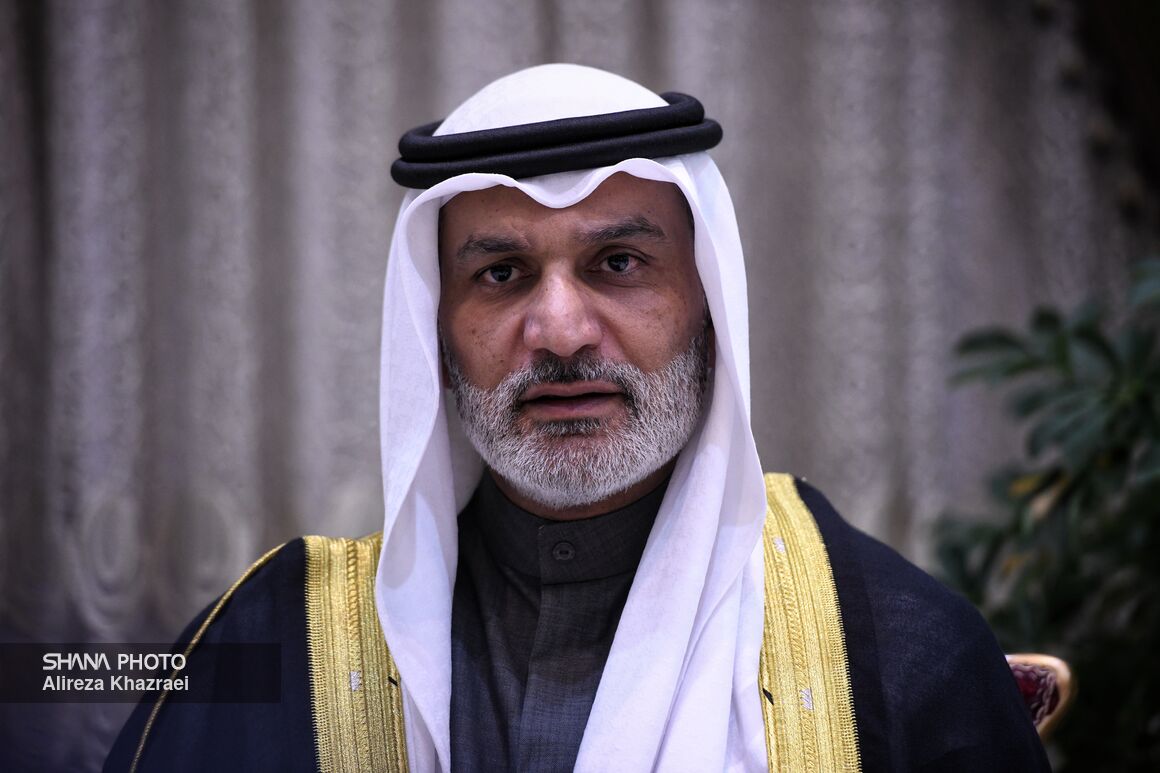
SHANA (Tehran) – ‘Dialogue’ is an evocative word, one that has engaged some of civilization’s greatest minds. It has also been front and centre of OPEC’s objectives since the Organization was formed back in September 1960.
-

South Azadegan field restores 10 wells, adds 30,000 barrels a day
SHANA (Tehran) — Ten Fahlian and Gadvan formation wells in the South Azadegan joint oil field have returned to production following completion of the first phase of an engineering, procurement and drilling (EPD) project led by the National Iranian Oil Company's (NIOC) Exploration Directorate.
-
SNSC: Iran’s oil exports continue uninterrupted
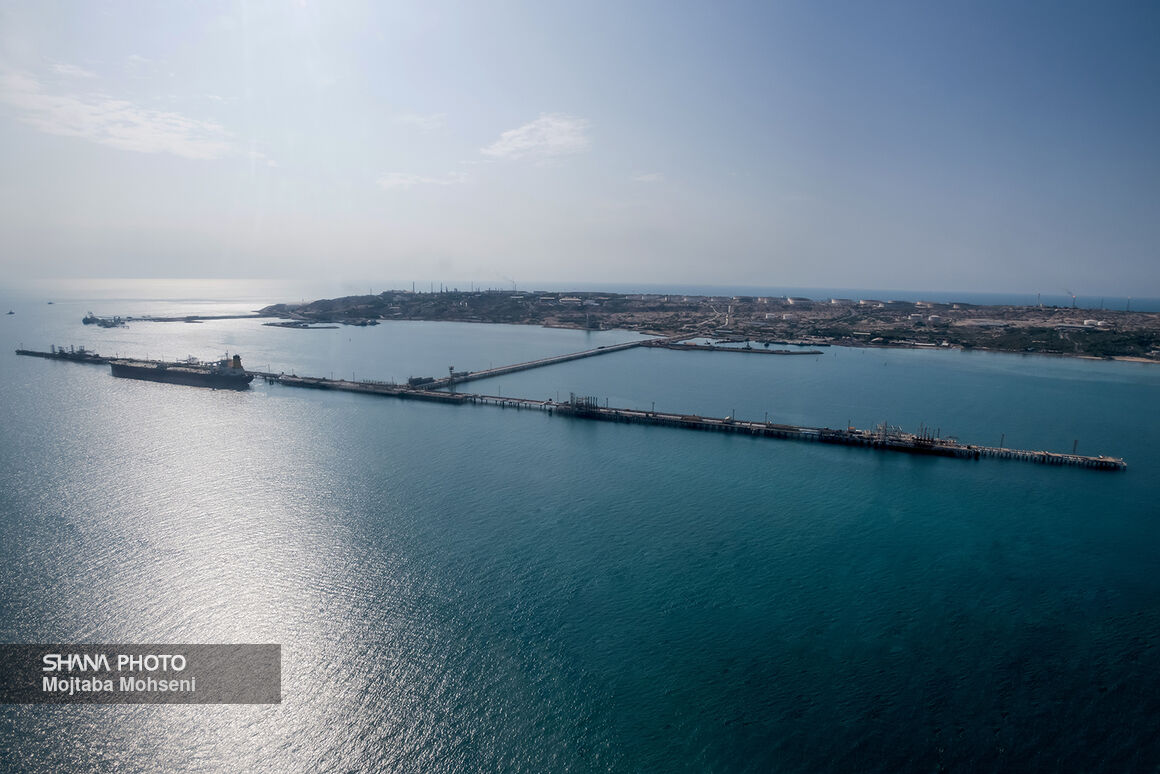
SHANA (Tehran) – The Secretary of Iran's Supreme National Security Council has emphasized that the country's oil sales are ongoing without disruption, stating that trade continues smoothly and there are no issues in this regard.
-
Iran's crude exports never stopped during 40-day war
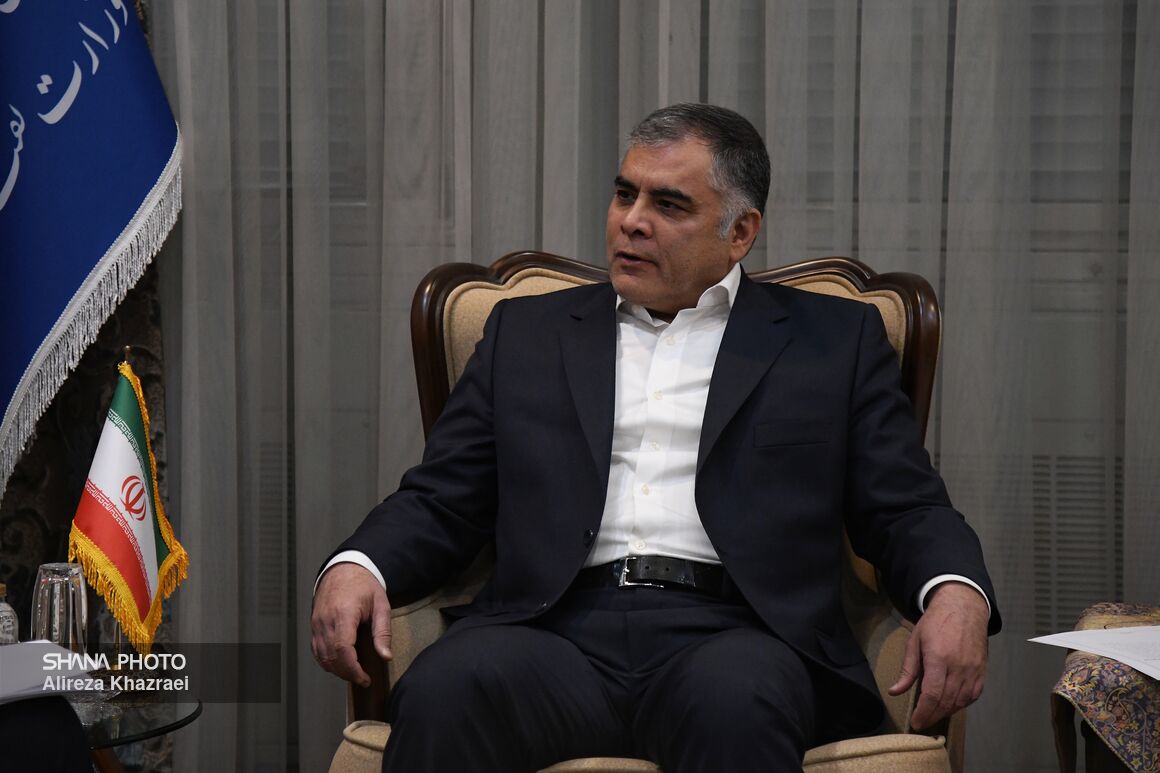
SHANA (Tehran) – Minister of Oil has reported rising oil and gas production, an accelerated flare-gas recovery program, pressure-boosting projects at South Pars, expanded crude processing capacity at joint fields, and an end to diesel imports over the two years of the 14th administration's work at the Oil Ministry — adding that the country's crude oil exports did not stop for even a single hour throughout the 40-day war.
-
Iran hits seven-year crude production high
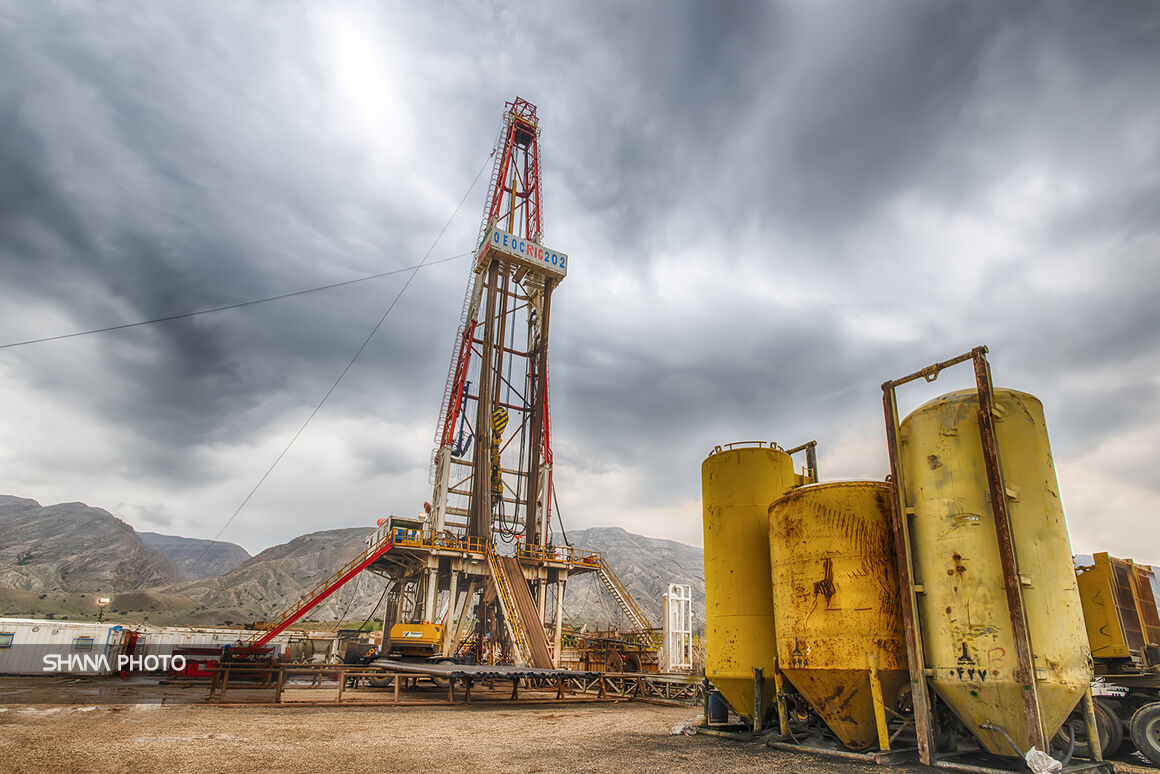
SHANA (Tehran) - Iran has recorded its highest crude oil production in seven years, with output rising about 10% in 1403 compared with 1402 and another 3.5% in 1404, according to Reza Kheilaei, director of oil and gas production monitoring at the National Iranian Oil Company.
-
NIOC: Oil spills unlinked to Iran’s facilities
SHANA (Tehran) – The CEO of the National Iranian Oil Company dismissed social media reports linking oil pollution and slicks in the sea near Qeshm Island to Iran’s oil facilities, saying the company has only limited facilities in the area and they are currently shut down for maintenance.
-
Iran holds steady as OPEC's No. 2 oil producer
SHANA (Tehran) – Iran maintained its position as OPEC's second-largest oil producer in June, according to the organization's latest monthly report, with output rising to 2.441 million barrels per day (bpd).
-

NISOC to boost processing capacity, crude output
SHANA (Tehran) – Iran’s largest oil producer plans to increase its processing capacity and crude oil output by the end of the year as development projects continue despite wartime challenges, according to the chief executive of the National Iranian South Oilfields Company (NISOC).
-
Full production targets achieved in southern oilfields
SHANA (Tehran) – The CEO of the National Iranian South Oilfields Company said all production targets for 1404 were fully achieved, including stable output, refinery feedstock supply and export crude from subsidiary operating companies. He also stressed the need for a fundamental overhaul of oil-sector planning and engineering systems.
-
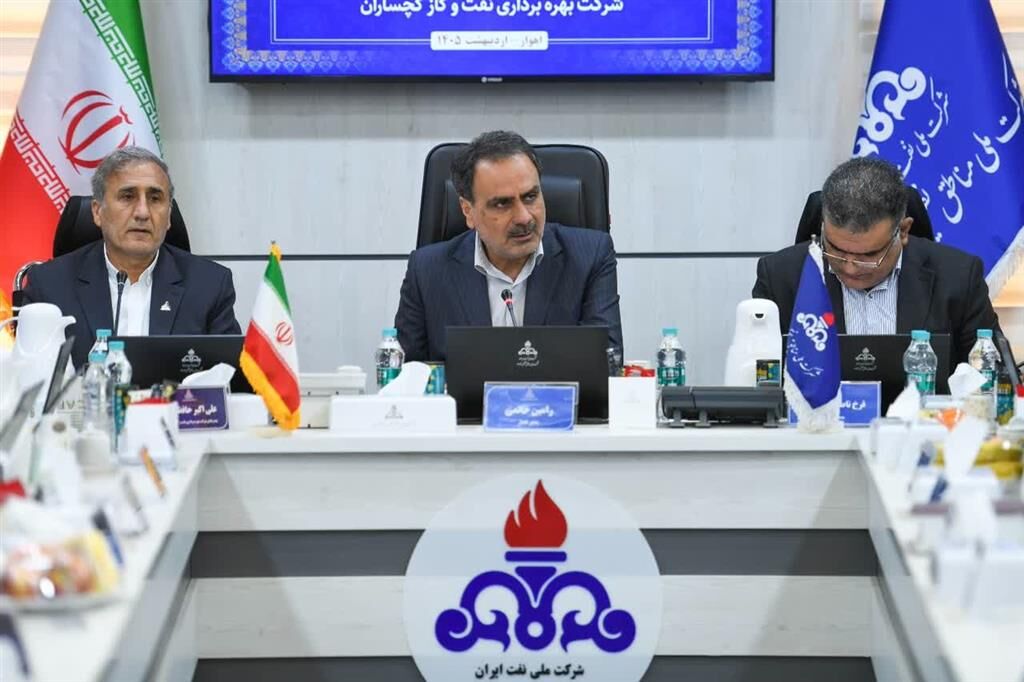
Opportunity to expand oil, gas capacity in Gachsaran
SHANA (Tehran) – The CEO of the Gachsaran Oil and Gas Production Company said achieving sustainable production requires a smart resource management approach and safeguarding workforce health, adding that the combination of mature and emerging fields in the region creates a unique opportunity to expand oil and gas capacity simultaneously.
-
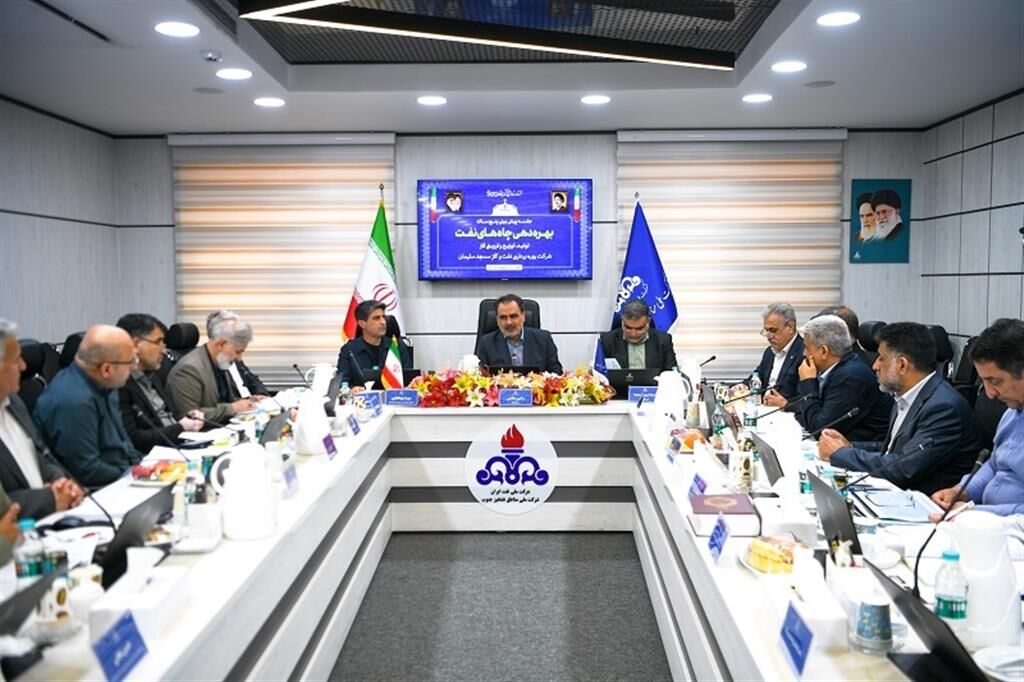
Masjed Soleiman Oil and Gas Company delivers on production targets
SHANA (Tehran) – The CEO of the National Iranian South Oilfields Company praised the performance of employees at the Masjed Soleiman Oil and Gas Production Company, stating that despite enduring two imposed wars, the company has remained fully committed to meeting its production targets.
-
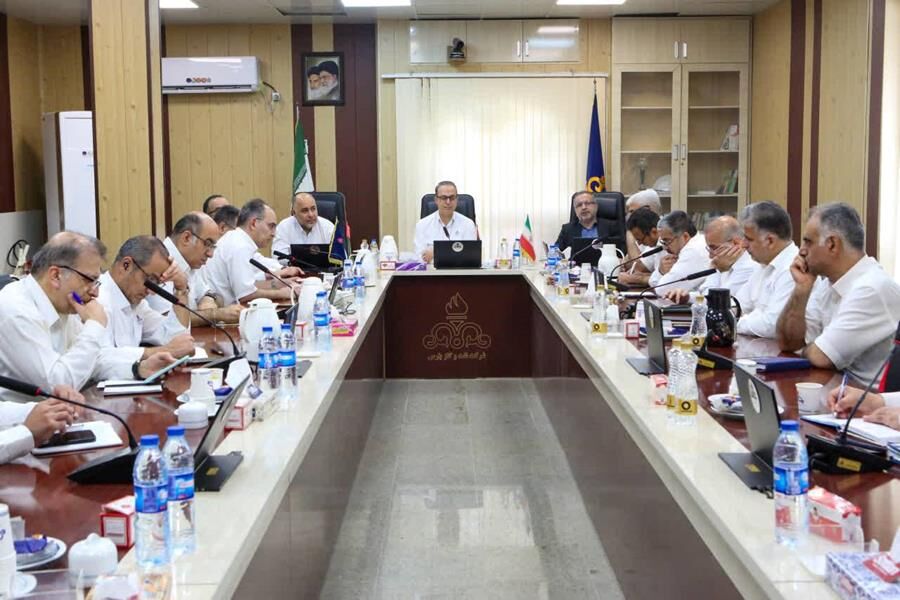
Oil operations staff stand firm against enemy attack
SHANA (Tehran) – The Health, Safety and Environment director general of Iran’s Oil Ministry praised the resilience of operational staff following enemy attacks on energy facilities during the Ramadan War, saying colleagues reported to work in targeted areas with full dedication and that no fuel supply disruptions occurred despite emergency conditions.
-
65th meeting of JMMC held via videoconference
SHANA (Tehran) – The Joint Ministerial Monitoring Committee (JMMC), comprising Saudi Arabia, Russia, Iraq, the UAE, Kuwait, Kazakhstan, Nigeria, Algeria and Venezuela held its 65th Meeting via videoconference on Sunday.
-
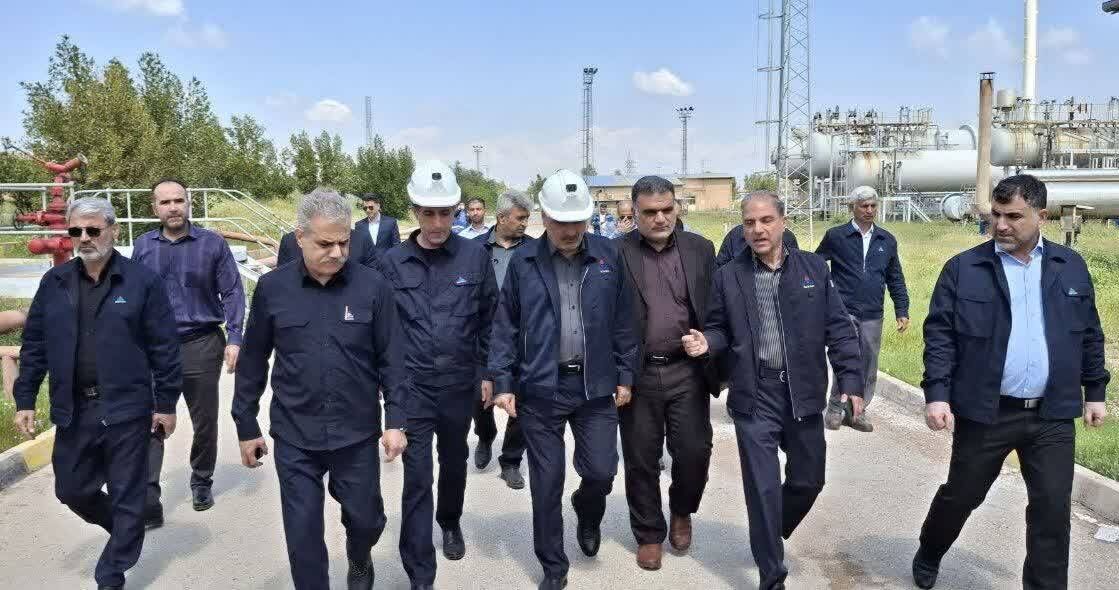
Operational commitment of oil experts ensures production stability
SHANA (Tehran) - The CEO of the National Iranian South Oilfields Company said the expertise, technical knowledge and operational commitment of oil industry employees in confronting technical challenges ensure stability and continuity in ongoing production processes.
-
OPEC Oil Basket jumps 71%, surges $50 amid Ramadan War escalation
SHANA (Tehran) - The price of OPEC’s oil basket (ORB) has surged more than 71%, reaching $120.86 per barrel amid heightened conflict during the imposed Ramadan War.
-

Will the oil market ignite if attacks on Iran continue?
SHANA (Tehran) – A former head of oil studies at the Organization of the Petroleum Exporting Countries says a prolonged closure of the Strait of Hormuz would inflict serious economic damage on oil-consuming nations, while potentially spurring new global investment in oil projects.
-
Fate of black gold: All eyes on the Persian Gulf
SHANA (Tehran) – An energy market analyst said the oil market has been roiled by the US-Israeli attack on Iran, with all attention now focused on the Persian Gulf region and the Strait of Hormuz, through which 21 million barrels of oil and one-fifth of the world's liquefied petroleum gas pass daily.
-
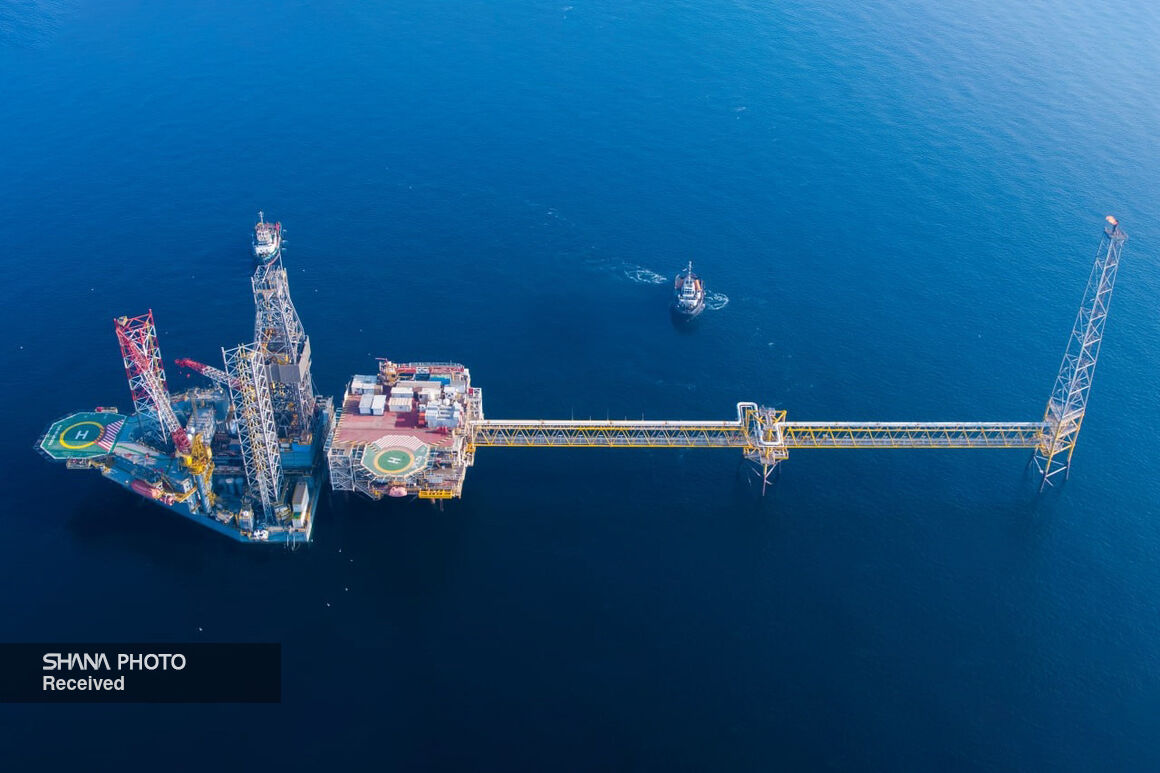
Paknejad: Daily gas production at South Pars hits record 730 mcm
SHANA (Tehran) – Iran’s oil minister said daily gas production at the South Pars joint field reached a record 730 million cubic meters, the highest level since the field began operations.
-
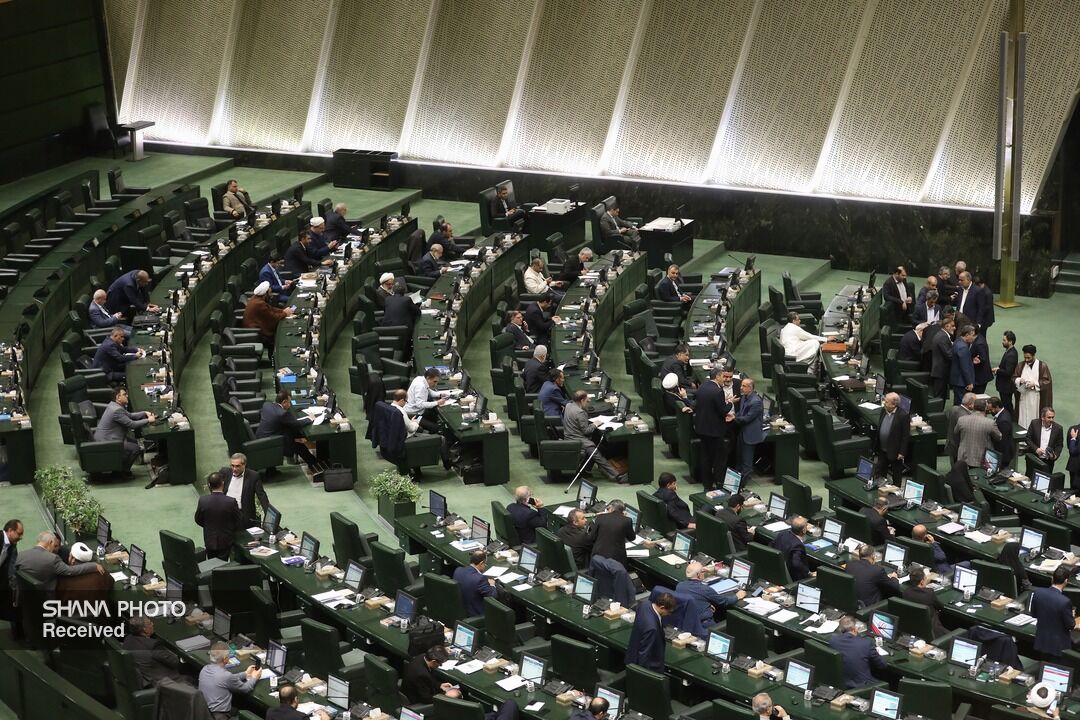
Parliament sets NDF's oil export share at 20%
SHANA (Tehran) – Iran's parliament has set the National Development Fund's share of oil export revenue at 20% in next Iranian year's budget, which begins in March 2026.
-
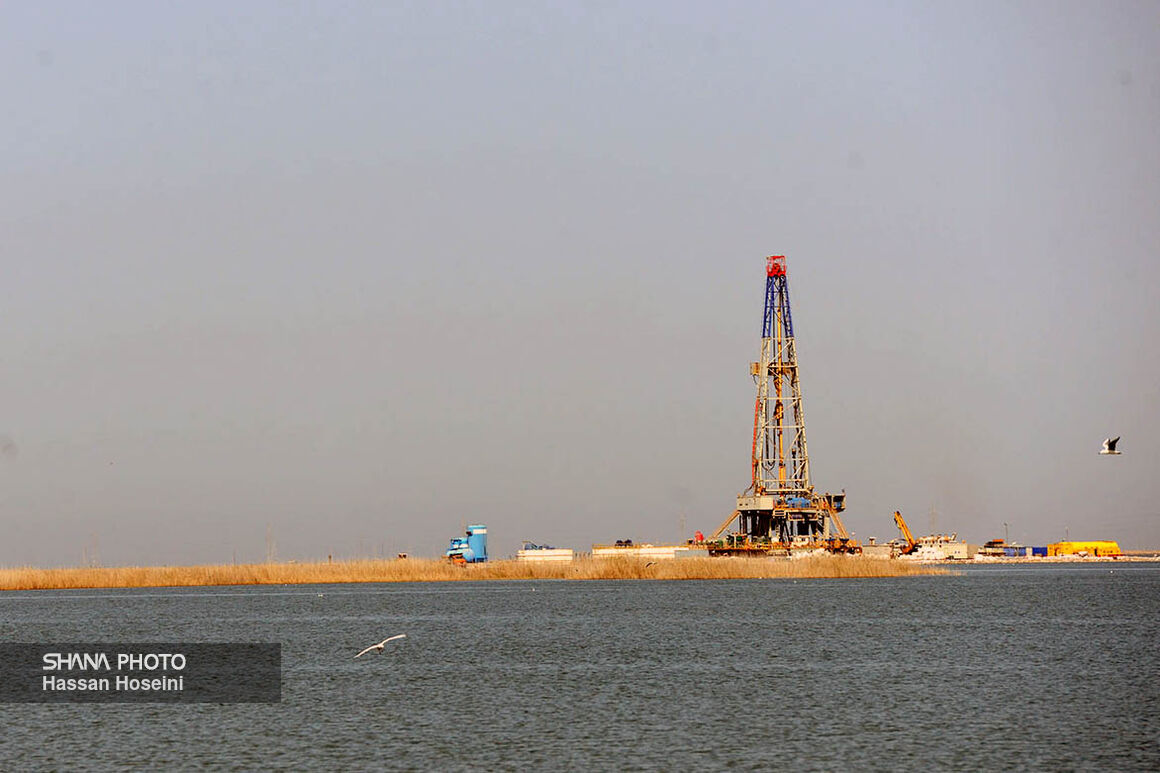
Private sector drives shift in upstream oil investment
SHANA (Tehran) – The National Iranian Oil Company (NIOC) has launched a new approach to upstream oil and gas investment centered on private-sector participation, a senior official said.
-
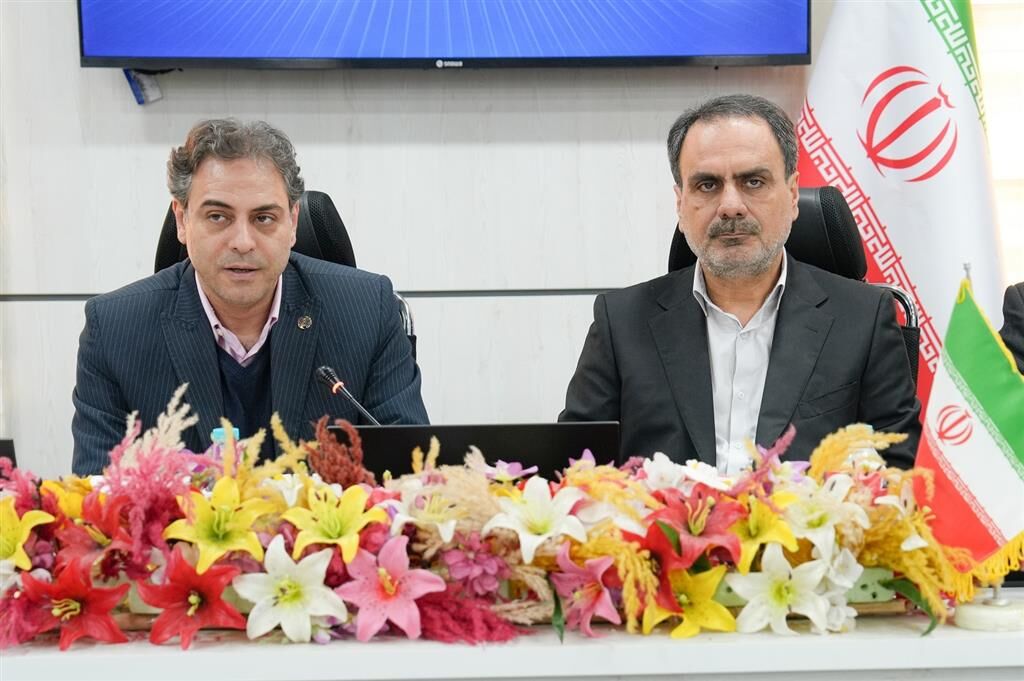
Digital oil field: A step toward smarter decision-making
SHANA (Tehran) - The CEO of the National Iranian South Oilfields Company emphasized the need for the oil industry to move toward data-driven management and intelligent decision-making, saying that in today’s global oil industry, competitive advantage lies not only in production but in data analysis and preventive decision-making. As a result, digitalizing oil fields has become an unavoidable necessity.
-

Oil can help achieve SDG 7
SHANA (Tehran) –Globally, over 666 million people do not have access to electricity. If those without electricity were a country, they would be the third most populous on earth.
-
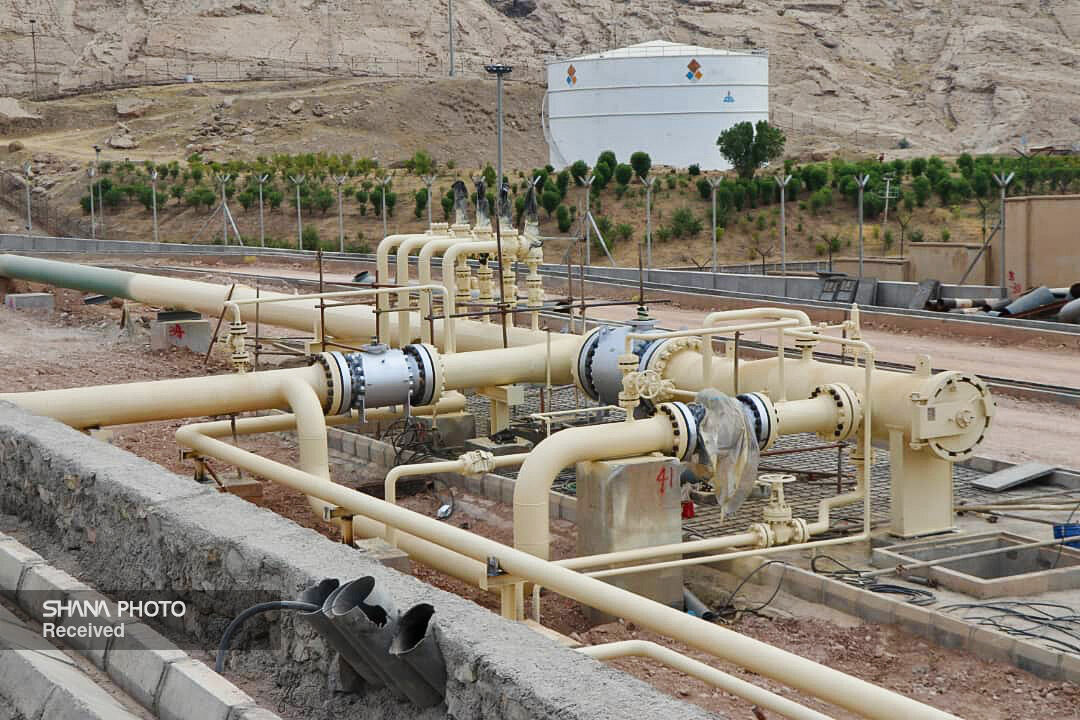
Iran adds 1,000 kilometers to oil, product pipeline network
SHANA (Tehran) – The head of Iran’s Oil Pipelines and Telecommunications Company said the country has added about 1,000 kilometers of new pipelines, bringing the total length of its crude oil and petroleum product pipeline network to 15,000 kilometers.
-
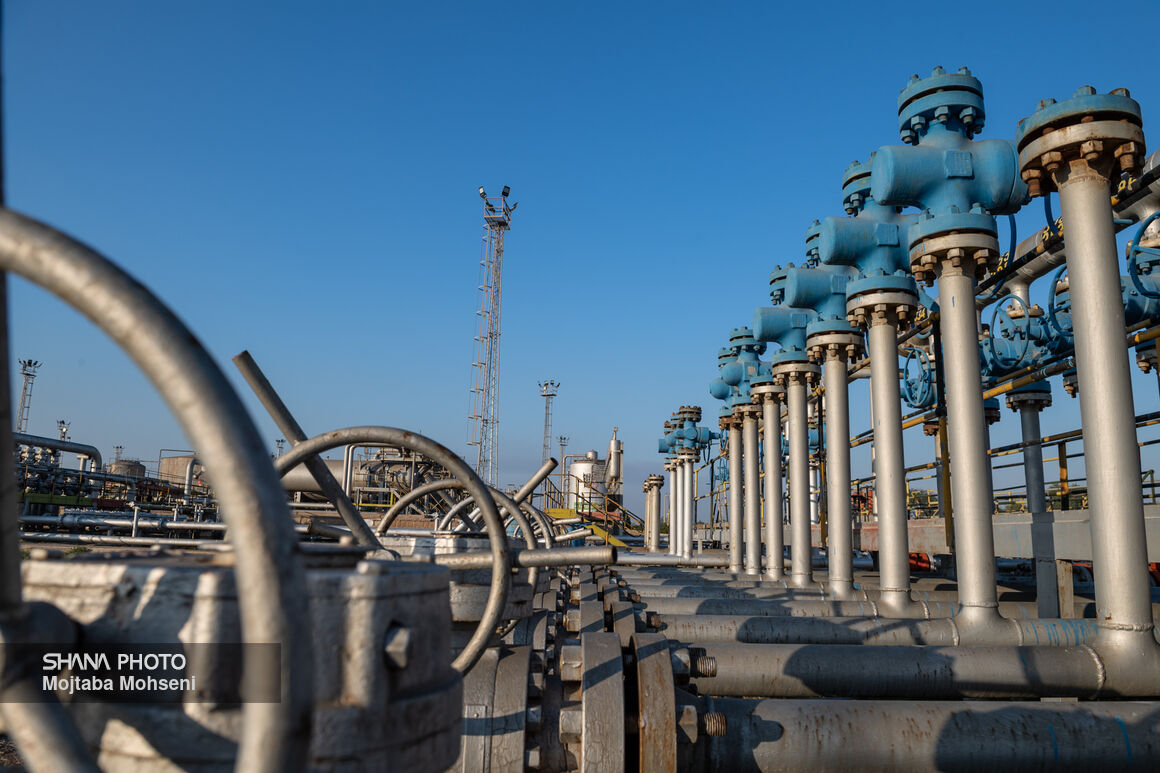
Oil output growth using modern methods on agenda
SHANA (Tehran) – The head of the National Iranian South Oilfields Company said the company’s top priority is producing oil and gas safely and sustainably while fully observing environmental standards, stressing that plans to boost output through modern methods are being pursued in earnest.
-
Eight OPEC+ members agree to continue cautious oil output approach
SHANA (Tehran) – The eight OPEC+ countries, which previously announced additional voluntary adjustments in April and November 2023, namely Saudi Arabia, Russia, Iraq, the UAE, Kuwait, Kazakhstan, Algeria, and Oman met virtually on February 1, 2026, to review global market conditions and outlook, according to opec.org.
-
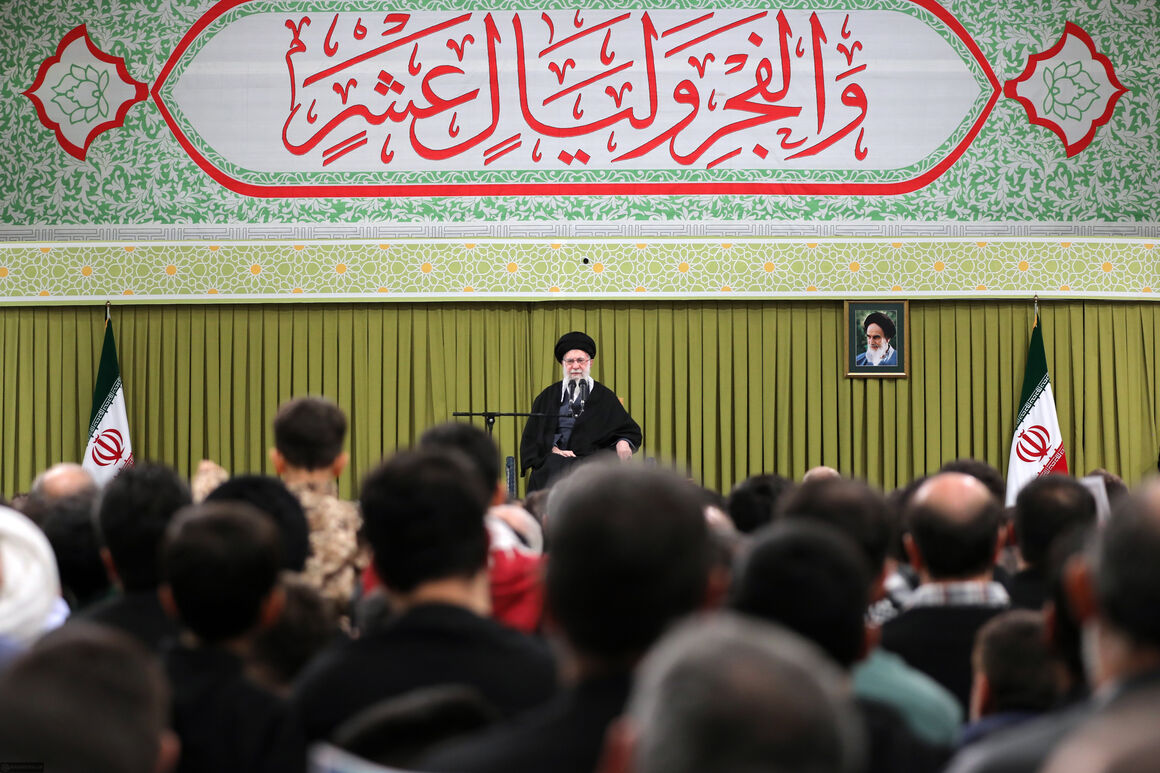
Leader: Greed for oil, strategic dominance fuels US hostility
SHANA (Tehran) – In a pointed address, Leader of the Islamic Revolution Ayatollah Seyyed Ali Khamenei asserted that the primary driver of American animosity towards Iran is a desire to seize control of the nation's vast resources and strategic geopolitical standing.
-
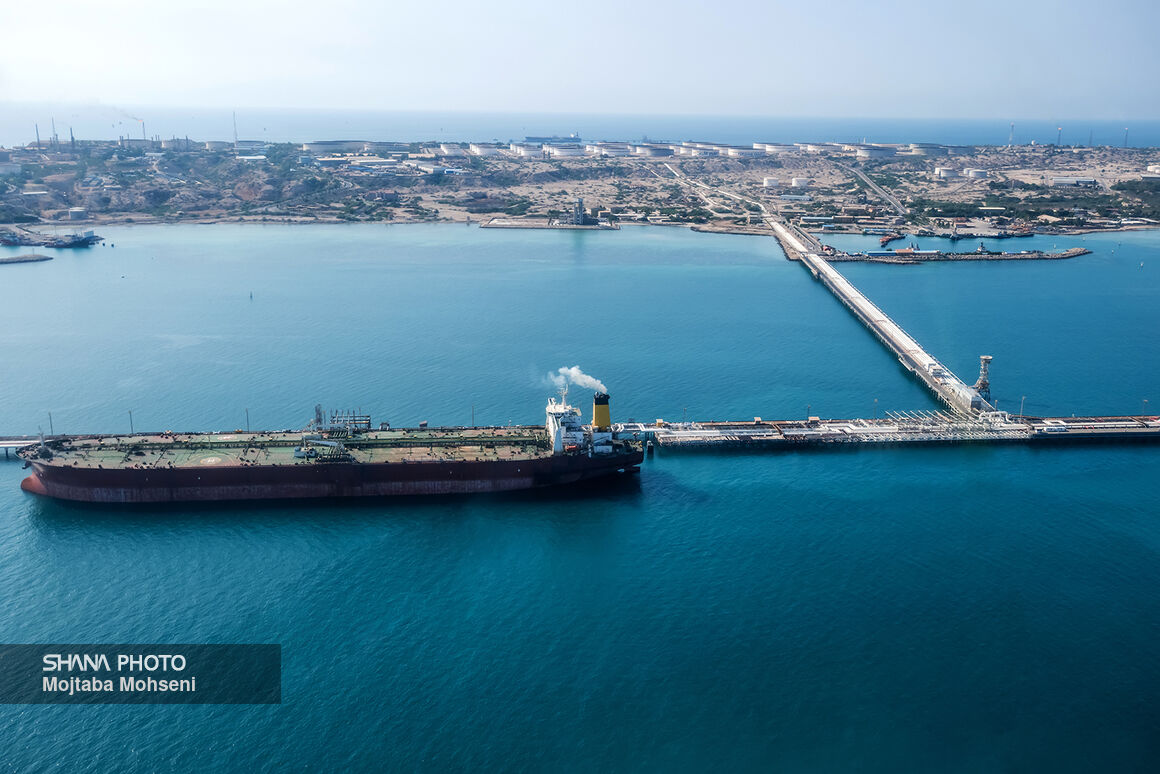
Oil minister dismisses concerns over possible US deals with Tehran’s customers
SHANA (Tehran) – Oil minister said there is no need for concern that the United States, after gaining control of Venezuelan oil, could strike deals with Iran’s long-standing oil customers such as China.
-
OPEC oil basket price rises nearly $2
SHANA (Tehran) – The price of the OPEC oil basket rose by nearly $2 on Thursday (Jan. 29), according to the organization’s secretariat.
-

Growth of crude production, exports in H1 amid economic stagnation
SHANA (Tehran) – Statistics by the Central Bank of Iran (CBI) show a 1.1-percent growth in crude oil production and exports during first six months of the current Iranian year (started March 21, 2025), an indicative achieved amid economic as a 0.6-percent drop registered in growth domestic production of the country.