
The GECF secretariat presented the report on the short- and long-term effects of regional tensions on gas markets at last week's meeting of the forum's executive board in Doha.
The report found that escalating tensions in West Asia in 2026 have exposed the global gas and LNG market to one of the most significant energy security shocks of recent decades.
Regional LNG Exports Decline
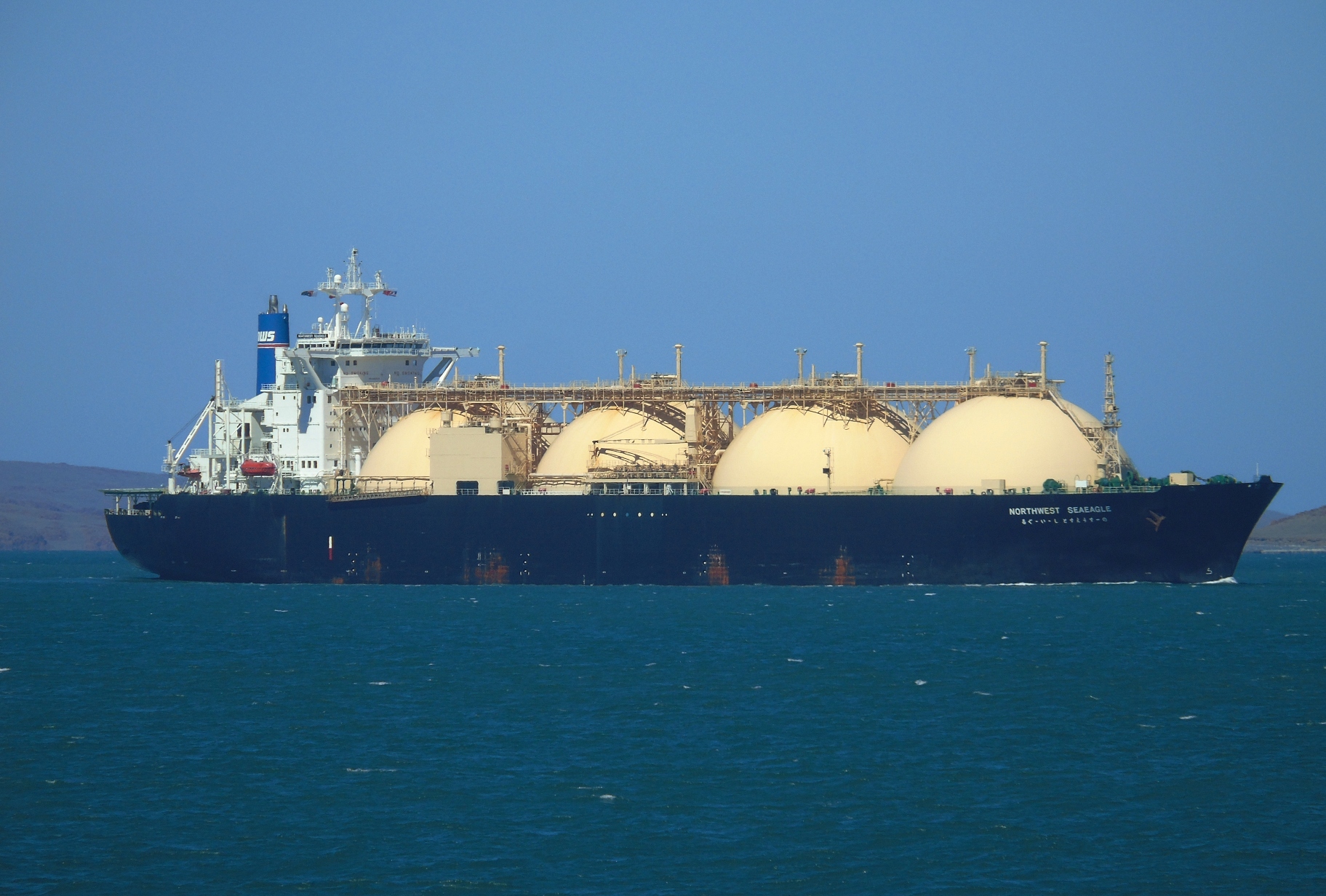
In the short term, falling LNG exports from major regional producers — particularly Qatar and the United Arab Emirates — have reduced global imports of the fuel and heightened competition among buyers, driving up prices in Asia and Europe, the report said.
It warned that regional developments disrupting LNG supply could ripple beyond regional markets, affecting the broader balance of supply and demand in the global gas market.
Structural Shifts Possible Long Term
Over the long term, a prolonged crisis could trigger structural changes in gas markets and shift global energy consumption patterns, the report said.
It also noted that continued instability could deepen the influence of U.S. gas market developments on benchmark prices in Europe and Asia.
The report stressed the importance of factoring future supply and demand outlooks into decisions on new LNG investments, warning that a potential supply surplus in the early 2030s could weigh on the sector's investment decisions.
About GECF
The Gas Exporting Countries Forum is an intergovernmental organization of major natural gas producing and exporting nations, established to strengthen cooperation among members and expand the role of natural gas in the global energy market. Its focus areas include gas supply and demand trends, energy security, LNG market developments and investment outlooks for the gas industry.
The forum's 12 full members are Algeria, Bolivia, Egypt, Equatorial Guinea, Iran, Libya, Nigeria, Qatar, Russia, Trinidad and Tobago, the United Arab Emirates and Venezuela. Angola, Azerbaijan, Iraq, Malaysia, Mauritania, Mozambique, Peru and Senegal hold observer status.
Together, GECF's full members hold 70% of the world's proven natural gas reserves, account for 38% of commercial gas production and 42% of global gas exports, with a roughly 47% share of global LNG exports.
Iran, a founding member of GECF, holds an estimated 34 trillion cubic meters of proven gas reserves — the world's second-largest reserves after Russia. Qatar ranks third, with about 23.8 trillion cubic meters of proven reserves, and exported 107 billion cubic meters of LNG in 2024, cementing its position as a major player in global LNG trade.
Your Comment