
According to NIORDC, the uninterrupted operation of fuel stations, efficient movement of transportation fleets and continuous energy supply during the mass funeral ceremonies were supported by thousands of hours of planning and around-the-clock coordination by employees across the refining and distribution chain, including refineries, the Iranian Oil Pipelines and Telecommunications Company, the National Iranian Oil Products Distribution Company and fuel retailers.
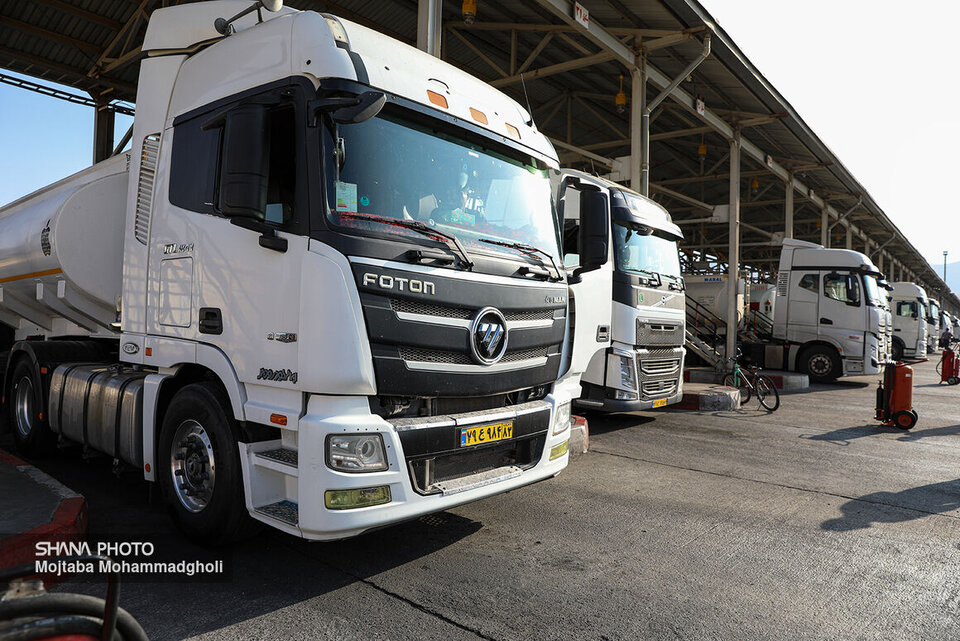
17,000 Fuel Tankers Deployed
A fleet of 17,000 fuel tanker trucks was mobilized nationwide, serving major transportation corridors and high-traffic gathering points. The tankers ensured continuous delivery of petroleum products and played a key role in preventing disruptions to fuel supplies.
Mobile Fueling Units Boost Capacity
NIORDC also stationed 60 mobile fueling units at busy locations to increase fueling capacity, reduce wait times at service stations and speed up refueling operations.
More Than 7,500 Fuel and CNG Stations on Standby
Nearly 5,000 fuel stations and more than 2,550 compressed natural gas (CNG) stations across 37 operating regions remained fully operational throughout the ceremonies. In addition to providing 24-hour fueling services, many stations expanded customer amenities to accommodate travelers.
28m Liters of Diesel Allocated for Public Transportation
To support public transportation, the company allocated an additional 2,000 liters of diesel to each of more than 14,000 intercity buses, totaling nearly 28 million liters.
The emergency allocation supplemented each bus's regular fuel quota, ensuring operators could provide uninterrupted transportation services during the ceremonies.
Fueling Restrictions Eased in 15 Provinces
To accommodate higher fuel demand, authorities eased fueling restrictions in 15 provinces. Personal fuel card limits were increased, restrictions on station-issued fuel cards were relaxed, and replacement smart fuel cards were made available in less than 24 hours to help maintain uninterrupted service.
Refineries Operated at Full Readiness
In the days leading up to the ceremonies, refineries operated at maximum capacity while fuel inventories were increased at major consumption centers and priority regions.
Combined with coordinated fuel transportation, these measures enabled the distribution network to meet peak summer demand without shortages or operational disruptions.
CNG Network Helped Balance Demand
The company also expanded use of its network of more than 2,500 CNG stations to serve the country's more than 4 million dual-fuel vehicles. The strategy helped distribute fuel demand more evenly and reduce pressure on gasoline supplies.
Coordinated National Response
NIORDC said the operation demonstrated the resilience of Iran's fuel supply chain and the effectiveness of coordinated planning across the refining, transportation and distribution sectors. The company said the effort ensured uninterrupted fuel deliveries despite peak demand and reflected the industry's operational readiness during major national events.
Your Comment