
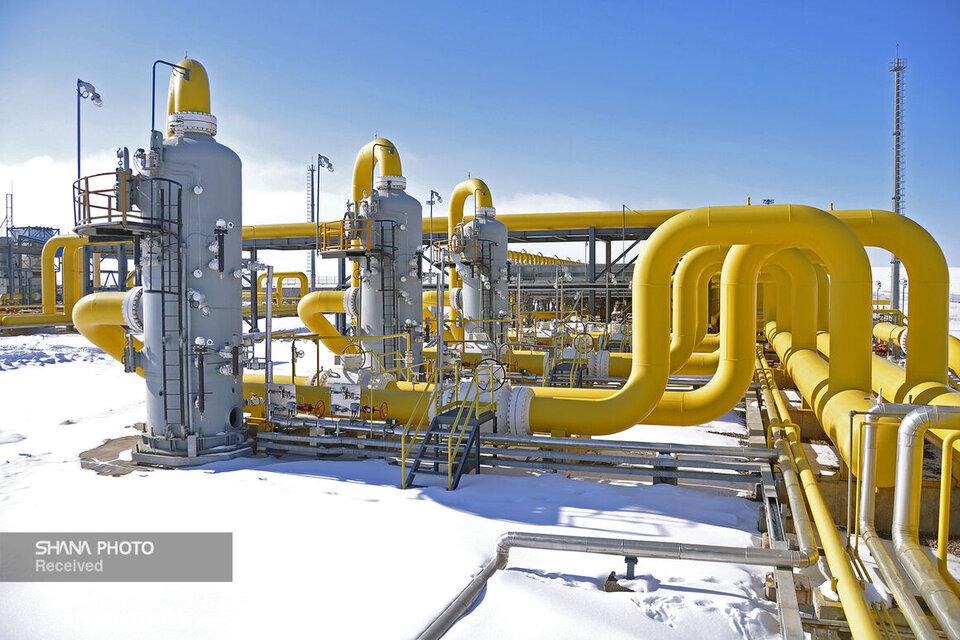
According to the National Iranian Gas Company (NIGC), CEO Saeid Tavakoli said at the 16th Energy Consumption Optimization Management Meeting that 1405 is a particularly sensitive year for Iran's gas sector. He warned that anticipated winter conditions could place additional pressure on the national gas network unless comprehensive planning begins now.
Tavakoli said demand management must become an integral part of day-to-day operations across the gas industry. He stressed the importance of ensuring provincial gas companies are fully prepared for winter, developing operational scenarios and implementing targeted gas consumption optimization programs. Continuous monitoring, precise execution of demand management plans and provincial readiness will be critical to maintaining stable gas supplies during the cold season, he added.
He said energy management objectives can only be achieved if conservation programs are embedded within operational processes rather than treated as standalone initiatives.
Praising the regular optimization management meetings, Tavakoli called for continuous monitoring of all programs and quantitative reporting based on measurable deviations from targets. He said all initiatives should be regularly evaluated to assess their effectiveness.
The NIGC chief also highlighted the importance of knowledge management and sharing best practices among provincial gas companies. Successful experiences should be documented and transferred through specialized working groups so proven approaches can be replicated nationwide, he said.
Tavakoli emphasized the need to improve public awareness of the country's gas production and supply conditions through cultural initiatives and new communication tools. Referring to the Third Imposed War, he said damage to several gas refineries reduced the country's production capacity by 230 million cubic meters per day, warning that the impact extends beyond the production loss itself and affects the stability of the gas distribution network. He said comparative statistics should be presented to help the public better understand the situation.
He also said studies indicate gas consumption is not determined solely by income levels. In some cases, per capita consumption among households in the second through sixth income deciles exceeds that of higher-income groups. As a result, he called for wider adoption of high-efficiency equipment, stricter enforcement of Building Code Chapter 19 on energy efficiency and improved building insulation.
Tavakoli urged greater use of the capacity of energy service companies to improve energy efficiency in buildings occupied by households in the first five consumption deciles. Upgrading consumption infrastructure, optimizing equipment and implementing technical standards can significantly reduce gas use and lower consumer costs, he said.
He also stressed the importance of implementing Chapter 22 of Iran's National Building Regulations, calling for maintenance checklists to be developed, lessons from leading provinces to be adopted and implementation to be accelerated.
The NIGC chief called for stronger oversight of provincial operations, including reports on efforts to combat gas theft, field inspection results and verification of completed measures. He said provincial gas company executives should make inspections of city gate stations (CGS), boiler rooms and other gas facilities a routine practice.
Tavakoli also instructed 11 affected provinces to prepare and present their operational scenarios through specialized videoconference sessions. The plans will then be evaluated through field inspections, including reviews of operational procedures, emergency scenarios, tests and drills.
He concluded by calling for integrated reporting on carbon and energy management and urged managers to closely monitor the implementation of energy service company projects while taking full advantage of incentives available under Iran's Seventh National Development Plan and Cabinet approvals to expand energy efficiency initiatives.
Your Comment