
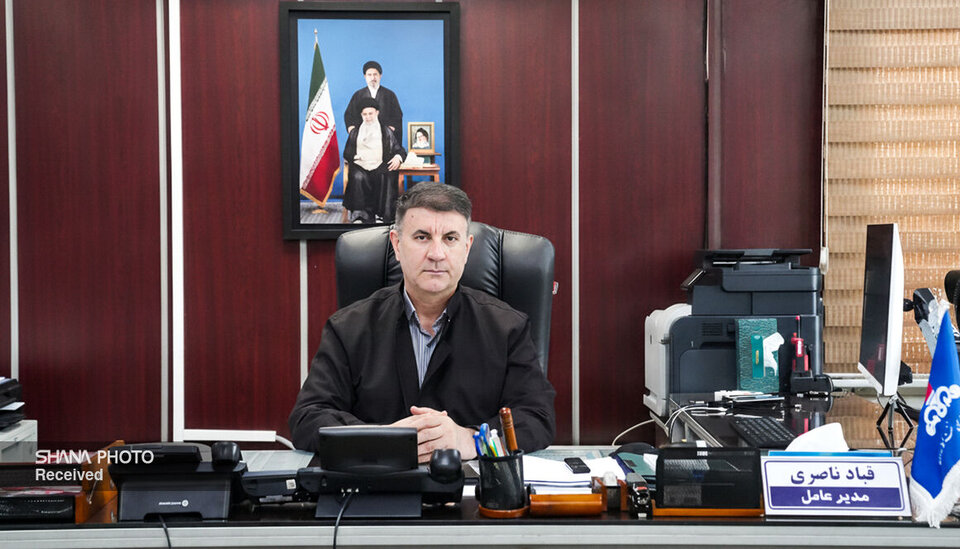
According to Qobad Naseri, managing director of Marun Oil and Gas Production Company, the station was unable to resume full operations after a major overhaul completed in September last year. Repeated surge events and instability in the second and third compressor trains limited the facility to processing only about 10 million cubic feet of first-stage gas per day.
Naseri said technical teams from the company's process engineering, maintenance and gas compression operations departments conducted extensive studies to identify the root cause of the problem. Their investigations determined that the compressors were experiencing “false surge” conditions caused by a reduction in the molecular weight of incoming gas. This led to lower wellhead flow pressure and diverted a significant portion of production to the second-stage separation process.
To address the issue, a joint technical task force involving experts from Marun Oil and Gas Production Company and the National Iranian South Oilfields Company was established to review the compressors’ performance curves and surge control parameters.
Following a series of technical workshops, engineering studies and field tests, the team successfully developed a new compressor performance curve and surge control line and implemented the modifications through the station’s control system.
The project enabled the Bangestan gas pressure-boosting station to return fully to service with two active compressor trains, restoring its operational capacity and improving production performance.
Naseri described the achievement as a clear demonstration of the oil industry's ability to solve complex technical challenges through domestic expertise, operational experience and collaboration among specialists.
Among the project's key results, he cited the recovery of an additional 10 million cubic feet of gas per day, increasing total gas collection to about 20 million cubic feet daily from flare gas streams across the first, second and third processing stages. The initiative also reduces environmental pollution and prevents the loss of valuable hydrocarbon resources.
Naseri noted that the foreign manufacturer of the equipment had declined to provide technical support in recent years because of sanctions. Despite those limitations, Iranian specialists independently developed the expertise required to redesign the compressor performance curves and optimize the surge control system.
He said the accomplishment represents another successful example of technology localization in Iran's oil industry, strengthening operational resilience, reducing dependence on foreign support and helping mitigate the impact of sanctions.
Your Comment