
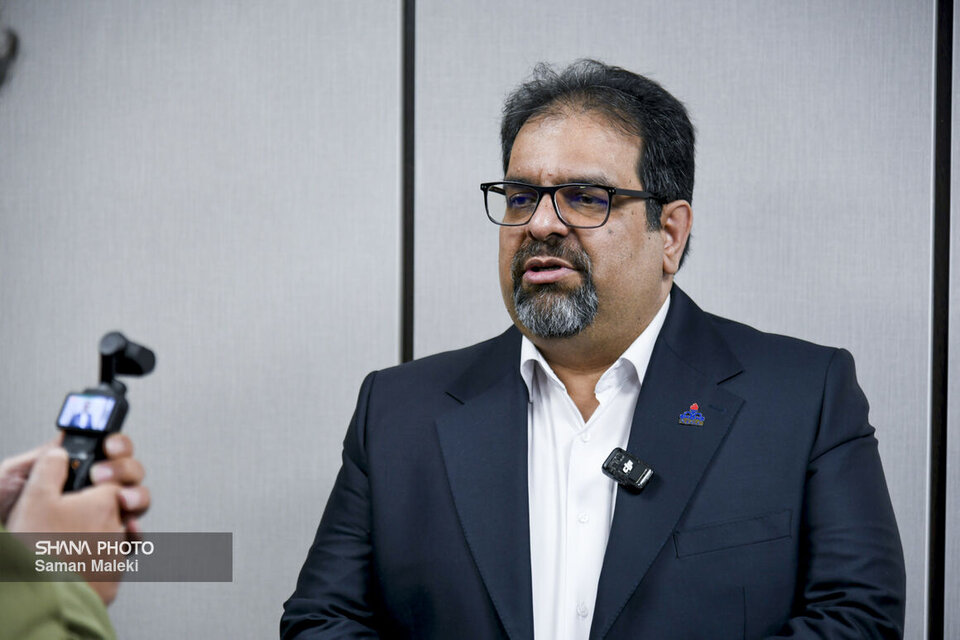
Saeid Tavakoli said Iran has experienced a long-standing gas supply-demand imbalance in recent years, with shortages reaching 250 million to 300 million cubic meters per day on some days. He noted that chronic imbalances, combined with reduced production capacity resulting from war-related damage, have intensified pressure on the country’s gas network and made management more challenging.
Tavakoli said public participation and adherence to efficient consumption practices are among the most important tools for managing the national gas network. He stressed that optimizing energy use during the winter months is currently the most effective way to mitigate imbalances and reduce demand, alongside longer-term infrastructure improvements.
The CEO of the NIGC said that 75% to 80% of the country’s energy consumption, including natural gas, occurs in the residential and commercial sectors during cold-weather periods. As a result, he said, these sectors offer substantial opportunities for improving efficiency and lowering consumption.
Tavakoli added that a review of energy consumption trends in 170 countries over the past two decades places Iran among the six largest energy consumers. To address the issue, he said the National Iranian Gas Company has expanded the use of energy service companies signing 80 contracts with such firms to date.
Asked whether a targeted 7% reduction in energy consumption through these companies is achievable, Tavakoli said international experience suggests the goal is attainable if implemented properly. He added that the 7% target represents a minimum estimate and could be exceeded if all stakeholders fully understand and effectively carry out their responsibilities.
Tavakoli described the use of energy service companies as a proven international approach to reducing both energy consumption and energy intensity through a combination of cultural, educational and infrastructure-based measures.
Your Comment