
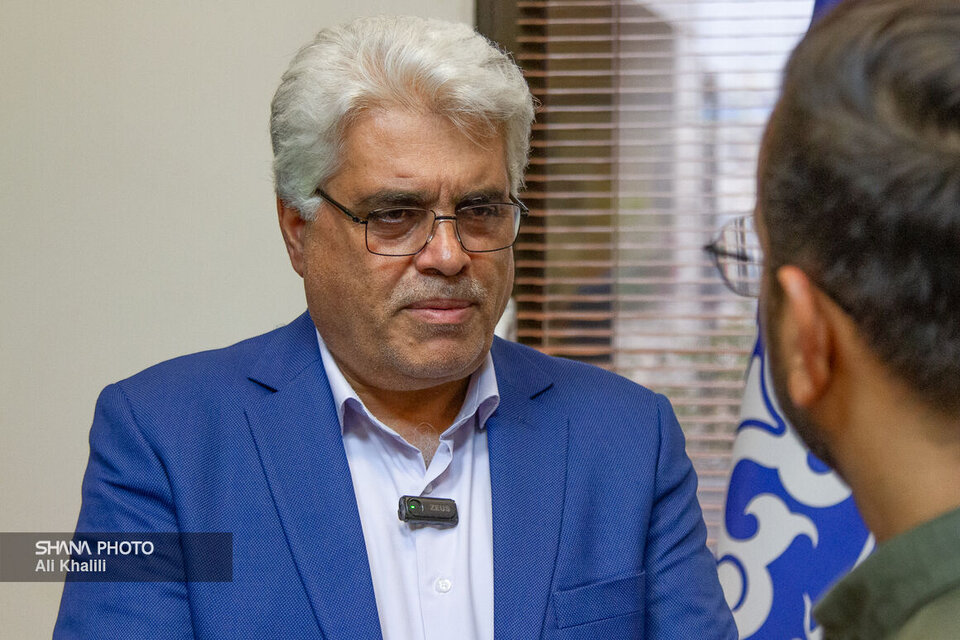
Keramat Veis-Karami said Iran’s average daily gasoline consumption since the start of the Iranian year 1405 has reached about 124 million liters per day, down nearly 3% from 128 million liters during the same period last year. He attributed the decline partly to growing public awareness of fuel conservation.
Veis-Karami stressed that fuel management has become increasingly important amid recent wartime conditions and pressure on the country’s energy sector. He said consumption control should extend beyond gasoline to include diesel, kerosene, liquefied petroleum gas (LPG) and fuel oil.
He described fuel management as the optimal use of energy based on real needs and urged motorists to reduce unnecessary travel, limit single-occupancy vehicle use and rely more heavily on public transportation, particularly in major cities.
The NIOPDC chief praised public cooperation during sensitive periods, including recent military conflicts, saying citizens helped maintain uninterrupted fuel distribution across the country through patience and responsible consumption.
Veis-Karami also identified compressed natural gas (CNG) as a strategic alternative to gasoline. Iran currently operates more than 2,500 CNG stations and has about 4 million dual-fuel vehicles. While the country’s daily CNG distribution capacity stands at 35 million cubic meters, only about 15 million cubic meters are currently consumed, leaving significant unused capacity that could replace gasoline demand.
He encouraged taxi drivers, pickup operators and other dual-fuel vehicle owners to maximize CNG use and noted that programs to convert gasoline-powered vehicles to dual-fuel systems are continuing, with some conversions offered free of charge.
The official also highlighted the success of diesel consumption management programs implemented in 1404, which reduced diesel use by more than 1.5 billion liters and eliminated the need for diesel imports, saving the country an estimated $1 billion in foreign currency.
Veis-Karami further called for wider use of personal smart fuel cards instead of emergency station cards, noting that emergency card usage has fallen from more than 40% of transactions to about 25% following recent reforms. He added that authorities are preparing pilot programs in Tehran to track emergency fuel card transactions in an effort to prevent misuse and strengthen fuel consumption oversight.
Your Comment