
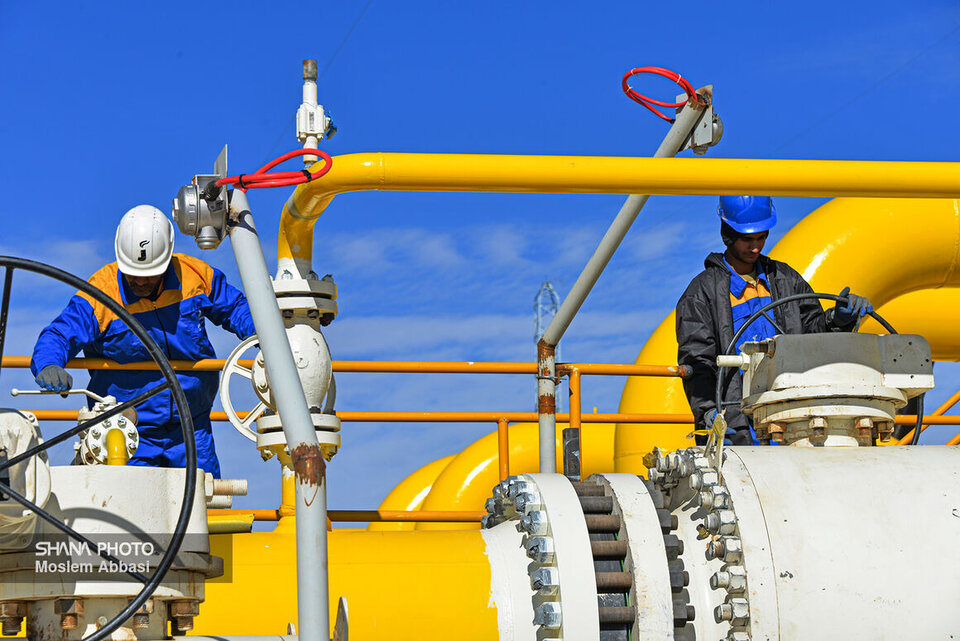
Peyman Khazraei, describing the national gas transmission network, stated: "The national gas transmission network, utilizing over 40,000 kilometers of high-pressure gas pipelines, 95 pressure boosting stations with 351 compressor units, 62 pipeline operation centers, and a comprehensive telecommunications network, plays a vital role as the massive intermediate link between refining operations and gas distribution in the natural gas supply value chain, transferring gas from production sources to consumption destinations across the country."
Referring to the transfer of about 207 billion cubic meters of gas in the first nine months, Khazraei added the following regarding winter preparations: "Key measures for a safe and stable passage through the peak gas consumption days this winter included 45 planned activities and repairs on pipelines, 43 gas turbine repairs at pressure boosting stations, leakage surveys on over 39,200 kilometers of pipelines, replacement of 24,700 square meters of pipeline coating, gas injection and commissioning of 724 kilometers of new pipelines, and increasing transmission capacity at the Ramsar facility using the company's domestic capabilities and personnel to improve conditions in the northern regions."
The IGTC managing director detailed repairs on 1,110 points along national and main gas pipelines, emphasizing: "Repairs were executed on over 610 priority points on the first, second, third, fourth, eighth, and tenth national trunk lines based on smart pigging reports in operational regions 2, 3, 5, 9, and 10. Additionally, repairs were completed on over 500 high-risk points on 40-inch gas export pipelines, and on pipelines in Tehran, Neka, Rasht, and Ramsar in operational regions 3, 8, and 9."
Operational Staff on Standby and Increased Work Shifts
Khazraei cited human resources as the organization’s valuable assets, saying: "With the onset of the cold season and increased gas consumption in the country, necessary preparations for maximum sustainable utilization of the national gas transmission network were prioritized. By placing all operational staff on standby and increasing work shifts for repair teams in operational regions, any potential issues will be resolved in the shortest possible time to maintain network stability."
He stated: "Currently, the most significant challenge in meeting the country's gas requirements is the imbalance between consumption and production. Maximizing conservation in the use of energy resources greatly contributes to optimal gas consumption and distribution, allowing us to benefit from this divine blessing."
The managing director of the IGTC requested all citizens cooperate and participate effectively by optimizing their use of natural gas and practicing conservation to help create the conditions for delivering necessary gas to household, commercial, industrial, and power plant consumers.
Your Comment