
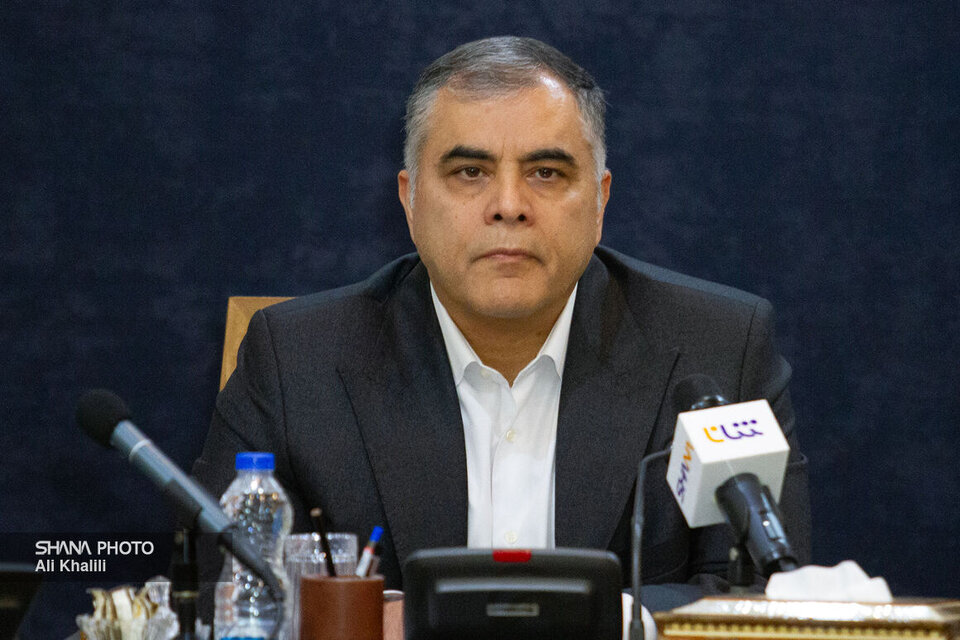
Mohsen Paknejad made the remarks Wednesday at a meeting with petrochemical industry stakeholders marking National Petrochemical Industry Day. He said the session was productive and raised important, practical issues, adding that a structured framework could help turn such interactions into effective solutions for challenges facing the sector.
Referring to the country’s current conditions, Paknejad said the situation requires special support for productive sectors of the economy.
Impact on currency markets
Paknejad said the sensitivity surrounding petrochemical companies’ foreign exchange obligations highlights the sector’s significant influence on currency markets and other key economic indicators.
Given the industry’s sizable contribution to gross domestic product, employment and value-chain development, he said its issues should be prioritized and addressed. He added that many matters within the Oil Ministry’s remit — including feedstock supply, pricing and pricing mechanisms — are solvable and will be reviewed and followed up by the ministry’s deputy for planning.
Feedstock pricing and energy imbalance
The oil minister said it is unrealistic to expect a profitable industry to rely indefinitely on feedstock rents to ensure profitability. He called for a gradual move toward realistic feedstock pricing while preserving the industry’s viability.
Much of the discussion around industry, he said, stems from the country’s energy imbalance. Addressing that imbalance will require time and substantial financial resources, and resolving it within a year is not realistic. While some industrial activity has slowed or halted, Paknejad said household and commercial gas supplies must not be cut.
Joint task force proposed
Paknejad said petrochemical companies can contribute by investing in gas field development, noting that any additional gas production would count toward their share — a significant advantage given the government’s focus on easing energy imbalances.
He proposed forming a joint task force led by the oil minister’s planning deputy and including petrochemical representatives to monitor issues continuously and elevate some challenges to the government level.
Paknejad also emphasized the sector’s role in corporate social responsibility, noting the president’s particular focus on education. He called on petrochemical companies to cooperate in advancing educational initiatives, saying improvements in education benefit the entire country.
Flaring reduction
Paknejad said petrochemical companies have played an effective role in collecting associated gas from flares, delivering tangible results. He called the sector’s efforts the most valuable actions taken so far in this area and said they should be expanded, adding that relatively modest investments can yield meaningful gains by reducing losses.
Your Comment