
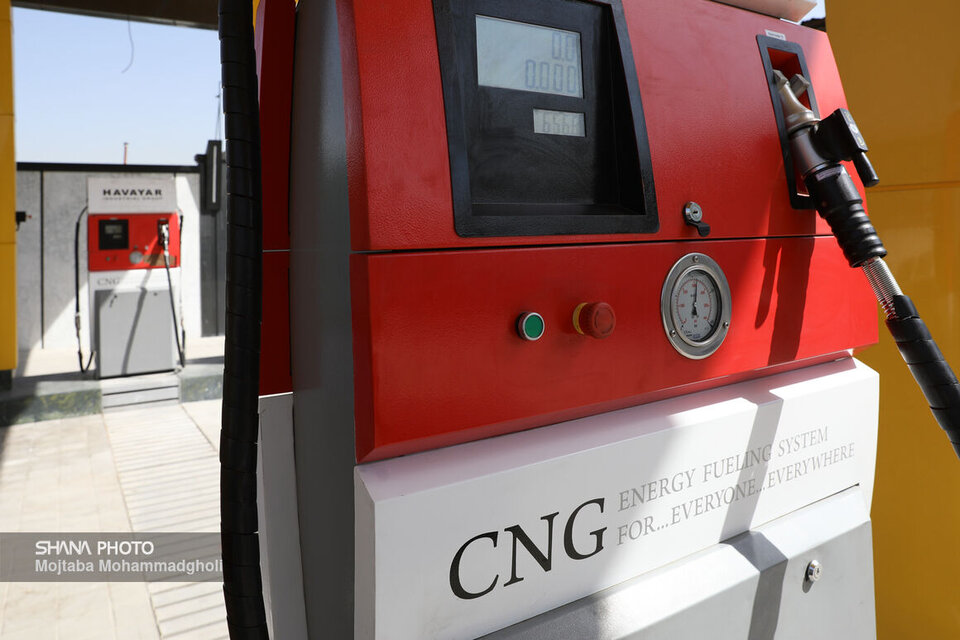
Fat’hollah Hosseini said the free conversion program, particularly for public vehicles, taxis and transportation fleets, was a defensible measure that could shift part of gasoline consumption to CNG and reduce pressure on the country’s foreign-exchange resources needed to supply fuel.
“The main issue today is not just fuel and energy production, but managing and reforming consumption patterns,” he said. “If high-consumption vehicles continue operating and the share of alternative fuels does not increase, even higher refining capacity will not be able to meet growing demand in the long run.”
Hosseini said diversifying the fuel mix is a national and economic necessity, adding that Iran should not rely solely on gasoline to meet the growing needs of its vehicle fleet.
“Targeted use of CNG, development of fuel-efficient and electric vehicles, modernization of the transportation fleet and improving energy efficiency should be on the agenda,” he said.
The lawmaker stressed that temporary measures cannot resolve the country’s fuel imbalance.
“Responding to rising consumption every year simply by increasing gasoline production is not a sustainable policy,” Hosseini said. “Alongside boosting production, we must manage consumption. This is where diversifying the fuel mix and converting vehicles to dual-fuel systems become important.”
Your Comment