
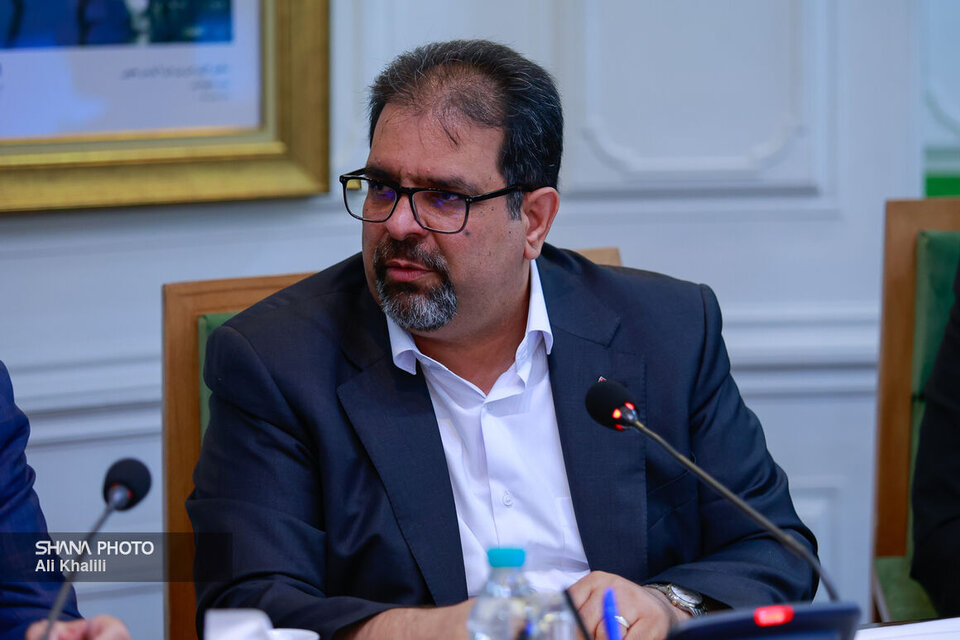
Saeid Tavakoli made the remarks Wednesday evening, Sept. 9, addressing the country's winter gas supply outlook. He said one of the most persistent challenges each cold season is the shift in consumption patterns toward the residential and commercial sector.
That shift is natural, Tavakoli said, as demand moves toward homes and businesses during severe cold snaps. But he noted that gas refining capacity in Assaluyeh was damaged by enemy strikes on March 18 of last year and again during the third imposed war, making consumption management essential heading into winter.
Tavakoli said the Oil Ministry has taken steps to restore much of the lost capacity before the cold season begins. Still, he warned that Iran faces a significant supply gap built up over many years, and because some equipment and facility repairs take time, an unusually severe winter would undoubtedly strain the stability of the gas network.
Natural gas accounts for 73 percent of Iran's energy mix, Tavakoli said, which is why a one-degree reduction in indoor temperature nationwide could free up gas equivalent to a full South Pars phase.
He said comfortable and efficient winter indoor temperatures fall between 18 and 21 degrees Celsius, a range he described as consistent with international research showing the human body can adapt to it without difficulty.
Tavakoli pointed to several measures that could cut household and building gas consumption by 70 to 80 percent in winter: installing double-glazed windows, closing cooler vents, sealing gaps that allow heat exchange, properly tuning burners and boiler-room systems, and complying with national building code Section 19.
He said Iran ranks among the highest in the world for energy intensity — a problem not limited to gas — and that heavy residential gas use forces industries and power plants to rely on costlier liquid fuel alternatives. Some industries, he added, are forced to shut down entirely during peak cold periods.
That reliance carries economic costs, Tavakoli said, along with job losses and environmental damage, including ecosystem warming linked to fossil fuel emissions.
Without proper consumption management this winter, Tavakoli said, Iran will face difficulties — but he expressed confidence that disciplined use in the residential, commercial and light industrial sectors would help the country get through the season.
About 76 percent of Iran's gas production takes place offshore and in the country's southern regions, he said, adding that despite the damage inflicted on the gas network during the 12-day war and the third imposed war, staff are working to overcome the challenges.
Your Comment