
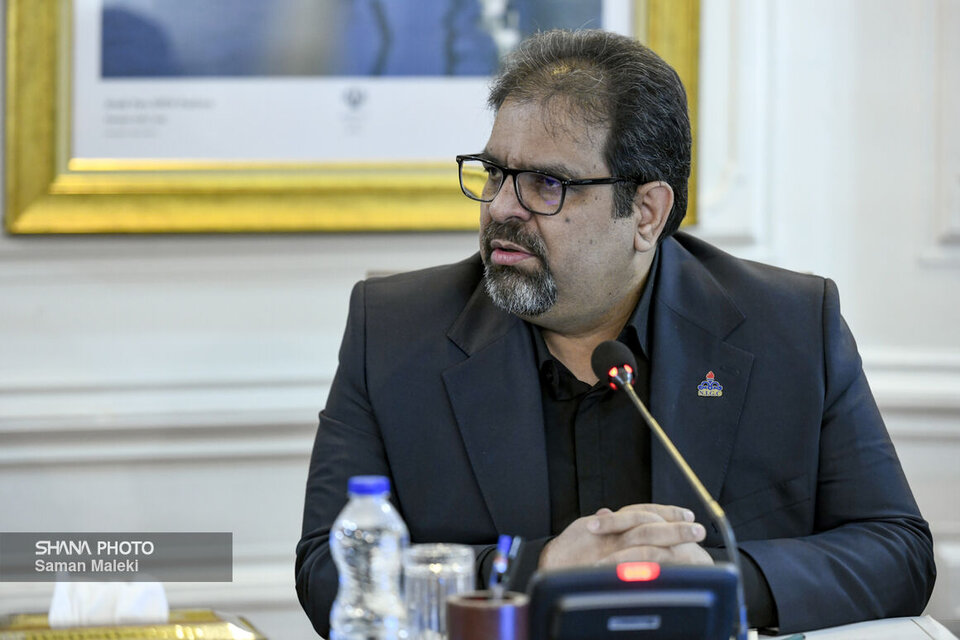
According to the NIGC, Saeid Tavakoli said at a meeting on July 12 focused on winter fuel management that the company has identified three strategic priorities for the year: reducing energy consumption through efficiency measures, restoring and rebuilding infrastructure damaged by recent incidents, and expanding smart technologies across the gas sector. He said hundreds of projects and subprojects are underway to support those goals.
Tavakoli said an attack on gas facilities on March 17 temporarily removed 230 million cubic meters of daily gas production capacity from the network. He described the incident as a "gas Chernobyl" but said coordinated action by the Oil Ministry, operational changes to the gas transmission network, refinery preparedness, compressor stations and around-the-clock efforts by gas industry workers maintained network stability and prevented secondary incidents.
He said ensuring reliable energy supplies during winter is not solely the responsibility of the National Iranian Gas Company, emphasizing that success depends on coordination among government agencies, regulatory bodies, energy committees and public cooperation in reducing consumption.
Tavakoli said natural gas now accounts for 73% of Iran's energy mix, while more than 80% of the fuel used by the country's thermal power plants comes from natural gas. He said improving energy efficiency and promoting more responsible consumption must become national priorities.
He said increasing production alone will not resolve the country's energy imbalance. Instead, the company plans to expand the use of energy service companies, deploy additional smart technologies, strengthen monitoring of major consumers, combat gas theft and adopt new technologies to improve efficiency and demand management.
Tavakoli also called for greater involvement from regulatory agencies, public relations offices, media organizations and civil society groups to promote energy conservation. He said effective planning, institutional coordination and broad public participation can help maintain a stable gas network throughout the winter.
Speaking in a televised interview, Tavakoli said proposed demand management measures, if approved and implemented, would help reduce the impact of winter fuel shortages on residential and commercial consumers.
He added that public awareness campaigns will play a key role in reducing household gas and electricity consumption. He said communication platforms and network operators should encourage energy conservation, while high-consumption customers should be made more aware of the consequences of excessive energy use.
Your Comment