
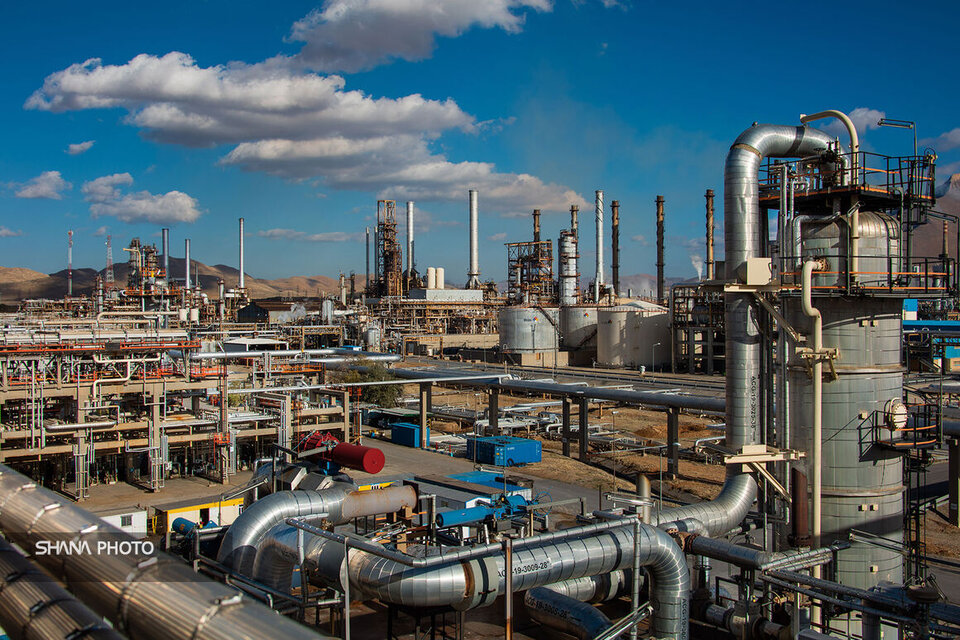
Siamak Tavousi, director of operations coordination and supervision at the National Iranian Oil Refining and Distribution Company (NIORDC), said the initiative is intended to evaluate whether these privately owned facilities can process crude oil instead of gas condensate.
According to Tavousi, most mini-refineries were established during the 2010s to process surplus gas condensate before the startup of the Persian Gulf Star Refinery. However, changes in the country’s feedstock balance and the prioritization of condensate supplies for major refineries and petrochemical plants have left little surplus available for smaller units.
He said the current call is only the initial self-declaration and capability identification phase. Participating companies are required to provide detailed information on logistics, furnace conditions, storage capacity, safety systems and environmental compliance.
Tavousi noted that many mini-refineries claim they can process crude oil, but crude refining requires specialized equipment, including desalting units, dedicated furnaces and treatment systems that are absent from most facilities.
After reviewing the submissions, NIORDC will determine which units have the technical and economic capacity to handle crude oil and will submit the findings to relevant authorities for decisions on future feedstock allocation.
He stressed that the initiative is aimed at supporting private-sector investors and preventing production stoppages rather than addressing national fuel supply needs.
Tavousi emphasized that fuel production at Iran’s major refineries continues at maximum capacity and that fuel storage and distribution across the country remain stable. Even if all qualified mini-refineries participate, their combined capacity is expected to reach only about 20,000 barrels per day, a small fraction of Iran’s overall refining output.
Your Comment