
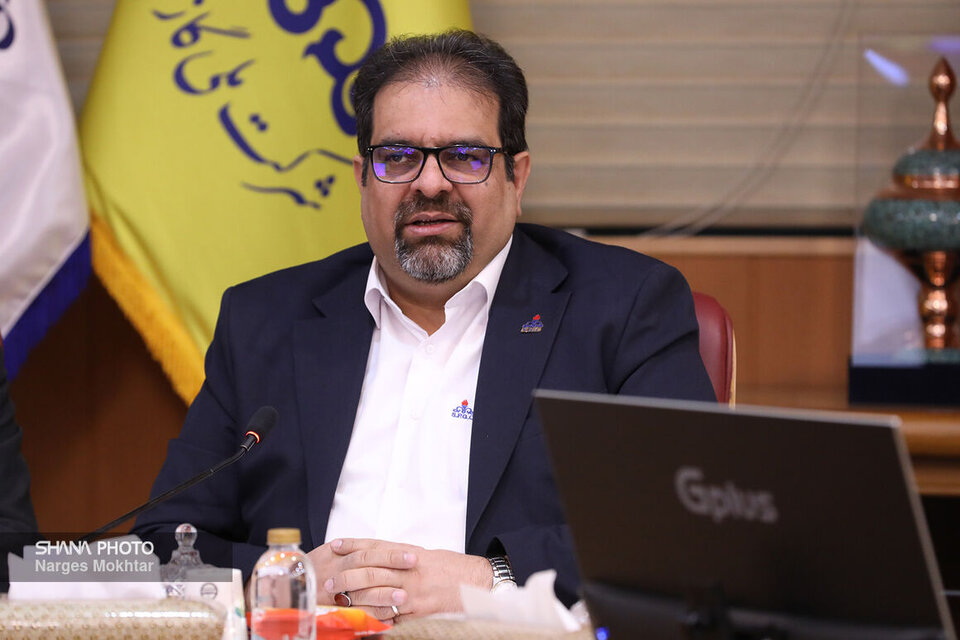
According to the National Iranian Gas Company, CEO Saeid Tavakoli made the remarks Tuesday at the 12th Winter Fuel Coordination Meeting for the winter of 1404. He stressed the need for a nationwide perspective in managing energy consumption, saying transparency and trust-building must be the core objective and can only be achieved over time through a national, honest approach rather than narrow, sectoral thinking.
Referring to an expected drop in temperatures in the coming days and rising gas demand in the residential and commercial sectors, Tavakoli said the national gas network cannot tolerate isolated or discretionary decisions. In prolonged cold conditions, he said, uncoordinated provincial actions could disrupt the balance of the national gas network, making strict and uniform enforcement of dispatching restrictions across the country unavoidable.
The deputy oil minister for gas affairs said colder weather is expected to persist, particularly in western provinces and the central plateau. While each province has its own characteristics and requirements, he said the key is providing governors with accurate, transparent and realistic information to support sound decision-making.
Building trust is the first step
Tavakoli said building trust is the first step toward effective gas consumption management, noting that trust is only effective when formed over the long term. Sustainable trust, he added, can only be achieved through a national outlook and not through short-term or sector-based measures.
Citing operational experience within the company, he said last year’s lessons and efforts have been fully incorporated into planning for this year. Although some may view this winter’s cold as less severe, official data show the country’s average temperature to date is about 1.5 degrees Celsius lower than the same period last year.
The direct result of lower temperatures, Tavakoli said, has been higher gas consumption in residential, commercial and small industrial sectors. Consumption through Dec. 29 was about 34 million cubic meters higher than the same period last year, a significant increase that requires precise, coordinated and smart management of the national gas network to ensure stable supply.
Public and industrial cooperation urged
Tavakoli also emphasized the importance of regular inspections and monitoring, particularly within government agencies, saying they should be carried out accurately and in line with Cabinet approvals. Reporting inspection results to senior officials and their direct involvement, he said, would send a clear message to the public that reform and oversight begin within the government.
Referring to a Supreme Energy Council resolution requiring major industries to diversify their energy mix and improve energy efficiency annually, he said large industries are expected to contribute an average annual improvement of 1% to 2% in energy efficiency. These obligations, however, have not yet been fully met.
Tavakoli called on citizens to help reduce gas consumption by taking simple steps, including setting heating systems at moderate temperatures, wearing warmer clothing indoors, turning off heaters in unused spaces, ensuring the safety and efficiency of heaters and radiators, and preventing heat loss by sealing doors and windows.
Your Comment