
Responding to a question about the fast-track oil output increase plan, Oil Minister Mohsen Paknejad said the initiative aims to raise production by 250,000 barrels per day with a $3 billion budget. The funding is expected to come from the National Development Fund, he said, noting that only a small portion has so far been allocated to the National Iranian Oil Company, IRNA reported.
He said the fast-track program is progressing as planned. “We have identified the fields that will supply the additional production, and the timeline extends to late next year to reach the target level,” he said.
Asked about progress in developing shared and border oil fields, Paknejad said boosting production from such fields has always been a priority. He added that planning has been completed and relevant projects are being pursued.
Pressure-Boosting Needed as Natural Decline Nears
Detailing the implementation of the South Pars pressure-boosting plan, Paknejad reiterated its strategic importance. “As you know, according to expert assessments, the field will begin losing output annually in the coming years because of pressure loss,” he said.
He noted that the contract for the project was finalized in March 2025. The companies responsible for carrying out the work—organized into seven hubs—have been selected. Some aspects of the project are being undertaken for the first time in Iran, he said, adding that the country will need to draw on the expertise and capabilities of several foreign partners.
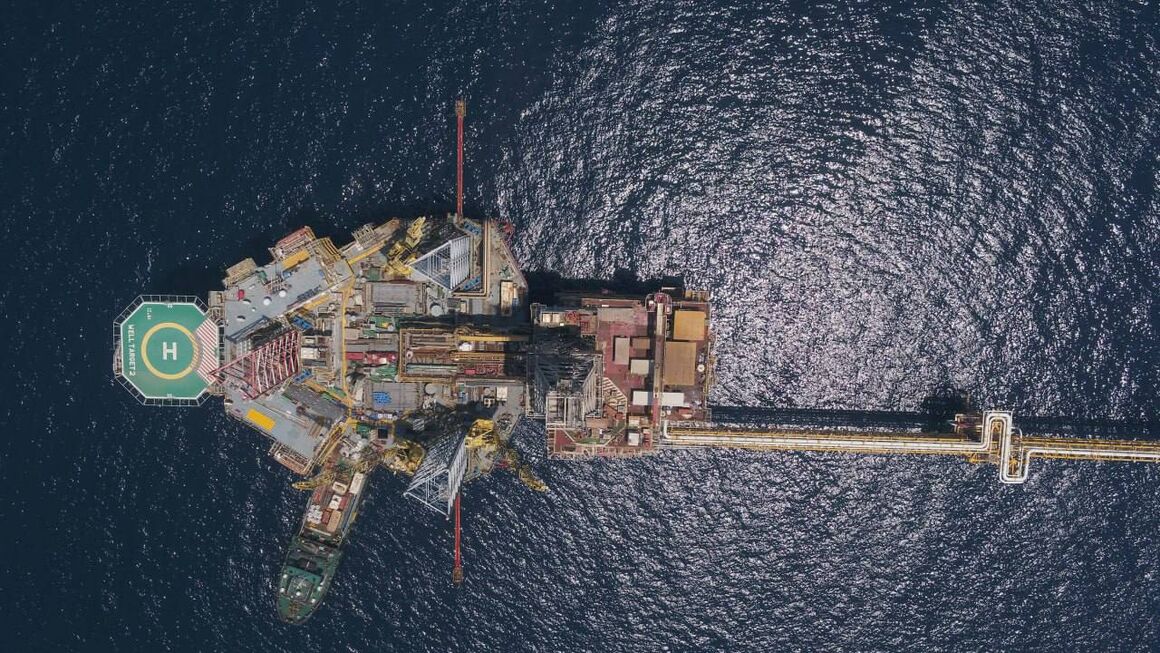
Paknejad said the project requires the installation of massive compression platforms weighing 8,000 to 9,000 metric tons. Previous South Pars platforms weighed roughly 3,300 tons. Because these heavier platforms are unprecedented in Iran, all activities have been carefully planned, and the four companies responsible for building the seven hubs are completing the basic engineering studies, he said.
Role of Oil Exports in the 1405 Budget
Addressing a question about oil and condensate export revenues in the 1405 budget, Paknejad said the government must estimate refinery production and domestic consumption as part of the fast-track output-increase plan. The surplus would form a key export component in next year’s revenue calculations.
On gasoline pricing and fuel rates for light and heavy vehicles in the upcoming budget, he said the outcome depends on how Parliament reviews the spending plan and the conclusions it reaches.
Your Comment