
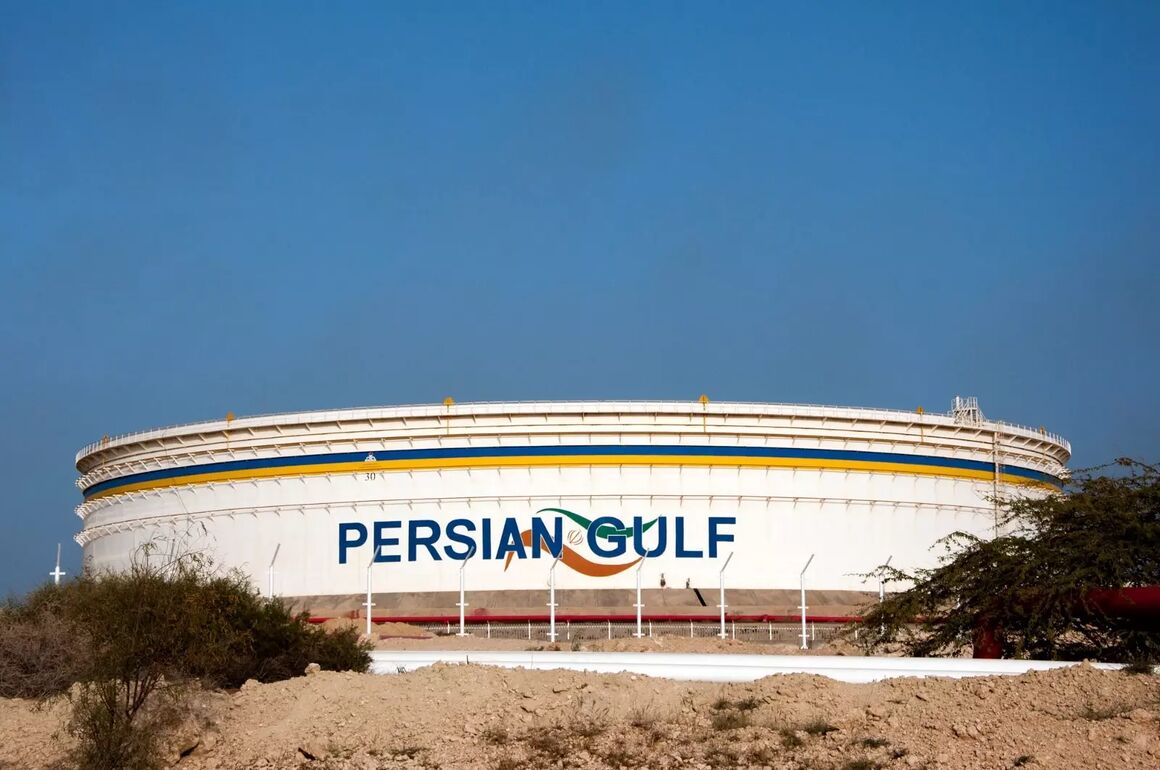
Nasrollah Pejmanfar, chair of the Committee, emphasized during the visit the need to preserve the terminal's operational capacity and strengthen the infrastructure tied to oil exports.
He called it essential to keep both the eastern and western jetties ready, raise loading capacity, and address the condition of facilities and infrastructure. He added that maintaining old and shared wells and fixing technical issues should also receive attention.
Pejmanfar also stressed overhauls and equipment renewal, measures that matter for sustaining operational readiness and upgrading the terminal's infrastructure, given Kharg's role in crude oil exports.
Staff continuity, Kharg's operational capacity
Abbas Asadrouz, managing director of the Iranian Oil Terminals Company (IOTC), outlined the technical and geographical features of the terminal. He said the region's location and natural characteristics offer considerable potential for siting and operating oil facilities.
He underlined the importance of building domestic capabilities in oil industry equipment, saying that drawing on local manufacturers and developing domestically built equipment is a key route to raising the oil industry's operational capability, and that IOTC is pursuing this.
Turning to the importance of accuracy in oil measurement at Kharg, he said precise measurement is a crucial part of delivering and receiving crude cargoes, and that the terminal's expertise and skilled workforce in this field are among its important assets.
Asadrouz also highlighted the company's social responsibility commitments at Kharg, saying it has always paid attention to residents' needs and to developing social services alongside industrial activity, and that this approach should continue in line with the region's needs.
He called for sustained attention to infrastructure and for reinforcing existing capacities at Kharg, saying that preserving and upgrading the complex requires a long-term view of its infrastructure, equipment and human resources.
Investment opportunities in the marine fleet, storage tanks
Alongside the operational needs raised during the visit, IOTC has defined a set of investment opportunities across several areas.
Another group of opportunities covers renovating the subsea pipelines on the Genaveh–Kharg, Asaluyeh and Azarbad routes. Technical assessment of the lines, smart pigging and major overhauls are among the steps planned to evaluate the condition of this infrastructure and schedule its maintenance.
Renovating and overhauling storage tanks and expanding fire detection and suppression systems are further maintenance priorities. Beyond keeping equipment ready, addressing them helps protect infrastructure and manage operational risks.
Pejmanfar's visit centered on the terminal's operational needs, from keeping jetties ready and attending to wells to major overhauls and facility renewal. Asadrouz, for his part, described the staff's performance under difficult conditions, the terminal's operating characteristics, the importance of measurement accuracy, and the use of domestic manufacturers' capabilities.
IOTC's investment opportunities span the whole chain, from the marine fleet and storage tanks to subsea pipelines, specialized equipment, and water and power supply. Linking these projects to the terminal's real needs and creating suitable conditions for investor participation could smooth the path to modernizing and upgrading its infrastructure, helping Kharg stay operationally ready and Iran's oil exports remain stable.
Your Comment