
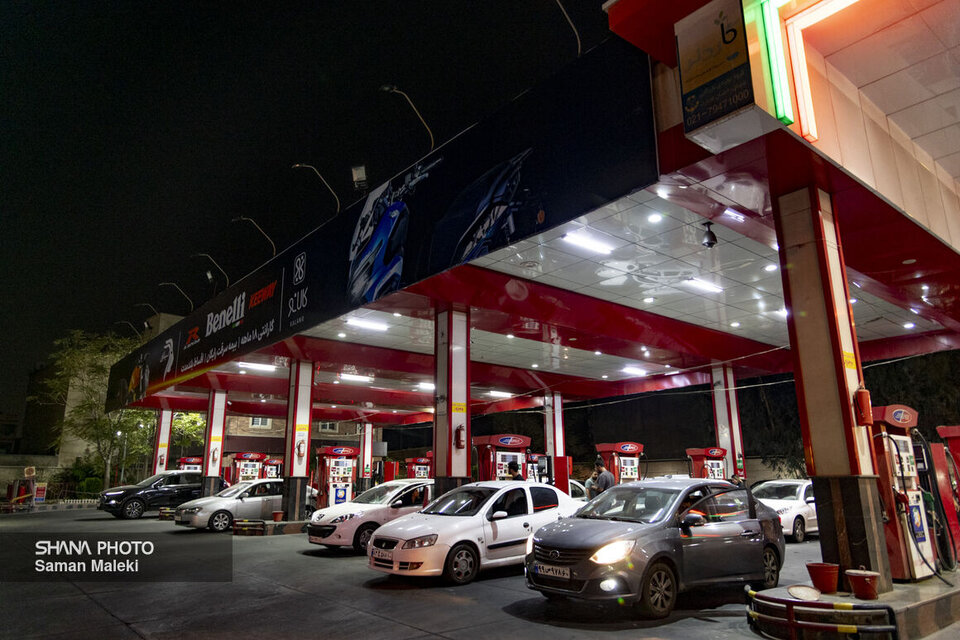
Mostafa Nakhaei pointed to the growth of compressed natural gas (CNG) use in the country in recent years, saying one of the most important ways to cut gasoline consumption is to diversify the fuels used in the transportation sector. He said this approach is addressed in the country's Seventh Development Plan, and that CNG expansion and the conversion of vehicles to dual-fuel systems have shown positive momentum in recent years.
He added that the Seventh Development Plan includes a provision for diversifying the vehicle fuel mix, aimed at reducing gasoline's outsized share of vehicle fuel consumption and shifting toward alternative fuels, including CNG, liquefied petroleum gas (LPG), and the development and electrification of the vehicle fleet.
Fuel Diversity called a Tool for Energy System Resilience
Nakhaei said that from an energy policy standpoint, fuel diversification is an important tool for strengthening the resilience of energy infrastructure. Countries whose transportation sectors depend heavily on a single fuel are more vulnerable to price volatility, supply constraints and infrastructure problems, he said, while spreading consumption across multiple fuel types can reduce risks tied to energy supply.
He also cited the free dual-fuel conversion program for vehicles, saying that as CNG stations expand, many people will undoubtedly be encouraged to use the cleaner fuel — an effort the free conversion program will help support.
Emphasizing that Iran's gasoil (diesel) imports have dropped to zero, Nakhaei said the move is especially significant under wartime conditions, since it prevents capital outflow from the country and serves as a strong barrier against sanctions on petroleum products.
Oil Ministry's Performance During the War Praised
Nakhaei said the Oil Ministry performed well during the war, ensuring the country did not face a single day of gasoline shortages or transportation disruptions.
Rising gasoline consumption in recent years, and the growing strain it has placed on the country's foreign currency reserves, has once again pushed fuel consumption management and energy diversification in the transportation sector to the forefront of policy debates in Iran. With the transportation fleet's heavy dependence on gasoline persisting, some lawmakers argue that reducing gasoline's share and expanding alternative options could both help control consumption and bolster the country's energy security.
Your Comment