
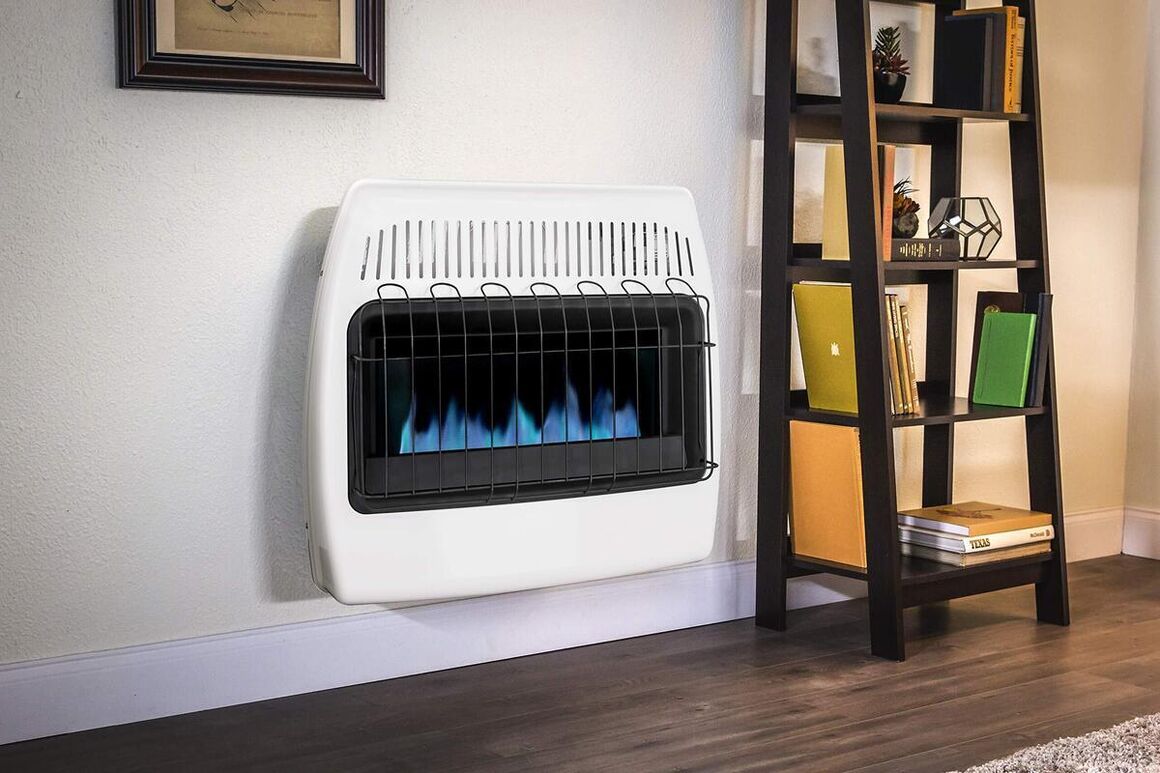
Valiollah Dini, managing director of the Iranian Gas Trading Company said that the replacement program has been in the works for more than a decade and was approved under several previous resolutions, but never moved into implementation. That changed when the Economic Council's latest resolution put the National Iranian Gas Company in charge of carrying it out.
Dini said the program faced significant obstacles. Chief among them was a shortage of domestic manufacturers capable of producing high-efficiency heaters. Because low energy prices had suppressed market demand for the more efficient units, manufacturers had little incentive to expand production capacity to meet the program's needs.
Another setback came from a 2023 revision to national building codes that effectively banned heater installations in residential units, he said. Officials spent considerable time revising those regulations and securing the necessary permits before work could resume.
Once those hurdles were cleared, the program picked up speed, Dini said. It entered a serious implementation phase in the Iranian calendar year beginning March 2024 and has moved even faster since March 2025.
Under contracts signed between the Iranian Gas Trading Company and heater manufacturers — who are serving as investors in the program — suppliers have agreed to deliver more than 2.25 million heaters so far, Dini said. According to the latest figures, more than 104,000 units have already been installed in customers' homes.
Dini said manufacturing capacity among contracted companies is expanding, and he expects a notable increase this year in the number of high-efficiency heaters replacing older, less efficient models.
He credited the National Iranian Gas Company's support — delivered through long-term contracts — with driving that expansion, saying the agreements gave manufacturers the confidence to invest in additional capacity.
The contracts have also helped guarantee a stable market for the products while promoting broader public awareness about energy conservation and efficient consumption patterns, Dini said.
Your Comment