-
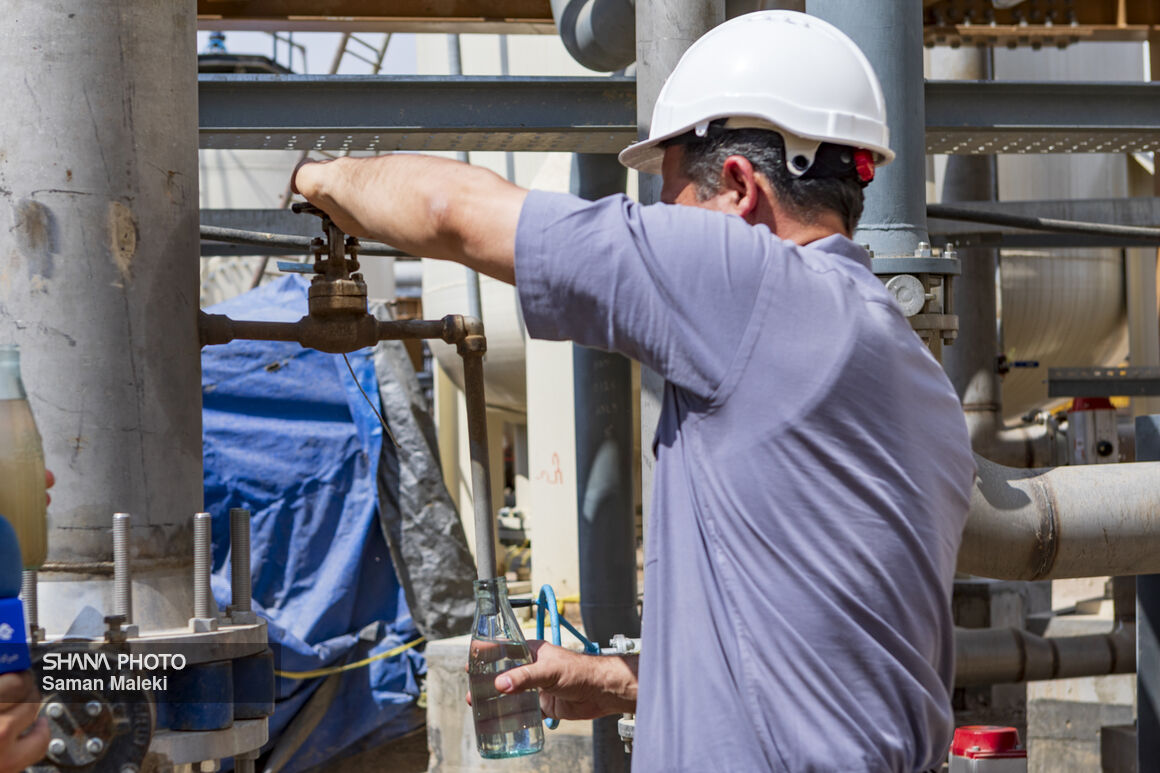
$3.5bn Invested in Tehran Refinery Upgrading
SHANA (Tehran) - Tehran’s oil refinery is among the oldest and leading oil refining facilities in Iran. It is instrumental in producing vital fuels like gasoline, gasoil and jet fuel. With a refining capacity of 250,000 b/d of crude oil and enjoying a strategic location near Tehran, the facility has a major share in national energy supply. Upgrading the quality of petroleum products has been a priority of the Ministry of Petroleum under the 14th administration. That would require upgrading the refinery.
-
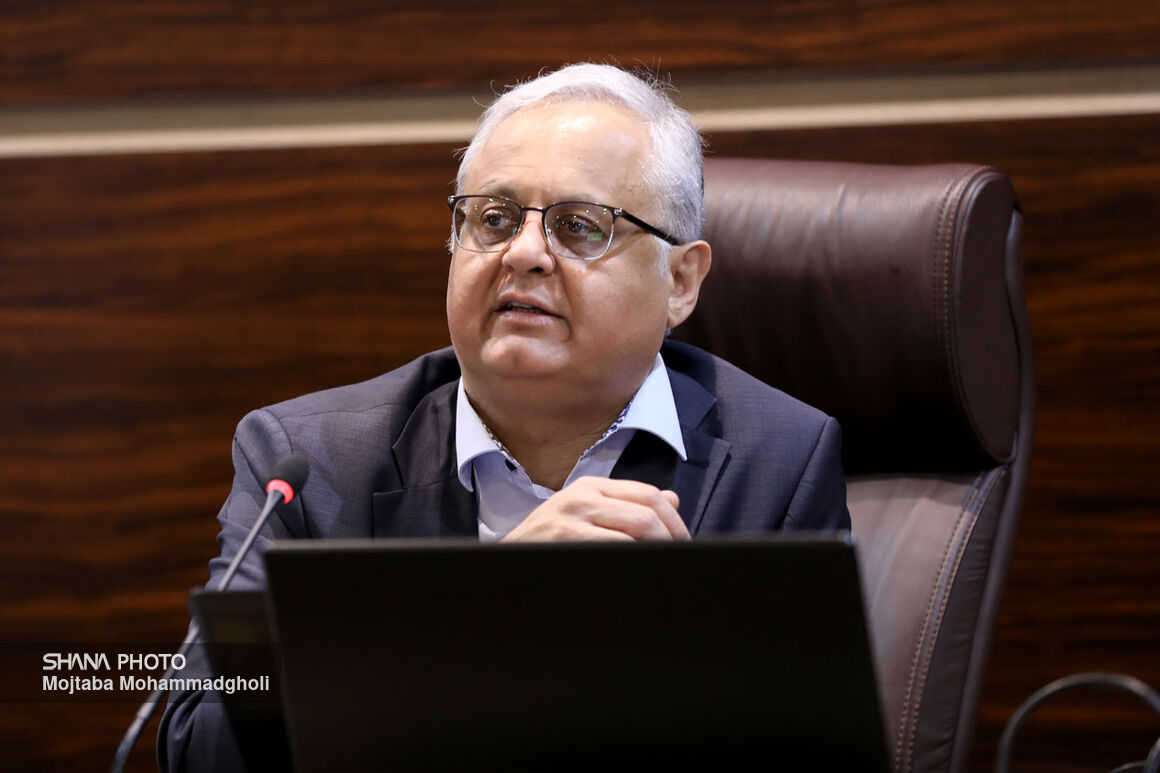
The Recent OPEC+ Decision on Oil Production: Implications for Global Market Stability
SHANA (Tehran) - OPEC+, a key coalition of oil producers, has been instrumental in maintaining global oil market stability. In April and November 2023, eight members include, Saudi Arabia, Russia, Iraq, UAE, Kuwait, Kazakhstan, Algeria, and Oman, voluntarily cut production by 2.2 million barrels per day (bpd) to counter demand fluctuations. As economic conditions improved and oil inventories declined, the group decided in December 2024 to gradually restore these cuts starting April 2025.
-
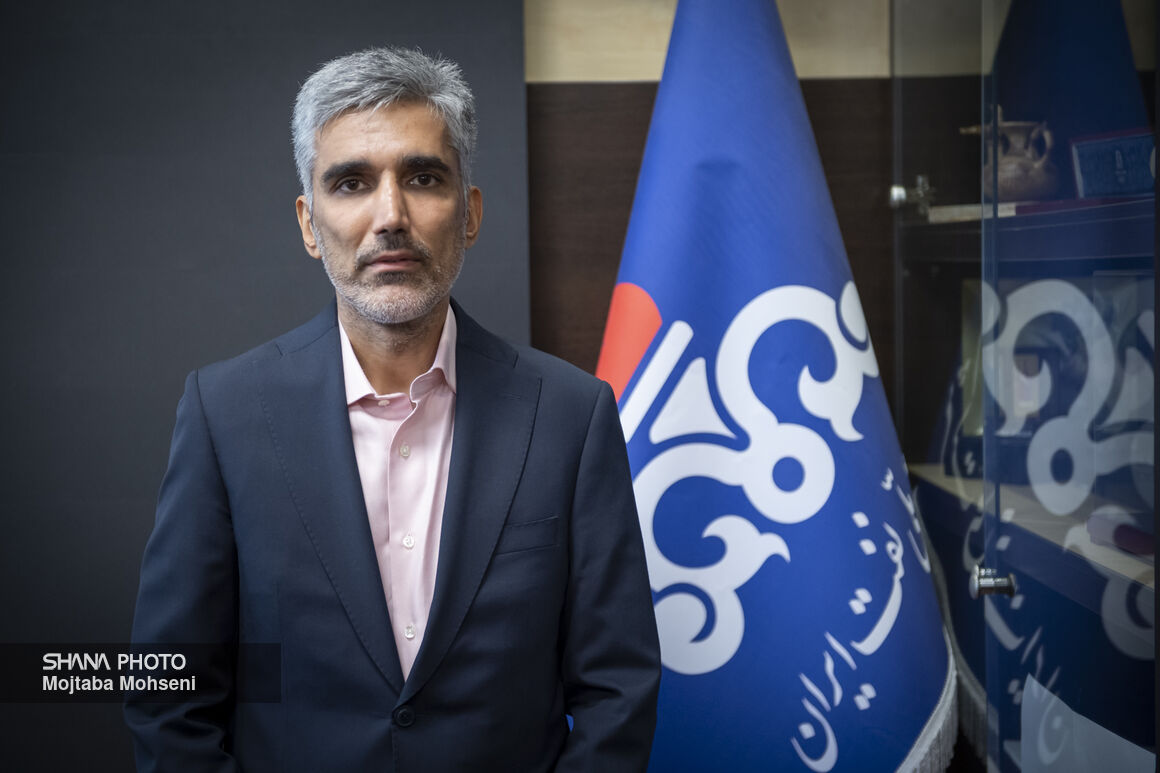
Upstream Oil Investment Strategy to Change
SHANA (Tehran) - Iran’s petroleum industry experienced a turning point in May 2025. National Iranian Oil Co. (NIOC) introduced more than 200 investment opportunities worth $137 billion, signaling its inclination for partnership with the private sector and foreign investors. Amir Moqiseh, NIOC director of investment and business, tells “Iran Petroleum” that Iran’s new oil strategy is translated into sweetening terms of oil contracts, hedging investment risks, ending restrictions enshrined in old contracts and full support for the private sector.
-
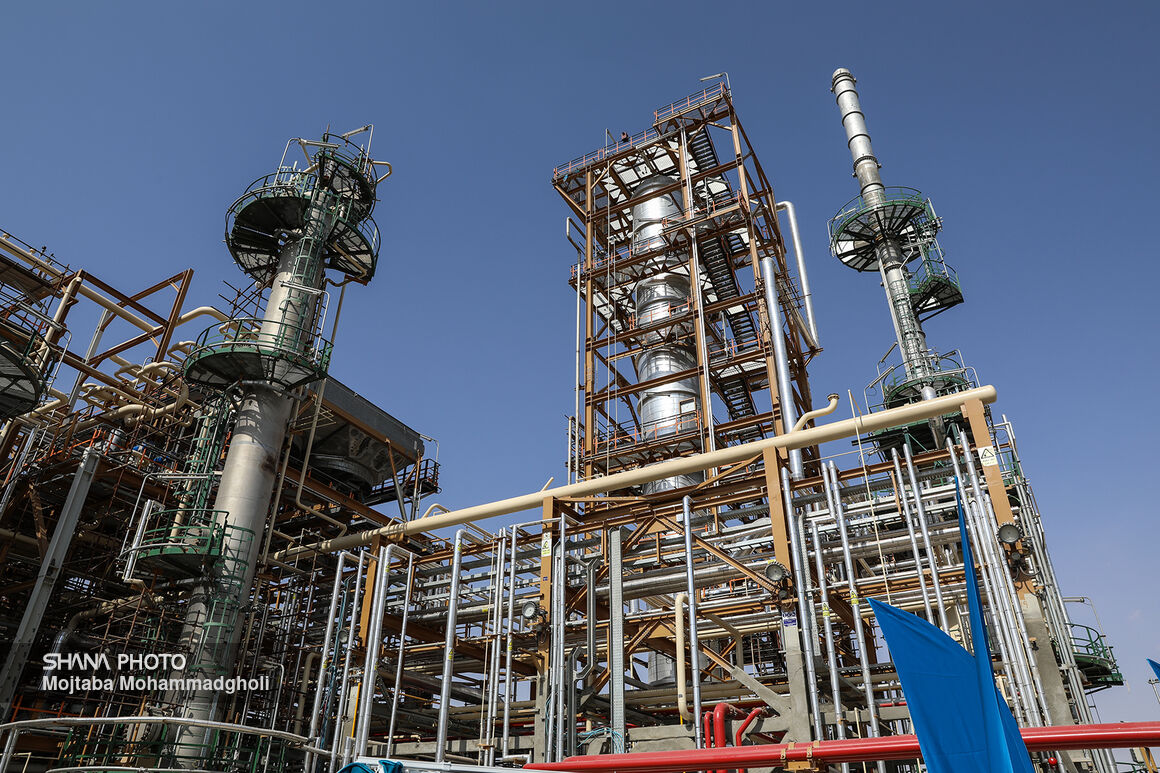
Market Governance to be Redefined
SHANA (Tehran) - Transporting oil to refineries, refining operations and distribution of refined petroleum products across the country, building treatment facilities, pipelines and telecommunications networks used to be done in an un-centralized manner, but in 1991, these activities became integrated with the establishment of National Iranian Oil Refining and Distribution Co. (NIORDC). After 35 years, NIORDC stands at a point to make its supply chain smart, in which case, AI can be instrumental in boosting productivity, reducing risk, uncovering smuggling and preventing fuel waste. Farzad Barzegar, advisor to the CEO of NIORDC in digital transformation, told “Iran Petroleum” that the company is set to launch its monitoring center soon.
-
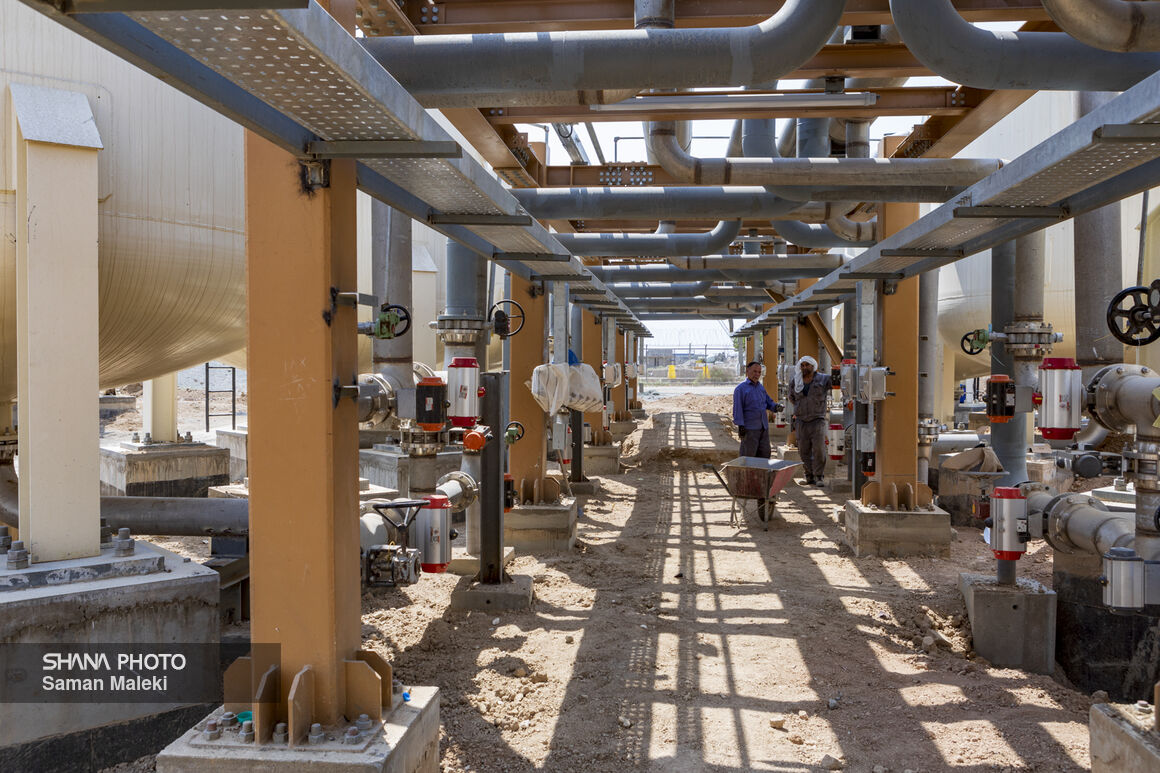
Tehran Refinery to Build 500MW Power Plant
SHANA (Tehran) - The Tehran oil refinery is relying on domestic capacities to implement transformative projects to upgrade the quality of products, manage resources and step into renewable energies. Known as one of the oldest and now most important oil treatment facilities in Iran, the Tehran oil refinery has made multi-billion-euro investment in projects to upgrade the quality of gasoline, sweeten fuel oil, treat urban wastewater and build solar power plants as part of its plans for renovation and sustainable development.
-
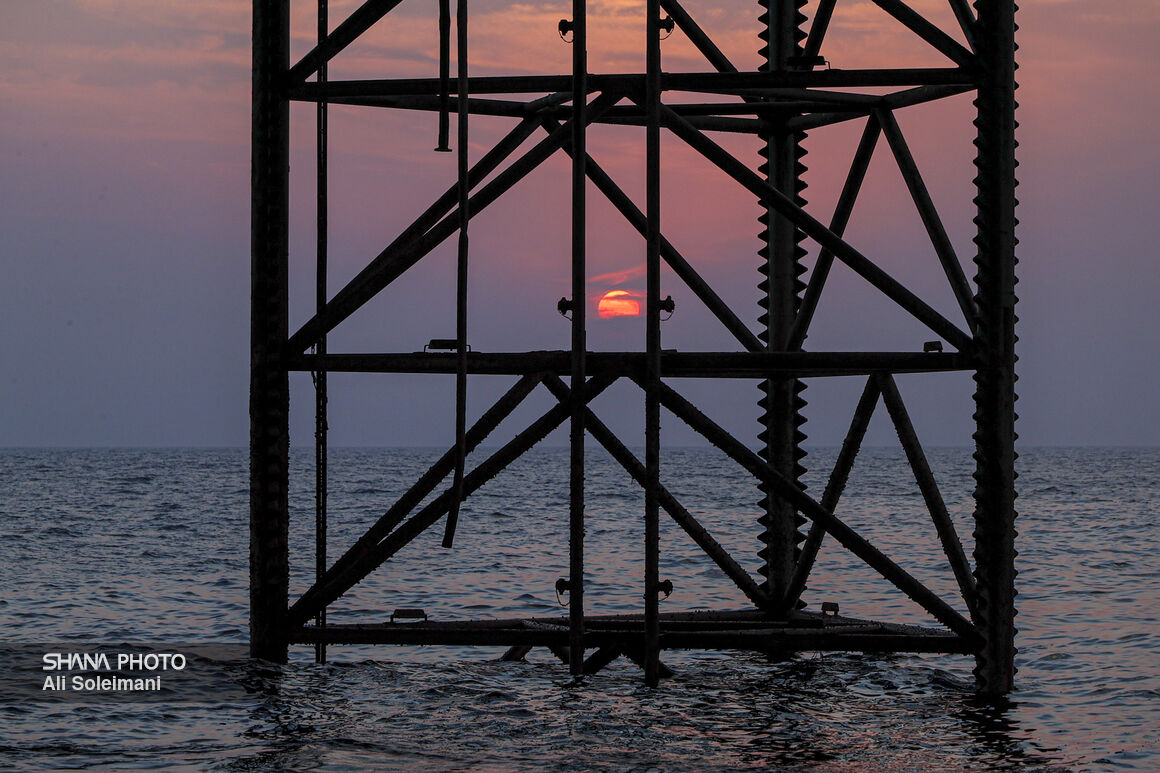
Energy, Iran-Russia Main Bridge
SHANA (Tehran) - Russia and Iran hold the world’s first and second-largest gas reserves. That takes up added significance when one takes into consideration Russia’s neighboring Iran. Iran and Russia together hold more than 37% of global gas reserves. Russia sits atop 35 tcm of gas, i.e., 19% of the world’s total, and Iran holds 33 tcm of gas, i.e., 17.1% of the world’s total.
-
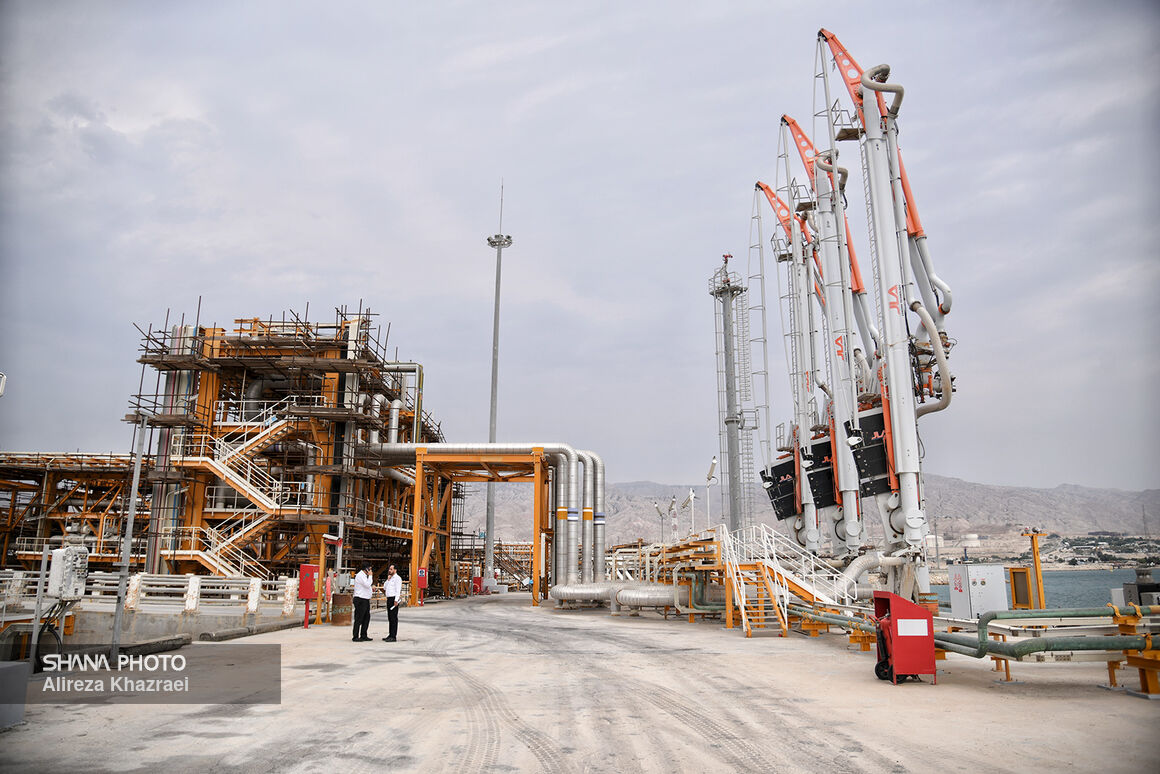
38 Investment Licenses Issued for 43mt Output Capacity at PSEEZ
SHANA (Tehran) - Pars Special Economic Energy Zone (PSEEZ) comprises Pars I (South Pars), Pars II (Kangan) and Pars III (North Pars) zones. South Pars Gas Complex (SPGC) and Pars Oil and Gas Co. (POGC), which account for the bulk of energy supply in Iran, lie in this zone. Known as the country’s largest gas production hub, SPGC has been instrumental in the energy supply in Iran over the past 26 years.
-

2.455bn Oil Barrels Awaiting Investment
SHANA (Tehran) - Mehr, Zagheh, Shour, and Genaveh oil fields are untapped offshore reservoirs that were recently introduced as opportunities for investment in Iran’s upstream oil and gas sector. The four oil fields collectively hold 2.455 billion barrels of oil in place, with an estimated investment of $265 million required for their development. Mehr and Zagheh lie in Khuzestan Province, and the other two are in Bushehr. What has made the fields attractive to investors is their geographical position.
-
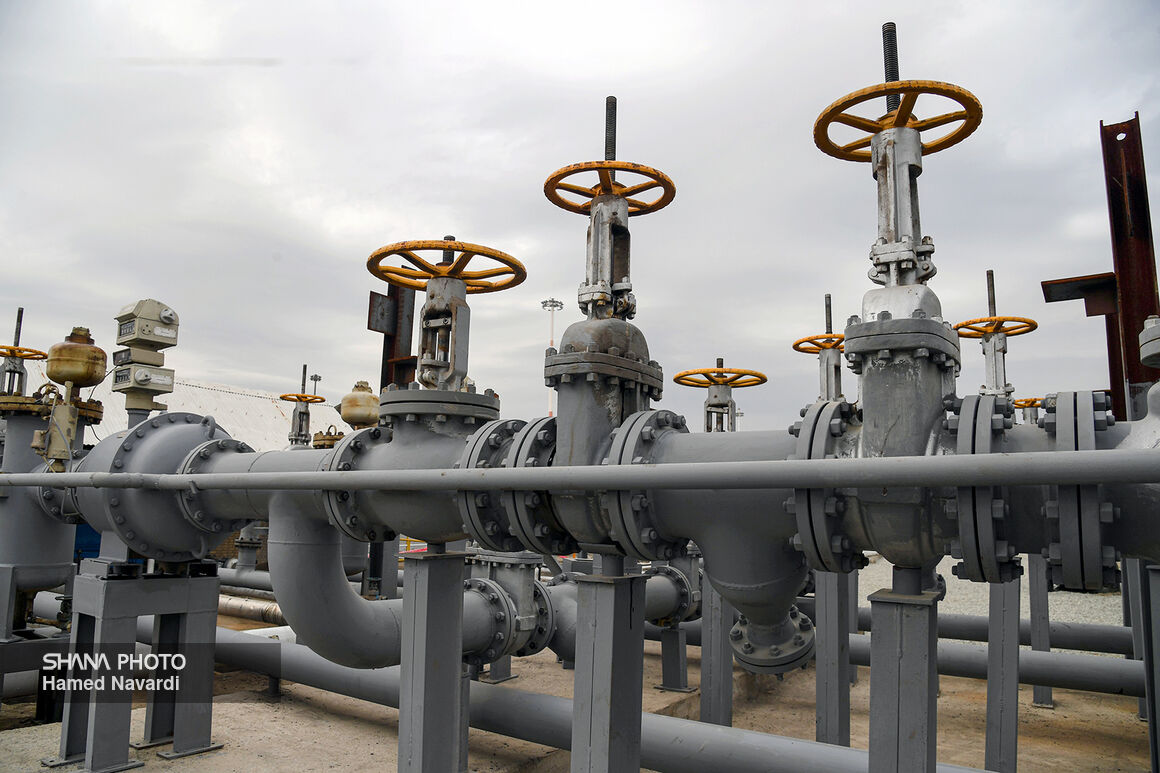
Iran Oil Industry Unfazed by War
SHANA (Tehran) – Nearly four decades after the end of the imposed war on Iran, the Zionist regime, which has occupied Palestine, launched military strikes on Tehran and some other cities as well as Iran’s oil facilities in a flagrant violation of international law and national sovereignty of the Islamic Republic of Iran.
-
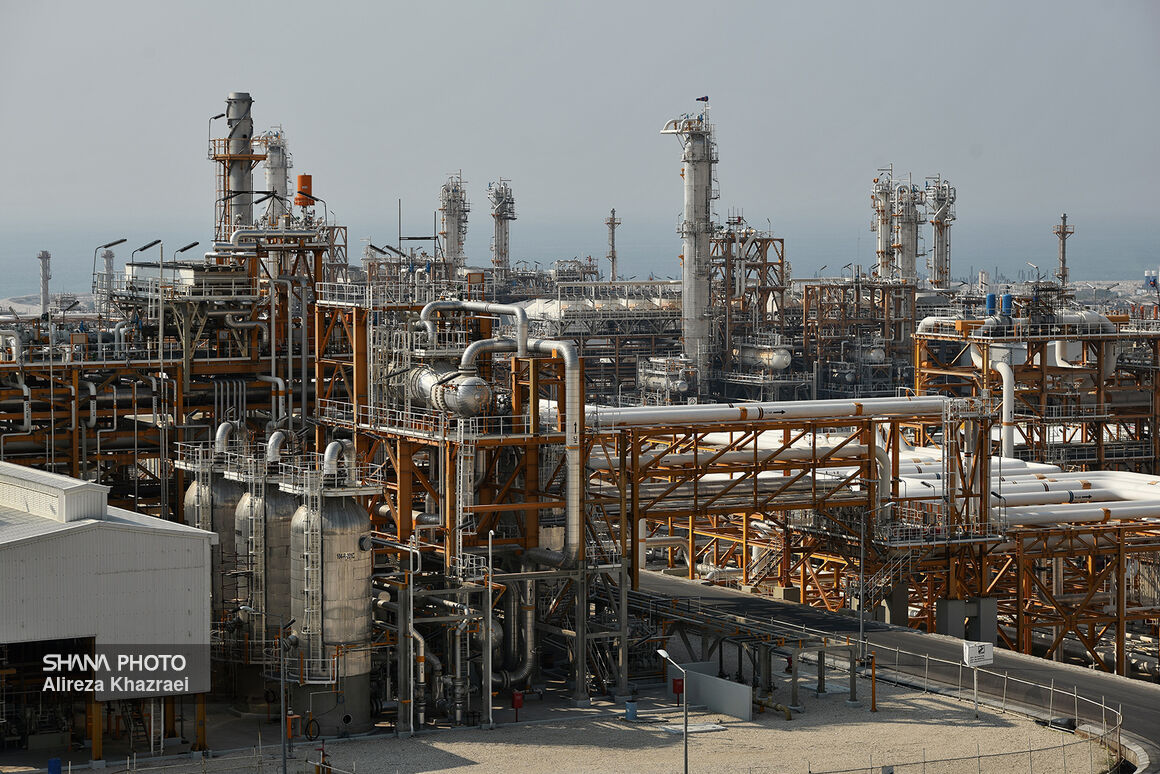
Aborted Drone Attack on South Pars
SHANA (Tehran) – On 14 June 2025, a micro-drone flown by the Zionist regime struck the onshore refinery of Phase 14 of the massive South Pars gas field, causing big blasts at the facility and fire in one of the four units. The fire was followed by a temporary suspension of gas supply from SP14. However, within 10 days, gas production resumed.